
Reviewed · SNOW MONKEY & SAKE TOURS
1-Day Snow Monkeys, Zenko-ji Temple & Sake in Nagano
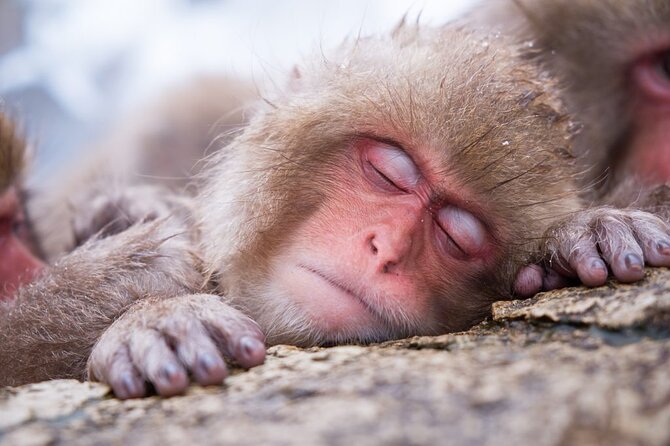
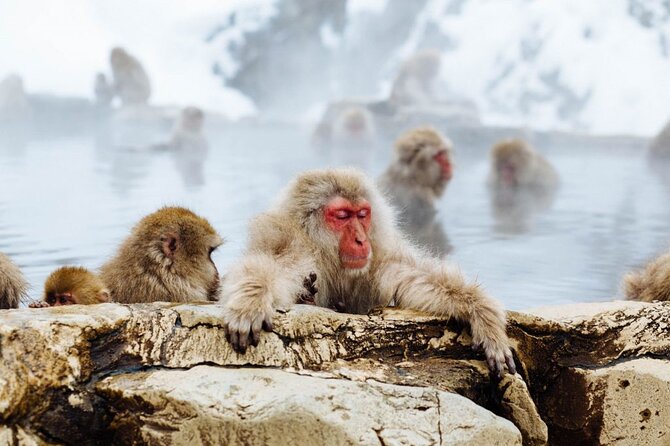
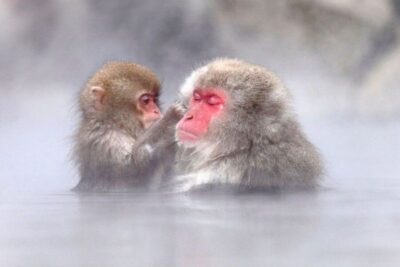
The snow monkeys are the star here, and rightly so. At Jigokudani, you walk a forest trail into the mountains and watch Japanese macaques roam freely, sometimes soaking in the hot spring. The animals have no barriers between you and them, so this is a real wildlife encounter, not a staged show.
I like the way the tour adds Zenko-ji Temple and a sake tasting instead of treating the monkey park as a stand-alone photo stop. I also like the generous three hours at Jigokudani, plus a proper Nagano lunch rather than a rushed snack. The main drawback is the walk to the monkeys, which can be steep, slippery, and tiring, especially in winter.
Key points at a glance
- The monkeys are wild: You may see them bathing, eating, playing, or simply sitting nearby, but no sighting in the hot spring is guaranteed.
- Zenko-ji gives the day cultural weight: You have about 90 minutes to explore one of Japan’s oldest and most important Buddhist temples.
- Sake tasting is brief but useful: A 30-minute stop introduces Nagano’s brewing tradition and several local varieties.
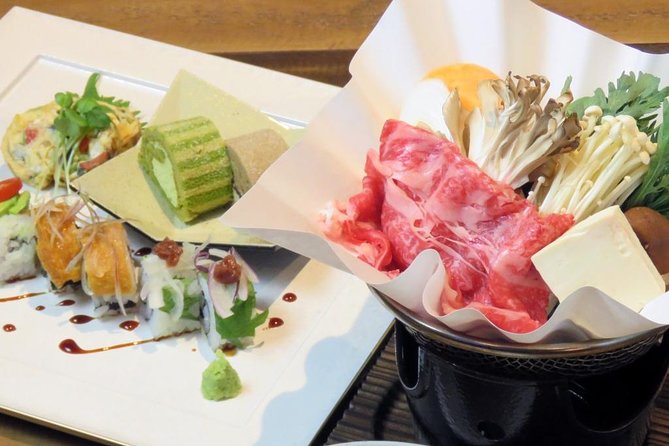
- Lunch is part of the experience: Vegetarian and vegan options are available if requested ahead of time, and the meal often includes a warming Japanese hot pot.
- Winter requires serious footwear: Snow, ice, and packed-down slush can make the uphill trail difficult. Rental boots and crampons are available near the park.
- The price includes the useful parts: At $151.88, transport, lunch, sake tasting, guiding, and the monkey park ticket are covered, but shinkansen fare is extra.
Why the snow monkey park earns the headline
Jigokudani Snow Monkey Park opened in 1964 and is famous for its troop of Japanese macaques. The monkeys live freely in the area. You cannot touch, feed, hold, or bathe with them, and you must keep at least one to two meters away.
That distance matters. It lets you watch natural behavior instead of a performance. A monkey may sit in the hot spring, groom another, carry food, or ignore you completely. The last option is part of the charm. These are wild animals with their own schedule.
The tour allows about three hours at the park, but that does not mean three hours standing beside the pool. The walk from the parking area to the park takes roughly 30 to 45 minutes depending on conditions and pace. It follows a beautiful forest route and climbs steadily. Once inside, you have time to move around, watch the troop, take photos, and wait for activity to unfold.
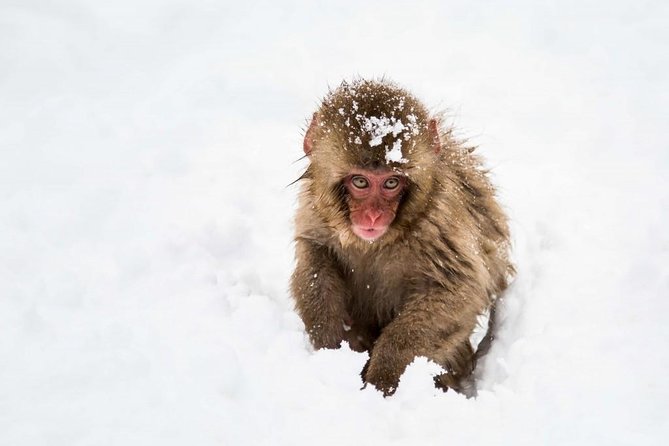
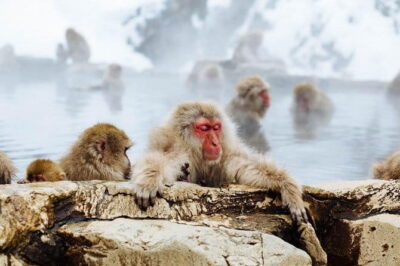
Winter is the classic season for the bathing-monkey image. From spring through autumn, the macaques may play or eat in the water instead. They might not enter the hot spring at all. On rare days, the troop may arrive late, leave early, or not come down to the park, so you should treat the hot spring scene as a possibility, not a promise.
More Snow Monkey and Sake Trips in Japan:
- Nagano: Snow Monkeys, Zenkoji Temple & Sake Day Trip
★ 4.9 · 833 reviews - Private Nagano 1-Day Tour:Snow Monkeys,Zenko-ji,Obuse,Sake,Onsen
★ 5.0 · 71 reviews - Snow Monkey, Zenko Ji Temple, Sake in Nagano Tour
★ 4.5 · 42 reviews
Zenko-ji Temple starts the day with a sense of place
Zenko-ji is Nagano’s spiritual center and dates back nearly 1,400 years. The temple grounds give you a strong first look at the city’s religious identity before the tour turns toward food, drink, and wildlife.
You have about 90 minutes here. That is enough for a guided introduction, time to look around the main grounds, and a little independent exploration. The guide helps explain the legends and traditions tied to the temple, which gives the buildings more meaning than a quick photograph from the entrance.
One memorable option is the dark passage beneath the temple. The experience involves walking through a tunnel with no light, a small but unusual ritual connected with Buddhist belief. Guides including Nadine have helped explain this feature clearly, and it is easy to miss if you explore Zenko-ji without context.
Some parts of Zenko-ji require an additional fee. Those paid areas are not included, so bring a little extra money if you want to enter them. The main temple grounds are included at no admission charge.
The time here is useful, but not lavish. If you want a slow visit with extensive shopping and every paid section, an independent day in Nagano would give you more freedom. On this tour, Zenko-ji works as a focused introduction to the city.
A short sake lesson at Nishimon Yoshinoya
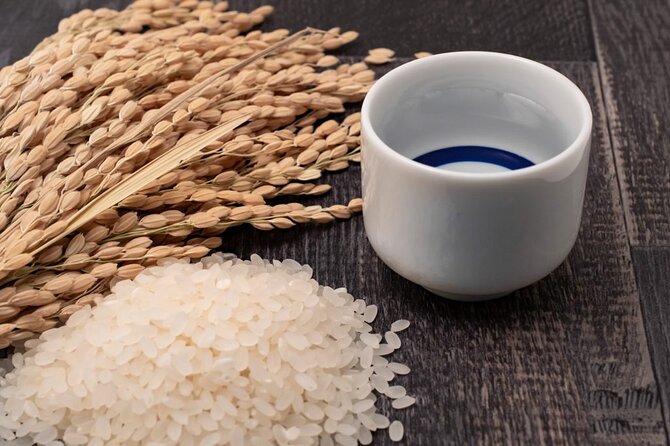
Nagano is one of Japan’s major sake regions, and the stop at Nishimon Yoshinoya gives the day a local flavor. The tasting lasts about 30 minutes, so expect a compact introduction rather than a long brewery tour.
You taste several sakes and learn about the drink’s production and different styles. A good guide can make this stop much more useful, and guides such as Sijung, Tom, and Endo have been praised for explaining the basics in an easy way.
This is also a practical stop for first-time sake drinkers. You can compare flavors rather than ordering one bottle at random in a restaurant. If you are under 20, you cannot consume alcohol in Japan. The tour information also notes that non-alcoholic options may be available for children at the tasting stop.
The sake portion will not satisfy someone looking for a full brewery history or an extended tasting session. It does, however, add a distinctly Nagano experience without taking half the day from the monkeys.
Lunch is more than a pause between stops
After the temple and sake tasting, the coach heads toward the monkey park area. The ride takes about an hour, and lunch is served at a local restaurant before the forest walk.
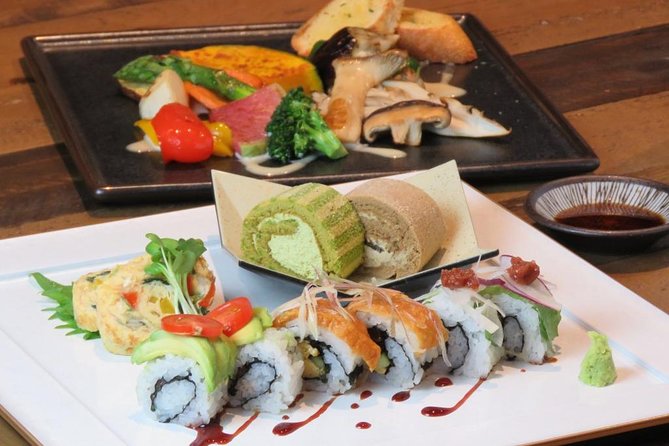
The meal is designed to show off Nagano food and often features a warming Japanese hot pot. That is particularly welcome in cold weather, when you still have an uphill walk ahead. The restaurant may change its menu, so do not book this expecting one fixed dish.
The meal has been one of the strongest parts of the day for many participants, helped by traditional surroundings and careful organization. Guides have sometimes asked the group to choose a hot pot style on the bus and arranged name tags at the tables. That small bit of planning matters when a large group arrives together.
Vegetarian and vegan meals are available, but you should request them in advance. You should also report food allergies before the tour. Additional snacks and drinks are not included, so carry water and money for anything extra.
More Temple and Sake Days in Japan:
- 1-Day Winter Tour From Nozawa Onsen: Snow Monkeys, Zenko-ji Temple & Sake
★ 5.0 · 32 reviews - From Nozawa Onsen: Snow Monkeys and Zenko-ji Day Trip & Sake
★ 4.9 · 13 reviews
The walk to Jigokudani is the real physical test
The tour is described as suitable for most people, but the monkey park should not be treated as an effortless sightseeing stop. The trail is uphill, and packed snow or ice can make it far harder than the distance suggests.
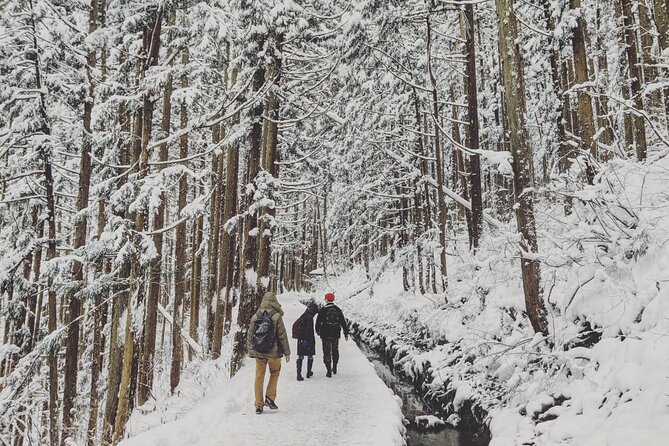
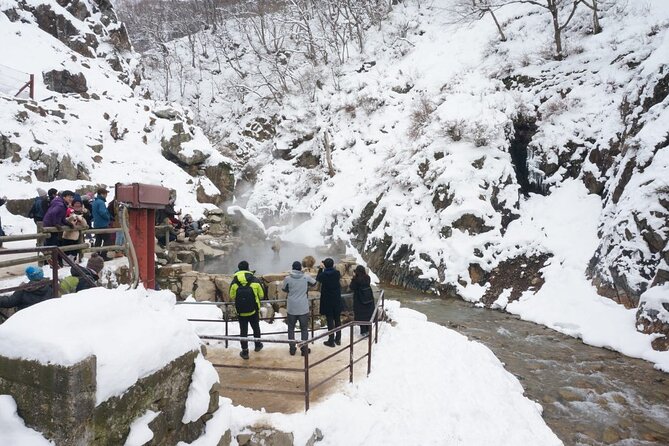
In winter, wear warm clothing and shoes with strong grip. From mid-December to early March, temperatures may fall below freezing and can reach around -10 degrees Celsius. From mid-December into early April, snow and ice may affect the route.
Crampons are small spikes that attach beneath your shoes. They can make a major difference on icy sections. Rental boots are available near the park, and crampons can be purchased there. If you already own compact ice cleats, bringing them can save time and money.
The trail is also a lovely part of the outing. You pass through forest rather than stepping straight from a bus into a viewing platform. In rain, snow, or heavy foot traffic, it can be messy and slow. Take your time, use the handrails where available, and do not wear smooth-soled fashion shoes.
Once inside the park, the trail effort pays off. The macaques may be scattered around the hot spring and surrounding area. You can watch them at close range, but you must follow park rules at all times. Do not reach toward them, offer food, or try to pose beside them.
Transport makes a complicated day easier
The tour lasts about eight hours and includes transport to and between the main stops. Depending on the season and group size, you may ride in a microbus or a larger coach. The maximum group size is 45 people.
That is not a small private tour. A group of this size can mean waiting for people at meeting points and less freedom to linger. The benefit is that you do not need to arrange separate buses, find the park entrance, buy a ticket, or work out the order of the day.
The schedule is built around Nagano Station. If you are coming from Tokyo, the early shinkansen services make a same-day trip possible. The Kagayaki can reach Nagano in about 83 minutes, while the Asama and Hakutaka take longer. Shinkansen tickets are not included, and reserved seats on the Kagayaki need advance planning.
The tour is scheduled to return to Nagano Station around 5:30 p.m. in the usual schedule. Winter weather and road conditions can cause delays. If you are taking a train onward, avoid booking a tight connection. The suggested winter departures are the 5:56 p.m. Kagayaki or the 6:23 p.m. Hakutaka, with later departures recommended for other routes.
During winter, a shuttle is available for some participants staying in Hakuba. Pickups and drop-offs use Hakuba Tokyu Hotel in Wadano and Hakuba Happo Bus Terminal, not individual hotels. This service runs only during the stated winter period and may not operate every day.
Guides make the large group work
The tour’s format depends heavily on the guide. A good guide keeps the group moving without turning every stop into a race. Names associated with particularly strong departures include Tom, Endo, Kieran, Nadine, Dylan, Jens, Kay, Sijung, Shawn, Yama, Luke, and Devin.
You should expect practical explanations about Zenko-ji, sake, Nagano, and the monkeys. Guides also help with small matters that can otherwise cause trouble, such as finding the correct park entrance, explaining the no-feeding rule, and advising you about icy conditions.
Large groups are sometimes split between two guides. That can reduce crowding and keep explanations easier to hear. Still, this is a structured group outing, not a private tour. If you want to set your own departure time from the temple or linger over lunch, you may find the schedule restrictive.
The guide also helps you use your time wisely at the park. The included ticket means you can go to the appropriate entry point instead of waiting in the ticket line. Pay attention to the instructions, especially when the entrance area is crowded.
Is $151.88 a fair price?
The price is $151.88 per person, before any shinkansen fare or optional paid areas at Zenko-ji. That is not the cheapest way to see the monkeys, but the comparison should include everything bundled into the day.
You receive transport between the stops, an English-speaking guide, lunch, sake tasting, and entry to Jigokudani Snow Monkey Park. You also avoid the planning work of coordinating Zenko-ji, a brewery stop, a restaurant, and the mountain park in one day.
The value is strongest if you are based in Tokyo or another city and want a ready-made Nagano day trip. It is also useful if you are staying in Nagano and do not want to arrange the monkey park on your own.
The value is weaker if you already have transport, prefer inexpensive local meals, or want to spend a full day at only one site. The tour packs in a lot. One participant would have preferred more time at Zenko-ji and less time at the sake stop, while most of the schedule is designed to keep all three experiences moving.
Who should book this Nagano day?
I would choose this tour if the snow monkeys are high on your list and you also want a taste of Nagano culture. The combination gives you more than a wildlife excursion, while the included lunch and transport remove several practical hassles.
It suits couples, families with older children, and mixed-age groups. The tour has worked for young adults and seniors, but everyone should be comfortable with a substantial walk. The park route can be difficult for anyone with poor balance, limited stamina, or unsuitable footwear.
It is less suitable for visitors who dislike fixed schedules, group transport, or cold-weather walking. It is also a poor match if your main goal is quiet photography, since the park can be busy and the monkey behavior cannot be controlled.
The free cancellation policy allows a full refund when you cancel at least 24 hours before the start time. Changes or cancellations inside that window are not accepted for a refund.
Final call: a strong full-day choice with one big warning
I would book this tour if you want the easiest well-rounded route from Nagano Station or a carefully arranged day from Tokyo. The monkeys are the main reward, but Zenko-ji, the sake tasting, and the hot pot lunch give the day useful depth.
Just prepare for the walk. Wear warm layers, bring traction for winter ice, and leave plenty of time for your return train. If you do that, the tour offers a rare chance to see wild macaques up close while also getting a sensible introduction to Nagano’s temple culture and local food.
FAQ
How long does the tour last?
The experience lasts about eight hours. It is scheduled to finish at Nagano Station around 5:30 p.m., though winter weather and road conditions can delay the return.
What is included in the price?
The price includes transport between the activities, lunch, sake tasting, an English-speaking guide, and admission to Jigokudani Snow Monkey Park.
Are shinkansen tickets included?
No. You must arrange and pay for your own bullet train tickets to and from Nagano.
Is lunch suitable for vegetarians and vegans?
Vegetarian and vegan options are available. You should notify the tour provider in advance, along with any food allergies.
Are the monkeys guaranteed to be bathing?
No. The monkeys often use the hot spring in winter, but from spring through autumn they may eat or play in the water instead. On rare days, they may arrive late, leave early, or not come down to the park.
How difficult is the walk to Snow Monkey Park?
The route includes an uphill forest walk that can take about 30 to 45 minutes. Snow, ice, and packed-down slush can make it slippery, especially between mid-December and early April.
Can I touch or feed the monkeys?
No. You must not touch, hold, feed, or bathe with them. Keep at least one to two meters away and follow the park rules explained by your guide.
Can children join the sake tasting?
Anyone consuming alcohol in Japan must be at least 20 years old. Non-alcoholic options may be available for children at the tasting stop.
More Sake Day Trips in Japan
- 1-Day Kobe Highlights Tour including Sake Tasting
★ 4.5 · 28 reviews
Newly added around Japan
- Nara: Sake Tasting Tour at the Birthplace of Japanese Sake★ 4.9 · 8 reviews
- Kobe: Sake Brewery Tour with Tasting and Kobe Beef Bites★ 5.0 · 11 reviews
- Kobe: Sake Brewery Tour with Tasting Sake★ 4.7 · 9 reviews
- Kyoto: Fushimi Sake District Tour with Boat Ride★ 4.6 · 10 reviews
- Nara – Craft Beer, Sake, and Food Walking Tour★ 3.5 · 9 reviews
- World Heritage Himeji Castle & Sake Breweries Private Tour★ 4.5 · 11 reviews
- Visit behind the Scenes: Hiroshima Saijo Sake Brewery Tour★ 5.0 · 9 reviews
- Sake Town Tour in Saijo Hiroshima★ 5.0 · 9 reviews
Snow Monkey & Sake Tours, compared.
Private Nagano 1-Day Tour:Snow Monkeys,Zenko-ji,Obuse,Sake,Onsen
Read our review →
1-Day Winter Tour From Nozawa Onsen: Snow Monkeys, Zenko-ji Temple & Sake
Read our review →
Snow Monkeys, Hokusai & Sake: A Perfect Day in Nagano
Read our review →Browse the lists this tour appears in