
Reviewed · KOBE SAKE TOURS
Kobe: 3-Hour Private Sake Tour in Japan’s Top Sake Area
Kobe’s Nada Gogo district is one of Japan’s best places to learn about sake because three major breweries sit within one compact outing. You’ll see old brewing tools, modern production ideas, and taste several styles of nihonshu rather than treating sake as one single drink.
I like the private format, which lets you ask questions at your own pace, and the chance to compare Hamafukutsuru, Kiku-Masamune, and Hakutsuru side by side. The main drawback is repetition: all three stops cover similar brewing basics, and some English signs are limited. If you want a brisk introduction, this works well. If you want highly technical answers at every turn, your experience may depend on the guide.
Key points at a glance
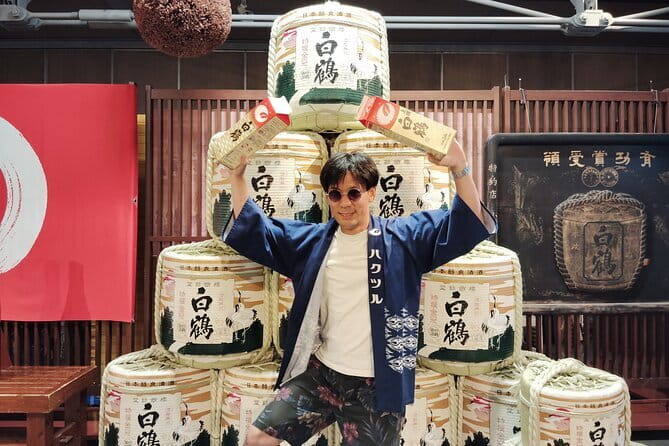
- Three respected breweries: Visit Hamafukutsuru Ginjo Brewery, Kiku-Masamune Sake Museum, and Hakutsuru Sake Brewery Museum.
- A private three-hour outing: Only your group takes part, so you can ask questions without a large tour crowd.
- Tastings at each stop: The tour covers alcoholic drinks up to 1,000 yen per brewery.
- A clear look at production: Learn how rice selection, polishing, fermentation, water, climate, and maturation shape sake.
- Start and finish by train-accessible stations: Meet at Uozaki Station and finish at the Hakutsuru museum.
- A good English-speaking guide matters: Julien received special praise for friendly, easy-to-follow explanations, but guide assignments can vary.
Why Nada Gogo is the right place to study sake
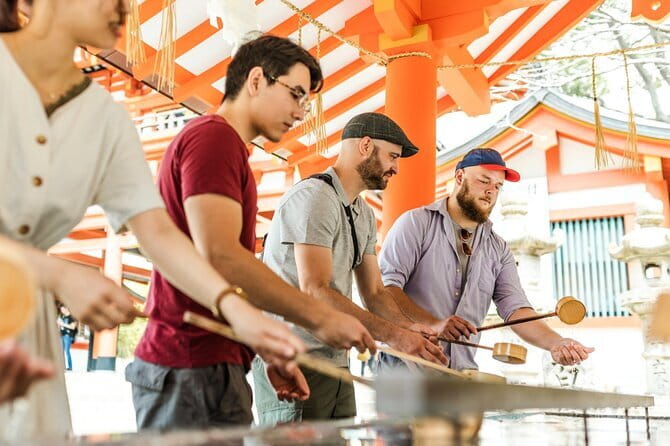
Nada Gogo is not one brewery. It is a major sake-producing area within Kobe, known for the conditions that help brewers make distinctive nihonshu. This tour gives you three different windows into that local tradition.
You’ll hear how rice is selected and polished before brewing begins. Polishing removes parts of the grain that can create heavier flavors, leaving the brewer with a base suited to different styles. Fermentation and maturation then add their own character. The tour connects those steps to the finished drink in your glass.
The setting also matters. Rather than tasting sake in a shop with little context, you visit actual brewery facilities and museums. You can look at the tools, working methods, and displays that show how sake production changed over time.
The tour lasts about three hours. Each stop receives roughly 55 minutes to one hour, so the pace is steady. You will not have unlimited time at any one museum, but you get a useful comparison across three producers.
More Three-Hour Sake Sessions in Kobe:
- Kobe: 3-Hour Sake Breweries Tour with Special Tasting
★ 4.4 · 25 reviews - 3-Hour Kyoto Insider Sake Brewery Tour with Tastings & Pairings
★ 5.0 · 917 reviews - 3 Hours Kyoto Insider Sake Experience | Tasting Konteki
★ 5.0 · 24 reviews
Hamafukutsuru Ginjo Brewery begins with refined sake
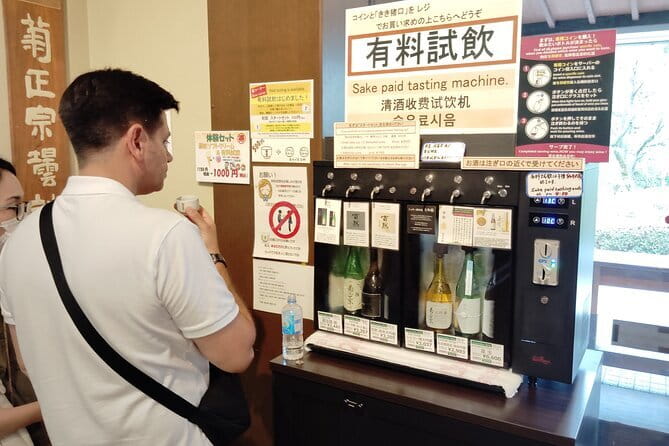
The first stop is Hamafukutsuru Ginjo Brewery, where the focus is ginjo sake. Ginjo is associated with careful production and delicate, refined flavors, so this is a good first lesson in how sake styles can differ.
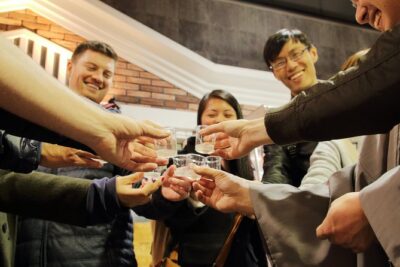
Expect an introduction to the brewery’s approach, followed by tasting. The tasting is important here because it gives you a practical way to connect the brewing method with the drink. You may notice that ginjo feels lighter or more polished than the bolder sake styles you encounter elsewhere, though the exact tasting selection can vary.
The visit lasts about 55 minutes and admission is included. That timing gives you enough room for an explanation and a sample without turning the stop into a long museum visit.
I like this opening because it starts with a specific style rather than a broad lecture. You quickly get a sense that sake has its own vocabulary and range. If you are new to nihonshu, ask your guide to explain what makes the ginjo example different from the other pours later in the tour.
Kiku-Masamune shows how tradition shapes the bottle
Next comes the Kiku-Masamune Sake Museum. This stop focuses on one of Japan’s historic sake makers and the methods behind its long-running brewing tradition.
The museum offers a look at the craft and culture connected with Kiku-Masamune. You’ll learn how production relies on a chain of decisions, from rice preparation through fermentation and aging. The value here is not just seeing old equipment. It is understanding why brewers developed certain tools and habits in the first place.
You should expect another tasting, with up to 1,000 yen per brewery covered by the tour. This makes the second stop more useful than a museum visit alone. Taste slowly and compare it with the Hamafukutsuru sample. Pay attention to aroma, sweetness, dryness, and how long the flavor remains.
One limitation is that some of the written material at the breweries is not available in much English. Your guide’s explanation can fill the gaps, but you may need to ask direct questions rather than rely on every display. Julien, one guide connected with the experience, was praised for clear English and a warm, willing approach to teaching. That kind of guide can make a real difference here.
Hakutsuru turns a brewery into a working history lesson
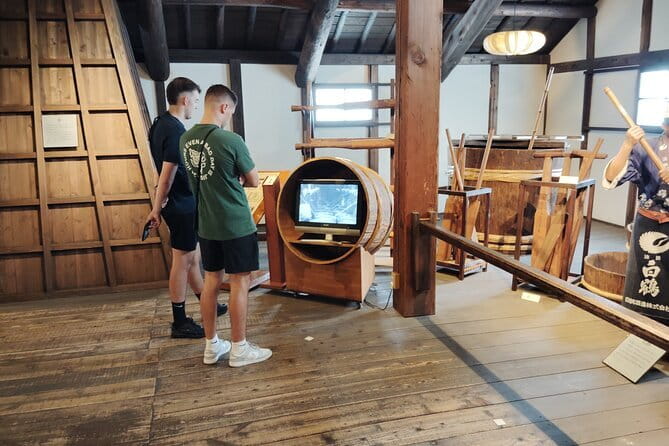
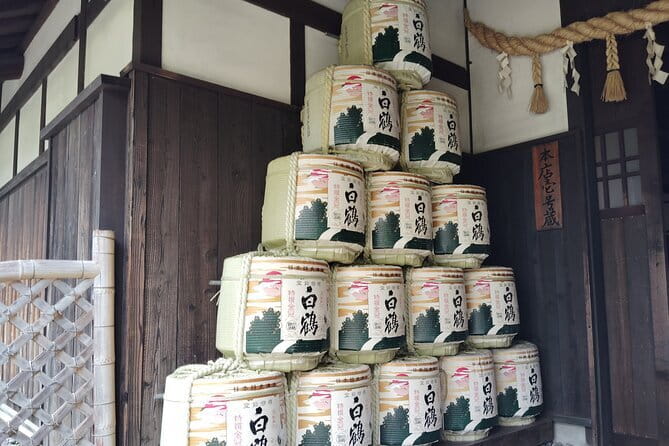
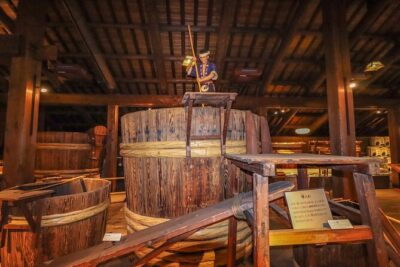
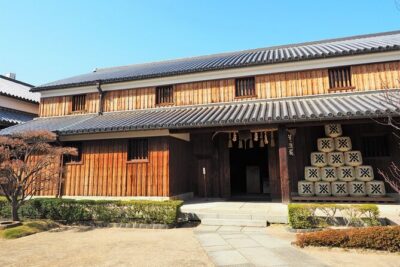
The final stop is the Hakutsuru Sake Brewery Museum, scheduled for about one hour. Hakutsuru has repurposed an entire brewery as a museum, recreating older brewing methods with original tools and equipment.
This is likely the most visual stop. Instead of only reading about sake, you can see how the work was organized and what brewers used before modern machinery took over much of the labor. The old tools help explain why sake production required patience, skill, and many careful stages.
You’ll again have a chance to taste. By this point, the comparison should be more meaningful. You have seen three producers and can think about how each one presents its style. The tour does not promise a formal tasting class, but the progression gives you a useful framework for making your own judgments.
The Hakutsuru museum is also the end point, at 4-chōme-5-5 Sumiyoshi Minamimachi. That is practical if you want to continue exploring Kobe from there, though the tour does not include transportation from the starting station or onward travel after the final stop.
More Private Sake Bookings in Kobe:
- Exploring Nada Sake Breweries Kobe Private Tour with Government-Licensed Guide
★ 5.0 · 17 reviews - KOBE Sake brewery PRIVATE walking tour with Local guide
★ 5.0 · 7 reviews - Private Tea Ceremony and Sake Tasting in Kyoto Samurai House
★ 5.0 · 163 reviews - Private Nagano 1-Day Tour:Snow Monkeys,Zenko-ji,Obuse,Sake,Onsen
★ 5.0 · 71 reviews
What the private format changes
A private tour can be worth more than a cheaper group outing if you enjoy asking questions. You and your own party take part, so the guide can adjust the explanation to your level. Beginners can ask basic questions without slowing down a large group, while sake fans can focus on production details and tasting differences.
The format also gives the tour a more personal feel. A friendly guide such as Julien can make the breweries easier to understand, especially when the printed English information is thin. You can ask for clarification, request comparisons, and pause over a style that interests you.
There is a tradeoff. A private tour is not automatically a specialist master class. One person may be excellent at explaining sake, while another may not know the answer to every detailed question. If you are intensely curious about yeast, brewing temperatures, or exact rice varieties, set your expectations sensibly and ask early.
The private setup is best for couples, families with adult children, friends, or small groups with a shared interest in Japanese food and drink. Group discounts may improve the price for larger parties, but the listed cost is $116.30 per person.
Is $116.30 a fair price?
At $116.30 per person, this is not a bargain basement tasting. You are paying for a private guide, entry fees, and access to three brewery experiences over about three hours. Alcoholic tasting fees up to 1,000 yen per brewery are included, along with all fees and taxes.
The value depends on how you use the time. If you only want to sample sake, you can find cheaper ways to buy a few bottles or tasting pours. This tour earns its price by adding context: you see the tools, learn the production stages, and compare three well-known producers in one morning or afternoon.
The private format is the biggest reason to consider the cost. A solo visitor pays more for that personal attention, while a small group may find the experience more reasonable per person, especially if a group discount applies.
Brunch is not included. Plan to eat before or after the tour if you need a full meal, since the tasting allocation is not a substitute for food. Also remember that the tour covers only alcoholic drinks for people aged 18 and older.
Timing, meeting point, and the route
You meet at Uozaki Station, at 4 Chome-7 Uozaki Nakamachi in Kobe’s Higashinada Ward. The area is near public transportation, which makes the starting point practical, but transportation from the station is not included.
The tour finishes at Hakutsuru Sake Brewery Museum in Sumiyoshi Minamimachi. This point-to-point route is useful because you do not simply return to where you started. It also means you should think ahead about what comes next. Your guide service ends at the museum, and onward transportation is your responsibility.
Allow about three hours for the scheduled experience itself. The three stops take approximately 55 minutes, 55 minutes, and one hour. You should not plan a tight connection immediately afterward, since museum pacing, questions, and tasting time can vary.
The tour is usually booked about 26 days ahead. That suggests planning early if your Kobe schedule is fixed, particularly if you want a particular date or are traveling with a small group.
Sake tasting advice for beginners
You do not need to arrive with a trained palate. Start by noticing broad differences rather than trying to name every scent. Is the sake dry or sweet? Light or full? Does the flavor disappear quickly, or remain after you swallow?
Use the three breweries as your comparison. Hamafukutsuru gives you a ginjo-focused starting point. Kiku-Masamune adds another producer’s approach. Hakutsuru then rounds out the visit with its museum setting and another tasting opportunity.
Ask your guide to repeat the Japanese terms you hear. A private tour is the right place to say that you are confused. The experience is built around learning, not showing off.
Because you visit three breweries, the drinks can begin to blur together if you rush. Take small tastes, drink water when available, and keep simple notes on the styles you prefer. The tour information does not promise a meal, so eating beforehand is a sensible choice.
The main weakness: similar stops and limited English displays
The three breweries are a strength, but they can also feel similar. Each stop deals with sake production, and each one includes a tasting or brewery presentation. If you have already toured several sake museums, you may find the repeated explanations less exciting.
The English signage is another consideration. Some displays have few English explanations, and a guide may not have an answer to every question. That does not ruin the experience, but it means the quality of the spoken explanation matters.
You can reduce this weakness by preparing a few questions before you arrive. Ask about rice polishing, how ginjo differs from other styles, the role of water, and how long the sake matures. These topics are directly tied to the tour and give your guide useful direction.
For most first-time visitors, the repetition helps reinforce the basic process. For sake specialists, the value lies more in comparing the three producers and seeing the historical equipment than in learning the fundamentals from scratch.
Who should book this Kobe sake tour?
I would recommend it to anyone who wants a structured introduction to sake while in Kobe. It suits you especially well if you enjoy food culture, museums, local manufacturing, or guided tastings with a small private group.
It is also a good choice if you want to visit several breweries but do not want to organize the route yourself. The three-hour schedule keeps the outing focused, and the start at Uozaki Station and finish at Hakutsuru make the plan easy to follow.
You may want another option if you do not drink alcohol, since the tasting portion is limited to people aged 18 and older. It may also disappoint you if you want a long lunch, extensive free time, or highly technical brewing instruction.
Free cancellation is available when you cancel at least 24 hours before the start time. Changes or cancellations made inside that window are not accepted for a refund, so keep the local cut-off time in mind.
Should you book it?
Book this tour if you want three respected Kobe sake stops, a private guide, and a clear introduction to how rice, water, fermentation, and maturation create different drinks. The strongest parts are the friendly teaching style, the chance to compare breweries, and the Hakutsuru museum’s original tools.
Think twice if $116.30 feels high for a tasting, or if you have already visited several sake museums and want something more specialized. For a first visit to Nada Gogo, though, the combination of tastings and production history gives you a practical way to understand why this part of Kobe matters.
FAQ
How long does the sake tour last?
The experience lasts approximately three hours. Hamafukutsuru receives about 55 minutes, Kiku-Masamune about 55 minutes, and Hakutsuru about one hour.
Where does the tour start?
The tour starts at Uozaki Station, at 4 Chome-7 Uozaki Nakamachi in Kobe’s Higashinada Ward, Hyogo 658-0083, Japan.
Where does the tour finish?
The tour ends at Hakutsuru Sake Brewery Museum, at 4-chōme-5-5 Sumiyoshi Minamimachi in Kobe’s Higashinada Ward, Hyogo 658-0041, Japan.
Are tasting fees included?
Yes. Alcoholic beverages up to 1,000 yen per brewery are included, along with all fees and taxes. Brunch is not included.
Can children take part in the tour?
The tour only serves alcoholic drinks to people aged 18 and older. The supplied information states that most travelers can participate, but it does not provide further age details for non-drinking participants.
Is this a private tour?
Yes. Only your group participates in the activity. A guide fee is included, and group discounts may be available.
What is the cancellation policy?
You can cancel for a full refund up to 24 hours before the experience start time. Cancellations or changes made less than 24 hours before the start time are not accepted for a refund.
Newly added around Kobe
- Full Day Walking Tour Around Kobe Mountains Sea and Sake★ 5.0 · 6 reviews
- KOBE Sake brewery PRIVATE walking tour with Local guide★ 5.0 · 7 reviews
- Cruise Shore Excursion: Kobe Sake Tasting with Local Guide★ 5.0 · 7 reviews
- Kobe: 5 Sake Breweries Tour in a Day★ 5.0 · 2 reviews
- 1-Day Walking Tour around Kobe : Mountains, Sea and Sake★ 3.9 · 6 reviews
- Kobe: Sake Brewery Tour with Tasting and Kobe Beef Bites★ 5.0 · 11 reviews
- Kobe: Sake Brewery Tour with Tasting Sake★ 4.7 · 9 reviews
- Exploring Nada Sake Breweries Kobe Private Tour with Government-Licensed Guide★ 5.0 · 17 reviews
Kobe Sake Tours, compared.
KOBE Sake Tasting Tour at Breweries (tasting fee included)
Read our review →
Sake Brewery and Japanese Life Experience Tour in Kobe
Read our review →
1-Day Kobe Highlights Tour including Sake Tasting
Read our review →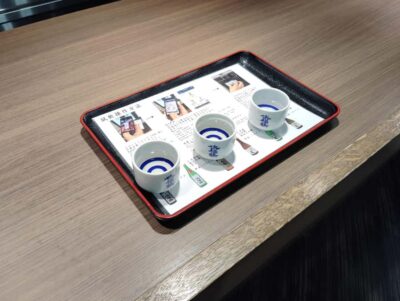
Exploring Nada Sake Breweries Kobe Private Tour with Government-Licensed Guide
Read our review →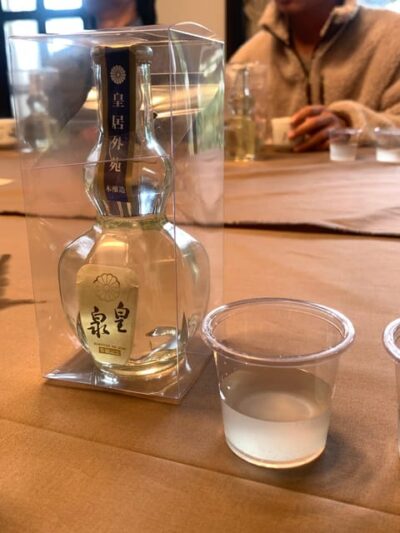
Sake Brewery Tour with Tasting and Kobe Beef Bites
Read our review →
Browse the lists this tour appears in