
Reviewed · SAKE BREWERY TOURS
Sake Brewery and Japanese Life Experience Tour in Kobe
Kobe’s Nada district produces about 30 percent of Japan’s sake, and this private tour gives you a useful look at why. You’ll see traditional brewing methods at Hakutsuru, visit the brewery behind Fukuju, the sake served at Nobel Prize dinners, then move into everyday food culture through mirin, pickles, and old shopping streets.
I like the way the tour connects sake to ordinary Japanese cooking rather than treating it as a string of tastings. I also like the private format, which lets you ask questions and adjust the pace. The main caution is that this is not a full food tour, and one account found the experience flat when the guide lacked enthusiasm for sake.
Key points to know before booking
- Nada produces roughly 30 percent of Japan’s sake, thanks to its water, rice, climate, and long brewing tradition.
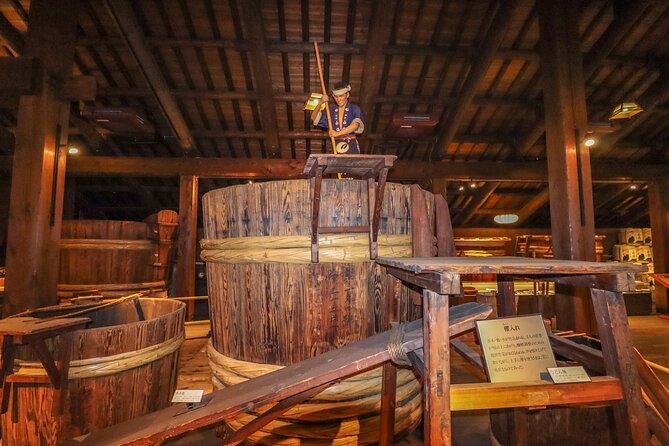
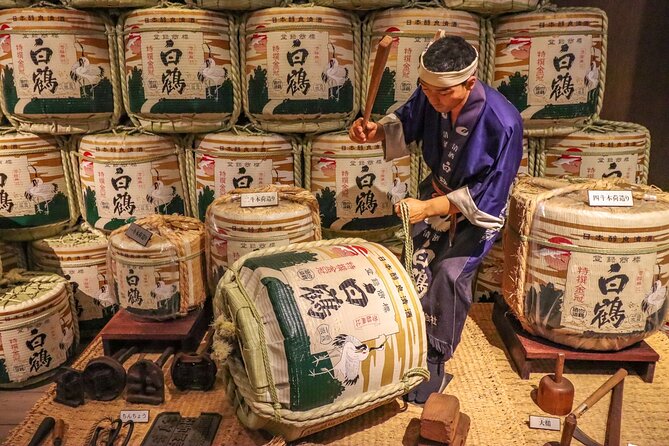
- Hakutsuru Sake Brewery Museum uses traditional tools and displays to explain how sake is made.
- Kobe Shu-shin-kan makes Fukuju, a respected sake served at Nobel Prize dinners.
- Konan Muko no Sato shifts the focus to mirin and pickles, staples of Japanese home cooking.
- Oyasutei Ichiba Shopping Street offers a look at local shopping, with a history of more than 100 years.
- Private guiding matters here, since the experience works best when you ask questions about flavor, brewing, and food use.
Why Nada is Kobe’s sake country
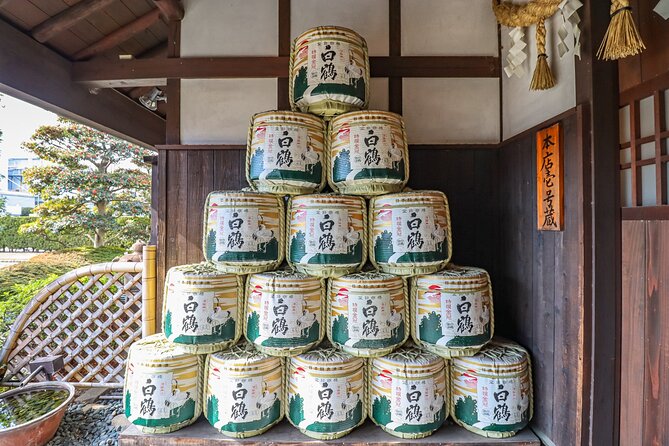
Sake brewing in Nada goes back to the Edo period, when the area’s location helped brewers make and ship large quantities of the drink. The tour explains the basic ingredients and conditions that matter: rice, water, and climate.
That context gives the brewery visits more meaning. You are not simply walking through a museum and sampling a drink. You are seeing why this part of Kobe became one of Japan’s major sake centers.
The tour also makes a useful distinction between sake as a special drink and sake as a cooking ingredient. Mirin, a sweet rice wine, uses some of the same basic materials as sake and plays a key role in Japanese cuisine. That makes the second half of the tour especially helpful if you want to understand the sauces and flavors you encounter in everyday meals.
The experience lasts about four and a half hours and begins at Sannomiya Station. It finishes near Kobe-Sannomiya Station, so you should not expect to return to the exact starting point. The tour involves public transportation and plenty of walking, so comfortable shoes are a sensible choice.
More Sake Brewery Tours in Japan:
- 3-Hour Kyoto Insider Sake Brewery Tour with Tastings & Pairings
★ 5.0 · 917 reviews - Kyoto: Insider Sake Brewery Tour with Sake and Food Pairing
★ 5.0 · 704 reviews - Kyoto Sake Brewery & Tasting Walking Tour
★ 5.0 · 623 reviews
Hakutsuru Sake Brewery Museum and the brewing process
The first major stop is the Hakutsuru Sake Brewery Museum. The museum occupies a building connected with the early Taisho period and presents the traditional sake-making process through displays of tools, equipment, and brewing operations.
You can expect around 40 minutes here. Admission is listed as 530 yen per person, though the cost information also separates transportation from entrance fees, so check the final booking details and carry cash.
This stop is valuable because it gives you a clear visual introduction before you visit the working brewery. Sake production can seem mysterious if you only encounter the finished bottle. The museum helps break it into understandable stages and shows the labor involved in producing it.
The displays focus on older methods rather than modern factory spectacle. That is good news if you want cultural context, though visitors seeking a long tasting session may find the museum portion more educational than leisurely.
The tasting is part of the Hakutsuru experience, but you should not treat this as an open-ended drinking event. The tour is built around explanation and comparison, with the guide helping you understand what you are seeing and tasting.
A private guide can make this stop much better. Guides named in past accounts include Norio and Tomoko, both praised for explaining Kobe and sake in an engaging way. Guide assignments can change, so book this experience for the structure and subject matter rather than expecting a particular person unless the operator confirms it.
Kobe Shu-shin-kan and the Fukuju name
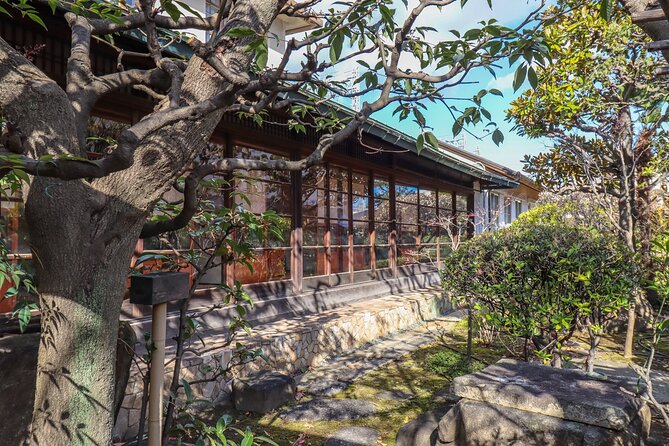
The second brewery stop is Kobe Shu-shin-kan, a sake producer with about 250 years of operation dating back to the Edo period. It makes Fukuju, the sake associated with Nobel Prize dinners.
The visit lasts about 40 minutes and is included in the planned route. The Fukuju connection gives this stop a clear point of interest, but the real value is seeing a second side of Kobe’s brewing tradition after the Hakutsuru museum.
You can compare the feel of a brewery visit with the museum display. The first stop explains traditional brewing in a formal setting. Shu-shin-kan adds a producer and a recognizable label to the picture.
Your guide should help explain how sake is made and why the local conditions matter. Ask questions about the rice, water, fermentation, and the differences between sake styles. Since this is a private tour, you have more freedom to stop and ask for clarification than you would on a large group outing.
There is an important practical point here. The tour includes brewery visits, but it does not promise a meal. If you imagine a sake-centered food crawl with several dishes at each stop, you may be disappointed. The route is better understood as a cultural tour with tastings and food-related stops.
Mirin and pickles at Konan Muko no Sato
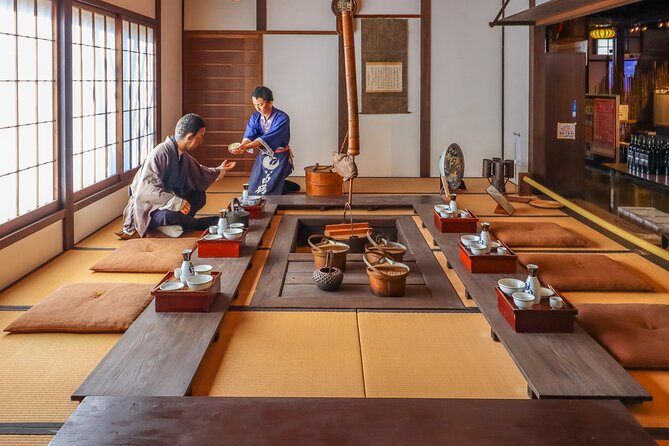
At Konan Muko no Sato, the tour turns from brewing as a drink to ingredients used in Japanese cooking. The shop specializes in pickles and mirin, the sweet cooking wine often used in sauces, glazes, and simmered dishes.
You spend about 30 minutes here. That may sound brief, but it adds a useful layer to the tour. Many visitors learn about sake as a beverage and stop there. This visit shows how related ingredients shape the food you eat in Japan.
Mirin is made from the same basic raw materials as sake, yet its purpose in the kitchen is different. Your guide can connect that difference to Japanese food culture, giving you a more practical understanding of what you see in markets and restaurants.
The stop also offers the chance to browse local products. Credit cards are not accepted at every place on the route, so bring Japanese cash if you want to buy anything. The tour price does not include food or drinks purchased at the stops.
This is one of the places where expectations matter most. If you want a sit-down tasting meal, this is not it. If you want to understand how Japanese households use ingredients such as mirin and pickles, it earns its place on the route.
More Sake Tours in Japan:
- 1-Day Snow Monkeys, Zenko-ji Temple & Sake in Nagano
★ 5.0 · 1,020 reviews - Nagano: Snow Monkeys, Zenkoji Temple & Sake Day Trip
★ 4.9 · 833 reviews - Düsseldorf: Sushi, Sake & Japanese Lifestyle Tour
★ 4.6 · 539 reviews - 1.5-Hour Kyoto Insider Sake Experience with 7 Tastings & Pairings
★ 5.0 · 297 reviews
Oyasutei Ichiba and the everyday side of Kobe
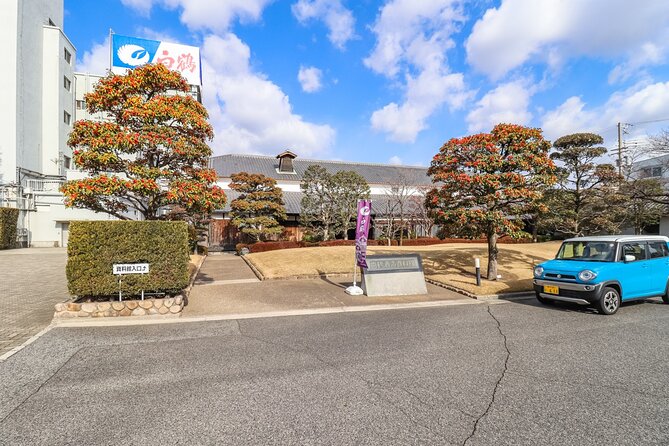
The final listed stop is Oyasutei Ichiba Shopping Street, a market with more than a century of history. It is described as one of Kobe’s oldest shopping streets, with long-running shops that date to the postwar period.
You have about 30 minutes to walk through the area. The point is not grand sightseeing. It is the chance to see a local commercial street where small shops and daily shopping still shape the neighborhood.
The tour summary also refers to Suidosuji Shotengai, an arcade with more than 500 local shops. The exact shopping-street route can change, especially if a site closes temporarily or bad weather affects transportation. Ask your guide which arcade is included on the day.
This part of the tour gives the experience balance. Breweries explain production. The market shows consumption and daily life. Together, the stops help you see sake as part of a wider food culture instead of an isolated specialty.
Do not expect a long shopping session. Thirty minutes passes quickly, particularly if you stop to browse. The strongest reason to visit is the local setting, not a promise of major attractions or a formal market tasting.
What the $83.56 price really covers
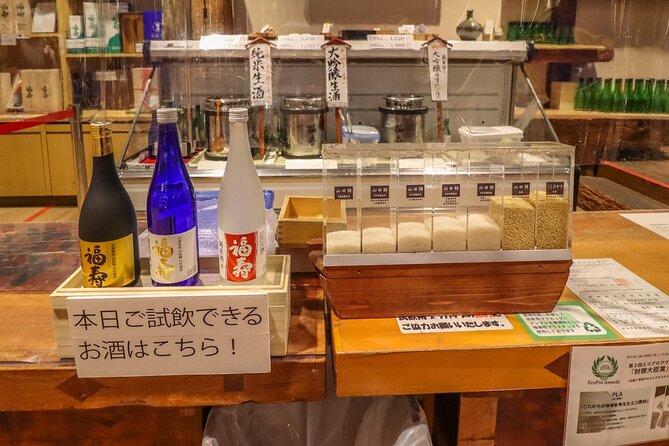
The listed price is $83.56 per person. For a private four-and-a-half-hour tour in Kobe, that can be fair if you value personal guiding and local interpretation.
The price includes the private tour, the guide, and the guide’s necessary tour expenses. It does not include every cost connected with the day. The provided cost details list estimated transportation at 530 yen per person and separately list a 530-yen admission charge for Hakutsuru Sake Brewery Museum.
Because the cost breakdown presents admission in two different ways, confirm exactly what is included when you book. Either way, budget extra yen for transport, the museum if charged separately, and anything you purchase along the route.
No meal is included. That keeps the base price from rising, but it also means you need to plan lunch or dinner afterward. The route finishes near Kobe-Sannomiya Station, which makes it convenient to continue exploring or find a meal in central Kobe.
Group discounts are available, and the private format means only your party takes part. For a couple, family, or small group interested in sake, the cost may make more sense than paying for separate museum visits and trying to connect the breweries alone.
The guides can shape the whole day
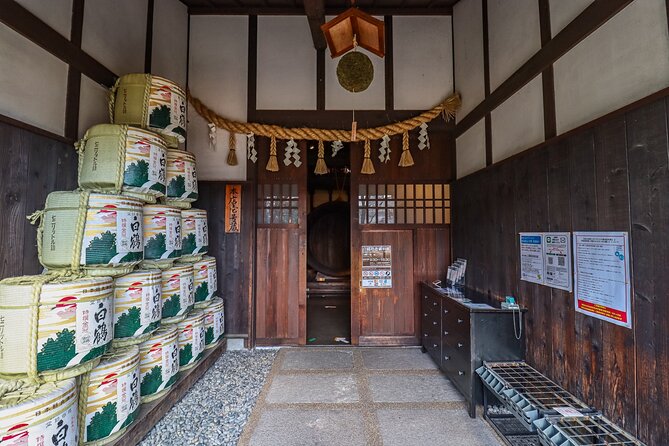
This tour depends heavily on the guide. Sake has technical vocabulary and a long production story. A good guide can turn the brewing steps into something clear and enjoyable. A less interested guide may leave the route feeling like a series of short stops.
Norio received strong praise for explaining the stages of sake production and why Kobe remains an important brewing center. Tomoko was also praised for her knowledge of Kobe, her energy, and the effort she made to create a good day. One account even noted that she helped arrange an additional reservation.
Those details suggest what you should want from your guide: clear explanations, local context, and the willingness to answer questions. If you are especially interested in sake, tell the operator when booking and ask whether a particular guide is available. Names are not guaranteed, but the request may help set expectations.
There is also a useful warning in the feedback. One guest felt the tour was not as food-focused as expected and found the guide’s lack of interest in sake affected the experience. That is a fair concern. The itinerary is only part of the product. The guide’s attitude matters.
Timing, transport, and practical planning
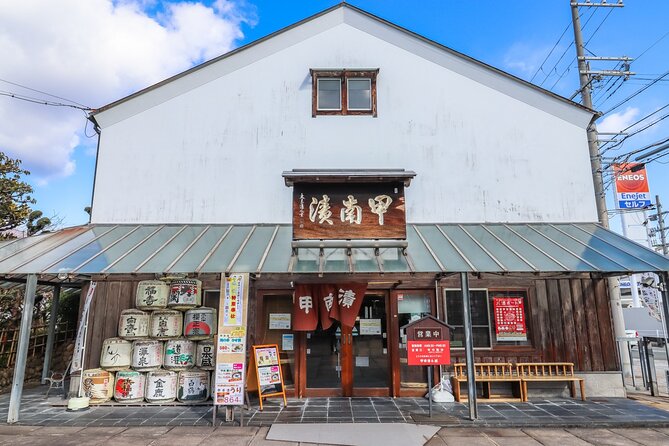
The tour begins at Sannomiya Station, specifically in the Nunobikicho area, and ends at Kobe-Sannomiya Station on Onoedori. Give yourself plenty of time to reach the meeting point. If you arrive late, public transportation time can reduce what you see.
You will use public transportation and walk between parts of the route. Bad weather may lead to changes in transportation, destinations, or routes. Sites may also be replaced if they close temporarily.
Most people can participate, but the operator advises comfortable clothing because the day includes substantial walking. Under Japanese law, anyone under 20 cannot drink alcohol. If someone in your party is under 20, confirm how tastings will be handled.
Carry cash. Some places on the route do not accept credit cards, and the listed transportation and admission costs may need to be paid separately. The mobile ticket is convenient, but it does not replace a little advance planning.
Free cancellation is available up to 24 hours before the start time. Changes or cancellations made less than 24 hours before the experience do not qualify for a refund.
Who should book this Kobe sake tour?
I would recommend it most strongly to someone who wants a private introduction to Kobe’s sake district and Japanese food culture. It suits visitors who enjoy museums, local shopping streets, and guided explanation more than those seeking a long afternoon of drinking.
It is also a good fit if you are new to sake and want the basics explained in a clear order. Starting with the museum, moving to a major brewery, then looking at mirin and pickles creates a sensible progression.
You should think twice if your main goal is a food tour. There is no dining stop, no included meal, and only limited time at each food-related location. The route offers tastings and shopping, not a succession of restaurant courses.
Should you book it?
Book this tour if you want to connect Kobe’s sake with its streets, shops, and cooking traditions. The strongest features are the private guide, the two brewery-related stops, Fukuju’s Nobel Prize association, and the move into mirin and pickles at Konan Muko no Sato.
Skip it if you want an unhurried tasting day or a meal built around sake. Before paying, confirm the guide, the exact shopping arcade, and whether the 530-yen museum fee is included. With those points clear, this is a useful, compact way to understand why Nada matters in Japanese sake culture.
FAQ
How long does the Sake Brewery and Japanese Life Experience Tour in Kobe last?
The tour lasts approximately 4 hours and 30 minutes.
Where does the tour begin?
It begins at Sannomiya Station in Kobe, in the Nunobikicho area of Chuo Ward.
Where does the tour finish?
The planned finishing point is Kobe-Sannomiya Station on Onoedori. The finishing point differs from the starting point, though you can ask the guide about changing it.
Is this a private tour?
Yes. Only your group participates in the private tour.
What is included in the price?
The price includes the private tour, a tour guide, and the necessary expenses for the guide during the tour. Transportation, admission fees, food, and drinks incurred at the visited locations are listed separately.
Can children under 20 drink sake on the tour?
No. People under 20 are not allowed to drink alcohol in Japan.
Is food included?
No. The tour does not include a dining stop or meal. It does include food-related visits, including the mirin and pickle shop, and you pay separately for any purchases.
Newly added around Japan
- Nara: Sake Tasting Tour at the Birthplace of Japanese Sake★ 4.9 · 8 reviews
- Tokyo Sake Tour with a Local Guide, Private & Tailored to Your Taste★ 4.0 · 12 reviews
- Kobe: Sake Brewery Tour with Tasting and Kobe Beef Bites★ 5.0 · 11 reviews
- Kobe: Sake Brewery Tour with Tasting Sake★ 4.7 · 9 reviews
- Kyoto: Fushimi Sake District Tour with Boat Ride★ 4.6 · 10 reviews
- Nara – Craft Beer, Sake, and Food Walking Tour★ 3.5 · 9 reviews
- World Heritage Himeji Castle & Sake Breweries Private Tour★ 4.5 · 11 reviews
- Visit behind the Scenes: Hiroshima Saijo Sake Brewery Tour★ 5.0 · 9 reviews
Sake Brewery Tours, compared.

3-Hour Kyoto Insider Sake Brewery Tour with Tastings & Pairings
Read our review →
Insider Sake Brewery Tour with Sake and Food Pairing
Read our review →
KOBE Sake Tasting Tour at Breweries (tasting fee included)
Read our review →
Hiroshima Saijo Sake Tasting Tour with visit to 7 Breweries
Read our review →
Private Sake Brewery Visit and Tasting Tour in Hida
Read our review →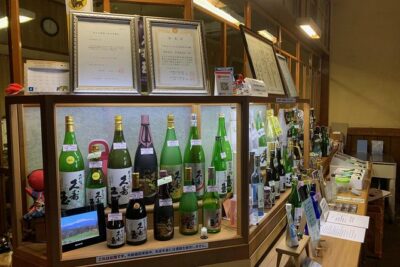
Browse the lists this tour appears in