

Reviewed · SAKE BREWERY TOURS
Kobe: 3-Hour Sake Breweries Tour with Special Tasting
Kobe’s Nada Gogo district is one of Japan’s best places to understand sake because you are not just tasting a drink, you are seeing how it is made. This three-hour tour links three breweries with very different approaches, from preserved old methods to modern production, and turns a short walk into a useful lesson in Japanese food culture.
I like two things in particular: the tastings let you compare sake instead of judging one bottle in isolation, and the guides add plenty of local character. Chiyuki, Kaito, Max, Atsuko, and Naoke have all led this experience, with guides using humor, Japanese phrases, and clear explanations to bring the subject to life.
The main drawback is the walking. The breweries are visited on foot, and hot weather can make the route tiring. At $94 per person, this is good value if you want context and several tastings, but less so if you only want a quick drink.
Key points to know before you book
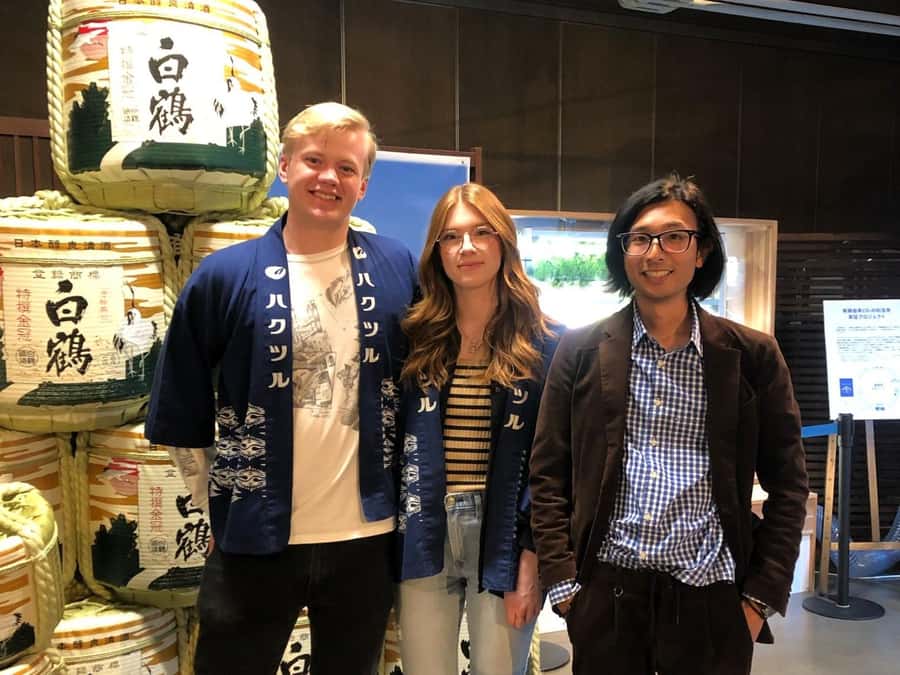
- Three breweries in Nada Gogo: The route introduces you to major names such as Hakutsuru, Kikumasamune, and Hamafukutsuru.
- Tastings are part of the experience: Up to 1,000 yen per brewery is included for sampling sake.
- Rice polishing matters: You learn how removing more of the rice grain changes the style and quality of the finished sake.
- Guides make the difference: Chiyuki, Kaito, Max, Atsuko, and Naoke have been praised for clear teaching, warmth, and good pacing.
- Expect a walking tour: Meet outside the Hanshin Uozaki Station ticket gate and return there at the end.
- Best for curious drinkers: You do not need prior sake knowledge, but you should want more than a simple tasting flight.
Why Nada Gogo is the right place to study sake
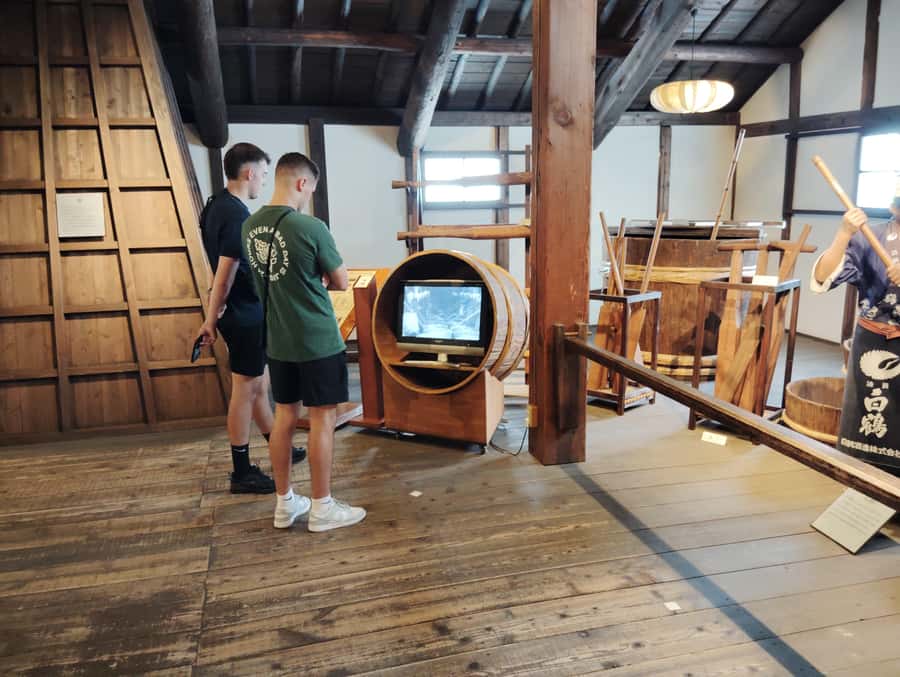
Nada Gogo is a major sake-producing area in Japan, and the tour uses that setting well. Instead of placing sake in a generic bar, it takes you into a district where breweries have shaped local work and culture for generations.
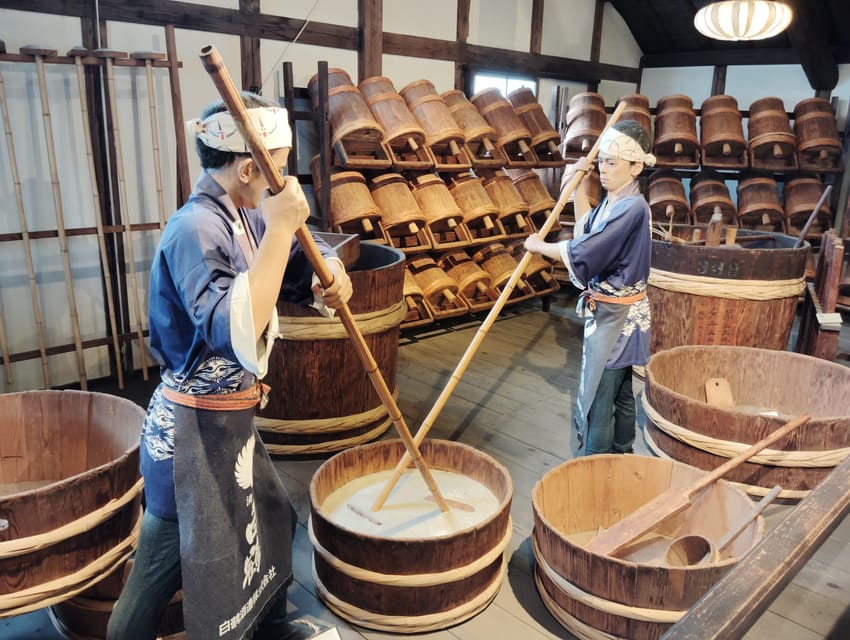
The focus is practical. You learn about the rice used for sake, how much of each grain is polished away, and how fermentation gives each bottle its character. Those details matter because sake can look deceptively simple. A few small changes in the rice or brewing process can produce a very different drink.
I especially like the comparison between old and new methods. Traditional brewing equipment and age-old techniques appear alongside modern systems, so you can see that sake production is not frozen in the past. The point is not to declare one method better. It is to show how brewers protect established practices while using newer tools to control quality.
The setting also gives the lesson a sense of place. Nada Gogo is not just a name attached to a tasting menu. It is the reason the tour feels connected to Japanese brewing culture rather than being a short introduction designed only for tourists.
More Sake Brewery Tours in Japan:
- 3-Hour Kyoto Insider Sake Brewery Tour with Tastings & Pairings
★ 5.0 · 917 reviews - Kyoto: Insider Sake Brewery Tour with Sake and Food Pairing
★ 5.0 · 704 reviews - Kyoto Sake Brewery & Tasting Walking Tour
★ 5.0 · 623 reviews
Meeting your guide at Hanshin Uozaki Station
The tour begins in front of the ticket gate at Hanshin Uozaki Station. Look for the guide holding the yellow DeepExperience sign. This is a useful meeting point because you do not need to search for a brewery entrance or navigate an unfamiliar industrial area on your own.
The tour ends back at the same station, which makes planning easier. You can leave your afternoon open without figuring out a different return point.
Guides speak English or Japanese. The personalities can vary, but the strongest part of this experience is the human connection. Kaito has used small note cards to teach Japanese sayings and local history. Chiyuki has explained technical brewing points in clear terms and adjusted her pace to the group. Atsuko kept the mood light during a very hot walk, even buying ice cream for the group. These small details tell you what kind of tour this is: personal, flexible, and shaped by the guide in front of you.
Because the tour lasts three hours, arrive ready to walk and listen. This is not a large coach excursion where you are moved from door to door.
The first brewery: begin with the sake-making basics
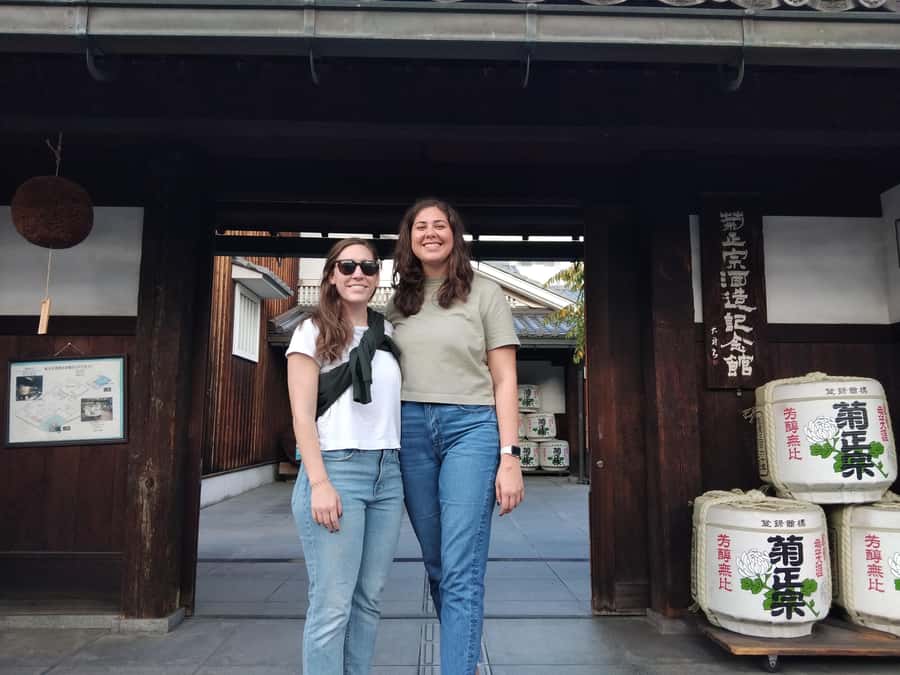
The first stop gives you the foundation for the rest of the route. You learn how rice becomes sake and why the process is more exacting than its short ingredient list suggests.
Rice selection comes first. The grain is polished to remove outer layers that can affect the final flavor. The degree of polishing helps define the type of sake, and it gives you a useful way to understand price and quality without relying only on labels.
From there, the guide explains fermentation. Sake is not simply rice left to ferment on its own. The brewing process depends on careful timing and controlled conditions. You may see equipment connected with older production methods, as well as modern systems used to keep the process consistent.
This opening stop matters because it gives you a vocabulary for the tastings later. Instead of hearing that one sake is light or refined and taking the description on faith, you have some idea why the brewer made it that way.
The exact order of the breweries can vary, but Kikumasamune has been part of the route. It is one of the established names associated with Nada Gogo, making it a useful place to connect local brewing history with present-day production.
Comparing traditional and modern brewing
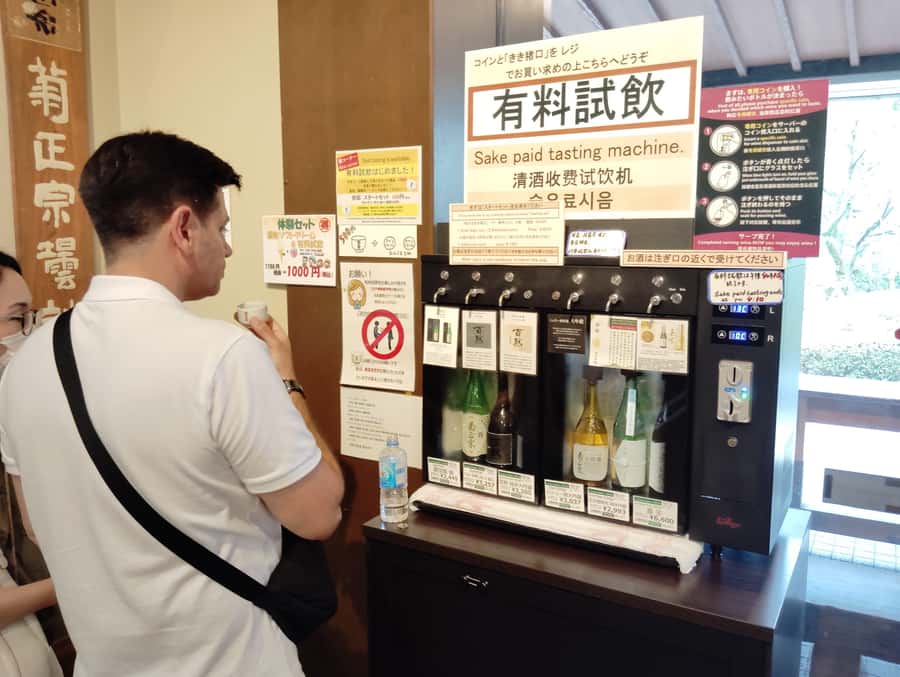
The middle portion of the tour shows why visiting several breweries is more useful than stopping at only one. Each producer has its own methods and character, even when working within the same regional tradition.
At one brewery, the emphasis may be on older tools and techniques. At another, modern machinery may show how brewers manage scale and consistency. The contrast helps you see that tradition is not one fixed recipe. It can include handwork, established knowledge, and carefully managed technology.
Hakutsuru is one of the major breweries included in the experience described by the tour. Its size gives the route a different feel from a smaller local producer. You get a chance to consider how sake is made for a broad market while remaining tied to Nada Gogo’s brewing identity.
Hamafukutsuru has also been part of the route. This adds another useful contrast, since smaller local producers may offer bottles that are harder to find in ordinary shops. If you enjoy trying drinks that do not appear on every international shelf, pay close attention here.
You should not expect every stop to feel like a quiet museum. Some brewery visits may focus on displays, explanations, and tastings rather than active production. The appeal is the range of information and flavors, not a guarantee that you will watch every stage happening in real time.
More Sake Tastings in Japan:
- 1.5-Hour Kyoto Insider Sake Experience with 7 Tastings & Pairings
★ 5.0 · 297 reviews - Sake Tasting Masterclass in Shinjuku (8+ Varieties with a Pro)
★ 5.0 · 271 reviews - Kyoto: Insider Sake Experience with 7 Tastings and Snacks
★ 5.0 · 266 reviews - Sake Omakase in Tokyo: Guided Tasting by Certified Sommeliers
★ 5.0 · 239 reviews
What the tastings actually add
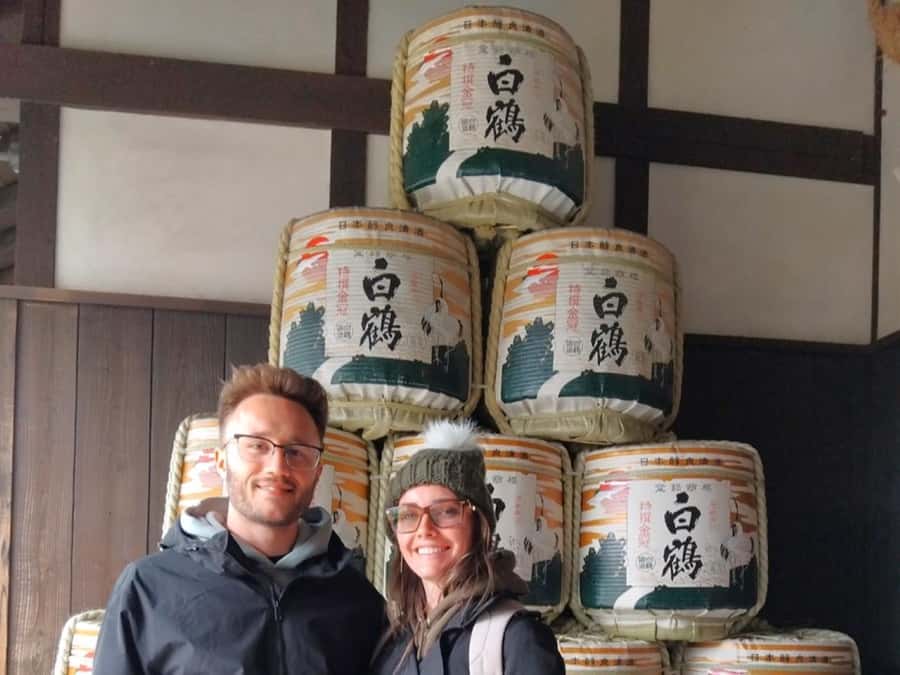
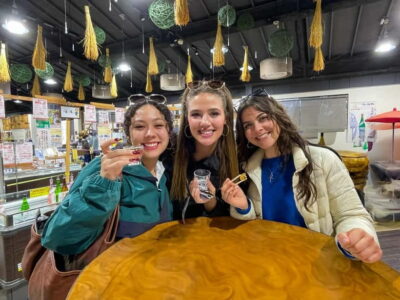
The tastings are the reason this tour feels like more than a history lesson. Up to 1,000 yen per brewery is included for tasting fees, giving you the chance to try several varieties without paying separately at each stop.
You may notice differences in aroma, sweetness, dryness, weight, and finish. The guide helps connect those sensations to the brewing process. This is much more useful than drinking one sake and being told it represents an entire region.
Take small sips and compare rather than rushing. If you find one style too dry or another too delicate, that is useful information. The point is not to like everything. The point is to learn what you like and why.
The tastings also make the rice-polishing lesson easier to remember. Once you have heard how grain treatment affects the final product, you can look for those differences in the glass.
The tour does not present sake as a single drink with one correct way to enjoy it. That is a strength. You are introduced to a range of profiles, and the guide can explain the cultural and technical reasons behind them.
Keep in mind that the experience includes alcohol. The tour is only three hours, but several stops can add up. Drink slowly, eat beforehand, and treat the tastings as samples rather than a drinking contest.
The guides turn technical details into a good afternoon
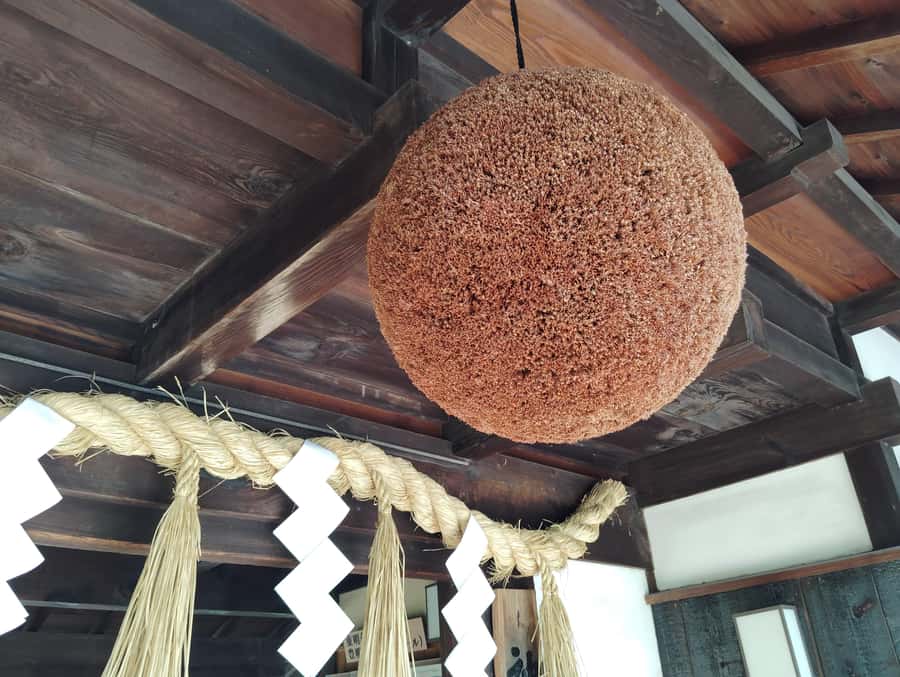
Sake can become a dry subject if the explanation gets buried under brewing terms. The guides help prevent that.
Chiyuki has been particularly effective at balancing technical information with local stories. She can explain rice polishing, brewing history, and the character of each stop without making the tour feel like a lecture. She has also guided groups with younger adults, which suggests the experience works well for mixed-age parties.
Kaito brings a warm, thoughtful touch. His use of note cards and Japanese expressions gives you small cultural details you can carry into the rest of your Japan trip. His kindness toward a family dealing with an ill daughter also shows the sort of personal attention that can make a short tour feel special.
Max has focused on sake history in a friendly and direct way. Naoke has been praised for making the few hours both fun and informative, while Atsuko has kept the mood upbeat during difficult heat.
Guide assignments can change, so you should not book on the assumption that one named person will lead your tour. Still, the pattern is clear: the guide is central to the experience. Three breweries alone would not offer the same value without someone explaining what you are seeing and tasting.
Walking between breweries, and handling the heat
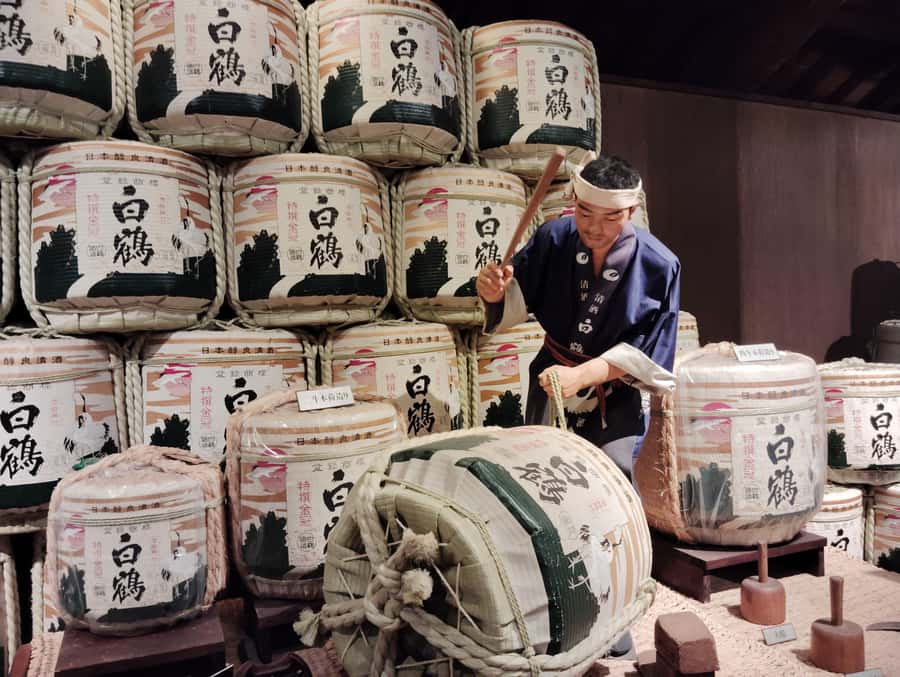
The tour is a walking route, not a series of indoor tastings connected by private transport. That gives you a better sense of the Nada Gogo district, but it also creates the main practical concern.
A walk between breweries is pleasant when the weather cooperates. In midsummer, it can be hard work. One group faced temperatures of 37°C, and the route became an ordeal despite the guide’s efforts to keep everyone comfortable.
Wear comfortable shoes and bring water. Light clothing and sun protection will help on hot days. The tour operator includes tasting fees, but personal drinks, food, and weather protection are not listed as inclusions.
The guide may adjust the pace to suit the group, but you should still be comfortable walking for much of the three hours. Anyone with limited walking stamina should consider the season and forecast before booking.
The route ending at the starting station is a real convenience. You do not have to solve a transport puzzle while carrying bottles or managing the effects of the tastings.
Is $94 a fair price?
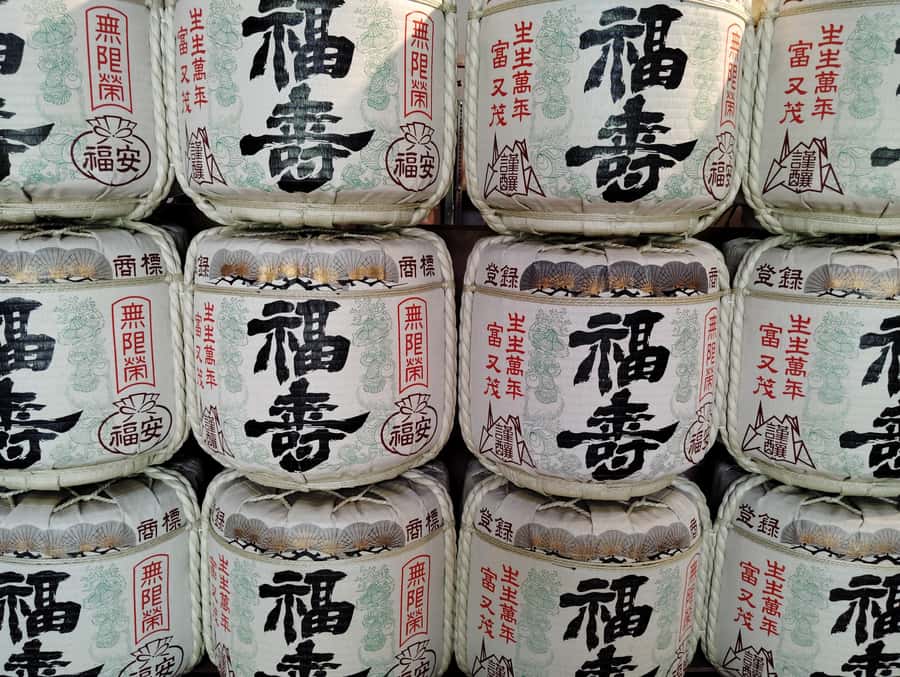
At $94 per person, this is not the cheapest way to sample sake in Kobe. You could buy a bottle or visit a single brewery independently for less. The value comes from the combination of access, explanation, and comparison.
You are paying for a three-hour guided route, visits to three breweries, English or Japanese-language support, and tasting fees of up to 1,000 yen per brewery. If you tried to recreate the same afternoon, you would also need to research the area, work out the route, and identify which brewery displays or tastings are available.
The price makes more sense if you are new to sake. A guide helps you understand what you are drinking instead of leaving you to guess from labels. It is also a good choice if you want cultural context alongside alcohol.
The value is weaker if you already know Nada Gogo well or only want to purchase a particular bottle. The walking time and fixed schedule may feel unnecessary for an experienced sake enthusiast who prefers independent tasting.
The 4.4 rating from 25 ratings suggests a strong overall response, while the detailed feedback points to the guides as the main source of value. I would book this for the teaching and access, not simply for the quantity of sake.
Who should book this Nada Gogo tour?
This tour suits you if you like food history, regional drinks, and guided cultural experiences. It is also a good fit for couples, families with adult children, and solo visitors who want a social way to explore Kobe’s sake district.
You do not need to be a sake expert. In fact, beginners may gain the most because the guide explains the basic terms and shows how to taste with purpose.
It is less suitable for anyone who dislikes alcohol, struggles with walking, or wants a purely hands-on production visit. The tour is educational and tasting-focused, not a workshop where you make sake yourself.
It can also work well for people who have visited Japan before and want something beyond the usual city sights. Nada Gogo offers a look at a working regional tradition, and the breweries provide a different pace from Kobe’s central shopping and dining areas.
Book it if you want context with your sake
I would book this tour if you want to understand why sake tastes different from bottle to bottle and how Nada Gogo became such an important brewing area. The three-brewery format, included tastings, and strong guide personalities give you more than a single tasting counter can offer.
Choose another plan if you want a short, seated activity or if you are visiting during extreme heat and do not enjoy walking. For everyone else, the tour offers a well-priced introduction to Kobe’s sake culture, with enough technical detail to be useful and enough human warmth to keep the afternoon enjoyable.
FAQ
How long is the Kobe sake breweries tour?
The tour lasts three hours.
Where does the tour begin?
Meet your guide in front of the Hanshin Uozaki Station ticket gate.
How will I recognize the guide?
The guide will be holding a yellow sign with the DeepExperience logo.
Where does the tour finish?
The activity ends back at the meeting point at Hanshin Uozaki Station.
How many breweries will I visit?
The tour visits three breweries in the Nada Gogo area.
Which breweries may be included?
Breweries associated with the experience include Hakutsuru, Kikumasamune, and Hamafukutsuru.
Are tasting fees included?
Yes. Up to 1,000 yen per brewery is included for tasting fees.
What languages are available?
The tour is offered in English and Japanese.
Do I need previous sake experience?
No previous sake knowledge is stated as a requirement. The tour explains sake production, rice polishing, fermentation, history, and local traditions.
Can I cancel for a full refund?
You can cancel up to 24 hours in advance for a full refund.
More Three-Hour Sake Sessions in Japan
- 3 Hours Kyoto Insider Sake Experience | Tasting Konteki
★ 5.0 · 24 reviews
Newly added around Japan
- Nara: Sake Tasting Tour at the Birthplace of Japanese Sake★ 4.9 · 8 reviews
- Sake “Omakase” in Osaka : Guided Tasting by a Active Sake brewer★ 5.0 · 11 reviews
- Special Food and Sake Factory Tour in Takayama★ 5.0 · 11 reviews
- EXPERIENCE TAKAYAMA & LOCAL SAKE TASTING with explanation 1 HOUR!★ 4.5 · 12 reviews
- 7 Kinds of Sake Tasting with Complementary Foods★ 5.0 · 11 reviews
- Japanese Sake Tasting & Wagyu Sukiyaki Cooking Class in Tokyo★ 5.0 · 10 reviews
- Tokyo Sake Tour with a Local Guide, Private & Tailored to Your Taste★ 4.0 · 12 reviews
- Kobe: Sake Brewery Tour with Tasting and Kobe Beef Bites★ 5.0 · 11 reviews
Sake Brewery Tours, compared.

3-Hour Kyoto Insider Sake Brewery Tour with Tastings & Pairings
Read our review →
Insider Sake Brewery Tour with Sake and Food Pairing
Read our review →
KOBE Sake Tasting Tour at Breweries (tasting fee included)
Read our review →
Hiroshima Saijo Sake Tasting Tour with visit to 7 Breweries
Read our review →
Private Sake Brewery Visit and Tasting Tour in Hida
Read our review →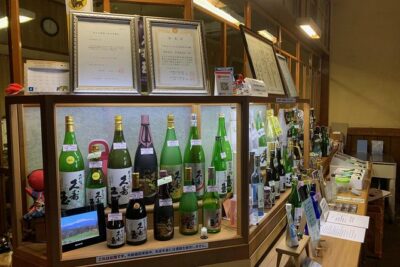
Browse the lists this tour appears in