
Reviewed · TOURS
Fukuoka: Hakata Sake and Gastronomic Delicacies Tour
Hakata’s best food story starts with geography. Ports, farms, a major station, and an airport put fresh seafood and farm goods close to the city’s restaurants. This 90-minute tour turns that story into two food-and-sake stops, with a guide explaining how Hakata became one of Japan’s great dining cities.
I like the direct connection between the city and its ingredients, and I like the small, private-group format. You get more room for questions than on a large coach tour. The main drawback is the language setup: the tour is conducted in Japanese, even though English and Japanese are listed as available languages, so you should confirm how much English guidance you can expect before booking.
Key points to know before booking
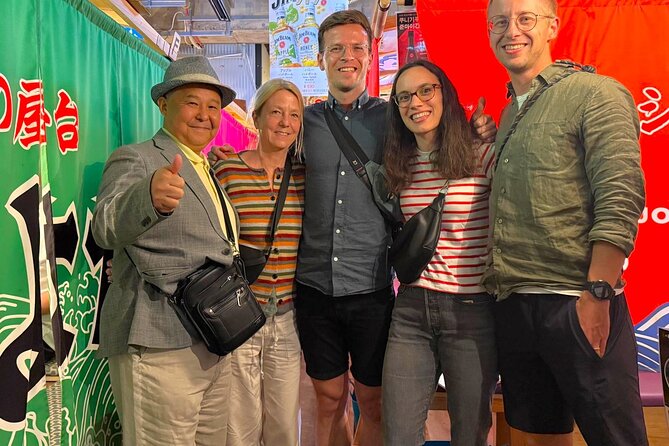
- Two local establishments: The tour includes visits to two places serving sake and gastronomic specialties, not a long list of rushed tastings.
- Hakata Station meeting point: Meet in front of the Hakata Station Information Center, where your guide holds a yellow DeepExperience sign.
- A food tour with context: You learn how Hakata’s ports, fields, transport links, and fresh ingredients shaped its restaurant culture.
- Private-group format: The experience is designed for a private group, which can make conversation and questions easier.
- Japanese-led experience: The tour is conducted in Japanese, with English and Japanese listed among the available languages. Clarify this point if you need detailed English commentary.
- Flexible booking: You can cancel up to 24 hours ahead for a full refund and reserve now while paying later.
Why Hakata is such a good place for a food tour
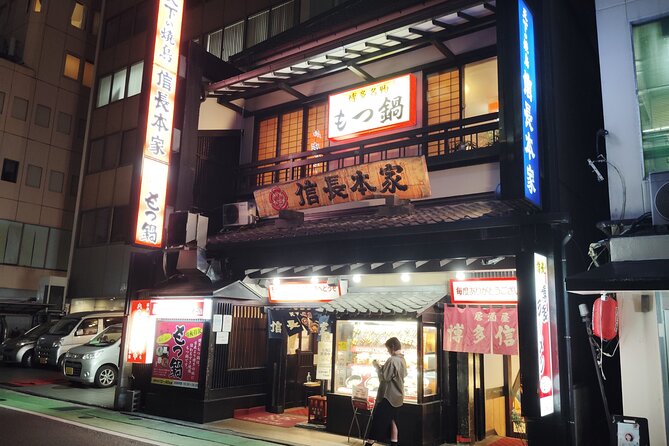
Fukuoka Prefecture is known for food, but Hakata gives you a particularly useful setting for understanding why. The city is close to both the sea and productive farmland. That short supply route helps restaurants work with fresh agricultural and marine products rather than relying only on goods shipped from far away.
Hakata also has unusually strong transport links. The bullet train terminal, airport, and road network bring people and products into the city with ease. For you, this means the tour is not simply about tasting dishes. It explains how location and transport helped shape what appears on local menus.
That kind of context is useful because food in Japan can look simple on the plate. A small dish may reflect the season, the nearby sea, the produce available in the surrounding fields, and the drinking culture of the neighborhood. Your guide connects those pieces while you eat and drink.
The experience focuses on Fukuoka and Hakata, rather than trying to cover all of Kyushu. That narrow focus is a strength. In 90 minutes, you get a compact introduction to one city’s food habits without spending half the tour in transit.
More Sake Tours in Japan:
- 1-Day Snow Monkeys, Zenko-ji Temple & Sake in Nagano
★ 5.0 · 1,020 reviews - 3-Hour Kyoto Insider Sake Brewery Tour with Tastings & Pairings
★ 5.0 · 917 reviews - Nagano: Snow Monkeys, Zenkoji Temple & Sake Day Trip
★ 4.9 · 833 reviews
Starting at Hakata Station
Your meeting point is in front of the Hakata Station Information Center. Look for the guide holding the yellow DeepExperience sign. This is a practical place to begin because Hakata Station is the city’s main transport hub, but it is also a large, active station area, so allow enough time to find the information center.
The tour begins on foot with your guide and private group. Transportation to and from the activity is not included, so you are responsible for reaching the station and returning to your hotel or next stop. Since the tour starts and ends at the same place, it is easy to fit into a day of sightseeing around Hakata.
Wear comfortable shoes. The time is short, but you will be moving through the station area and Hakata Ward rather than sitting in one place for the whole experience. Bring water and a camera if you want to remember the food, shops, or city scenes along the way.
The guide is the key to the experience. The booking information lists English and Japanese, while also explaining that the tour is conducted in Japanese. That wording deserves attention. If you speak Japanese, the format should be straightforward. If you do not, contact the provider before booking and ask how the English element works during the walk, explanations, and tastings.
One booking specifically thanks Morry for making the food and conversation enjoyable. Since guide assignments can change, you should not assume Morry will lead every departure. Still, the mention gives you a sense of the intended tone: food, conversation, and city background rather than a silent sequence of restaurant visits.
The first tasting: seeing Hakata through local food
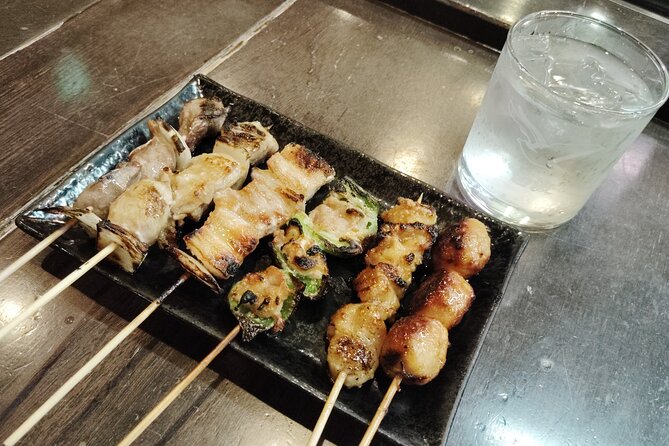
The first establishment gives the tour its practical shape. You stop to sample local delicacies and sake, while the guide explains the role of food in Hakata’s culture. The exact dishes and sake selections are not specified, so you should not book this expecting a fixed menu or a particular famous specialty.
That uncertainty can be a plus if you want a flexible introduction. Local ingredients change, and a food tour that works with what is available may show you something more connected to the day’s supply. Fresh agricultural and marine products are central to the experience, so the emphasis is on ingredients and local food culture rather than on a single signature dish.
The guide’s explanation matters here. You might already know that Fukuoka is a food city, but the tour gives you a reason why. Hakata’s access to the sea and nearby farmland lets restaurants use ingredients that can reach the city center quickly. Your tasting becomes a small demonstration of that connection.
Sake adds another layer. This is not presented as a technical brewery visit or a full sake class. Instead, sake appears alongside local food at the establishments you visit. That makes the experience suited to people who want to understand how sake fits into a meal and a social setting.
You should also keep your expectations realistic. A 90-minute tour with two stops is a short introduction, not a full meal crawl. The supplied details do not state the amount of food or drink included, so plan to enjoy samples rather than assume dinner is covered. If you have a large appetite, leave room in your schedule for another meal.
The second establishment and the value of comparison
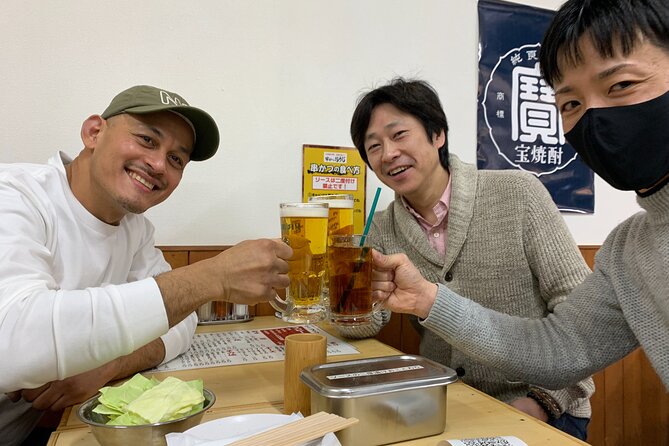
The second stop lets you compare two different settings for Hakata food and sake. The experience does not identify the businesses by name or describe a fixed order of dishes, so the most useful comparison will come from your guide’s comments and the way each establishment presents its food.
Two stops are enough to give the tour variety without turning it into a race. A longer list of venues might sound attractive, but short visits can leave you with little sense of place. Here, you have time to listen, taste, and ask questions within the 90-minute limit.
I especially like this structure for a first visit to Fukuoka. You get an introduction to food customs and local ingredients, then you can use that information later when choosing your own restaurants. Pay attention to the ingredients your guide highlights and to the kinds of sake served with them. Those details can help you order with more confidence after the tour ends.
The tour returns to the Hakata Station Information Center. That makes the final stop convenient for continuing your day, but it also means the experience remains centered on the station and Hakata Ward. You should not expect a broad tour of all Fukuoka’s neighborhoods or a full survey of the city’s restaurant districts.
Same corner of Japan, a different pour:
- Kyoto: Insider Sake Brewery Tour with Sake and Food Pairing
★ 5.0 · 704 reviews - Kyoto Sake Brewery & Tasting Walking Tour
★ 5.0 · 623 reviews - Düsseldorf: Sushi, Sake & Japanese Lifestyle Tour
★ 4.6 · 539 reviews - 1.5-Hour Kyoto Insider Sake Experience with 7 Tastings & Pairings
★ 5.0 · 297 reviews
What the 90-minute schedule means for you
Ninety minutes is a sensible length for a food introduction. It is long enough for a guided walk, two establishments, tastings, and city background, but short enough to fit before a train, after arrival, or between other plans.
The compact schedule also limits the risk of food fatigue. You are not committing to a half-day food crawl with several large servings. Instead, you get a focused look at Hakata’s culinary culture, with the chance to decide what else you want to try on your own.
The tradeoff is that the pace may feel brisk. Two establishments, explanations, and travel between stops leave limited time for lingering. If you prefer long meals, detailed sake instruction, or several full portions, this tour may feel too brief. If you want a clear first orientation, the timing works well.
A private group can improve the experience. You can ask about ingredients, drinking customs, or the city’s food traditions without competing with a large crowd. The actual group size is not specified, so do not assume it means a one-on-one tour. It does mean the format is private rather than an open public group departure.
The language question deserves attention
The tour information presents English and Japanese as available languages, but it also says the tour is conducted in Japanese. That is the one point I would clarify before paying. If you understand Japanese, there is no obvious concern. If you rely on English, ask whether the guide provides full English commentary or only selected explanations.
This matters because the value is not just in the food. The tour promises information about Hakata’s city history, culinary traditions, transport links, and use of marine and agricultural products. Missing much of the explanation would reduce the experience to two tastings.
The guide’s personality may also shape the tour. A booking note praises Morry for creating an enjoyable food and conversation experience, but guide availability is not guaranteed. You can reasonably expect a social format, yet you should not build your decision around one named guide unless the provider confirms the assignment.
Food allergies and dietary restrictions should be reported in advance. The tour involves more than one food establishment, and the exact dishes are not specified. Early notice gives the provider a chance to explain what can or cannot be accommodated. Do not wait until the first stop to raise a serious allergy.
Smoking is not allowed during the activity. Comfortable shoes, water, and a camera are the listed items to bring.
Is $86 a fair price?
At $86 per person, this is not a cheap snack stop. The price pays for a 90-minute guided experience, visits to two gastronomic establishments, food and sake tastings, and a private-group format. It also pays for the guide’s interpretation of Hakata’s food culture, which is the part you cannot get by simply walking into a restaurant alone.
The value is strongest if you are new to Fukuoka and want help getting oriented. A good guide can explain what you are eating, why the ingredients matter, and how the city’s location affects its food. That can save you from choosing randomly at the station or missing the connection between local products and local dining.
The value is weaker if you mainly want a large meal. The included amount of food and drink is not stated, and the tour lasts only 90 minutes. Think of it as a guided tasting and cultural introduction, not a replacement for lunch or dinner.
Private format also matters when you are traveling as a couple, family, or small party. You may appreciate the freedom to ask questions and keep the pace more personal. Solo visitors should check how the private-group arrangement works for their booking, since the supplied details do not explain minimum group size or solo pricing.
Free cancellation up to 24 hours in advance and the option to reserve now and pay later reduce some booking risk. Those policies are useful if your Kyushu plans are still moving around, though you should still check the exact terms at checkout.
Who should book this Hakata experience?
I would recommend it to first-time visitors who want an easy introduction to Fukuoka’s food culture. It also suits people who enjoy sake, local ingredients, and short guided experiences with a strong sense of place.
It is a good fit if you are arriving by train or flying into Fukuoka and want to start near Hakata Station. The central meeting point and return make the tour simple to add to a busy itinerary.
Food-focused visitors who want restaurant ideas may also get good value from the explanations. Listen closely to the guide, then use the rest of your stay to explore further. The tour gives you a starting point rather than claiming to cover every famous dish in Fukuoka.
I would be more cautious if you need guaranteed detailed English commentary. Confirm that before booking. I would also choose a longer food tour if your main goal is a full meal, several generous portions, or a deep study of sake production.
Should you book the Hakata sake and food tour?
Book it if you want a short, guided introduction to the food culture of Hakata and appreciate the connection between local geography, fresh ingredients, sake, and restaurants. Two establishments give the experience enough variety while keeping the schedule manageable.
Before booking, confirm the language arrangement and ask about allergy or dietary needs. At $86, the tour makes the most sense for you if the guide’s explanations and private format matter as much as the tastings. If you want a filling meal or a fixed list of famous dishes, spend that money at a restaurant instead. If you want to get your bearings through food, this is a practical first taste of Hakata.
FAQ
Where does the tour meet?
Meet in front of the Hakata Station Information Center. The guide will hold the yellow DeepExperience sign.
How long does the tour last?
The tour lasts 90 minutes, or 1.5 hours.
Where does the tour finish?
It returns to the Hakata Station Information Center in Fukuoka.
How many establishments do you visit?
The tour includes visits to two establishments serving sake and gastronomic delicacies.
Is transportation included?
No. Transportation to and from the activity is not included.
What languages are available?
English and Japanese are listed as available guide languages. The information also says the tour is conducted in Japanese, so confirm the English guidance arrangement before booking if needed.
Can I mention food allergies or dietary restrictions?
Yes. You should inform the provider about allergies or dietary restrictions in advance because the tour includes tastings at food establishments.
Can I cancel for a full refund?
You can cancel up to 24 hours in advance for a full refund. The activity also offers a reserve-now, pay-later option.
Newly added around Japan
- Wagyu BBQ & Sukiyaki with Sake Pairing Experience near Ginza★ 5.0 · 2 reviews
- Tokyo Sake Tasting Tour with a Sake Expert★ 5.0 · 7 reviews
- Sake Tasting and Cherry Blossom Fun in Tokyo!★ 5.0 · 4 reviews
- Private Sake Tasting at 300 Years Old Sake Brewery in Tokyo★ 5.0 · 3 reviews
- Tokyo: Serene Sakura & Sake: An Exclusive Brewery Pairing Lunch★ 5.0 · 2 reviews
- Sake Pairing Workshop with Japanese Food in Shinjuku★ 5.0 · 5 reviews
- Nagano: Snow Monkey and Zenkoji Temple Free Sake Taste Day Tour★ 4.5 · 8 reviews
- Japanese Sake Tasting and Masu Crafting Experience in Tokyo★ 5.0 · 9 reviews
Tours, compared.

3-Hour Kyoto Insider Sake Brewery Tour with Tastings & Pairings
Read our review →
Insider Sake Brewery Tour with Sake and Food Pairing
Read our review →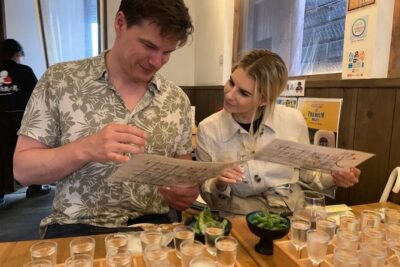
Düsseldorf: Sushi, Sake & Japanese Lifestyle Tour
Read our review →
KOBE Sake Tasting Tour at Breweries (tasting fee included)
Read our review →
Hiroshima Saijo Sake Tasting Tour with visit to 7 Breweries
Read our review →
Outer Market Walking Tour & Sake Tasting Experience
Read our review →
Private Nagano 1-Day Tour:Snow Monkeys,Zenko-ji,Obuse,Sake,Onsen
Read our review →Browse the lists this tour appears in