
Reviewed · SAKE BREWERY TOURS
Kyoto Sake Brewery & Tasting Walking Tour
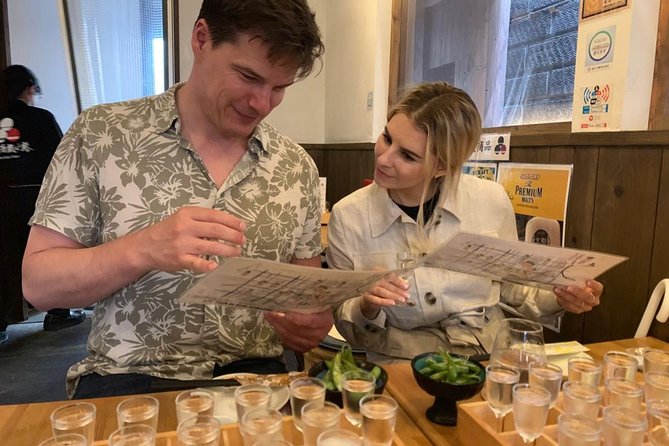
Kyoto’s Fushimi district is a fine place to learn sake because the drink is part of the neighborhood, not just a sample poured behind a counter. This small-group walk pairs the Gekkeikan Okura Sake Museum with a tasting of up to 18 Kyoto sakes, giving you both the basics and plenty of practice.
I like the personal scale, with no more than seven people, and I like the guides’ friendly, useful help. Matt, Rika, Ayu, Kumi, and Yukari have all been praised for clear explanations and good local advice. The main drawback is that the tasting can feel like a lot of sake at once, and the brewery visit may feature a major international brand rather than small producers found only in Kyoto.
Key points at a glance
- Up to 18 sake samples: The included tasting is generous, though the exact number can vary by visit.
- Gekkeikan Okura Sake Museum: See traditional tools and learn how rice becomes sake.
- Small groups of seven or fewer: This gives you time to ask questions and speak with your guide.
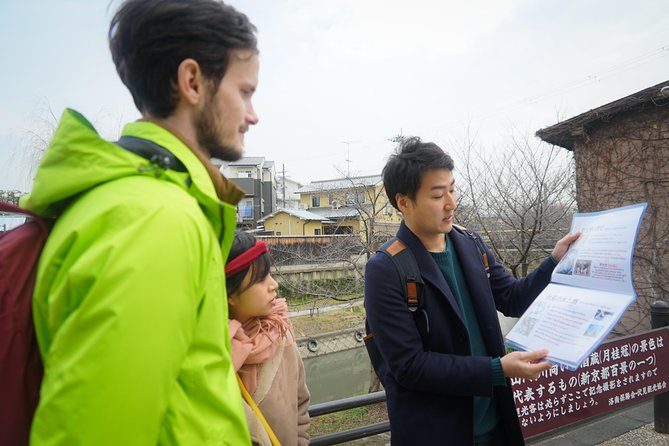
- Fushimi on foot: The route includes the area around Teradaya, Kappa Gallery, and the local brewery district.
- Food is separate: You can buy food and extra drinks at the tasting stop.
- Good value for sake beginners: The museum gives you a useful foundation before the tasting begins.
Why Fushimi is the right place to learn sake
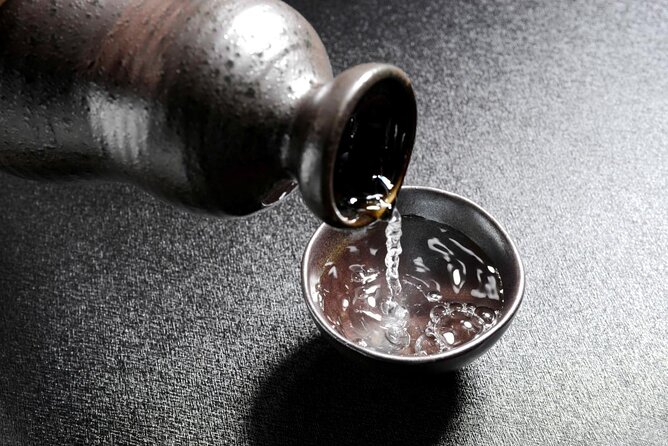
Fushimi is one of Kyoto’s best-known sake districts, and this tour makes good use of that setting. You meet at Chushojima Station, then walk through an area associated with breweries, canals, old streets, and local history before finishing near Fushimi-Momoyama Station.
I like this arrangement because the tour does not treat sake as an isolated drink. You get a look at the district where sake production has long mattered, then see the tools and methods behind it, and finally compare many styles in a relaxed setting.
The route also passes Teradaya, a famous site connected with Sakamoto Ryoma and the Teradaya Disturbance near the end of the Edo period. This is a pass-by stop rather than a full historical visit, so do not expect a lengthy tour of the building. Still, it adds a useful bit of context to your walk through Fushimi.
The experience lasts about three hours. That is enough time for a solid introduction without using an entire afternoon, though the tasting itself can make the hours feel full. You will be walking between stops, so comfortable shoes and a steady pace matter.
More Sake Brewery Tours in Kyoto:
- 3-Hour Kyoto Insider Sake Brewery Tour with Tastings & Pairings
★ 5.0 · 917 reviews - Kyoto: Insider Sake Brewery Tour with Sake and Food Pairing
★ 5.0 · 704 reviews - Kyoto: Sake Brewery and Tasting Tour in Fushimi
★ 4.8 · 55 reviews
Starting at Chushojima Station
The meeting point is Chushojima Station in Fushimi Ward. The route ends at Fushimi-Momoyama Station, so you do not need to return to the starting point.
That point-to-point plan is handy if you want to continue exploring Fushimi afterward. It also means you should arrive ready to walk rather than expecting a seated tasting from the beginning. The tour is near public transportation, and confirmation is provided when you book.
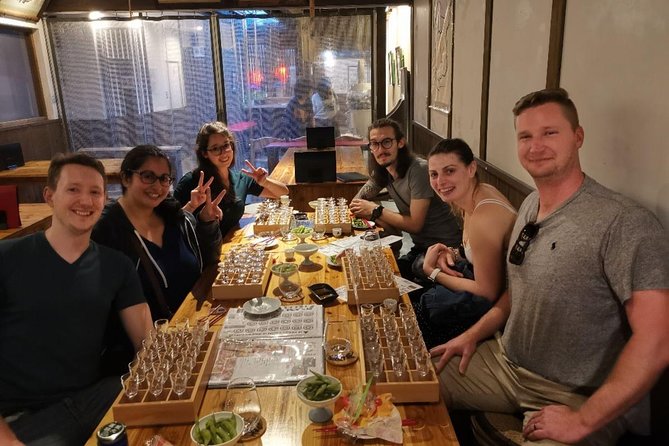
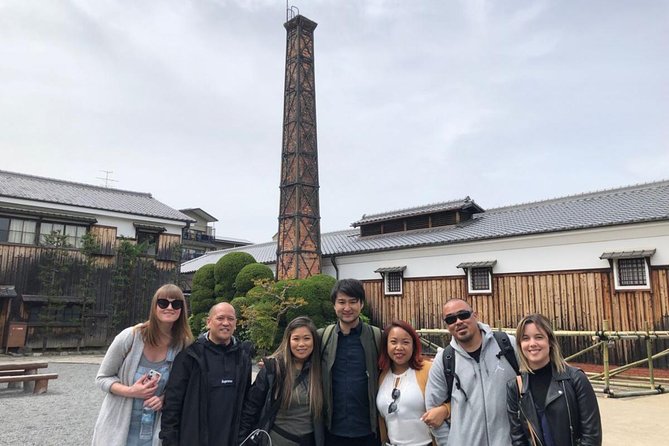
With a maximum of seven participants, the guide can usually keep the group together without much fuss. A small group also helps at the museum and tasting stop, where questions about flavor, brewing, or Japanese drinking customs are easier to handle.
You should allow extra care in summer. Kyoto can be hot and humid, and the tour includes outdoor walking plus alcohol. Bring water and wear a hat. The experience is not recommended for people with mobility problems, although you can contact the operator to ask about arranging a private version.
Inside the Gekkeikan Okura Sake Museum
The Gekkeikan Okura Sake Museum is the tour’s main classroom. Your admission is included, and you spend about 30 minutes looking at exhibits that explain Gekkeikan’s background and the traditional sake-making process.
You will see the tools and displays used to explain how sake was produced, along with information about the brewery’s long connection to Fushimi. The museum helps put the tasting in order. Instead of simply hearing that one sake is sweet and another is dry, you first get an idea of the work behind the bottle.
The museum is especially useful if you know little about sake. Rice polishing, fermentation, brewing methods, and the role of water can otherwise sound like a jumble of unfamiliar terms. A guide such as Matt or Kumi can help turn the displays into a straightforward story and answer questions as they come up.
I would not expect a full working-brewery tour. The museum is designed around exhibits and interpretation, so the focus is on understanding the process rather than watching every stage of production in action. One visitor felt the museum portion could have been shorter, but most of the value comes from having this introduction before the tasting begins.
The attached brand is Gekkeikan, a major Kyoto producer with an international presence. That is useful if you want to understand a familiar name, but it may disappoint you if you expect several small breweries that sell only in Kyoto. The tour gives you a good foundation, but it is not built as a survey of tiny independent producers.
A brief pause at Teradaya
As you continue through Fushimi, the route passes Teradaya. The site is linked to Sakamoto Ryoma, a major figure in the final years of the Edo period, and to the Teradaya Disturbance.
This stop is brief, but it breaks up the sake discussion with a piece of local history. I like that balance. Fushimi is not just a production district, and the walk gives you a little sense of the political and cultural stories attached to the area.
Keep your expectations in check. The provided schedule describes Teradaya as a pass-by stop, not an included interior visit. If this historical site is a priority, you will need to plan separate time to explore it.
More Sake Tastings in Kyoto:
- 1.5-Hour Kyoto Insider Sake Experience with 7 Tastings & Pairings
★ 5.0 · 297 reviews - Kyoto: Insider Sake Experience with 7 Tastings and Snacks
★ 5.0 · 266 reviews - Private Tea Ceremony and Sake Tasting in Kyoto Samurai House
★ 5.0 · 163 reviews - Advanced Kyoto Insider Sake Tasting Experience
★ 5.0 · 44 reviews
Kappa Gallery and the traditional side of sake
The itinerary includes about 30 minutes at Kappa Gallery. The museum is devoted to the kappa, a familiar creature in Japanese folklore, and also provides another chance to learn about sake production.
This is an unusual pairing. The gallery adds a bit of local character and gives the walk a lighter pause between the more direct brewing instruction and the main tasting. It is not simply another row of bottles and labels.
The exact flow can vary. Some accounts of the experience describe three locations, including a shop or market-style stop, while the stated route names the Gekkeikan Okura Sake Museum and Kappa Gallery. You should think of the tour as a guided Fushimi walk with museum visits and a substantial tasting, not as a fixed tour of several active breweries.
That distinction matters if you are booking because you want to stand inside multiple production facilities. You may see a well-known Kyoto brewery and learn about local sake, but the itinerary does not promise several separate brewery tours.
The main event: tasting Kyoto sake
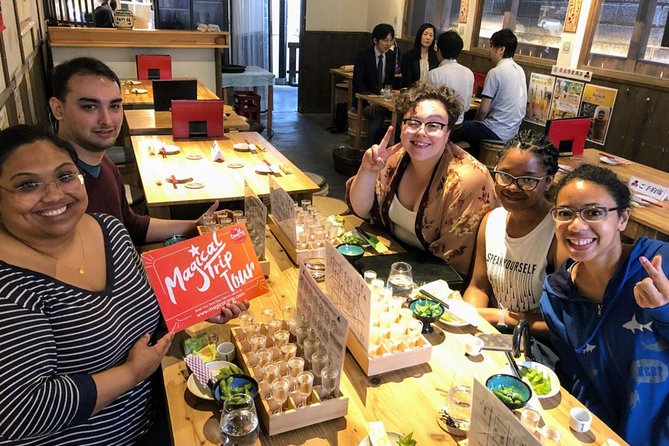
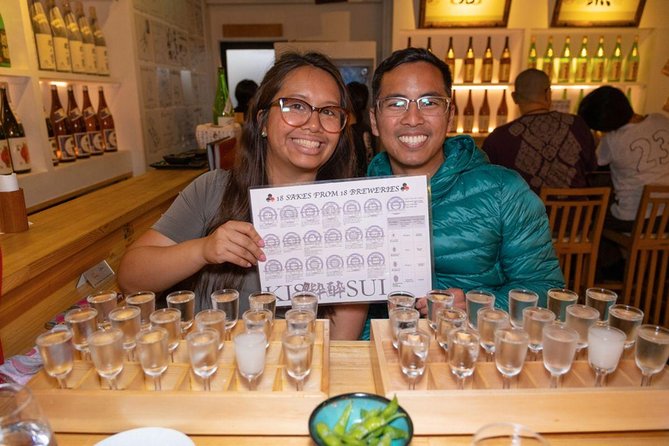
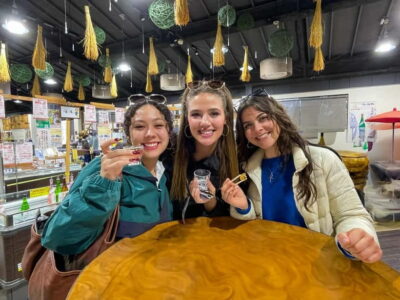
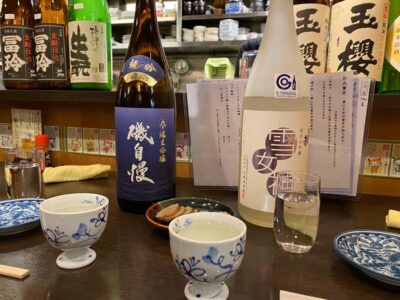
The tasting is held at a local sake restaurant or bar, and the included set lists 18 kinds of sake. The number can vary in practice. Some people have tasted 17, 18, 21, or 22 samples, so you should treat 18 as the useful guide rather than a strict guarantee.
That is a lot of sake for a three-hour tour. The samples let you compare differences in sweetness, dryness, fragrance, body, and finish. You may find a style you like, or discover that the sake you expected to enjoy is not your favorite once you try it beside several others.
The tasting follows the museum, which is the right order. You have already heard the basic production story, so you can pay more attention to what is in the glass. Guides may also suggest favorites and help you sort out which bottles are worth seeking later.
Food is not included, but the tasting stop has food available for purchase. This is important. Sake on an empty stomach can catch up with you, and small dishes make the tasting more comfortable. The food is purchased separately, so budget for it if you want to turn the stop into a light meal.
The setup is not a formal sommelier class. Guide quality affects how much detail you receive about each individual bottle. Several guides have been praised for strong explanations, including Linda, who is a sake sommelier, and Rika, who has been especially appreciated for making the tasting clear without making it feel like homework.
At the same time, one account found the 18 samples overwhelming and wished for more detail on each sake. That is a fair concern. With so many pours, the experience is better for comparing broad styles than for studying every label in depth.
Pace yourself. You do not need to treat every sample as a full drink, and you should drink water along the way. The tour is meant to be enjoyable and educational, not a contest.
What the guides add
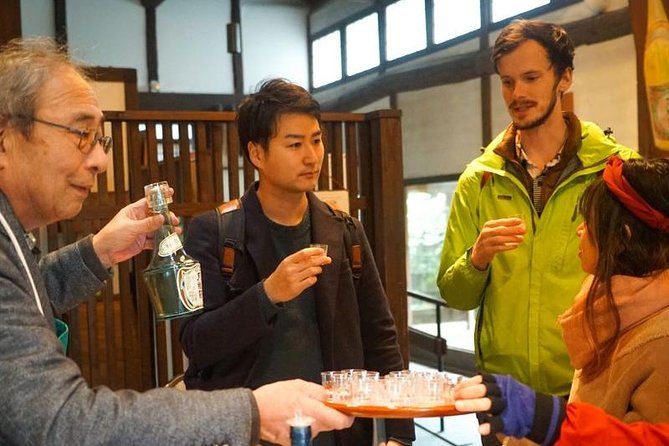
The guide is a major part of the value. Names that appear in the experience include Matt, Rika, Ayu, Kumi, Yukari, Yuka, Karin, Peco, Nobu, Eri, Danny, Linda, and Karie.
You may be paired with someone else, but the pattern is clear: the tour works best when you use the small group to ask questions. Guides have helped with sake recommendations, Japanese culture, nearby sights, restaurant ideas, and directions after the tour. One guide even helped a participant find a particular bottle at a liquor store after the scheduled walk.
Matt has been praised for combining local history with brewing information, while Rika has been appreciated for her friendly, detailed approach. Ayu has been praised for making a large tasting fun and easy to follow. Linda’s sake-sommelier background is an added advantage if you want more technical insight.
The guide also helps with the social side. You are spending several hours tasting alcohol with strangers, so a warm host makes a real difference. The small group of six described by one participant is a good example of the intended scale: large enough for conversation, small enough to stay personal.
Is the $98.82 price fair?
At $98.82 per person, this is not a cheap museum visit. But admission to the Gekkeikan museum, a certified guide, photos, the walking tour, and a large sake tasting are included.
The price makes the most sense if you would otherwise pay for several tastings and want someone to explain what you are drinking. It is also useful if you are new to Kyoto and would rather have the route, museum entry, and local sake stop organized for you.
The value is weaker if your main goal is to visit many small, traditional breweries. The tour includes a major producer with a global distribution network, and you may find some of the sake available outside Japan. That does not make the experience uninteresting, but it changes the reason to book. You are paying for guided context and comparison, not guaranteed access to rare bottles.
The 98 percent recommendation rate and 4.9 rating from 623 reviews suggest strong overall satisfaction, but the occasional poor experience is worth noting. One person reported waiting after the guide failed to appear, then received a refund after contacting support. That appears to be an exception, but it is a reminder to keep your meeting details and support contact handy.
Who should book this tour?
I would recommend it to a first-time sake drinker, a curious couple, or anyone who wants a social afternoon with a clear introduction to Kyoto’s brewing culture. It also suits experienced sake fans who enjoy comparing many styles and want a guide to point out local favorites.
It is less suitable for someone who dislikes alcohol tastings, wants a quiet private lesson, or has trouble walking. It may also frustrate you if you expect every stop to be a working brewery or if you want only sake that cannot be purchased abroad.
People under 20 do not receive the sake tasting set. Instead, they receive food or snacks, so the experience can accommodate younger participants, but it is clearly designed around adult sake tasting.
Dietary needs require advance caution. The food comes from kitchens outside the tour operator’s control, and allergy-free preparation or substitutions cannot be guaranteed. If food restrictions are important to you, contact the operator before booking.
Free cancellation is available up to 24 hours before the start time. Changes made later are not accepted, and cancellations within that period are not refunded. Poor weather can also lead to a different date or a full refund.
My call: book it for context and variety
Book this tour if you want to understand sake before drinking it, walk through Fushimi with a local guide, and sample a broad range without arranging several stops yourself. The museum, small group, and generous tasting make the experience easy to fit into a Kyoto visit.
Skip it if you want a specialized tour of small breweries, rare Kyoto-only sake, or detailed instruction on every bottle. For most visitors, though, the combination of Fushimi history, brewing basics, and 18 or so samples offers good value, especially when a friendly guide such as Matt, Rika, Ayu, or Yukari turns the tasting into a conversation rather than a lecture.
FAQ
How long does the Kyoto Sake Brewery and Tasting Walking Tour last?
The tour lasts approximately three hours, including walking, museum visits, local history, and the sake tasting.
How many kinds of sake are included?
The listed tasting includes 18 kinds of sake. The exact number may vary, with some visits offering 17, 21, or 22 samples.
Where does the tour begin and end?
The tour begins at Chushojima Station in Fushimi Ward and ends at Fushimi-Momoyama Station.
Is food included in the price?
Food is not included. Additional food and drinks are available for purchase at the tasting stop.
Can people under 20 join the tour?
Yes. Anyone under 20 receives food or snacks instead of the sake tasting set.
What happens if I need to cancel?
You can receive a full refund if you cancel at least 24 hours before the experience start time. Cancellations or changes made less than 24 hours before the start time are not accepted, and poor weather may result in a different date or a full refund.
More Sake Walks in Kyoto
- Kyoto: Gion Geisha District & Sake-in-Hand Walking Tour
★ 5.0 · 37 reviews - Tsukiji: Outer Market Walking Tour & Sake Tasting Experience
★ 4.9 · 81 reviews - Nagano Sake Tasting Walking Tour
★ 5.0 · 32 reviews - Nagano Sake Tasting Walking Tour
★ 5.0 · 17 reviews
Newly added around Kyoto
- Japanese Sake Breweries Tour in Fushimi Kyoto★ 5.0 · 10 reviews
- Kyoto: Fushimi Sake District Tour with Boat Ride★ 4.6 · 10 reviews
- Kyoto Sake Brewery Tour with Lunch★ 4.5 · 12 reviews
- KYOTO Sake Tasting Tour at Local Breweries(tasting fee included)★ 5.0 · 16 reviews
- Japanese Sake Breweries Tour in Kyoto Fushimi★ 4.3 · 13 reviews
- Private Nishiki Market Food & Sake Tour by Young Local Guides★ 5.0 · 12 reviews
- Private Sake Tasting in Central Kyoto with Sake Sommelier★ 5.0 · 13 reviews
- Private Food & Sake Tour in Central Kyoto with Sake Sommelier★ 5.0 · 24 reviews
Sake Brewery Tours, compared.

3-Hour Kyoto Insider Sake Brewery Tour with Tastings & Pairings
Read our review →
Insider Sake Brewery Tour with Sake and Food Pairing
Read our review →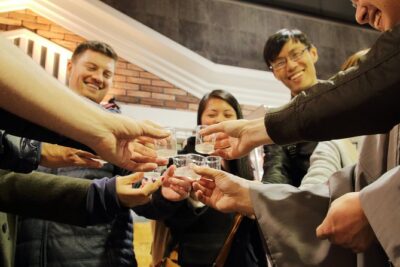
KOBE Sake Tasting Tour at Breweries (tasting fee included)
Read our review →
Hiroshima Saijo Sake Tasting Tour with visit to 7 Breweries
Read our review →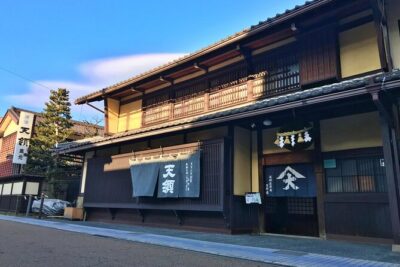
Private Sake Brewery Visit and Tasting Tour in Hida
Read our review →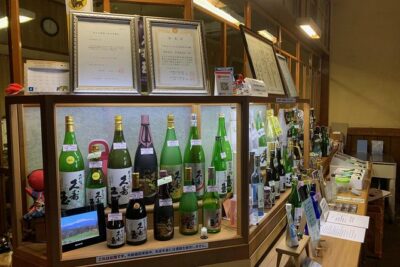
Browse the lists this tour appears in