
Reviewed · SAKE & FOOD PAIRING TOURS
Sake Pairing Workshop with Japanese Food in Shinjuku
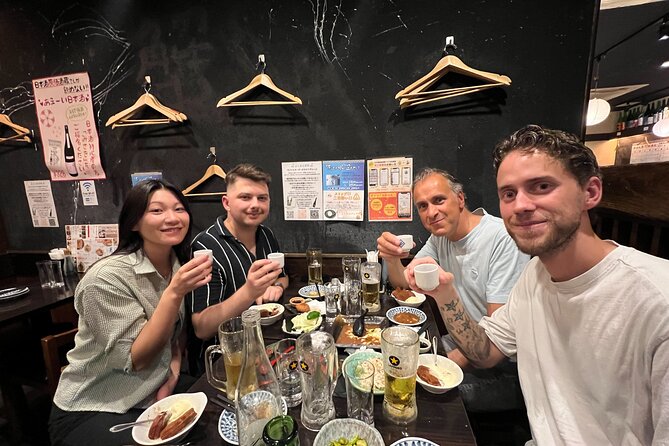
The clever part of this Shinjuku experience is the mix of a guided four-sake flight and a full Japanese meal. You are not just sipping small samples. You learn how aroma, serving temperature, and food change the taste, then have access to 20 sakes, beer, highballs, and soft drinks.
I like the food pairings, especially the contrast between crisp sake with chicken nanban and soft nigori with sea urchin cream croquettes. I also like the practical lesson on reading Japanese sake labels, a skill you can use long after dinner. The main drawback is the all-you-can-drink format: it offers excellent choice, but two hours can pass quickly if you want to taste everything carefully.
Key points to know before booking
- Four planned pairings make the tasting easy to follow: You learn why particular sakes work with chicken nanban, miso-butter dishes, croquettes, and dessert.
- Twenty sakes are available after the guided flight: You can compare different bottles at your own pace, with beer, highballs, and soft drinks also included.
- Temperature is part of the lesson: The guide shows how warm and cold sake can change the same rice-based drink.
- The menu goes beyond familiar sushi: Chicken nanban, sea urchin cream croquettes, miso-butter dishes, and fried vanilla taiyaki give the evening a broad range of flavors.
- The small group keeps the format personal: The maximum is 12 people, and the bilingual guide can explain sake customs and labels in English.
- The two-hour timing suits a city evening: The meeting point is near public transportation in Shinjuku, and the activity finishes where it begins.
Why this Shinjuku sake workshop works
Sake can seem hard to order in Japan. Labels may be unfamiliar, the serving temperatures vary, and the flavor range is wider than many first-time visitors expect. This workshop gives you a simple way into that world without asking you to study technical terms before dinner.
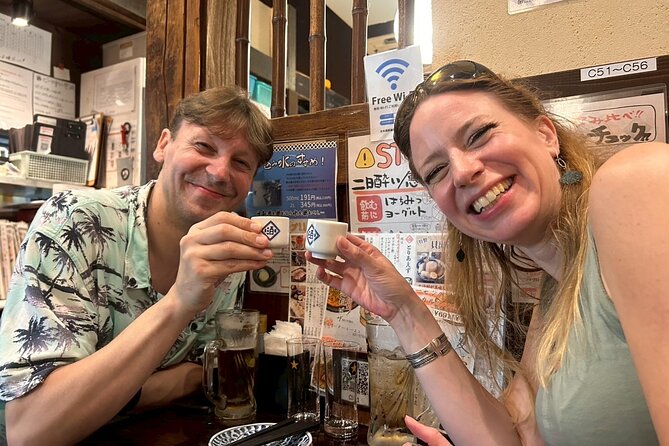
You begin with the basics, including kanpai etiquette and the main ideas behind sake tasting. The guide helps you pay attention to smell, texture, and finish rather than treating every glass as the same clear drink.
That matters because sake changes with temperature. A sake served cold can taste crisp and light, while the same style warmed may show softer or fuller notes. You get to see that change in practice instead of hearing only a lecture about it.
The format also avoids a common problem with tasting events. A flight of drinks without food can leave you guessing what the flavors mean. Here, each pour has a dish beside it, so you can test the pairing right away.
More Sake and Food Pairings in Tokyo:
- Ramen and Sushi Cooking Class with Sake Pairing Set in Tokyo
★ 5.0 · 291 reviews - Wagyu & Sake Pairing in Shinjuku – Steak, Shabu-Shabu & More
★ 5.0 · 112 reviews - Tokyo Wagyu & Sake Pairing Tasting Experience with Local Flavors
★ 5.0 · 108 reviews
Starting with kanpai and sake basics
The opening lesson covers the essential customs and tasting habits. You learn how to take part in kanpai, the Japanese toast, while also getting a useful introduction to what you are drinking.
The guide explains how to notice aroma before tasting. You might find fruit, rice, sweetness, acidity, or a clean finish in different glasses, though the point is not to guess a perfect description. The point is to notice how one sake differs from the next.
This is also the part where the guide can help you read Japanese labels. That lesson has real value for the rest of your trip. If you later see a bottle in a restaurant, department store, or sake shop, you will have a better idea of what you are looking at.
Anika is named as one of the guides for this experience. Her role includes explaining sake varieties, food matches, and the local setting in English. Since the group can have up to 12 people, you should get a more direct explanation than you would at a large tasting event.
Chicken nanban meets a crisp pour
The first food match features chicken nanban, a Japanese dish known for its fried chicken, tangy sauce, and creamy element. The dish gives you a useful test: a crisp sake can cut through the richness and refresh your mouth between bites.
The guide explains the reason for the match rather than simply placing food and drink in front of you. That is helpful for anyone who wants to make better choices at Japanese restaurants later.
Chicken nanban also gives this meal a different feel from a standard sushi-focused tasting. You are sampling a familiar Japanese comfort dish with sake, not just pairing delicate seafood with delicate drinks.
Pay attention to the contrast between the food and sake. The sauce brings sweetness and acidity, while the right sake can make the chicken taste lighter. If you usually think of sake as a strong or sweet drink, this pairing may broaden your expectations.
Miso-butter dishes and fuller sake
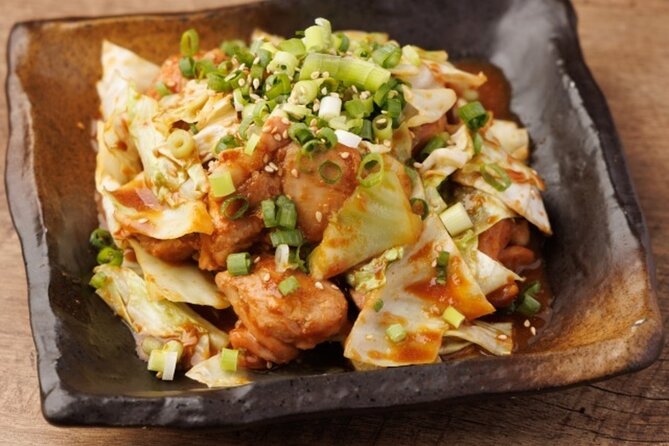
The next pairing moves toward miso-butter dishes. Miso brings savory depth, while butter adds weight and a smooth texture. A fuller sake can meet those flavors without disappearing behind them.
This is one of the most useful sections for food lovers. Pairing is not only about matching similar flavors. Sometimes you want a drink with enough body to hold its place beside a strong sauce.
You also get a chance to compare the effect of texture. A clean sake can make a rich dish feel less heavy, while a rounder sake can make the whole bite seem more complete. The guide helps you notice those small changes.
The course dinner means you are not paying only for alcohol. You are getting a proper sequence of savory dishes and a guided lesson, which makes the price easier to judge than the cost of a simple tasting flight.
More Sake Tours in Tokyo:
- Sake Tasting Masterclass in Shinjuku (8+ Varieties with a Pro)
★ 5.0 · 271 reviews - Sake Omakase in Tokyo: Guided Tasting by Certified Sommeliers
★ 5.0 · 239 reviews - Casual Japanese SAKE tasting and snack experience in Kabukicho
★ 5.0 · 159 reviews - Tasting All Types of Sake with Sommelier
★ 5.0 · 151 reviews
Nigori sake with sea urchin cream croquettes
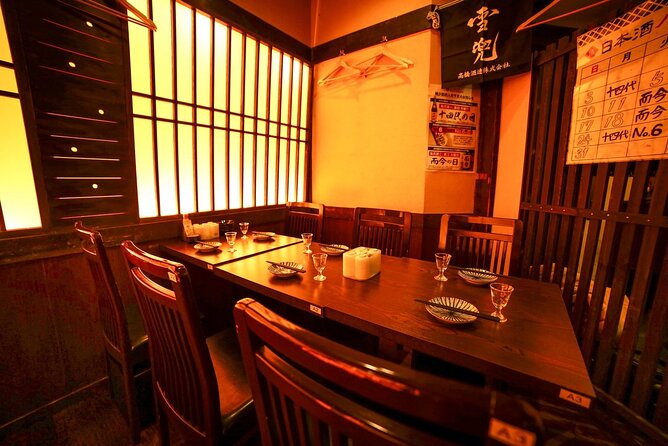
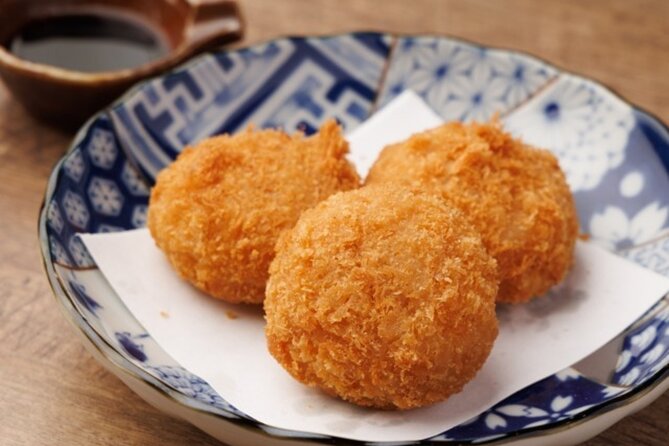
About halfway through the experience, the food becomes especially distinctive. Soft nigori sake is paired with sea urchin cream croquettes, a rich and creamy combination with a texture very different from the chicken course.
Nigori is cloudy because it retains more rice particles than clear sake. That gives it a softer, thicker mouthfeel. The creamy croquette continues that texture, while the sea urchin adds a strong taste from the sea.
This course will not suit everyone. Sea urchin has a clear marine flavor, and the creamy croquette is more luxurious than light. If you enjoy trying unusual Japanese foods, it is one of the most memorable parts of the menu. If you prefer mild food, this is the point where the experience may feel less familiar.
The useful lesson is that pairing is not always about contrast. Sometimes a similar texture can make a dish and drink feel connected. You can taste that idea directly here.
Fried vanilla taiyaki finishes the meal
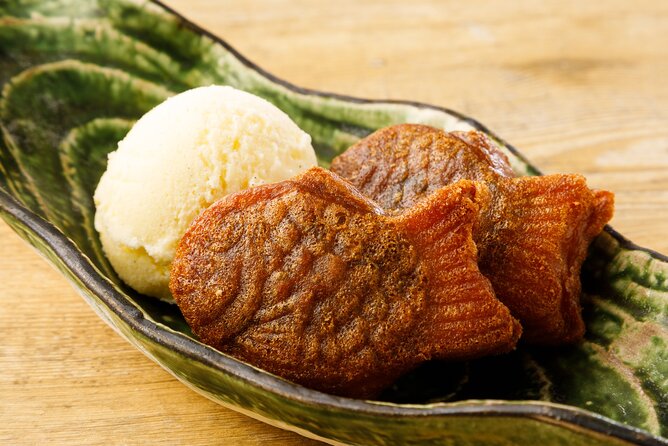
The final food match turns sweet. Fried vanilla taiyaki provides a crisp outside, a warm filling, and a dessert-like finish. It is paired with a sweet sake, giving you a clear change from the savory courses.
Taiyaki is commonly associated with a fish-shaped pastry, but the important detail here is the fried vanilla version. Its texture and sweetness create a natural bridge to a sweeter drink.
Ending with dessert also makes the sake range easier to understand. You are not left thinking that all sake belongs beside salty food. Some bottles can work with sweet flavors, too.
This last pairing may be the most approachable part of the meal for anyone who is unsure about sake. The familiar pastry format and sweet drink provide an easy finish after the stronger sea urchin course.
Twenty sakes, plus beer and highballs
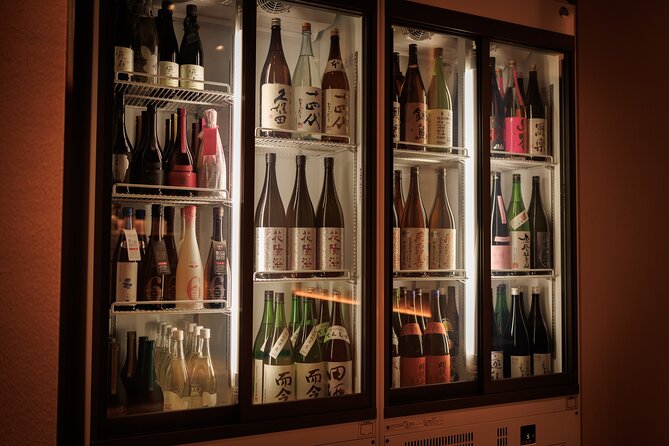
The guided flight gives the evening structure, but the all-you-can-drink plan gives you freedom afterward. Around 20 sakes are available, along with beer, highballs, and soft drinks.
That is a generous selection for the price of $73.17 per person, especially because the cost includes the course dinner and the four-sake flight. You can compare styles rather than stopping after four small pours.
Still, unlimited access does not mean you should rush. Two hours is a short window for a full dinner, guided instruction, and a large drink menu. The best approach is to use the guided flight as your main lesson, then choose a few additional sakes that differ from what you already tasted.
You can ask the guide to help you choose, or use the label-reading lesson to make your own selection. The point is not to work through all 20 bottles. The point is to find out what you like and understand why.
Beer, highballs, and soft drinks make the evening more flexible for a mixed group. A friend who is less interested in sake can still take part in dinner without being limited to one drink type.
What the $73.17 price really covers
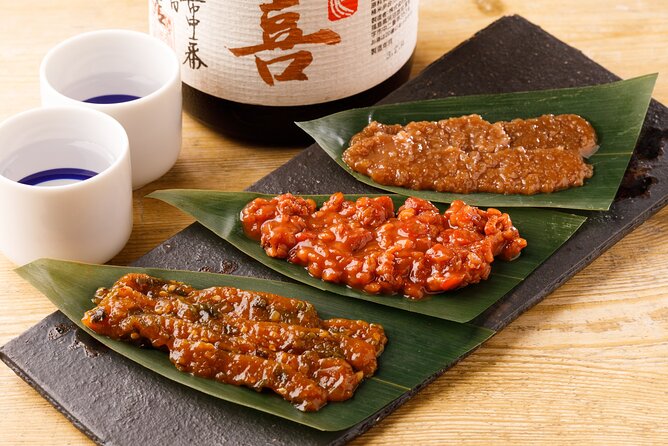
At first glance, $73.17 may seem high for a two-hour activity. In Tokyo, though, the value depends on what is included. Here, your price covers instruction, a four-sake tasting, a course dinner, and access to 20 sakes plus other drinks.
You are also paying for a guide who explains the pairings in real time. A meal and a few drinks alone would not teach you how temperature affects flavor or how to read labels for later use.
The value is strongest for people who enjoy both food and drink. If you only want a quick sake sample, the dinner and all-you-can-drink arrangement may be more than you need. If you want a structured evening that combines a meal with practical tasting skills, the price is more reasonable.
The group size helps, too. A maximum of 12 people is small enough for questions and personal guidance, while still offering a social setting. You are unlikely to get the same level of explanation from ordering a random bottle at a busy restaurant.
Timing, meeting point, and the Shinjuku setting
The activity lasts about two hours and begins at H&M, 3-chōme-5-4 Shinjuku, Shinjuku City. It ends back at the meeting point, so you do not need to plan a separate return transfer from an unfamiliar part of Tokyo.
The location is near public transportation, which makes it practical for an evening in Shinjuku. You should allow enough time to find the exact meeting point, since Shinjuku is a large district with many busy streets and station exits.
The fixed start point also helps if you are fitting the workshop between other plans. You can treat it as a complete evening meal rather than adding another restaurant reservation afterward.
Do not book this as a broad Shinjuku sightseeing tour. The focus is sake, food, and conversation. A neighborhood walk was also part of the guide’s praised experience with Anika, but the supplied details do not promise a separate walking itinerary, so I would treat the workshop itself as the main event.
Who will get the most from this experience
I would recommend this for you if you want a practical introduction to sake without committing to a formal class. The guide-led format gives you enough information to learn, while the meal keeps the evening relaxed.
It is a good choice for couples, friends, and small groups with mixed levels of sake experience. A beginner can follow the tasting basics, while someone who already knows a few styles can use the 20-sake menu to compare more bottles.
It also suits people who like Japanese food beyond sushi. Chicken nanban, miso-butter dishes, sea urchin croquettes, and fried vanilla taiyaki give you a broader look at how sake fits into a meal.
I would be more cautious if you do not drink alcohol, dislike seafood, or prefer a quiet fine-dining meal. The format involves several drinks, shared instruction, and a large menu of alcoholic options. Soft drinks are available, but the central purpose is still sake tasting.
A few practical points before you go
Confirmation is provided at booking, and the activity uses a mobile ticket. You should have the ticket ready on your phone and check the meeting details before setting out.
The tour requires a minimum number of participants and may be canceled in poor weather. If that happens, you are offered another date or experience, or a full refund.
Free cancellation is available up to 24 hours before the start time. Inside that 24-hour window, the payment is not refunded, and changes are not accepted.
The activity is near public transportation, and most people can participate. The group limit is 12, which makes this a better fit for people who prefer a small class over a large food tour.
Should you book the Shinjuku sake workshop?
Book it if you want more than a drink and more than a standard Japanese dinner. The strongest reason to choose it is the combination of clear instruction, unusual food pairings, and broad drink access in one two-hour session.
I especially like the way the experience links each sake to a specific dish. You learn by tasting, not by memorizing a list of rice-polishing terms. The lesson on temperature and Japanese labels also gives you something useful for the rest of your trip.
Skip it if you want a long sightseeing program, a quiet meal with no instruction, or a narrow tasting focused only on rare bottles. For everyone else, $73.17 is a fair price for a guided dinner with four planned pairings and 20 sakes to explore.
FAQ
How long does the sake workshop last?
The experience lasts approximately two hours.
Where does the activity start?
It starts at H&M, 3-chōme-5-4 Shinjuku, Shinjuku City, Tokyo 160-0022, Japan.
Where does the activity finish?
The activity ends back at the meeting point.
How many people can join the workshop?
The maximum group size is 12 people.
What food is included?
The course dinner includes chicken nanban, miso-butter dishes, sea urchin cream croquettes, fried vanilla taiyaki, and other listed course items.
How many sakes are available?
The experience includes a guided four-sake flight and an all-you-can-drink menu with 20 sakes. Beer, highballs, and soft drinks are also available.
Can I cancel for a full refund?
Yes. You can cancel at least 24 hours before the start time for a full refund. Cancellations or changes made less than 24 hours before the start time are not refunded or accepted.
Newly added around Tokyo
- Wagyu BBQ & Sukiyaki with Sake Pairing Experience near Ginza★ 5.0 · 2 reviews
- Tokyo Sake Tasting Tour with a Sake Expert★ 5.0 · 7 reviews
- Sake Tasting and Cherry Blossom Fun in Tokyo!★ 5.0 · 4 reviews
- Private Sake Tasting at 300 Years Old Sake Brewery in Tokyo★ 5.0 · 3 reviews
- Tokyo: Serene Sakura & Sake: An Exclusive Brewery Pairing Lunch★ 5.0 · 2 reviews
- Nagano: Snow Monkey and Zenkoji Temple Free Sake Taste Day Tour★ 4.5 · 8 reviews
- Cherry blossom & Japanese Sake Tasting in Shinjuku★ 5.0 · 4 reviews
- Mt FUJI – Panoramic Tour w/ Hoto Lunch, JP Sake & Onsen tatto OK!★ 5.0 · 9 reviews
Sake & Food Pairing Tours, compared.

3-Hour Kyoto Insider Sake Brewery Tour with Tastings & Pairings
Read our review →
Insider Sake Brewery Tour with Sake and Food Pairing
Read our review →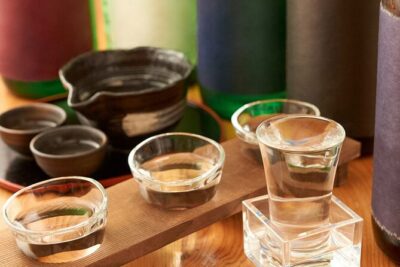
Ramen and Sushi Cooking Class with Sake Pairing Set in Tokyo
Read our review →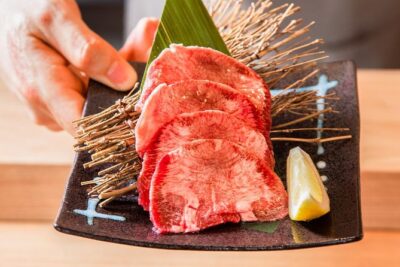
Wagyu & Sake Pairing in Shinjuku – Steak, Shabu-Shabu & More
Read our review →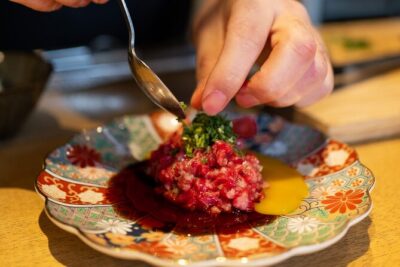
Tokyo Wagyu & Sake Pairing Tasting Experience with Local Flavors
Read our review →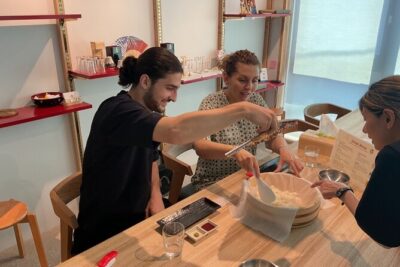
Cozy Tokyo Class: Ramen, Sushi, Sake Pairing & Cultural Exchange
Read our review →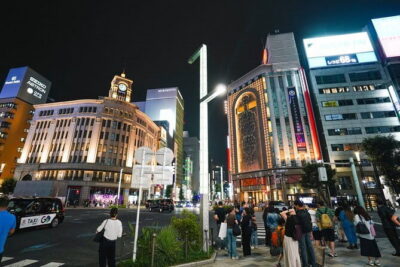
Wagyu Beef and Sake Pairing Foodie Tour in Tokyo
Read our review →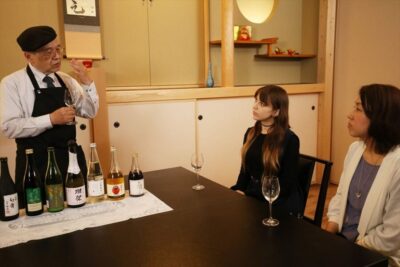
7 Kinds of Sake Tasting with Japanese Food Pairings
Read our review →Browse the lists this tour appears in