
Reviewed · SAKE BREWERY TOURS
Nishinomiya: Sake Brewery Tour Near Kobe – Visit 3 Breweries
Nishinomiya is one of Japan’s best-known sake districts, and this three-hour walking tour gives you a useful look at the town beyond Kobe’s usual sights. You move from Nishinomiya Jinja to Hakushika, Hakutaka, and Nihon Sakari, tasting different styles along the way.
I like the small-scale feel, which lets a guide adjust the explanation to your questions. I also like the range: you may taste more than eight types, from junmai to junmai daiginjo, rather than stopping after one polite sip.
The main drawback is the pace. You walk between several stops, and the tour packs shrine culture, brewing history, museum-style displays, and multiple tastings into three hours. It is a full session, not a slow afternoon at one brewery.
Key points to know before booking
- Three breweries in one walk: Visit Hakushika, Hakutaka, and Nihon Sakari, each with its own approach to aroma and flavor.
- More than eight sake samples may be served: Tastings can include junmai and junmai daiginjo, with bottles sometimes available for purchase.
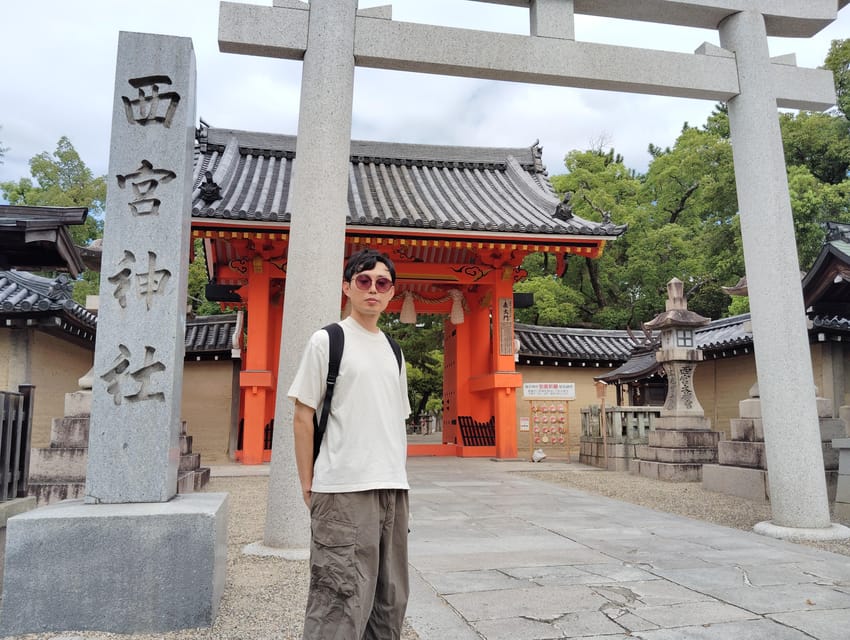
- Nishinomiya Jinja adds local context: The tour begins with a 15-minute guided visit to the shrine connected with Ebisu.
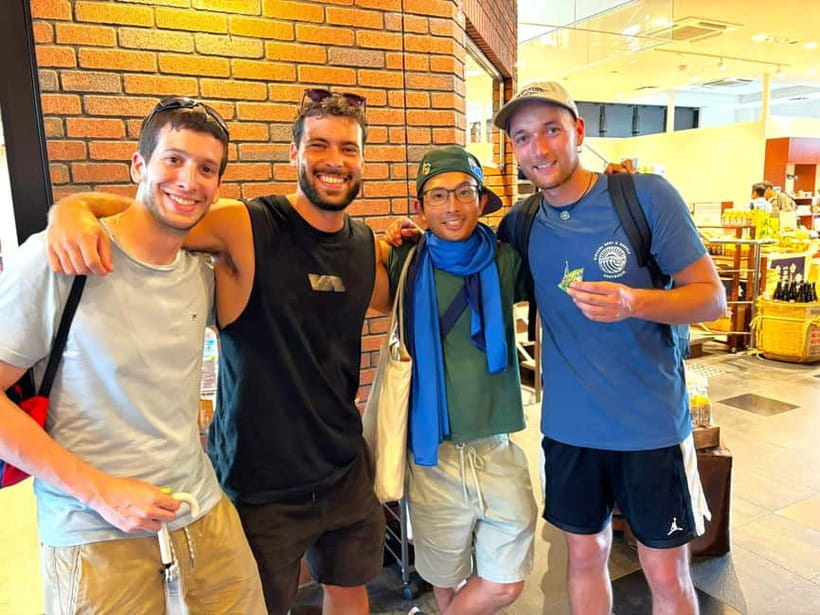
- English and Japanese guides: Guides such as Julien, Aki, and Kaito have led tours with strong cultural explanations.
- A practical $74 value: The price includes the guide and sake tasting fees, not just transportation between stops.
- A station-to-station route: Meet at Hanshin Nishinomiya Station and finish at Imazu Station, with walking throughout.
Why Nishinomiya makes sense for a sake tour
Nishinomiya is not simply a place where bottles happen to be made. It is a major sake area with long-standing brewing traditions and several prominent producers close enough to visit on foot. That makes the town a good choice if you want to connect the drink with the place that produces it.
Sake is often called nihonshu in Japan, and this tour helps you hear the difference between broad categories rather than treating every bottle as the same. Rice type, polishing, fermentation, aroma, and serving style all affect the result. You do not need prior knowledge. The guide explains the process as you go, which is much easier than trying to decode a tasting menu alone.
I also like the route’s mix of old and new. You begin at Nishinomiya Jinja, then move into brewery displays, tasting rooms, and facilities where traditional methods meet newer production ideas. The result is more grounded than a simple bar crawl, though you should expect an educational walk as much as a drinking experience.
More Sake Brewery Tours in Japan:
- 3-Hour Kyoto Insider Sake Brewery Tour with Tastings & Pairings
★ 5.0 · 917 reviews - Kyoto: Insider Sake Brewery Tour with Sake and Food Pairing
★ 5.0 · 704 reviews - Kyoto Sake Brewery & Tasting Walking Tour
★ 5.0 · 623 reviews
Starting at Hanshin Nishinomiya Station
Meet your guide in front of the Ebisu-Guchi ticket gate at Hanshin Nishinomiya Station. Look for the yellow DeepExperience sign. This clear meeting point matters because the tour starts on foot and does not include a long transfer to the first attraction.
The first walk takes about five minutes and leads to Nishinomiya Jinja, also known as Nishinomiya Ebisu. The shrine visit lasts about 15 minutes. It gives the guide a chance to explain Ebisu and the local setting before the tour turns fully toward sake.
This opening is brief, so do not expect a full shrine tour. Its value is the connection between place, custom, and commerce. The guide may discuss Ebisu, Japanese culture, and the way older traditions still shape daily life. Julien, one of the guides who has led this experience, is especially noted for connecting sake with wider cultural subjects. Aki and Kaito have also guided the tour, with explanations available in English or Japanese.
If you are mainly interested in brewery machinery, the shrine may feel like a short detour. I think it earns its place because it gives you a local starting point instead of dropping you straight into a tasting room.
Hakushika and the first sake tasting
From the shrine, you walk about 15 minutes to Hakushika Rokusuien. This is the first substantial sake stop and includes a guided visit plus a tasting lasting about 20 minutes.
Hakushika is presented as a producer known for fragrant, crisp sake that is easy to enjoy. That makes it a sensible first tasting. Your palate starts with a style that should be approachable before the tour moves toward sharper or more aromatic examples.
The stop also gives you a look at the brewing story behind the bottle. The emphasis is on the path from carefully selected rice through fermentation and on the practices that give Nishinomiya sake its character. You may encounter museum-style material and displays that explain the local industry, rather than simply being handed a glass.
The tasting fee is included in the $74 cost. That is important because the value of a sake tour can change quickly if every sample costs extra. Here, the tastings are part of the planned experience.
You should pace yourself from the first glass. The tour can include more than eight types in total, so the early tasting is not the time to rush. If you find a Hakushika bottle you like, some tasting locations may offer bottles for sale. One useful detail from the tour experience is that certain bottles may be exclusive to the tasting place, and prices have been described as reasonable. Availability can change, so think of buying as a possibility, not a promise.
Hakutaka and a sharper profile
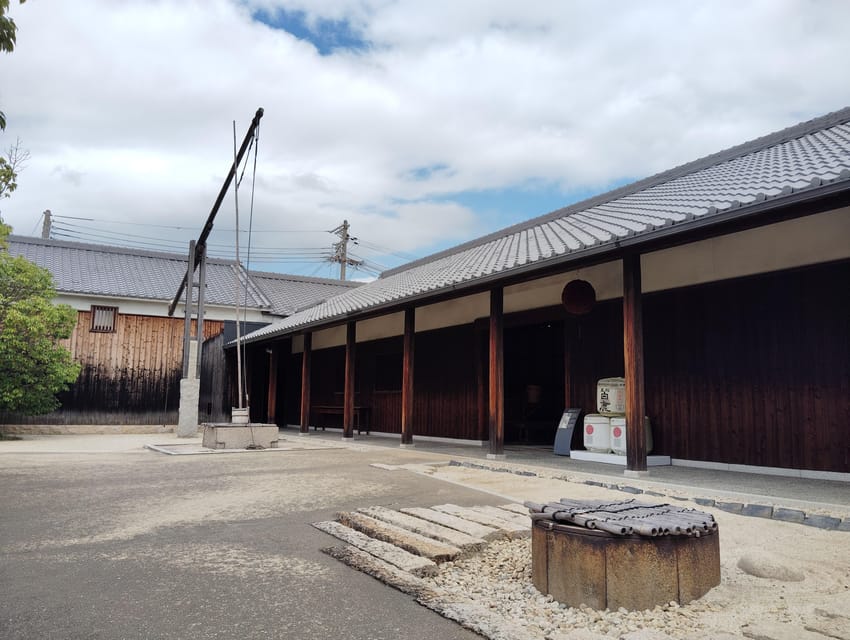
After the first brewery, the route continues on foot for about five minutes. The next guided visit lasts roughly 40 minutes, making it one of the longer stops on the tour. This is where the experience has room to explain how sake moves from raw ingredients to a finished drink.
Hakutaka is described as more restrained on the nose, with a sharp and clean taste. Put simply, it provides a useful contrast to Hakushika. You can compare aroma and finish while the earlier sample is still fresh in your mind.
This contrast is one of the best reasons to visit three producers instead of one. If you tasted only Hakushika, you might decide that sake is mainly fragrant and smooth. Hakutaka shows another side: less aroma at first, but a clean, distinct taste. Your guide can help you notice those differences without turning the session into a technical exam.
The longer visit also suits questions. Ask about rice polishing, fermentation, or why two breweries can create different results from similar ingredients. The available information does not promise a particular production room or a hands-on demonstration, so you should expect guided interpretation and brewery displays rather than a working lesson where you make sake yourself.
The walking is manageable for most people who are comfortable with a three-hour city route, but it still shapes the day. Wear shoes you can walk in, especially if you plan to carry a bottle afterward.
More Sake Tours in Japan:
- 1-Day Snow Monkeys, Zenko-ji Temple & Sake in Nagano
★ 5.0 · 1,020 reviews - Nagano: Snow Monkeys, Zenkoji Temple & Sake Day Trip
★ 4.9 · 833 reviews - Düsseldorf: Sushi, Sake & Japanese Lifestyle Tour
★ 4.6 · 539 reviews - 1.5-Hour Kyoto Insider Sake Experience with 7 Tastings & Pairings
★ 5.0 · 297 reviews
Nihon Sakari and the most aromatic finish
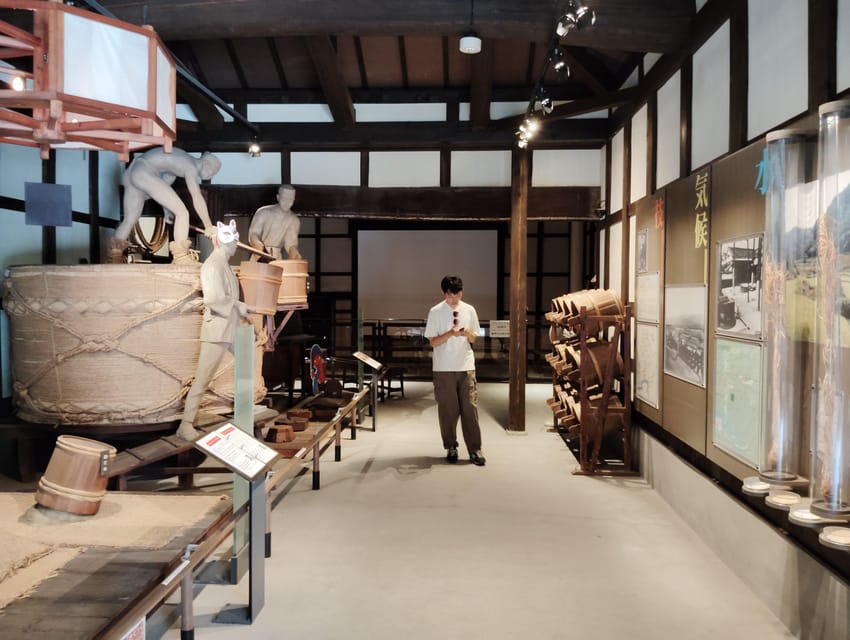
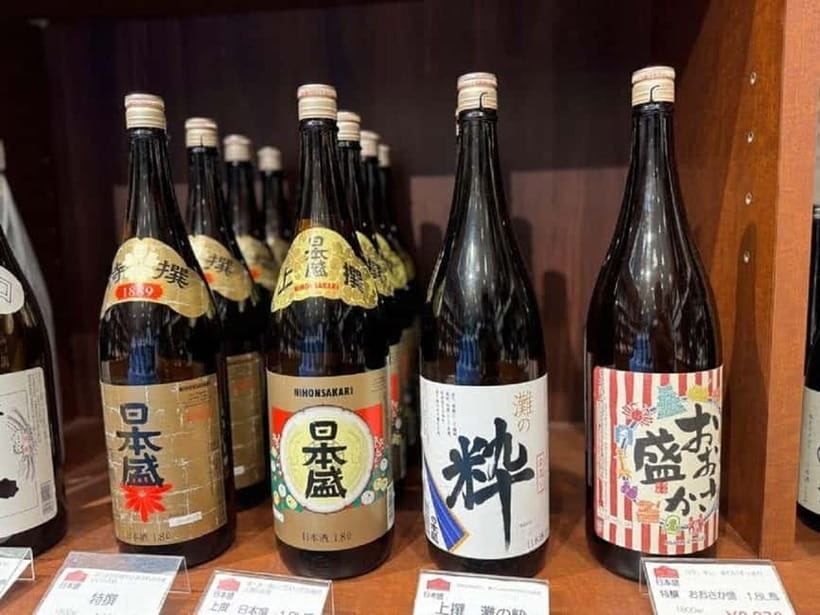
The third brewery comes after another 15-minute walk. The visit includes a guided explanation and a tasting of about 20 minutes. Nihon Sakari is known here for remarkably aromatic sake, giving the tour a noticeable finish.
The progression from Hakushika to Hakutaka to Nihon Sakari works well. You begin with crisp fragrance, move to a cleaner and sharper profile, then finish with a sake whose aroma is more pronounced. I like this structure because it encourages comparison. Instead of hearing a list of tasting notes, you can ask yourself which aroma and texture you prefer.
The final tasting may also be the point when you realize that sake is not one fixed flavor. Junmai and junmai daiginjo can differ in polish, weight, aroma, and finish. The precise selection depends on the visit, but the tour has included more than eight varieties across the breweries.
This is also a good time to ask about serving preferences. The information provided does not specify a hot or cold serving program, so do not book expecting a particular temperature lesson. The reliable promise is a range of sake and explanations about the brewing process and local tradition.
What you learn about making sake
The tour’s brewing explanation follows a sensible order. First comes rice selection. Then polishing and preparation affect the raw material. Fermentation creates the alcohol and the drink’s character, and the final product reflects the choices made at each stage.
You do not need to memorize every term to get value from the tour. I would focus on three questions:
- How does the aroma change from one brewery to the next?
- Is the taste crisp, clean, full, or strongly scented?
- Which sake would you actually want with a meal or to take home?
The guides also add cultural context. The strongest part of the experience is not just the number of samples, but the way the tastings connect to Nishinomiya’s identity. Julien has explained sake alongside Ebisu and Japanese culture. Aki has led the tour with a strong interest in sake production, while Kaito has connected past and present Japanese culture to the brewing story.
Guide assignments can change, so you should not assume one specific person will lead your date. Still, the tour supports both English and Japanese, and the small-group or private format allows more room for questions than a large scheduled group.
Is $74 a fair price?
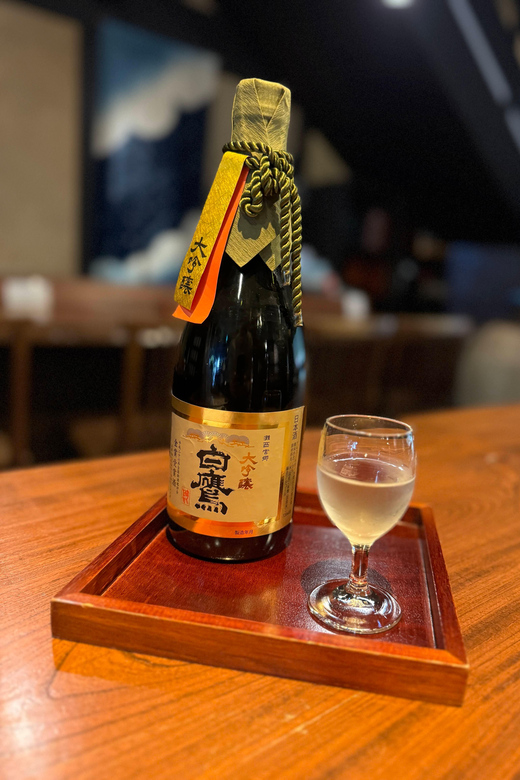
At $74 per person, the price is fair if you want a guided experience rather than a self-directed tasting. It includes the guide fee and sake tasting fee, which means the listed cost covers the central parts of the activity.
You are also paying for the structure. Someone else handles the route between the shrine and three breweries, explains what you are tasting, and puts the stops in a logical order. That saves research time and helps you understand why one sake seems more aromatic or sharper than another.
The value is strongest for visitors who would otherwise feel unsure about entering sake museums or tasting rooms. It is less compelling if you already know the Nishinomiya breweries well and prefer to choose bottles on your own.
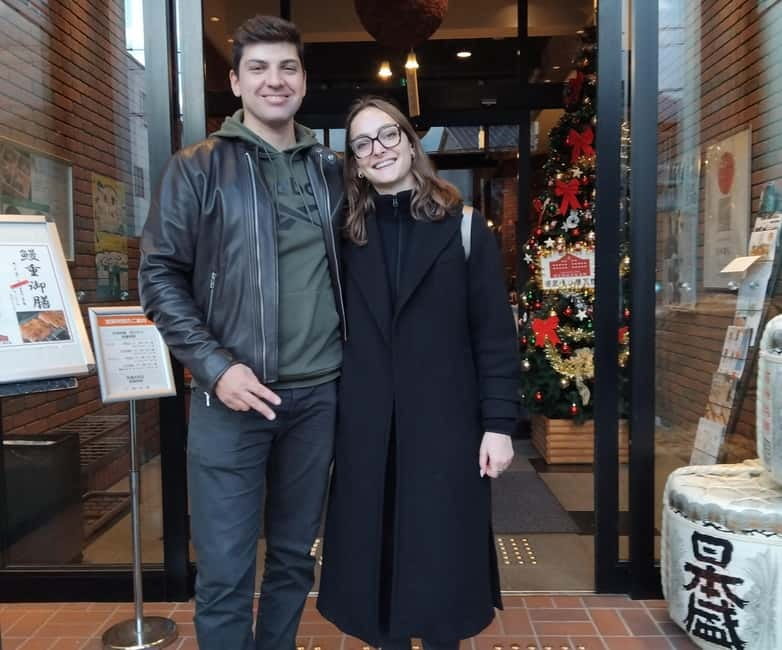
The private or small-group option matters here. In a compact tasting setting, a guide can answer your questions and adjust the pace. One couple had a particularly personal visit because the group was only two people. Group size depends on the booking, so check the available option when reserving.
Timing, walking, and practical limits
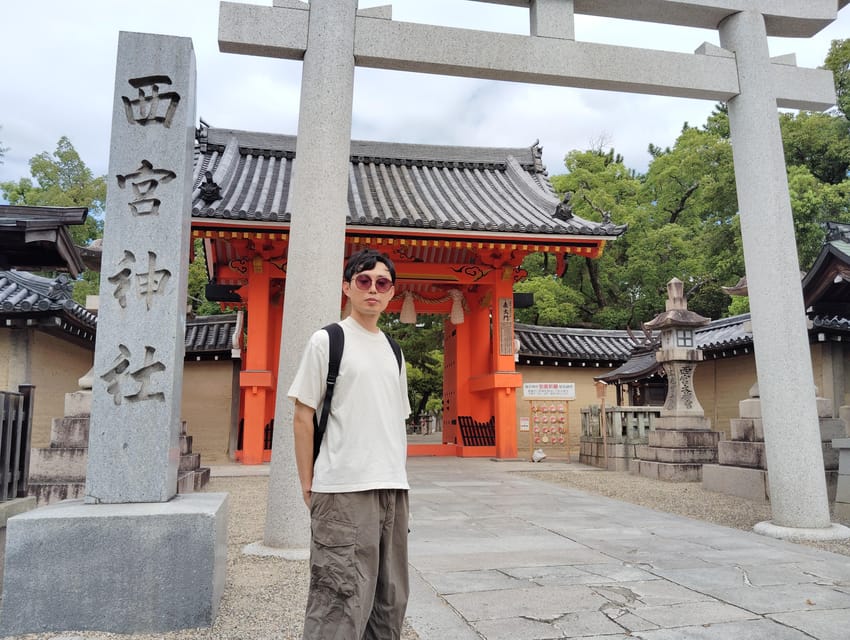
The total duration is three hours. The route includes approximately five minutes of walking to the shrine, 15 minutes to Hakushika, five minutes to the next stop, 15 minutes to Nihon Sakari, and 15 minutes to Imazu Station at the end. The stop times add up to a busy but clear schedule.
You begin at Hanshin Nishinomiya Station and finish at Imazu Station. That station-to-station design is useful if you plan to continue elsewhere afterward. It also means you should not think of the tour as a return trip to the starting gate.
The tour is offered at several possible starting times, depending on availability. Since tasting is involved, I would choose a time that does not force you to hurry to another reservation. The route is mostly walking, and there is no included vehicle transfer.
Cancellation is free up to 24 hours before the activity for a full refund. You can also reserve now and pay later, which helps if your Kobe or Osaka plans are still shifting. Those policies do not change the tour itself, but they make the booking less rigid.
Who will enjoy this sake walk
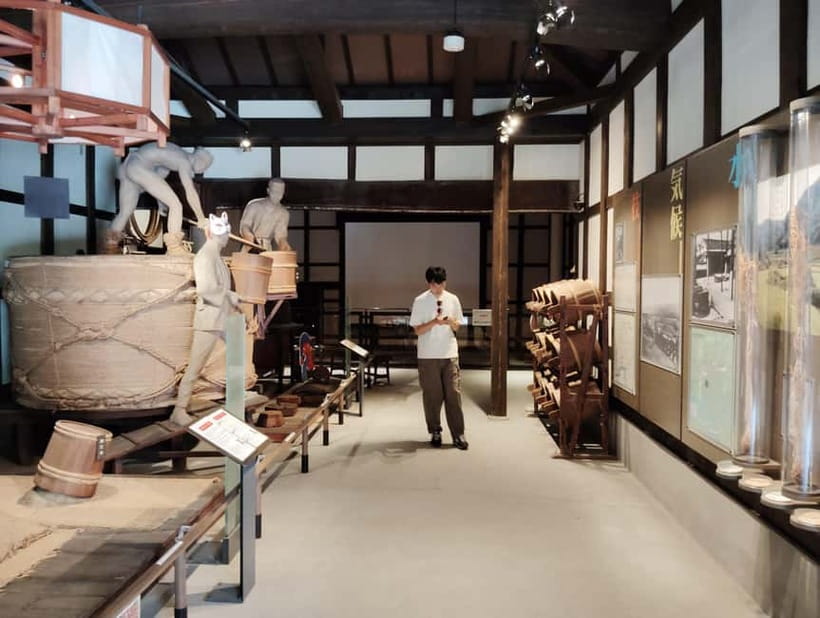
I would recommend it to you if you want a clear introduction to sake with enough tasting to make comparisons. It suits first-time visitors, food and drink fans, and anyone staying around Kobe who wants to see a nearby town with a strong local identity.
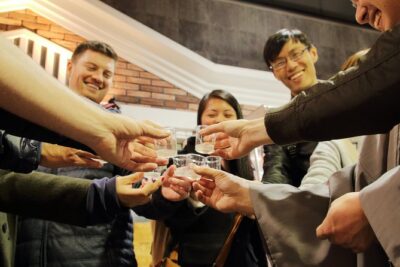
It also works for couples and small groups. The tasting range can make the visit social, while the cultural explanations give non-drinkers something to follow. If someone in your group is curious about Japanese customs but not especially interested in alcohol, Nishinomiya Jinja and the brewing story add useful balance.
You may want to skip it if you dislike walking, want a very slow single-brewery visit, or expect a full production-floor tour. The schedule is active, and the available details promise guided brewery visits and tastings, not a chance to participate in brewing.
If you plan to buy sake, bring room in your luggage. The tour does not promise that every bottle will be available, but tasting locations may offer reasonably priced bottles, including some not found elsewhere.
Should you book the Nishinomiya sake tour?
Book it if you want to taste widely and understand what you are tasting. The visit to three producers gives you clear contrasts between Hakushika’s fragrant crispness, Hakutaka’s clean sharpness, and Nihon Sakari’s strong aroma.
I would especially choose it over a generic sake bar if you want local context. The shrine, museums or brewery displays, walking route, and guide commentary make Nishinomiya part of the experience.
Skip it if your priority is a relaxed drink with no schedule. Three hours, several walks, and multiple tastings require energy and attention. For most visitors who want an approachable introduction to the sake culture near Kobe, the $74 price buys a well-organized outing with real variety and a useful sense of place.
FAQ
Where does the tour meet?
Meet your guide in front of the Ebisu-Guchi ticket gate at Hanshin Nishinomiya Station. The guide will hold a yellow sign with the DeepExperience logo.
Where does the tour finish?
The tour finishes at Imazu Station.
How long does the experience last?
The tour lasts three hours.
Which breweries do you visit?
You visit Hakushika, Hakutaka, and Nihon Sakari in Nishinomiya.
Is sake tasting included in the price?
Yes. The price includes the guide fee and sake tasting fee.
How many sake varieties might I taste?
The tour can include more than eight types of nihonshu, including styles such as junmai and junmai daiginjo.
What languages are available?
The live tour guide service is available in English and Japanese.
Can I cancel for a full refund?
Yes. You can cancel up to 24 hours in advance for a full refund.
Newly added around Japan
- Wagyu BBQ & Sukiyaki with Sake Pairing Experience near Ginza★ 5.0 · 2 reviews
- Tokyo Sake Tasting Tour with a Sake Expert★ 5.0 · 7 reviews
- Sake Tasting and Cherry Blossom Fun in Tokyo!★ 5.0 · 4 reviews
- Private Sake Tasting at 300 Years Old Sake Brewery in Tokyo★ 5.0 · 3 reviews
- Tokyo: Serene Sakura & Sake: An Exclusive Brewery Pairing Lunch★ 5.0 · 2 reviews
- Sake Pairing Workshop with Japanese Food in Shinjuku★ 5.0 · 5 reviews
- Nagano: Snow Monkey and Zenkoji Temple Free Sake Taste Day Tour★ 4.5 · 8 reviews
- Japanese Sake Tasting and Masu Crafting Experience in Tokyo★ 5.0 · 9 reviews
Sake Brewery Tours, compared.

3-Hour Kyoto Insider Sake Brewery Tour with Tastings & Pairings
Read our review →
Insider Sake Brewery Tour with Sake and Food Pairing
Read our review →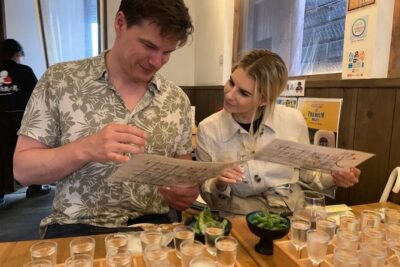
KOBE Sake Tasting Tour at Breweries (tasting fee included)
Read our review →
Hiroshima Saijo Sake Tasting Tour with visit to 7 Breweries
Read our review →
Private Sake Brewery Visit and Tasting Tour in Hida
Read our review →
Browse the lists this tour appears in