
Reviewed · SAKE TASTING
Nishiki Market, Private Sushi class & Sake Tasting in Townhouse
Kyoto’s food culture makes the most sense when you see its ingredients first, then cook them yourself. This experience links a Nishiki Market stroll with a hands-on meal in a traditional townhouse, so you move from seafood stalls and seasonal produce to rolled sushi, dashi miso soup, side dishes, and dessert.
I like the private format, which keeps the cooking pace personal, and I like that the market walk gives context to the meal. Staff members such as Sunny have been singled out for attentive help, especially when participants are making sushi for the first time.
The main consideration is time. Two to three hours is enough for a focused introduction, not a long market tour or a full cooking course. At $121.84 per person, the value depends on how much you care about instruction, sake, and a private setting rather than simply eating lunch.
Key points at a glance
- Nishiki Market comes first: Spend about an hour learning about Kyoto ingredients, tasting local foods, and seeing more than 100 shops along the five-block arcade.
- The cooking class is private: Your group alone takes part in the Kyomachiya townhouse session.
- You make more than sushi: The menu includes rolled sushi, dashi-based miso soup, seasonal side dishes, and a simple Japanese dessert.
- Sake is part of the lesson: A mini tasting introduces sake culture before or during the cooking session.
- Dietary needs can be handled: Vegetarian and vegan options are available when requested in advance.
- The tour ends near Gojo Station: The endpoint is about a five-minute walk from the subway, with help available for arranging a taxi or other transportation.
From Nishiki Market to a Kyoto cooking table
This experience works because it has a clear food story. You begin in the market, where ingredients are sold, sampled, and explained. Then you sit down in a restored Kyoto townhouse and use that food in a meal you prepare yourself.
The first portion takes about an hour. The cooking session takes about two hours, though the full outing is listed as approximately two to three hours. You should allow enough time to move between the market and townhouse without rushing.
The tour is conducted in English, and the format suits visitors who want more than a food tasting but less than a full-day cooking school. You receive a recipe booklet, which gives the experience some value after you leave Kyoto. You can try the dishes again at home instead of letting the meal become a one-time memory.
More Sushi and Sake Tours in Kyoto:
- Düsseldorf: Sushi, Sake & Japanese Lifestyle Tour
★ 4.6 · 539 reviews - Ramen and Sushi Cooking Class with Sake Pairing Set in Tokyo
★ 5.0 · 291 reviews - Sake Omakase in Tokyo: Guided Tasting by Certified Sommeliers
★ 5.0 · 239 reviews
Nishiki Market: Kyoto ingredients in a five-block arcade
Nishiki Market is an old commercial street with more than 100 shops and restaurants. It has served as a center of local food trade for over 400 years, and its narrow five-block route gives you a compact look at the ingredients used in Kyoto cooking.
Your guide leads the walk rather than simply sending you off to browse. Expect explanations about seafood, vegetables, pickles, dried foods, and other staples of Japanese cuisine. The point is not only to look at food, but to understand how Kyoto cooks build flavor from fresh and preserved ingredients.
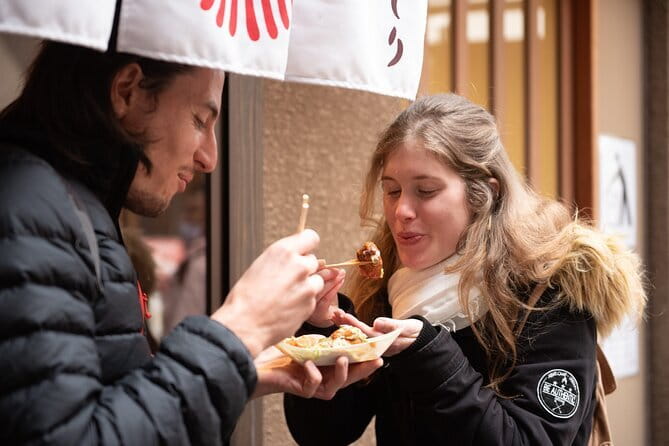
You also have the chance to taste traditional delicacies. The exact samples can vary, so I would not book this expecting a fixed tasting menu. Think of it as a guided introduction to the market’s food stalls, with your guide helping you notice what might otherwise blur into a stream of signs, smells, and displays.
The market can feel crowded, especially in a narrow shopping street, and that is part of the setting. You should be comfortable walking at a steady pace and sharing the route with other shoppers. If you prefer quiet, open spaces, this may be the least relaxed part of the experience.
The market walk is especially useful if you are new to Japanese food. A guide can explain the difference between fresh and preserved ingredients, point out foods tied to local cooking, and connect what you see to the meal ahead. For visitors who have already walked Nishiki Market, the added history and food context can make a return visit more worthwhile.
Nishiki Shrine and the quieter side of the market area
The walk also includes Nishiki Shrine, tucked behind the market’s lantern-lit lanes. This gives the outing a short cultural pause between the food stalls and the townhouse.
The shrine visit is not presented as a long formal temple tour. Instead, it adds another layer to the neighborhood. You see how a busy shopping street and a small religious site can sit close together in central Kyoto.
Keep your expectations measured. The tour is built around food, not an extended shrine lecture. Still, this brief stop helps break up the market walk and gives you a chance to see a less commercial corner of the area.
Entering the Kyomachiya townhouse
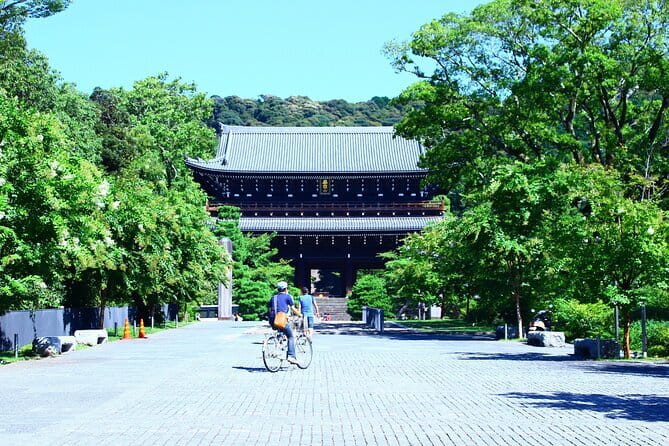
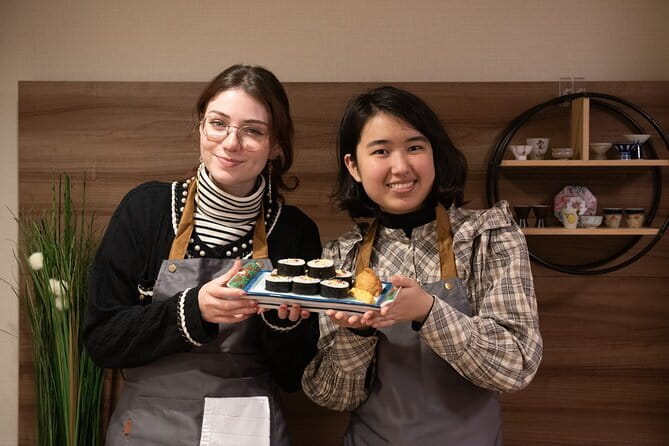
After the market, you move to a Kyomachiya, a traditional Kyoto townhouse that has been restored for the cooking experience. Your group has the space privately, which is one of the strongest features of the tour.
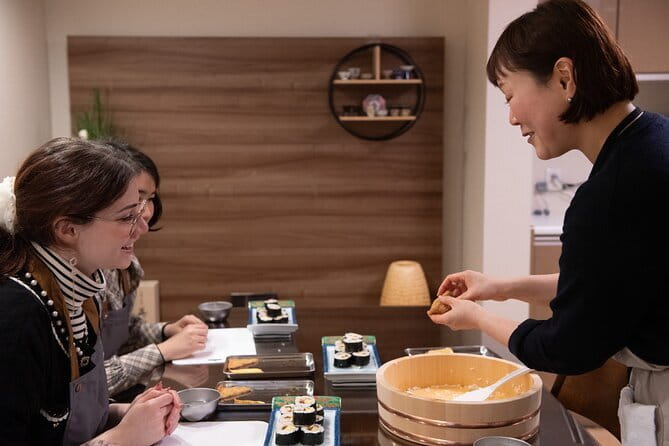
A townhouse setting changes the mood from public market to shared meal. You are not cooking in a large demonstration room with several unrelated groups. Instead, the private format lets the host adjust explanations and offer help as you work.
That matters most if someone in your group has never made sushi. One participant described learning to make sushi step by step despite not cooking much, and the hands-on approach is clearly central to the experience. You are not only watching a chef assemble a finished dish. You prepare the food yourself, with instruction along the way.
The private setting also suits families, couples, and small groups with mixed cooking confidence. A confident home cook can ask more detailed questions, while a beginner can take the process slowly. The tradeoff is that the class depends on the chemistry of your own group. If your companions are reluctant to participate, the experience will not feel as lively.
More Sake Tastings in Kyoto:
- 3-Hour Kyoto Insider Sake Brewery Tour with Tastings & Pairings
★ 5.0 · 917 reviews - Kyoto Sake Brewery & Tasting Walking Tour
★ 5.0 · 623 reviews - 1.5-Hour Kyoto Insider Sake Experience with 7 Tastings & Pairings
★ 5.0 · 297 reviews - Kyoto: Insider Sake Experience with 7 Tastings and Snacks
★ 5.0 · 266 reviews
Making rolled sushi, dashi miso soup, and side dishes
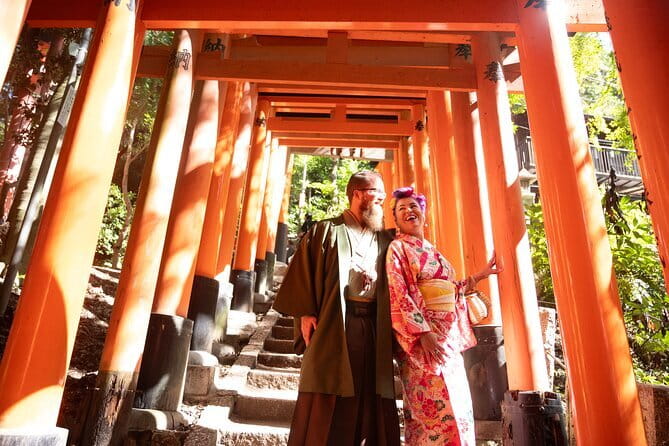
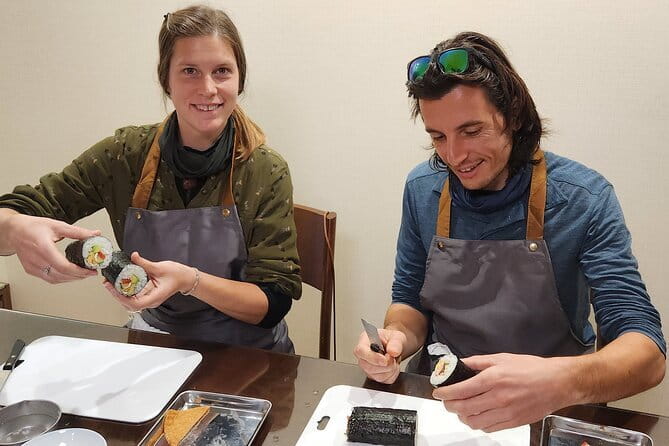
Rolled sushi is the main practical lesson. You work with fresh ingredients and learn the steps needed to assemble and roll it. The class is designed for participation, so expect to handle the ingredients rather than simply listen.
Sushi rolling looks simple when an experienced cook does it. The rice, fillings, pressure, and shape all need attention. That makes this a satisfying choice for beginners because the finished roll gives you a clear result to work toward. It also creates a small challenge without requiring advanced cooking skills.
The meal includes homemade miso soup made from scratch with dashi. This is a useful detail. Miso soup is often treated as a quick side dish, but dashi provides the savory base that gives the soup its character. Preparing it yourself helps you understand why Japanese cooking often depends on a few carefully prepared building blocks.
You also prepare seasonal Japanese side dishes. The available information does not specify a fixed list of dishes, so do not book this expecting one exact menu on every date. Seasonal ingredients and dietary requests can affect what appears on the table.
A simple Japanese-style dessert finishes the meal. It is not described as a major pastry lesson, but it gives you a complete progression from savory dishes to something sweet.
The sake tasting and what it adds
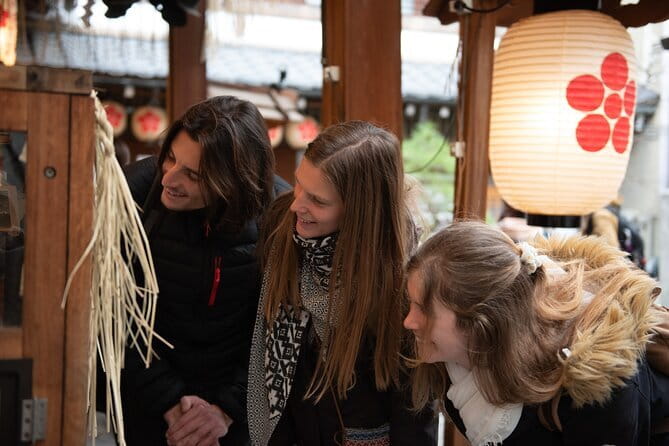
Alcoholic beverages are included, with a mini sake tasting as part of the townhouse session. This is a small but useful part of the experience because sake is connected to Japanese meals, celebrations, and local food traditions.
The tasting is not described as a large specialist tasting or a full brewery visit. You should see it as an introduction that fits into the cooking class. It adds a cultural explanation without taking over the meal.
If you do not drink alcohol, check the arrangements before booking if this matters to you. The tour information confirms that alcoholic beverages are included, but it does not specify nonalcoholic substitutes.
Price, private value, and group size
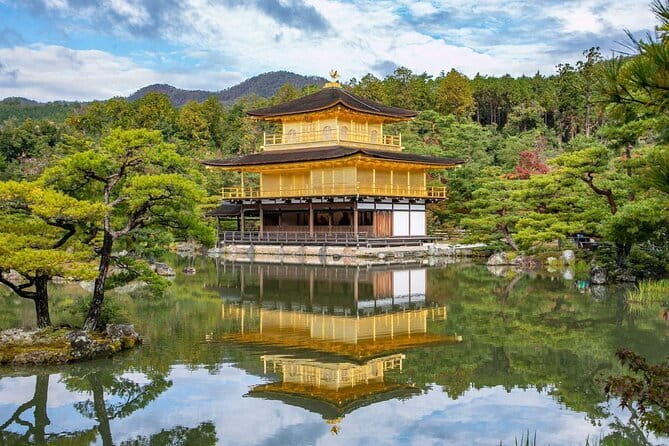
The listed price is $121.84 per person. That is not the cheapest way to eat at Nishiki Market, but you are paying for several parts at once: an English-language market walk, food samples, a shrine stop, a private townhouse setting, a sake tasting, lunch, cooking instruction, and a recipe booklet.
I would judge the price by the experience you want. If your aim is simply to sample market food, you can spend less by exploring Nishiki Market independently. If you want a guided introduction followed by a private cooking lesson, the cost is easier to justify.
The private format is especially valuable for a family or small group. You avoid being placed with strangers, and the instructor can pay attention to your questions and technique. Group discounts are available, so larger private parties should check the final price before deciding.
The experience is booked, on average, 98 days ahead. That suggests you should plan early, especially if you want a particular date during a busy Kyoto visit. Confirmation arrives at booking, and mobile tickets are supported.
Meeting points and the practical details
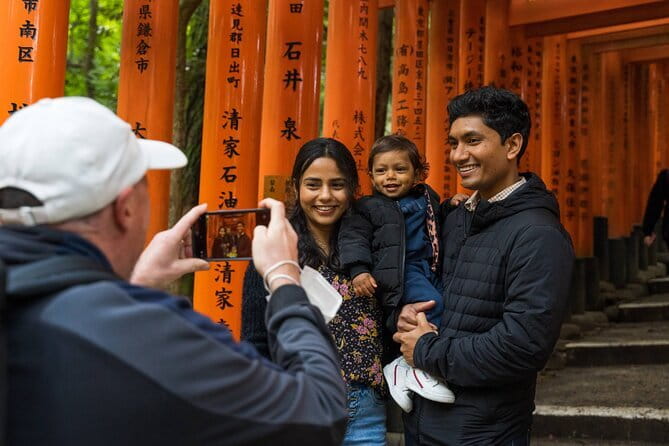
You begin at 79 Nishiuoyacho in Kyoto’s Shimogyo Ward, near Nishiki Market. Check the exact map location before setting out, since central Kyoto’s streets can be confusing and the market area has many lanes.
The experience ends at 96-13 Asazumacho in the Shimogyo Ward. The endpoint is about a five-minute walk from Gojo Subway Station. If you have luggage, mobility concerns, or a tight onward schedule, ask about taxi or transportation help before the class ends.
Public transportation is nearby, and most people can take part. A restroom is listed as available on board, though the wording is unusual for a walking and townhouse experience, so I would not rely on it without confirming the details directly.
Free cancellation is available if you cancel at least 24 hours before the local start time. Changes or cancellations inside that window are not accepted for a refund. That policy gives you some flexibility, but your schedule should be firm on the day before the tour.
Who will get the most from this experience
I would recommend this outing to first-time visitors who want a practical introduction to Japanese food. It gives you a market orientation, a cultural stop, a meal, and basic cooking skills in one compact block.
It also suits families. Children and adults can take part in rolling sushi and preparing dishes, though the adults should decide whether the market’s crowds and food displays will suit younger children.
Food-focused visitors will appreciate the order of the experience. You see ingredients at the market, hear how they fit into Kyoto cooking, then use them in the townhouse. That connection gives the afternoon more purpose than a simple tasting.
The class is also a good choice for people who do not cook often. Step-by-step instruction reduces the pressure, and making your own sushi gives you a clear task. You do not need to arrive with professional kitchen skills.
Vegetarians and vegans can join with advance notice. Make that request when booking, since the menu includes ingredients that may not fit every diet. Do not wait until the day of the class.
You may want to skip it if you already have several cooking classes booked, dislike alcohol-related activities, or want a long, detailed tour of Nishiki Market. The market portion is about an hour, and the sake tasting is described as mini rather than extensive.
Should you book the Nishiki Market and sushi class?
Book this if you want to connect Kyoto’s food stalls with a meal you make yourself. The strongest reasons are the private townhouse setting, hands-on instruction, and the mix of sushi, dashi miso soup, side dishes, dessert, and sake.
I would especially choose it for a small group, a family, or a first visit to Kyoto when you want one well-organized food experience. Ask for vegetarian or vegan arrangements early, confirm the meeting point, and reserve ahead if your dates are limited.
Skip it if your priority is a cheap market lunch or a long specialist sake tasting. At $121.84, this is best value for people who want instruction, cultural context, and a private meal rather than food alone.
FAQ
How long does the experience last?
The experience lasts approximately two to three hours. The Nishiki Market walk takes about one hour, and the townhouse cooking session takes about two hours.
What food will I prepare?
You will prepare rolled sushi, homemade miso soup using dashi, seasonal Japanese side dishes, and a simple Japanese-style dessert.
Is sake included?
Yes. A mini sake tasting is included, and alcoholic beverages are part of the experience.
Are vegetarian and vegan options available?
Yes. Vegetarian and vegan options are available with advance notice.
Is the tour private?
Yes. Only your group participates in the private tour or activity.
Where does the experience end?
The experience ends at 96-13 Asazumacho in Kyoto’s Shimogyo Ward. The endpoint is about a five-minute walk from Gojo Subway Station, and help with a taxi or other transportation can be arranged if needed.
More Market Mornings in Kyoto
- Private Nishiki Market Food & Sake Tour by Young Local Guides
★ 5.0 · 12 reviews - Tsukiji: Outer Market Walking Tour & Sake Tasting Experience
★ 4.9 · 81 reviews - Tsukiji Market Eating Tour, Authentic Sushi & Sake Comparison
★ 5.0 · 52 reviews - Osaka: Cooking Class & Sake Tasting with Local Market Visit
★ 4.8 · 31 reviews
Newly added around Kyoto
- Kyoto Food and Sake Tour Experience★ 4.0 · 5 reviews
- Kyoto Luxury Sake, Whisky and Cocktail Tour★ 5.0 · 4 reviews
- Kyoto: Sake Tasting Journey to Two Iconic Breweries★ 3.0 · 2 reviews
- Fushimi Kyoto Walking Tour with Sake Tasting and Canal Boat Ride★ 4.0 · 5 reviews
- Experience of pairing sake tasting with snacks in Kyoto★ 5.0 · 4 reviews
- Kyoto: Newly Opened Sake Tasting – Sanjo Chasuian★ 5.0 · 7 reviews
- Kyoto Sake Brewery Tour★ 3.3 · 5 reviews
- Private Pewter Sake Cup Experience with a Kyoto Artisan★ 5.0 · 2 reviews
Sake Tasting, compared.

3-Hour Kyoto Insider Sake Brewery Tour with Tastings & Pairings
Read our review →
Sake Tasting Masterclass in Shinjuku (8+ Varieties with a Pro)
Read our review →
Insider Sake Experience with 7 Tastings and Snacks
Read our review →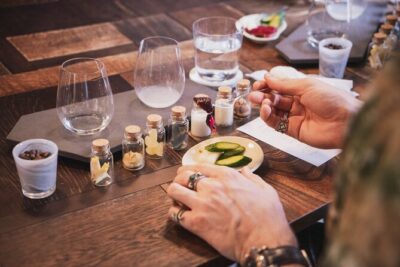
Sake Omakase in Tokyo: Guided Tasting by Certified Sommeliers
Read our review →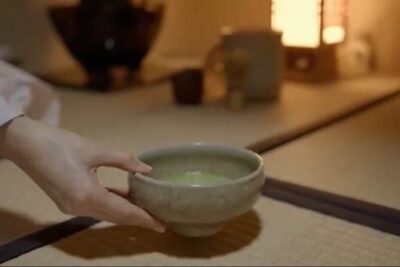
Private Tea Ceremony and Sake Tasting in Kyoto Samurai House
Read our review →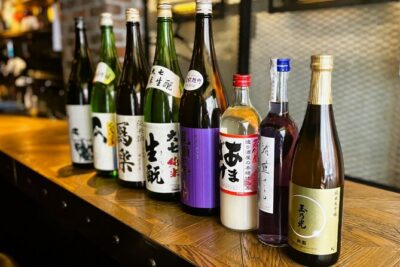
Casual Japanese SAKE tasting and snack experience in Kabukicho
Read our review →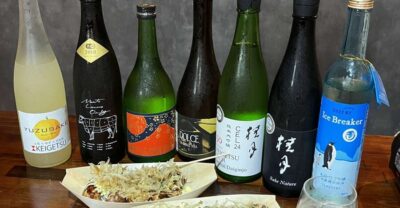
Browse the lists this tour appears in