
Reviewed · SAKE TASTING
Advanced Kyoto Insider Sake Tasting Experience
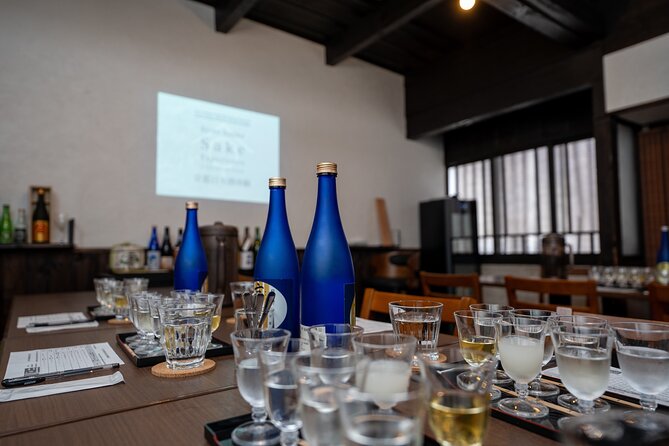
Kyoto’s sake scene gets far more interesting when you move past the standard sweet-versus-dry lesson. This two-hour tasting puts 10 carefully chosen sakes side by side, including bottles made with ancient methods, unusual fermentation techniques, and local wood that changes the flavor.
I like the clear comparison format and the practical bottle-reading lesson. You do not just sip one drink after another. You learn why each sake tastes different, then practice using real labels you may encounter in Japanese restaurants. The possible drawback is simple: food is not included, so you should eat lunch or brunch first.
Key points
- Ten distinctive sakes: The lineup is built for comparison, with unusual brewing methods and flavor profiles rather than a basic sampler.
- Expert-led instruction: A certified sake expert explains production, categories, fermentation, and the structure of flavor.
- Ancient and modern techniques: You may taste sake made with traditional methods, creative fermentation, and local wood.
- Useful label practice: You work with real sake bottles and labels used in restaurants, a skill that helps after the class.
- Small-group format: The tasting has a maximum of 12 people, allowing a more focused class.
- Plan around the rules: You must be at least 20 to drink, and alcohol is not served to anyone arriving by car or bicycle.
Why this Kyoto sake class goes beyond the usual tasting
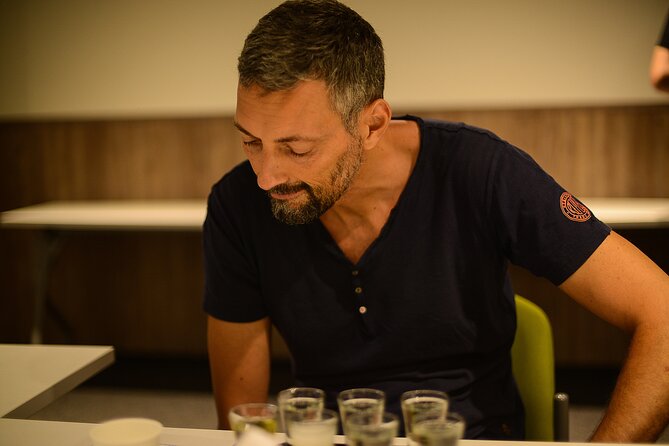
Many sake tastings stay at the beginner level: here is a light sake, here is a fuller one, and here is how rice becomes alcohol. This experience covers those basics, but it aims at a more useful question: How did the brewer create this particular flavor?
That shift matters. Sake is not one single style. Brewing choices affect aroma, texture, sweetness, acidity, weight, and the way the drink finishes. Two bottles can both be called sake yet offer very different experiences at the table.
The class focuses on comparison. You taste a selection of 10 sakes chosen for their distinct character, then consider how materials and methods have shaped the result. Some examples use old brewing ideas. Others show the creative force of microorganisms during fermentation. Some use local wood, giving the drink a sense of place through aroma and taste.
I like this approach because it gives you a way to think about sake after the class ends. Instead of memorizing a few categories, you begin to notice the decisions behind the bottle.
The session is suitable for a curious beginner, but it has extra value if you already drink sake. Someone new to nihonshu can learn the foundations, while a more experienced drinker can sharpen the ability to compare and choose bottles.
More Sake Tastings in Kyoto:
- 3-Hour Kyoto Insider Sake Brewery Tour with Tastings & Pairings
★ 5.0 · 917 reviews - Kyoto Sake Brewery & Tasting Walking Tour
★ 5.0 · 623 reviews - 1.5-Hour Kyoto Insider Sake Experience with 7 Tastings & Pairings
★ 5.0 · 297 reviews
Entering the dedicated tasting room in Fushimi
The experience begins at Kyoto Insider Sake Experience, at 271-1 Kurumamachi in Kyoto’s Fushimi Ward. The tasting takes place in the company’s own dedicated room and ends at the same location.
Fushimi is a fitting part of Kyoto for a sake activity. The important practical point is that the meeting place is near public transportation, so you can arrive without needing a car. Since alcohol will not be served to anyone who arrives by car or bicycle, plan your route with public transportation in mind.
The mobile ticket makes arrival straightforward. Your booking confirmation is issued at the time of reservation, and the session is capped at 12 people. That is small enough for a class rather than a crowded bar tasting.
You should arrive ready to focus for roughly two hours. This is not set up as a quick drink before sightseeing. The format asks you to listen, compare, taste, and make sense of what is in your glass.
Starting with the foundations of sake
The class begins with the building blocks of sake production and the main categories. That foundation is important, even for experienced drinkers, because Japanese sake labels and brewing terms can feel confusing at first.
You will get context for how sake is made and how different choices affect the finished drink. The lesson covers brewing methods, sake styles, and flavor structure. The goal is not to overwhelm you with technical language, but to give you a framework for understanding the tasting that follows.
This early explanation helps a beginner keep up. You do not need to arrive with specialist knowledge. At the same time, the material does not stop at a simple introduction, so an experienced sake drinker is unlikely to feel that the class is only covering obvious points.
The strongest part of this format is the link between explanation and tasting. A brewing detail becomes easier to remember when you can test its effect in the glass. You are not simply told that fermentation matters. You taste how fermentation choices can change the character of sake.
Comparing 10 sakes with different brewing ideas
The central part of the session is the tasting of 10 carefully selected sakes. The number is generous for a two-hour class, but the point is not to rush through 10 small drinks. The bottles are chosen to make comparison useful.
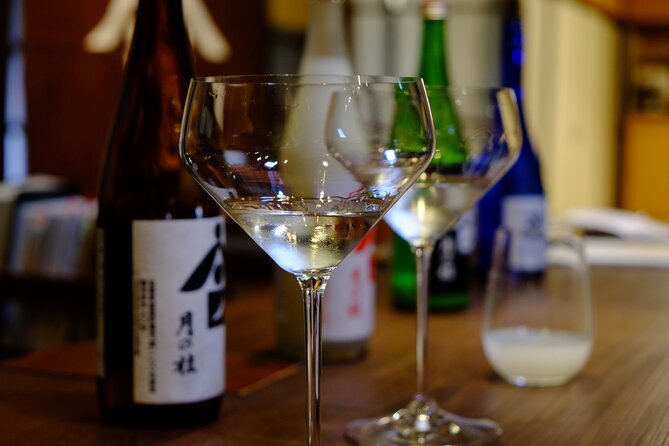
You may taste sake made with ancient techniques alongside examples that use newer or more experimental fermentation ideas. The selection also includes sake made with local wood, which can give the brew a distinct regional character.
That range lets you see how broad sake can be. One bottle may feel familiar and balanced, while another may seem surprising because of its aroma, texture, or finish. The contrast is the lesson. You learn that the final taste reflects more than the rice or the alcohol level.
I especially like the use of unusual production methods as a teaching tool. A regular tasting can leave you with a list of bottles you liked. This one is designed to help you understand why you liked them, and why another bottle may appeal to you less.
The expert guides the comparisons and explains the flavor structure behind each sake. You can ask questions and work out your own preferences rather than being told which bottle is best.
Keep in mind that there is no food pairing or snack service included. With 10 pours and a full lesson, eating lunch or brunch beforehand is sensible. This is also one reason the experience may suit people who want a serious tasting, but not someone looking for a meal with drinks.
More Sake Tours in Kyoto:
- Kyoto: Insider Sake Brewery Tour with Sake and Food Pairing
★ 5.0 · 704 reviews - Kyoto: Insider Sake Experience with 7 Tastings and Snacks
★ 5.0 · 266 reviews - Private Tea Ceremony and Sake Tasting in Kyoto Samurai House
★ 5.0 · 163 reviews - Kyoto: Sake Brewery and Tasting Tour in Fushimi
★ 4.8 · 55 reviews
Learning what microorganisms and local wood can do
The most unusual material in the class concerns the role of microorganisms and local wood. These are not just decorative details. They show how sake makers can use ingredients and natural processes to create a different result.
Fermentation is central to sake, and small changes in the process can affect aroma, texture, acidity, and sweetness. The class uses its selections to show the creative power of microorganisms rather than presenting brewing as a fixed recipe.
The local wood examples add another layer. Wood can give a drink its own regional character, so you get a clearer idea of how materials influence the final bottle. This is a useful reminder that sake is tied to place, even when the drink is served far from the brewery.
You may not leave able to identify every brewing method on a blind tasting, and the class does not promise that. What you should gain is a better set of questions. What was used during fermentation? How was the sake made? What materials shaped the aroma and finish? Those questions make future tastings more rewarding.
Practicing with real Japanese sake labels
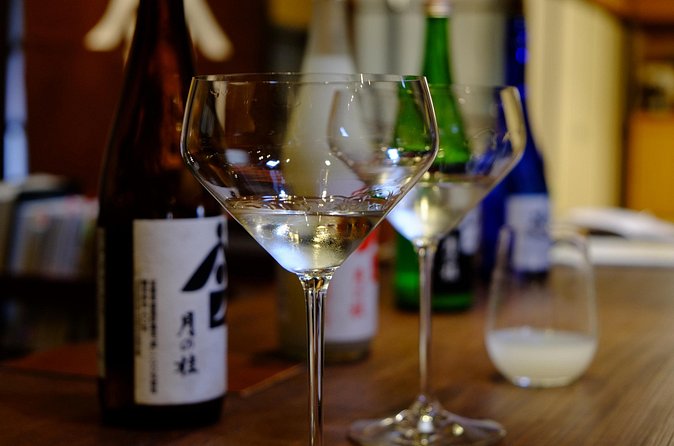
One of the most practical features is the hands-on lesson with real sake bottles and labels used in restaurants. Reading a Japanese sake menu can be intimidating, particularly when several bottles have unfamiliar names and technical terms.
The class gives you a chance to examine labels in a guided setting. You learn how to find useful information and connect it to what you taste. That skill has value beyond this two-hour session because it can help you make a more confident choice at dinner.
This is also where the class earns its advanced label. You are not only learning what sake is. You are practicing how to evaluate and select it.
The tasting notes and reference materials add to that usefulness. You can take the information with you and use it as a reminder when you encounter new bottles later. For someone who wants a lasting takeaway, this is more helpful than a tasting that ends when the final glass is cleared.
How the small group affects the experience
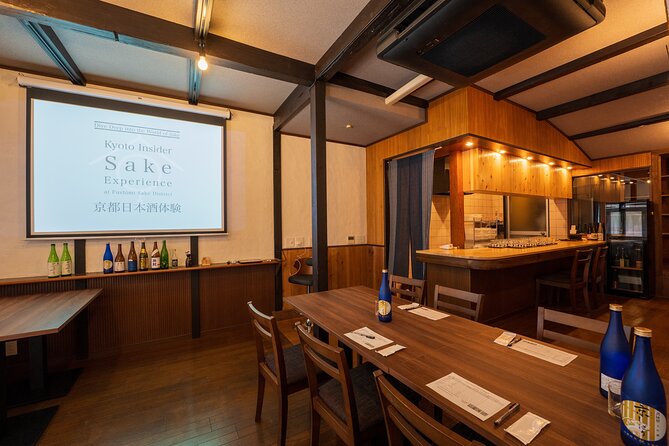
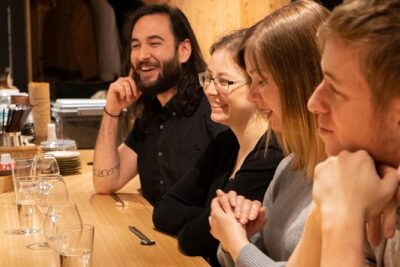
The maximum group size is 12 people. That creates a more focused setting than a large public tasting, especially when the class includes explanation, comparison, and label practice.
A small group also makes it easier to follow the instructor’s examples and consider your own reactions. You have room to notice differences between the bottles rather than treating the event as a fast round of samples.
The experience is led by a certified sake expert. The strongest praise centers on the instructor’s teaching style, with the class described as friendly, educational, and clear in its coverage of sake history, production, and taste.
No individual guide name is provided, so do not book expecting a particular named host. What is specified is the expert-led format and the use of presentations, tasting guidance, and reference material.
This is a class, not a drop-in bar. Anyone joining, including children and non-drinkers, must have a reservation. That rule may feel strict, but it helps keep the group size and tasting plan under control.
Who will get the most from the $74.64 price
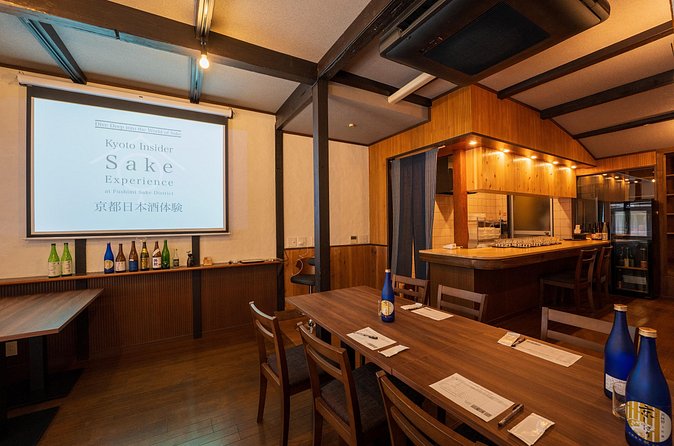
The price is $74.64 per person. That is not the cheapest way to have a single glass of sake in Kyoto, but the comparison is not really with a bar visit.
You are paying for about two hours of instruction, 10 sake samples, expert guidance, bottle-reading practice, tasting notes, and reference materials. If you want to understand sake and not just drink it, the package offers solid value.
The value is strongest for people who already have an interest in nihonshu. You will taste rare or unusual examples that may be difficult to encounter in an ordinary restaurant. The class also gives you a method for judging future bottles, which can save you from ordering blindly later.
A beginner can still justify the price if the goal is to build a foundation quickly. The class explains the basics before moving into more unusual territory, so you do not need years of prior experience.
The value is weaker if you mainly want a relaxed afternoon drink or a food-focused outing. Snacks and food pairings are not included, and the teaching takes up much of the session. You should choose this for learning and comparison, not for a casual meal.
The experience is often booked about 11 days ahead on average. That suggests it is wise to reserve before your Kyoto schedule fills, particularly if you need a specific date.
Practical rules before you book
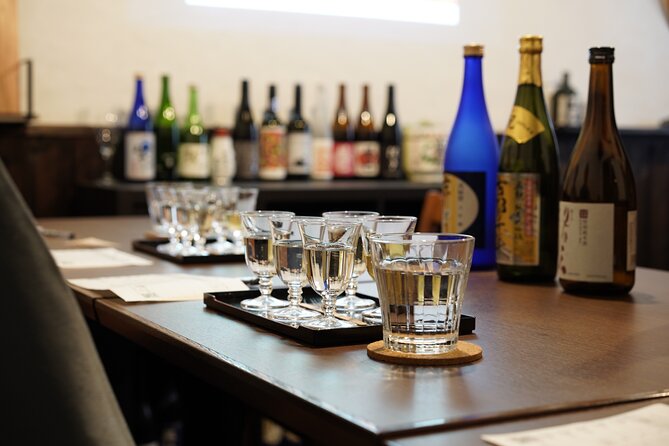
The legal drinking age in Japan is 20. Anyone under 20 receives non-alcoholic drinks only, and the activity is not designed as a family add-on. Children and non-drinkers still need a reservation if they are joining the group.
For safety and legal reasons, alcohol is not served to anyone who arrives by car or bicycle. Non-alcoholic drinks are available, but there is no refund if you cannot take part in the sake tasting after arriving by one of those methods.
The experience requires good weather and also has a minimum number of participants. If poor weather or low enrollment causes cancellation, you will be offered another date or experience, or a full refund.
You can cancel for a full refund up to 24 hours before the start time. Within 24 hours, cancellations and changes are not accepted for a refund. The cut-off follows Kyoto local time, so check the timing carefully if you are booking from another country.
The meeting point is both the start and end point. That makes it easier to fit the class into a day of sightseeing, since you do not have to arrange a separate return transfer.
The best match for this advanced Kyoto tasting
I would choose this experience if you want a serious look at sake and enjoy learning through comparison. It is especially well suited to someone who already drinks sake but wants to understand production methods, flavor structure, and labels with more confidence.
It also works for a mixed group. Two people with sake experience can explore the unusual bottles while a newcomer learns the basics. The class does not assume everyone begins at the same level.
You may want a different activity if food is central to your plans, since no snacks or pairing course is included. I would also skip it if you prefer a loose, social tasting with little instruction. This session has a clear educational purpose.
Should you book the Advanced Kyoto Insider Sake Tasting?
Book it if you want more than a standard flight of familiar sake. The 10-bottle comparison, unusual fermentation methods, local wood, and bottle-reading practice give you useful tools for choosing sake long after your Kyoto visit.
The main cautions are the lack of food, the 20-plus drinking rule, and the need to arrive by public transportation if you want the alcoholic tasting. Eat first, allow two hours, and reserve ahead if your dates are fixed.
For a sake beginner, it offers a strong foundation with room to grow. For an experienced drinker, it provides unusual bottles and a sharper way to think about what is in the glass. At $74.64, it is a good choice when your priority is understanding sake, not simply having a drink.
FAQ
How long does the Advanced Kyoto Insider Sake Tasting last?
The experience lasts approximately two hours.
Where does the sake tasting take place?
It takes place at Kyoto Insider Sake Experience, 271-1 Kurumamachi, Fushimi Ward, Kyoto, 612-8365, Japan.
Where does the activity end?
The activity ends back at the meeting point.
How many sakes will I taste?
You will taste 10 carefully selected sakes chosen for comparison, including examples with distinctive brewing methods and flavor profiles.
Is food included?
No. Snacks and food pairings are not included, so having lunch or brunch before the session is recommended.
How old must I be to drink?
The legal drinking age in Japan is 20. People under 20 will be served non-alcoholic drinks only.
Can I arrive by car or bicycle?
You can arrive, but alcohol will not be served to anyone who arrives by car or bicycle. Non-alcoholic drinks are available, and no refund is provided if you cannot take part in the sake tasting.
Can I cancel for a refund?
Yes. You can cancel at least 24 hours before the start time for a full refund. Cancellations or changes made less than 24 hours before the start time are not accepted for a refund.
Newly added around Kyoto
- Kyoto: Fushimi Sake District Tour with Boat Ride★ 4.6 · 10 reviews
- Japanese Sake Breweries Tour in Fushimi Kyoto★ 5.0 · 10 reviews
- Japanese Sake Breweries Tour in Kyoto Fushimi★ 4.3 · 13 reviews
- Private Nishiki Market Food & Sake Tour by Young Local Guides★ 5.0 · 12 reviews
- Private Sake Tasting in Central Kyoto with Sake Sommelier★ 5.0 · 13 reviews
- Kyoto Sake Brewery Tour with Lunch★ 4.5 · 12 reviews
- KYOTO Sake Tasting Tour at Local Breweries(tasting fee included)★ 5.0 · 16 reviews
- Kyoto: Foodie Night Tour in Gion with 9 dishes + 6 Sake★ 4.4 · 26 reviews
Sake Tasting, compared.

3-Hour Kyoto Insider Sake Brewery Tour with Tastings & Pairings
Read our review →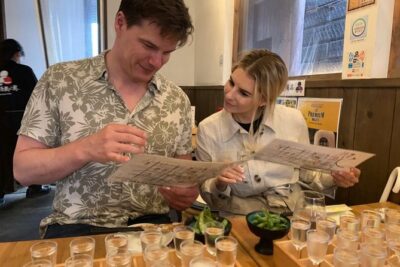
Sake Tasting Masterclass in Shinjuku (8+ Varieties with a Pro)
Read our review →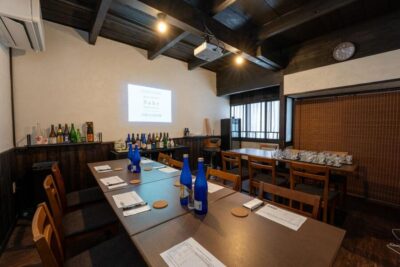
Insider Sake Experience with 7 Tastings and Snacks
Read our review →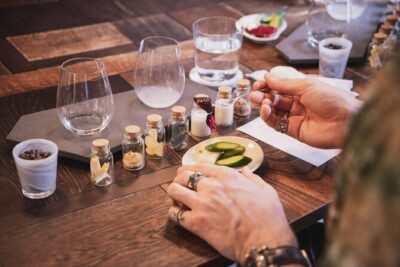
Sake Omakase in Tokyo: Guided Tasting by Certified Sommeliers
Read our review →
Private Tea Ceremony and Sake Tasting in Kyoto Samurai House
Read our review →
Casual Japanese SAKE tasting and snack experience in Kabukicho
Read our review →
Browse the lists this tour appears in