
Reviewed · SAKE BREWERY TOURS
Kobe: Guided Sake Breweries Tour with Tastings
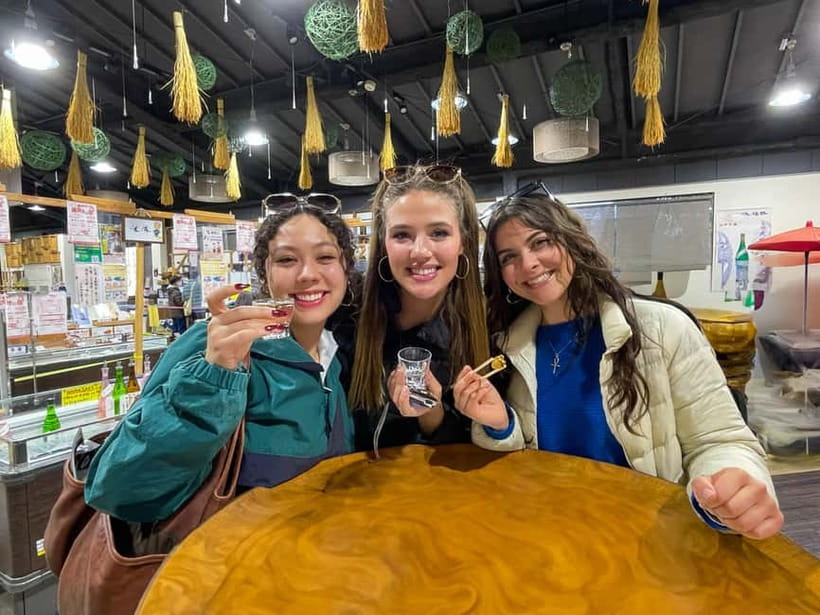
Nada is the place to learn sake in Kobe. In about three and a half hours, you walk from Ishiyagawa to Uozaki through a district with more than 26 breweries, tasting at historic makers and seeing how rice, water, yeast, and patient craft become Japan’s favorite drink. The small group keeps the tour personal, and guides such as Hiro, Romi, and Hiroman bring clear explanations and good humor.
I especially like the mix of large and small producers, from the handcrafted Fukuju sake at Kobe Shushinkan to the broad museum presentation at Hakutsuru. I also like the tofu stop, an ordinary local shop that gives the afternoon a welcome change of pace. The main caution is simple: you walk about 4 kilometers, taste several alcoholic drinks, and may finish tipsy, so eat first and wear shoes made for walking.
Key points at a glance
- Four sake stops may fit into one afternoon: The planned route visits Kobe Shushinkan, Hakutsuru, and Kiku-Masamune, with a possible fourth brewery depending on closures and conditions.
- Nada gives the tour real context: You are not tasting sake in isolation. You are walking through one of Japan’s best-known sake-producing districts.
- The tasting has range: Expect different styles from different breweries, with explanations of brewing methods, quality, and regional character.
- Fresh tofu breaks up the alcohol: Okage Tofu-an serves tofu made that morning, with ganmodoki possible when timing allows.
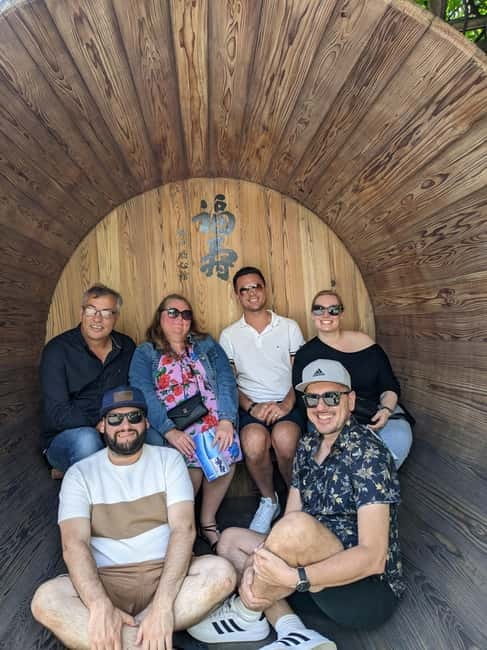
- The guides shape the experience: Hiro has used costumes and accessories to add fun, while Romi, Aya, Aki, Fuma, and Hiroman have all led tours praised for clear explanations and warm hosting.
- The practical trade-off is walking and alcohol: This is not a quick museum visit. It is a moving tasting tour for adults who can comfortably walk between stops.
Why Nada is the right place for a sake tour
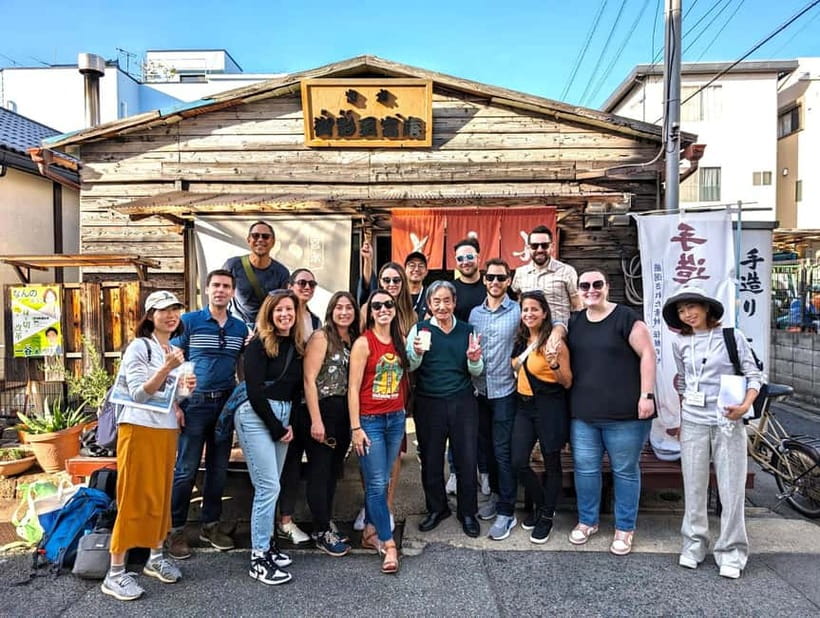
Kobe’s Nada district has been a major sake-making center for generations, and more than 26 breweries operate in the area. That concentration matters. Instead of spending the day crossing Kobe to find unrelated tasting rooms, you move through a compact zone where sake production is part of the local identity.
The route also shows how different a brewery visit can feel from one stop to the next. One producer focuses on handcrafted sake and a long-standing house label. Another presents the scale and machinery of Japan’s largest brewery. A third keeps traditional tools and the kimoto brewing method at the center of its display.
I like this kind of comparison because it gives you a better way to judge sake. You are not simply told that one bottle is premium or traditional. You can connect a taste to a producer, a method, and a place.
The tour starts at Ishiyagawa Station on the Hanshin Line at 1 p.m. Look for staff wearing a KampaiSakeTours name tag. From there, the group walks between stops and finishes at Uozaki Station around 4:30 p.m., also on the Hanshin Line.
More Sake Brewery Tours in Japan:
- 3-Hour Kyoto Insider Sake Brewery Tour with Tastings & Pairings
★ 5.0 · 917 reviews - Kyoto: Insider Sake Brewery Tour with Sake and Food Pairing
★ 5.0 · 704 reviews - Kyoto Sake Brewery & Tasting Walking Tour
★ 5.0 · 623 reviews
Kobe Shushinkan and the Fukuju tradition
The first major stop is Kobe Shushinkan, a brewery dating to 1751. Its sake is made under the Fukuju name, and the focus here is handcrafted production rather than mass output.
The visit gives you a useful introduction to the basic ideas behind sake. You learn how ingredients, brewing decisions, and time affect the finished drink, then taste several types from the brewery. The guide helps connect the technical points to what you have in the glass.
Fukuju is also a good early stop because it sets up the cultural side of sake. The brewery presents sake as something meant to bring people together and add a little happiness to daily life. That may sound lofty, but it makes sense once the tasting begins. Sake is not treated only as a product. It is part of meals, celebrations, local work, and social rituals.
Allow about 40 minutes here. That is long enough for an explanation and a proper tasting without making the afternoon feel like a lecture. Guides including Hiro and Romi have been praised for keeping the subject lively, while Hiroman has been especially good at explaining differences in quality and regional character.
The tofu stop at Okage Tofu-an
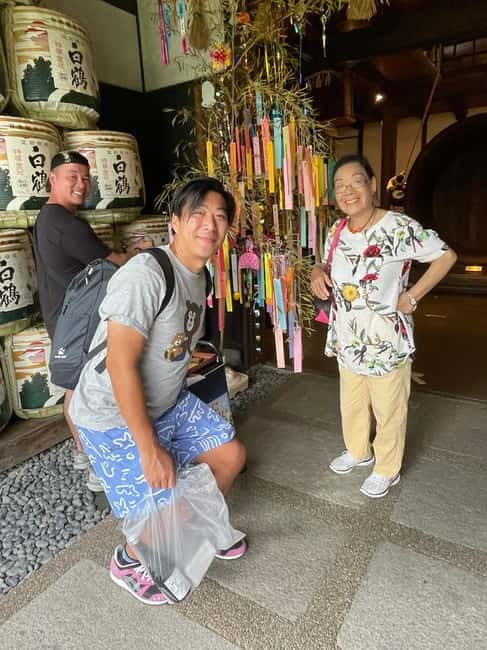
After roughly 20 minutes of walking from Kobe Shushinkan, the tour pauses at Okage Tofu-an for about 15 minutes. This small shop has made fresh tofu every morning for more than 60 years.
This stop is more important than it first appears. Sake tasting can become a parade of small pours, and tofu gives you a clean, delicate food to reset your palate. The shop also reflects a shared local concern: pure water matters to both tofu and sake.
When timing works, you may taste ganmodoki, a fried tofu and vegetable fritter served fresh from the kitchen. That detail gives the stop a pleasant sense of immediacy. You are not just seeing a packaged local specialty. You might get something made that morning.
The tofu shop is closed on Sundays and public holidays. On those days, the group skips the stop and there is no tofu tasting. Keep that in mind if the food element is a major reason you are booking.
Hakutsuru Sake Brewery Museum
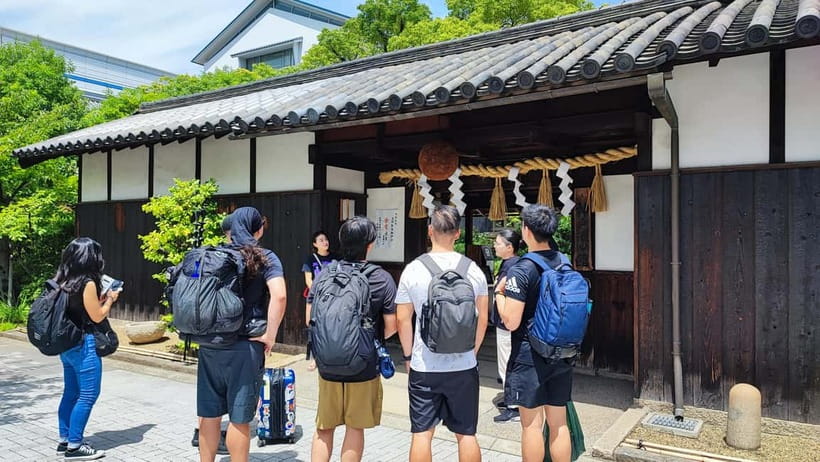
The next walk takes about 10 minutes and leads to the Hakutsuru Sake Brewery Museum. Hakutsuru is Japan’s largest sake brewery, so this stop gives you a different view from the smaller, craft-focused presentation at Kobe Shushinkan.
The old brewhouse has been opened to the public in its original form. Here you can see the tools and layout connected with traditional sake making and learn how the work was carried out in earlier times. The museum gives the brewing process a physical shape, which helps if you have only heard terms such as polishing, fermentation, or pressing in the abstract.
Plan on about an hour here. That makes it the longest stop, and rightly so. You have time to move through the displays, ask questions, taste sake, and browse the shop in the same building.
The tasting corner is useful for comparing what you just learned with actual samples. The shop also sells alcohol and souvenirs, so this is one of the places where you may want to buy a bottle. Bring a backpack rather than relying on small shopping bags, since the tour information specifically recommends one for local sake purchases.
One practical point: passport holders can be exempt from tax on purchases over JPY 5,500 at breweries. Ask about the process at the time of purchase and keep your passport available if you plan to use the exemption.
More Sake Tastings in Japan:
- 1.5-Hour Kyoto Insider Sake Experience with 7 Tastings & Pairings
★ 5.0 · 297 reviews - Sake Tasting Masterclass in Shinjuku (8+ Varieties with a Pro)
★ 5.0 · 271 reviews - Kyoto: Insider Sake Experience with 7 Tastings and Snacks
★ 5.0 · 266 reviews - Sake Omakase in Tokyo: Guided Tasting by Certified Sommeliers
★ 5.0 · 239 reviews
Kiku-Masamune and the kimoto method
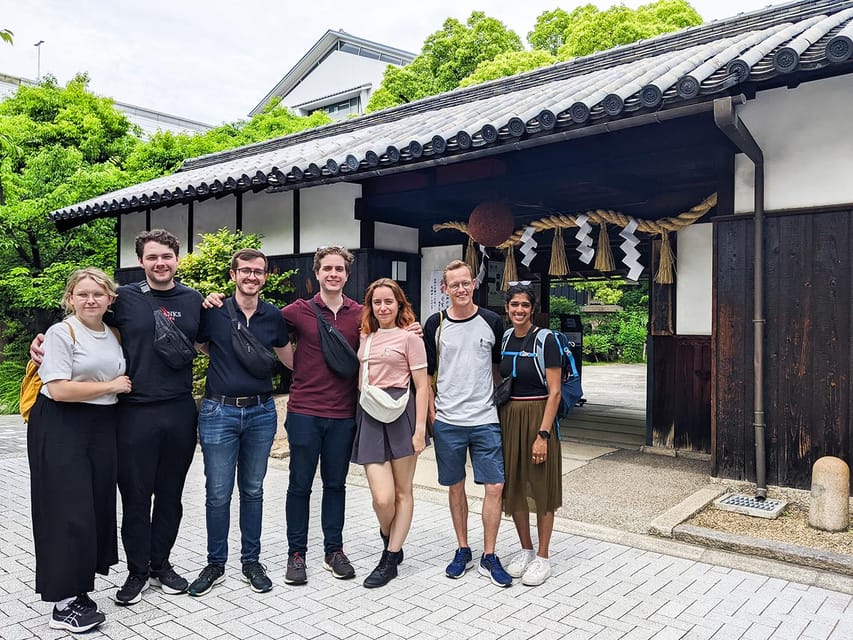
A 10-minute walk brings you to Kiku-Masamune, a brewery with roots going back to 1625. This stop is especially useful if you want to understand older brewing methods rather than simply sample finished sake.
Kiku-Masamune is known for preserving the traditional kimoto method of yeast preparation. The museum displays wooden sake-making tools and explains how sake was produced before modern equipment changed much of the work.
The visit lasts about 30 minutes. You will also taste sake in front of a Japanese garden, a calmer setting after the larger Hakutsuru museum. The combination of garden, tools, and tasting gives the stop a distinct mood without requiring a long formal visit.
If you are already interested in sake, this may be the most rewarding stop. The kimoto method gives the guide a specific subject to explain, and you can pay attention to how the brewery’s style differs from the other samples. If you are new to sake, do not worry about remembering every term. Focus on the broad contrast between traditional and modern production.
A route that may include three or four breweries
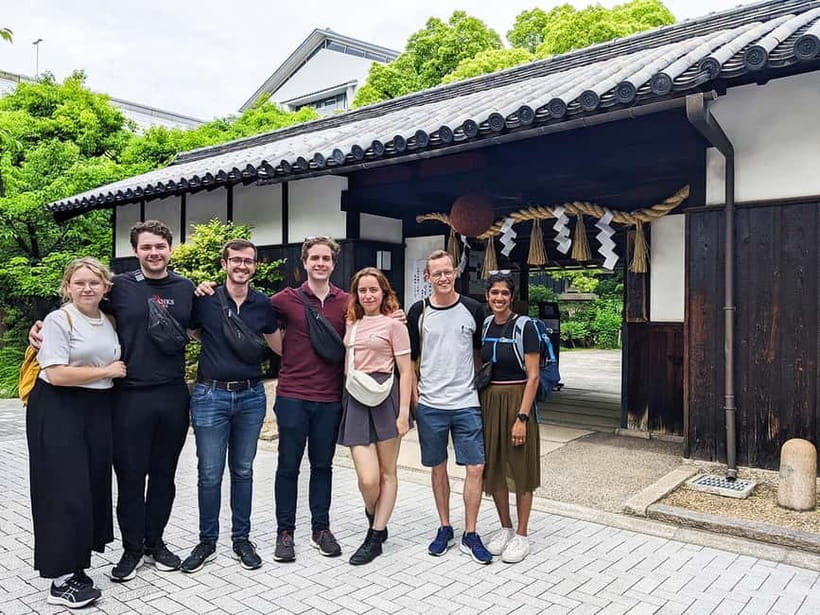
The advertised plan is flexible. The group visits three to four locations, and breweries can change because of regular closing days or weather. The listed route includes three key brewery stops, plus Okage Tofu-an, while additional brewery access may bring the total to four.
That flexibility is worth understanding before you book. You are buying a guided look at Nada’s sake culture, not a fixed promise that every named building will be open in exactly the same way. A closure may change the order or remove one stop.
The earlier start and finish times also make the tour easy to pair with an evening in Kobe. You finish at Uozaki around 4:30 p.m., leaving time for dinner, a Kobe beef meal, or the city’s night views. The tour can also work from Osaka, since one participant described the trip to Kobe as smooth and easy, though you should allow enough time to reach Ishiyagawa by 1 p.m.
What the sake tasting is like
The tasting is the heart of the experience, but you should not expect one identical pour at each brewery. The tour samples different types from the producers you visit, and the guide explains the brewing process and the differences between styles.
That explanation is where the $106 price begins to make sense. You could visit a brewery museum on your own for less, but you would have to manage the route, understand the displays, choose what to taste, and work out how the producers relate to each other. Here, the guide provides the thread connecting each sample.
The format also suits wine drinkers who want a point of comparison. One participant with a strong interest in wine appreciated the different levels of character and the food pairing, while also noting that sake has its own identity. You do not need prior sake knowledge. The guide can explain the basics, then give you enough context to notice the differences.
The amount you drink depends on the samples and the pace of the day, but the supplied advice is clear: eat something before joining. One participant said the group was definitely tipsy by the end. That is not a flaw, but it is a real part of planning. This is not a tasting where you should assume you can drive afterward or continue a demanding sightseeing schedule.
Professional tasters who intend to spit during the tasting should contact the operator in advance. The tour is designed as a tasting experience, not a formal evaluation session.
The guides make the difference
The guide is a major reason this tour works. The English-language leaders include Hiro, Romi, Hiroman, Aya, Aki, and Fuma, though the assigned guide can vary.
Hiro has been praised for combining sake knowledge with humor, and one tour included costumes and accessories that made the history more playful. Romi has been described as generous, considerate, and energetic, with a strong grasp of both brewing history and modern production. Aya has taken groups to places they might not find alone, while Hiroman has explained the differences in sake quality and brewing results clearly.
Those details matter because brewery museums can become dry if you move through them alone. A good guide turns wooden tools, rice preparation, and yeast methods into a story you can follow. The small group, limited to 10 people, should also make it easier to ask questions and hear the answers.
The tone is friendly rather than formal. You get information about sake and Kobe, but you also get jokes, local context, and a guide who can help connect the stops. For me, that makes this a better choice than a self-guided museum circuit if you want the afternoon to feel social.
Walking, timing, and what to bring
The full route covers about 4 kilometers on foot. The listed walking sections take approximately 20 minutes, then 10 minutes between later stops. You should wear comfortable shoes and be ready to walk outdoors between tastings.
The route is not presented as a strenuous hike, but the combination of distance, standing in museums, and alcohol can make it feel longer than the clock suggests. Eat before you arrive, drink water when available, and avoid scheduling a long hike or major attraction immediately afterward.
The tour is in English and runs for 210 minutes. It includes the walking tour, guide, sake tastings, and snacks. Hotel pickup and drop-off are not included, so you need to reach Ishiyagawa yourself and leave from Uozaki at the end.
If you use a wheelchair or bring a stroller, tell the operator when you reserve. The route involves walking between several locations, so advance notice is sensible. The experience is not suitable for pregnant women or anyone under 20.
Is $106 a fair price?
At $106 per person, this is not a cheap way to drink sake. It is a half-day cultural tour with a guide, several brewery visits, tastings, snacks, and a local food stop.
I think the price is fair if you value explanation and access. You are paying for the work of organizing multiple stops, translating the brewing story into English, and guiding a small group through a district that could be confusing to piece together alone. The inclusion of both the tofu tasting and the brewery museums adds more than alcohol to the afternoon.
The value is weaker if you only want a quick sample or already know Nada well. You may prefer visiting one museum and buying a bottle on your own. This tour makes more sense for someone who wants to compare producers, learn the basic brewing methods, and enjoy a social walk.
Free cancellation up to 24 hours before the start and reserve-now, pay-later booking make the commitment easier, especially when your Kobe schedule is still shifting. Those policies do not change the tour itself, but they are useful when planning a multi-city Japan trip.
Who should book it?
I would choose this for an adult who likes food, local production, and a little history, and who wants more context than a standard tasting counter provides. It is also a strong fit for wine drinkers, sake beginners, and anyone staying in Kobe or Osaka who can spare an afternoon.
You should think twice if you dislike walking, cannot drink alcohol, want a private experience, or need a completely fixed list of stops. The small group is a plus, but it does not remove the basic demands of the route.
The strongest reason to book is the combination of contrasts: handcrafted Fukuju, the scale of Hakutsuru, the older kimoto method at Kiku-Masamune, and fresh tofu made in a local shop. Add a warm guide such as Hiro or Romi, and the afternoon becomes more than a series of tastings. You get a readable introduction to why Nada matters.
FAQ
Where does the Kobe sake tour start?
The tour starts at Ishiyagawa Station on the Hanshin Line at 1 p.m. Staff wear a name tag with the KampaiSakeTours logo.
Where does the tour finish?
The tour finishes at Uozaki Station on the Hanshin Line at about 4:30 p.m.
How long does the tour last?
The tour lasts 210 minutes, or about three and a half hours.
How many breweries will I visit?
The tour visits three to four locations. The breweries can change because of regular closing days or weather conditions.
Is the tofu tasting available every day?
No. Okage Tofu-an is closed on Sundays and public holidays, so the tour does not stop there and tofu tastings are not available on those days.
Is the tour conducted in English?
Yes. The tour includes a live English-speaking guide.
What should I bring, and are there age restrictions?
Bring comfortable shoes, since the tour involves about 4 kilometers of walking. The experience is not suitable for pregnant women or people under 20.
Newly added around Japan
- Nara: Sake Tasting Tour at the Birthplace of Japanese Sake★ 4.9 · 8 reviews
- Kobe: Sake Brewery Tour with Tasting and Kobe Beef Bites★ 5.0 · 11 reviews
- Kobe: Sake Brewery Tour with Tasting Sake★ 4.7 · 9 reviews
- Kyoto: Fushimi Sake District Tour with Boat Ride★ 4.6 · 10 reviews
- Nara – Craft Beer, Sake, and Food Walking Tour★ 3.5 · 9 reviews
- World Heritage Himeji Castle & Sake Breweries Private Tour★ 4.5 · 11 reviews
- Visit behind the Scenes: Hiroshima Saijo Sake Brewery Tour★ 5.0 · 9 reviews
- Sake Town Tour in Saijo Hiroshima★ 5.0 · 9 reviews
Sake Brewery Tours, compared.

3-Hour Kyoto Insider Sake Brewery Tour with Tastings & Pairings
Read our review →
Insider Sake Brewery Tour with Sake and Food Pairing
Read our review →
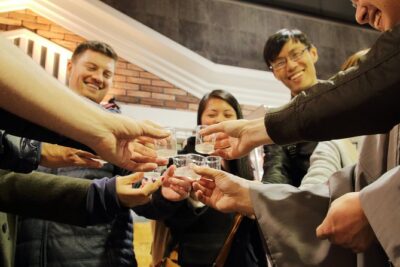
KOBE Sake Tasting Tour at Breweries (tasting fee included)
Read our review →
Hiroshima Saijo Sake Tasting Tour with visit to 7 Breweries
Read our review →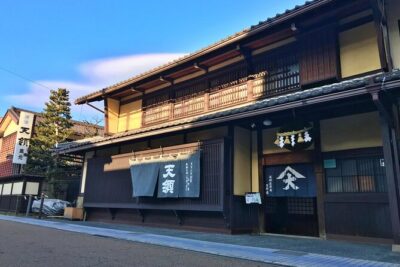
Private Sake Brewery Visit and Tasting Tour in Hida
Read our review →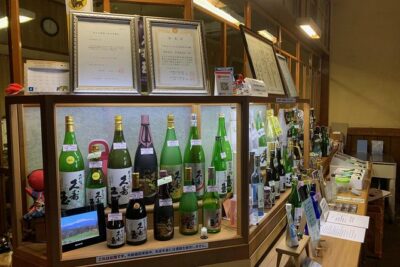
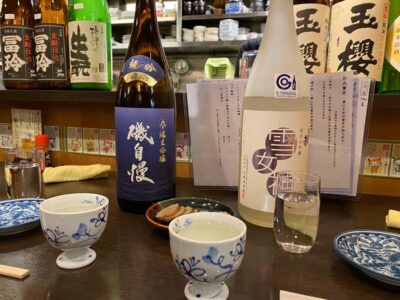
Browse the lists this tour appears in