
Reviewed · SAKE BREWERY TOURS
Hiroshima Saijo Sake Tasting Tour with visit to 7 Breweries
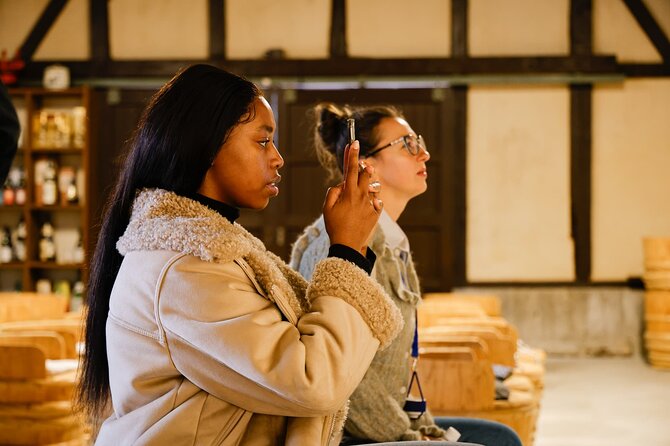
Saijo gives you a rare chance to compare eight kinds of sake from seven breweries in about two hours. This is not a brewing-floor tour. It is a tasting walk through one of Japan’s major sake-making districts, with each stop offering a different bottle, style, or piece of local brewing tradition.
I like the variety and the easy pace. You get Daiginjo, Junmai, dry sake, unfiltered sake, and cloudy sake instead of one long explanation followed by one sample. I also like the compact group, capped at 10 people, and the clear meeting point outside Saijo Station. The main drawback is that you walk about 1.5 kilometers while drinking, and the order of breweries may change.
Key points before you book
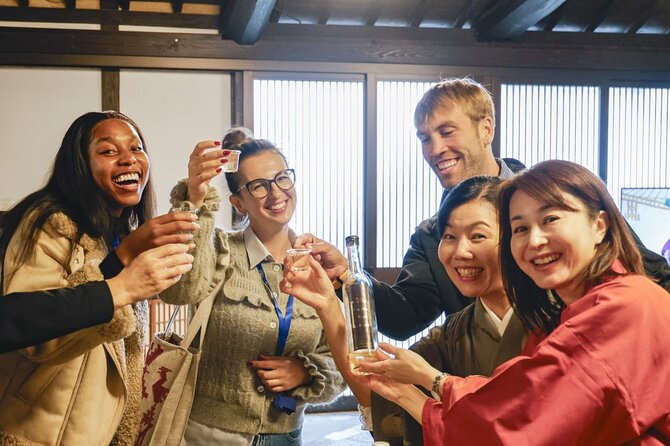
- Seven breweries in two hours: This is a tasting route through Saijo, not a single brewery visit.
- Eight different samples: You compare styles such as Daiginjo, Junmai, Junmai Ginjo, Genshu, unfiltered sake, and cloudy Nigori.
- Guide Ione has earned warm praise: Her tours combine sake facts with local background and a friendly manner.
- Easy rail access: Meet outside the ticket gate at Saijo Station, at the Higashi Hiroshima City Information Centre.
- No brewing-process visit: You watch a short sake-making video at Kamotsuru, but the tour focuses on tasting.
- Comfortable shoes matter: The walk is moderate, and the alcohol makes sensible pacing especially important.
Why Saijo is a good place to learn sake
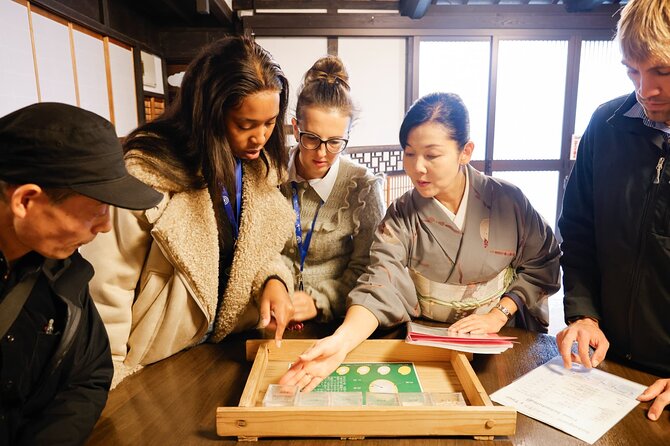
Saijo is one of Japan’s three major sake-brewing areas. That matters because you are not tasting random bottles gathered for a city bar crawl. You are walking through a district where several breweries operate close together, each with its own products and methods.
The tour also gives you a useful introduction to sake language. You will hear about Daiginjo, Junmai, Junmai Ginjo, Genshu, Nigori, and other styles while tasting examples. Instead of trying to remember a glossary from a museum panel, you can connect each term with an actual drink.
The setting helps, too. You begin at the Saijo Station information centre and move along the brewery district on foot. The route covers about 1.5 kilometers, so you get a sense of the town between tastings. This is a better format for understanding Saijo than being driven from one isolated producer to another.
At the same time, keep your expectations straight. You will not watch rice being steamed, koji being prepared, or sake being bottled. Kamotsuru includes a 10-minute introductory video, but most stops are short tastings with explanation.
More Sake Brewery Tours in Japan:
- 3-Hour Kyoto Insider Sake Brewery Tour with Tastings & Pairings
★ 5.0 · 917 reviews - Kyoto: Insider Sake Brewery Tour with Sake and Food Pairing
★ 5.0 · 704 reviews - Kyoto Sake Brewery & Tasting Walking Tour
★ 5.0 · 623 reviews
Meeting at Saijo Station at 1 p.m.
The tour begins at 1 p.m. in front of the Tourist Information Centre at Saijo Station. The centre is directly outside the ticket gate, at 12-3 Saijōhonmachi in Higashihiroshima.
This is a practical meeting point. You do not need to search for a tiny bar or identify a guide in a crowded downtown street. Arrive early, find the information centre, and make sure you are on the correct side of the station before the start time.
The late policy is strict. More than 15 minutes late counts as a cancellation, with no refund. That rule is worth taking seriously because the group begins on foot and will not be waiting at every stop.
The tour is limited to 10 people. A group this size should make it easier to hear the guide and ask questions, while still giving the walk a social feel. Guide Ione has been especially well received for clear explanations and a pleasant approach. Spanish-speaking guides can also be arranged if you request one in advance.
Kamotsuru and the first taste of Daiginjo
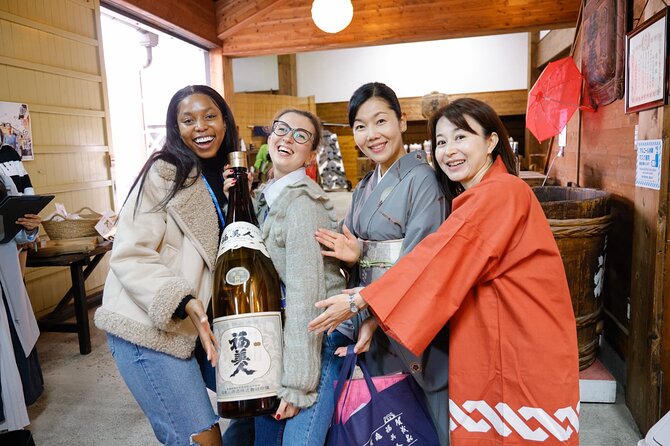
Kamotsuru is the first brewery stop and a strong introduction to the tour. The brewery is known for its role in Ginjo sake brewing, and the visit begins with a 10-minute video explaining how sake is made.
You then taste Daiginjo Gold Kamotsuru. Daiginjo is a useful first style because it introduces the polished, fragrant side of sake. The point is not just to decide if you like it. Your guide can help connect its name and brewing category to what you notice in the glass.
This stop gives you the most direct brewing context of the day, though it is still a short presentation rather than a production tour. If you want to walk through active brewing rooms, this experience will not meet that expectation. If you want a quick visual explanation before tasting several styles, it does the job.
Fukubijin and a winter cup of warm sake
Fukubijin is linked with Saijo’s brewing education and has trained many master brewers. Here, you taste Fukubijin Junmai-Shu.
Junmai is made with rice and koji mold as its basic ingredients, without added distilled alcohol. The tasting gives you an early chance to compare a Junmai sake with the Daiginjo from Kamotsuru.
During winter, you may also try warm sake. That seasonal detail is a nice touch because temperature can change how a sake feels and smells. It also makes this stop more than a fixed sample poured the same way all year.
The visit lasts about 10 minutes, so do not expect a long lesson. Its value comes from the comparison. You are building a small tasting reference point before moving to more breweries.
More Sake Tastings in Japan:
- 1.5-Hour Kyoto Insider Sake Experience with 7 Tastings & Pairings
★ 5.0 · 297 reviews - Sake Tasting Masterclass in Shinjuku (8+ Varieties with a Pro)
★ 5.0 · 271 reviews - Kyoto: Insider Sake Experience with 7 Tastings and Snacks
★ 5.0 · 266 reviews - Sake Omakase in Tokyo: Guided Tasting by Certified Sommeliers
★ 5.0 · 239 reviews
Kamoizumi and pure rice brewing
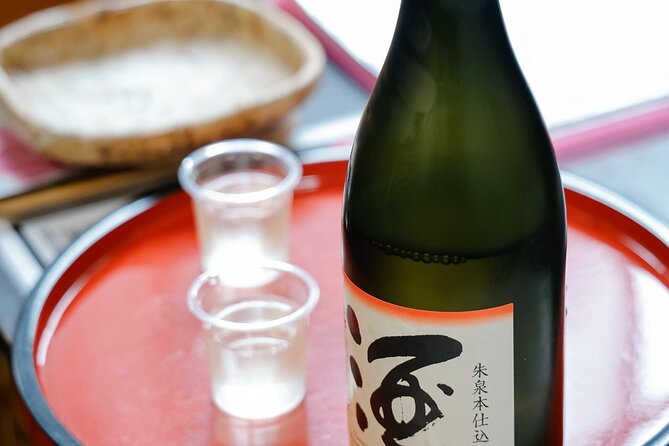
Kamoizumi was one of the first breweries in Japan to make Junmai-shu using only rice and koji mold as ingredients. The featured pour is Junmai Ginjoshu Shusen Honjikomi.
This is a useful stop for people who want to understand the difference between a broad category and a specific style. Junmai refers to the ingredients, while Ginjo refers to a particular level and method of rice polishing and brewing. You do not need to memorize every technical detail to benefit. The guide explains the terms as you taste.
The 15-minute visit is slightly longer than several other stops. That gives you more time to ask questions, compare the drink with earlier samples, and think about how a sake’s label relates to its flavor.
A pause at Sakaguradori Tourist Information Centre
Halfway through the route, the Sakaguradori Tourist Information Centre provides a sensible pause. You can use the restroom, pick up brochures about Sakagura-dori Street, and browse souvenirs.
This stop is not about another tasting, and that is a good thing. Eight samples in two hours can add up, even when each serving is modest. A short break lets you reset before the next brewery.
The centre is also useful if you want to extend your time in Saijo after the tour. You can gather local information and look for a small purchase connected to the sake district. One direct benefit noted about this stop is the chance to find a local lunch at the information centre, though lunch is not included in the tour price.
Kirei and Saijo’s drier side
Kirei Shuzo is described as drier than other Saijo sake. The featured drink is Yoshidaya’s Sake, a limited blend made with sake that is ready to drink in that month.
This is one of the more interesting tastings for comparison. Many first-time drinkers assume sake has one standard taste. A drier pour from Kirei helps show how broad the category can be.
The monthly blend also means the exact character may change with the available sake. You are not simply tasting a permanent flagship product. The sample reflects what the brewery has ready at that time, which gives the visit a seasonal quality.
The stop lasts about 10 minutes. Keep your questions focused, since the schedule moves quickly from one producer to the next.
Saijotsuru and award-winning Junmai Daiginjo
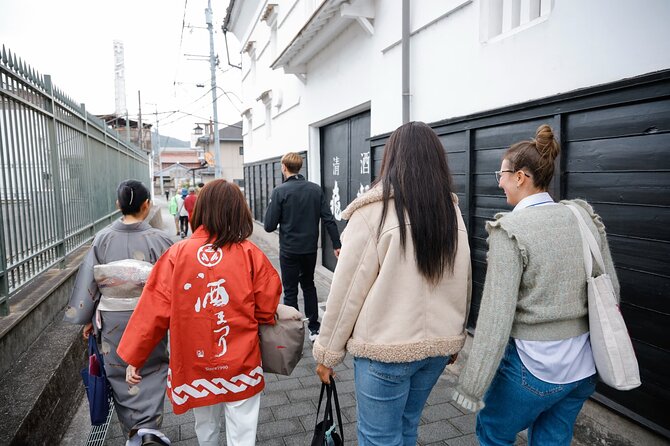
Saijotsuru uses traditional techniques passed down by Hiroshima sake brewers. The tasting here is Junmai Daiginjo Genshu Shinzui, a style that has received repeated awards.
The words can look intimidating on a label, but the tour helps make them practical. Junmai indicates the ingredient base, Daiginjo signals a refined brewing category, and Genshu means the sake is undiluted. You taste the finished drink while hearing what those terms mean.
This sample may appeal most to people who already enjoy sake and want to compare premium styles. New drinkers can still enjoy it, but you may find the number of categories hard to retain in one afternoon. I recommend taking mental notes based on simple impressions: dry or soft, light or full, fragrant or restrained.
Hakubotan and an unusual frozen sake
Hakubotan is one of Hiroshima Prefecture’s oldest breweries, founded in 1675. Its featured pour, Hyoka, is unfiltered sake that has been fresh frozen in a special way.
That makes this one of the tour’s most unusual stops. The sample is not just another example of a familiar style. It shows how storage and presentation can change the tasting experience.
The stop takes about 15 minutes, giving you enough time to ask about the frozen treatment and how it differs from ordinary unfiltered sake. The details provided for the tour do not explain the full production process, so think of this as a chance to taste something distinctive rather than a technical class.
The brewery’s age also adds useful context, but the real value is still the glass in front of you. A historic date alone does not tell you whether you will like a sake. The tasting does.
Sanyotsuru and cloudy Nigori
Sanyotsuru is the only brewery on the route west of Saijo Station. Here, you can taste cloudy sake and browse sake ware for sale.
Cloudy sake usually has a visible milky appearance because some rice solids remain in the drink. For someone new to sake, this can be a memorable final sample because it looks and tastes different from the clearer pours earlier in the afternoon.
The stop lasts about 15 minutes. Since the tour ends back at the meeting point, the western location gives the walking route a clear finish rather than leaving you stranded at a distant brewery.
The sake ware is another small bonus. It gives you the chance to look at serving pieces as well as bottles. Purchases are not included, so bring your own budget if you want a souvenir.
What the $50.87 price gets you
At $50.87 per person, the value depends on how you use the tastings. You receive eight alcoholic samples, an English-speaking guide, and a two-hour route through seven breweries. You also avoid the work of planning which producers are open, finding each address, and understanding the labels alone.
The price looks fair for a small group with this much variety. A self-guided route may cost less, but it would not necessarily give you eight planned tastings or an explanation of why each sake differs. You might also lose time figuring out the route and opening hours.
The value is weaker if you do not drink alcohol. The fee remains the same even if you decide not to taste. This is a sake education through drinking, not a general Saijo sightseeing walk with optional samples.
There are no services beyond the tastings and guide. Lunch, souvenirs, transport to or from Saijo, and anything else you buy are your responsibility. The tour ends at the starting point, so you can plan a meal afterward without arranging a separate return transfer.
Pace, walking, and drinking wisely
The route is about 1.5 kilometers and requires moderate physical fitness. That is not a major walk for most people, but it is still worth wearing comfortable shoes. You will stop often, yet you are moving between breweries rather than sitting in one tasting room.
The short schedule is both a strength and a limitation. You get a lot of variety without giving up half a day, but each brewery has only about 10 to 15 minutes. Ask your most important questions early, and do not worry about remembering every technical term.
Eight samples can affect you more than expected, even when each pour is small. Eat beforehand or plan food afterward, use the restroom during the information-centre stop, and pace yourself. The tour does not promise a meal.
Bad weather can cause cancellation. If that happens, the operator sends notice to your registered email by 5 p.m. the day before. You can cancel for a full refund up to 24 hours before the start time, but changes or cancellations inside that window are not refunded.
Who should book this Saijo tasting walk?
I recommend it most strongly to anyone who wants a broad first look at Hiroshima sake without spending a full day on a formal class. It also suits people who like comparing drinks, asking practical questions, and walking through a local district rather than sitting at one bar.
It is a good choice for couples, small groups of friends, and solo visitors who want a guide and a fixed plan. The group limit of 10 keeps the setting personal without making it feel private or expensive.
You may want a different activity if you are looking for production access, a long brewery lecture, a meal pairing, or a nonalcoholic tour. This route does not promise any of those. It is built around tasting eight samples and seeing seven brewery settings in a short period.
Should you book the seven-brewery tour?
Book it if you want the most variety for a two-hour visit to Saijo. The mix of Daiginjo, Junmai, Junmai Ginjo, dry sake, Genshu, frozen unfiltered sake, and cloudy sake gives you a practical sense of sake’s range.
I would also book it if you value a friendly guide. Ione’s clear and warm style has been a major strength, and the tour’s high rating reflects how much people enjoy the explanations and easy atmosphere.
Skip it if alcohol is not part of your plans, since the price does not change when you decline the samples. Also skip it if you want to watch active brewing. For everyone else, this is a focused, well-priced way to meet Saijo through the drink that made the town famous.
FAQ
Where does the sake tour begin?
It begins at 1 p.m. in front of the Higashihiroshima City Information Centre, outside the ticket gate at Saijo Station. The address is 12-3 Saijōhonmachi, Higashihiroshima, Hiroshima 739-0011, Japan.
How long does the tour last?
The tour lasts about two hours and ends back at the meeting point.
How much walking is involved?
You will walk approximately 1.5 kilometers between the breweries. Comfortable walking shoes are recommended, and moderate physical fitness is required.
How many sake samples are included?
Eight different types of sake are included, tasted across seven breweries.
Will I see the sake brewing process?
No. The experience is a tasting tour. At Kamotsuru, you watch a 10-minute video introducing sake making, but you do not observe the active brewing process.
Can I cancel for a full refund?
Yes. You must cancel at least 24 hours before the experience start time for a full refund. Cancellations or changes made less than 24 hours before the start time are not accepted for a refund.
Newly added around Japan
- Nara: Sake Tasting Tour at the Birthplace of Japanese Sake★ 4.9 · 8 reviews
- Kobe: Sake Brewery Tour with Tasting and Kobe Beef Bites★ 5.0 · 11 reviews
- Kobe: Sake Brewery Tour with Tasting Sake★ 4.7 · 9 reviews
- Kyoto: Fushimi Sake District Tour with Boat Ride★ 4.6 · 10 reviews
- Nara – Craft Beer, Sake, and Food Walking Tour★ 3.5 · 9 reviews
- World Heritage Himeji Castle & Sake Breweries Private Tour★ 4.5 · 11 reviews
- Visit behind the Scenes: Hiroshima Saijo Sake Brewery Tour★ 5.0 · 9 reviews
- Sake Town Tour in Saijo Hiroshima★ 5.0 · 9 reviews
Sake Brewery Tours, compared.

3-Hour Kyoto Insider Sake Brewery Tour with Tastings & Pairings
Read our review →
Insider Sake Brewery Tour with Sake and Food Pairing
Read our review →
KOBE Sake Tasting Tour at Breweries (tasting fee included)
Read our review →
Private Sake Brewery Visit and Tasting Tour in Hida
Read our review →
Browse the lists this tour appears in