
Reviewed · SAKE TASTING
Sake Tasting Masterclass in Shinjuku (8+ Varieties with a Pro)
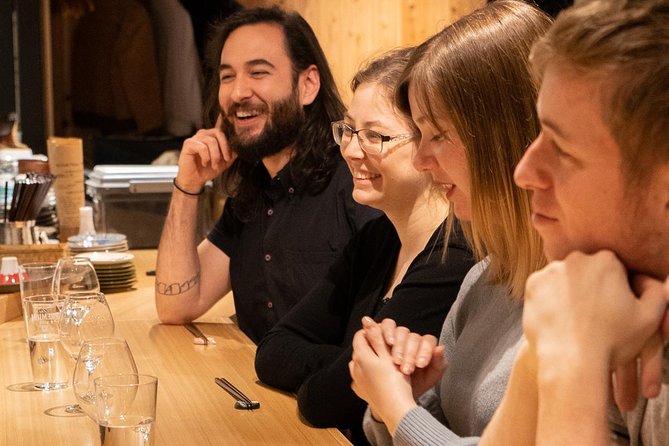
The most useful part of this Shinjuku sake class is that it turns a confusing restaurant list into something you can actually use. Over two hours, a sake sommelier explains brewing, labels, flavor styles, and food matches while you taste at least six varieties, sometimes nine or ten. Max, Joe, Tadashi, Andrea, and Megan are among the guides praised for making the class lively and easy to follow.
I like the small maximum of eight people, since you can ask questions without shouting across a room. I also like the practical advice on buying and ordering sake, plus the take-home notes some participants received. The main caution is simple: this is a generous amount of alcohol for two hours, and several people found themselves quite buzzed. Eat beforehand, drink water, and pace yourself.
Key points to know before you book
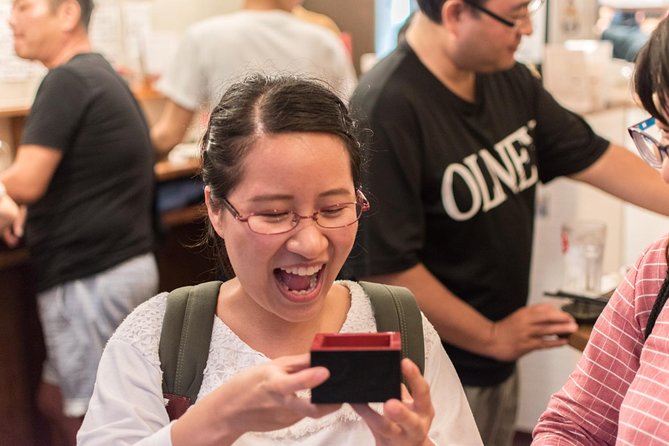
- Taste six or more styles: Some sessions include nine or ten pours, giving you a broad look at sake.
- Learn useful ordering skills: You will cover labels, flavor terms, brewing methods, and ways to choose a bottle.
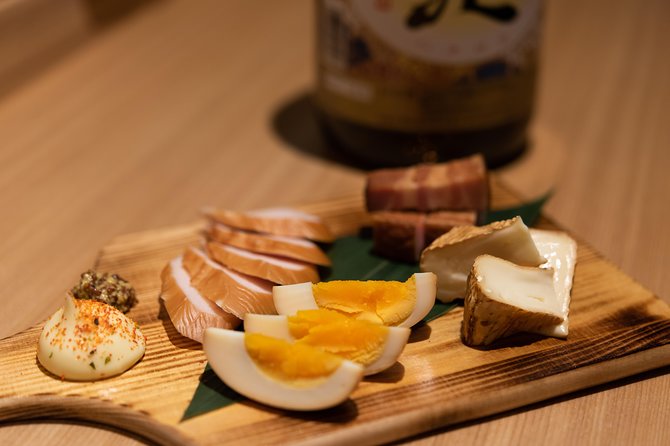
- Pair sake with snacks: Small locally sourced snacks show how different sake styles work with food.
- Small-group format: The class accepts no more than eight people, with personal attention from the guide.
- Central Shinjuku meeting point: The class starts at Ushinobi Shinjuku in the Wagyu & Sake NSK Building at 1:00 pm.
- Plan for a real tasting, not a token sip: Snacks are included, but they are not a full meal.
What the Shinjuku sake masterclass actually teaches
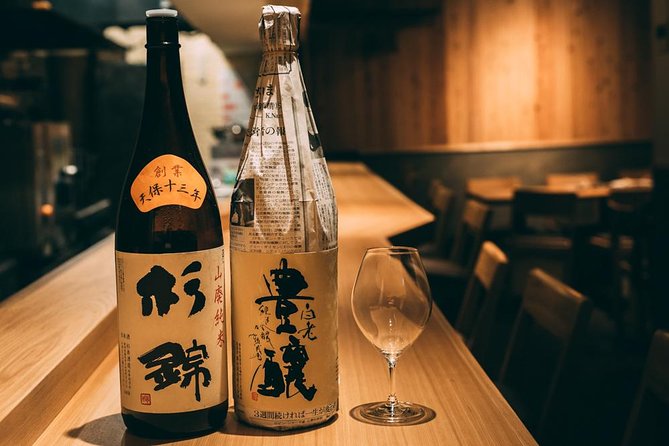
This is a compact Sake 101 lesson with a glass in your hand. You learn how sake is brewed, how its long history shaped the drink, and how to read the information printed on a bottle. The class also covers different types and flavor profiles, including lighter, fuller, modern, and more traditional styles.
That framework matters because sake can look intimidating at a restaurant. Terms such as junmai and junmai daiginjo mean more once you understand what you are looking at. The goal is not to turn you into a professional. It is to help you spot what you like and order with less guesswork.
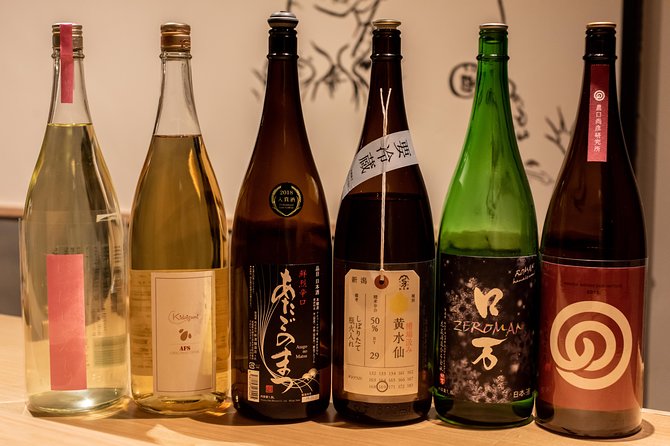
The tasting itself is the heart of the experience. You sample more than six varieties, with some sessions reaching nine or ten. The guide encourages you to compare them and create your own tasting chart, which gives the information a practical shape instead of leaving you with a blur of unfamiliar names.
I like this approach for first-time drinkers. You are not asked to pretend that every sake tastes different in a meaningful way. You can compare one pour with the next, notice your own preferences, and ask why one feels sweeter, lighter, drier, or fuller.
More Sake Tastings in Tokyo:
- Sake Omakase in Tokyo: Guided Tasting by Certified Sommeliers
★ 5.0 · 239 reviews - Casual Japanese SAKE tasting and snack experience in Kabukicho
★ 5.0 · 159 reviews - Tasting All Types of Sake with Sommelier
★ 5.0 · 151 reviews
Meeting in Nishishinjuku at 1:00 pm
The meeting point is Ushinobi Shinjuku, located in the Wagyu & Sake NSK Building at 1-chōme-22-1 Hyakuninchō, Shinjuku City. The activity begins at 1:00 pm and ends back at the same meeting point.
This is a useful afternoon position in your Tokyo plans. You do not need to spend the whole day on the activity, and the class can give you enough confidence to order sake later that evening. It is also near public transportation, though you should check the exact building and meeting instructions before setting out.
One practical warning comes from the meeting details: at least one participant initially went to the wrong place because the location information caused confusion. Allow a little extra time and confirm Ushinobi Shinjuku rather than relying on a vague search for a sake class in Shinjuku.
There is no hotel pickup, and transportation to or from attractions is not included. You make your own way there and back. That keeps the price focused on the instruction, tasting, and food rather than on a guide escorting you around Tokyo.
The tasting table: from first sip to final pour
The class starts with an explanation of sake before moving through the samples. The guide discusses ingredients, brewing techniques, and the information used to describe each bottle. You then taste the sake and note what you detect on your own chart.
The number of pours is worth taking seriously. The official description promises at least six varieties, but several accounts describe nine or ten. That is excellent for comparison, yet it also means this is not a light sampling of tiny symbolic sips.
A first-time drinker found ten tastings too much and felt that the technical information came quickly. That is a fair concern. The class is designed to serve both beginners and people who already enjoy sake, so the amount of material may feel brisk if you have no background at all.
The good news is that the teaching appears flexible. Guides such as Joe, Max, Tadashi, Andrea, Megan, Cassy, and Hawaii Joe were repeatedly praised for answering questions and keeping the tone relaxed. Your exact guide matters, and the experience may feel more technical or more casual depending on who leads your session.
Do not treat the samples like wine tasting portions that you must finish automatically. Ask questions, use the water provided if available, and pace yourself. The supplied details specifically recommend eating before the class, and that advice is worth following. The included snacks help, but they are not a full meal.
Why the food pairings matter
Sake is often introduced as a drink to order with Japanese food, yet many people only learn broad labels such as dry or sweet. This class shows the relationship more directly by serving locally sourced snacks alongside the pours.
The snacks are not an extra meal. Think of them as small pairings that help you notice how a sake changes beside food. A style that seems sharp on its own may work better with a savory bite, while a fuller or more rounded style can feel different beside another snack.
That makes the lesson more useful than a row of unrelated samples. You are not just asking which bottle you prefer. You are also learning when you might choose it at a restaurant.
I especially like this part for people who enjoy food but do not yet understand sake. The pairing lesson gives you a simple way to remember the experience later: not only I liked that sake, but I liked that sake with this kind of food.
More Sake Tours in Tokyo:
- Ramen and Sushi Cooking Class with Sake Pairing Set in Tokyo
★ 5.0 · 291 reviews - Wagyu & Sake Pairing in Shinjuku – Steak, Shabu-Shabu & More
★ 5.0 · 112 reviews - Tokyo Wagyu & Sake Pairing Tasting Experience with Local Flavors
★ 5.0 · 108 reviews - Tsukiji: Outer Market Walking Tour & Sake Tasting Experience
★ 4.9 · 81 reviews
The guides make the biggest difference
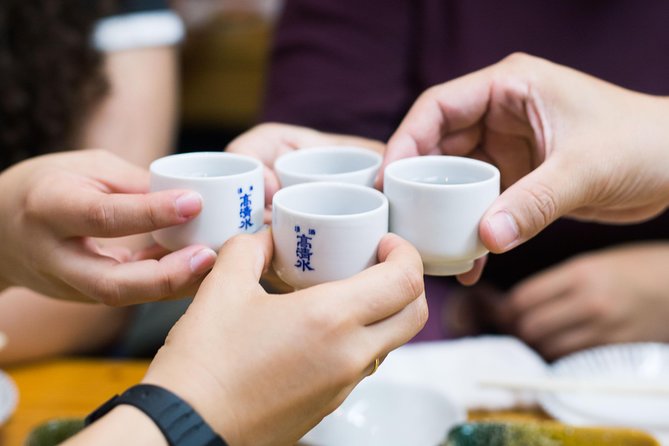
The strongest feature of this experience is the person leading it. Max is repeatedly praised for combining sake expertise with humor and an outgoing manner. Joe is described as both entertaining and helpful, with useful suggestions for eating and drinking during the rest of a Japan trip.
Tadashi receives similar praise for clear instruction, sake selections, and restaurant advice. Andrea is described as warm and welcoming, while Megan is noted for answering questions throughout the tasting. Cassy and Hawaii Joe are also praised for making the class lively and approachable.
These details matter because sake can become overly technical very quickly. A guide who explains the terms, then brings them back to the glass in front of you, can make the difference between useful learning and information overload.
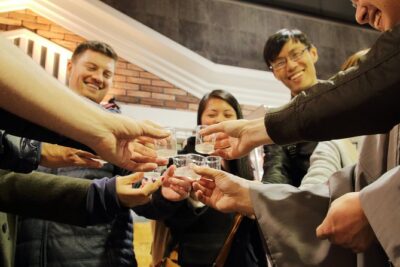
The group size supports that style. With a maximum of eight people, the setting should give you room to ask about a bottle, a flavor, or a label without turning the session into a lecture hall. One person even attended alone when there were no other bookings and received what was effectively a private tasting.
You cannot assume you will have a solo class, of course. But the small capacity is still a real advantage. It gives the guide a better chance to notice when you are confused, curious, or ready to move on.
What you can use after the class
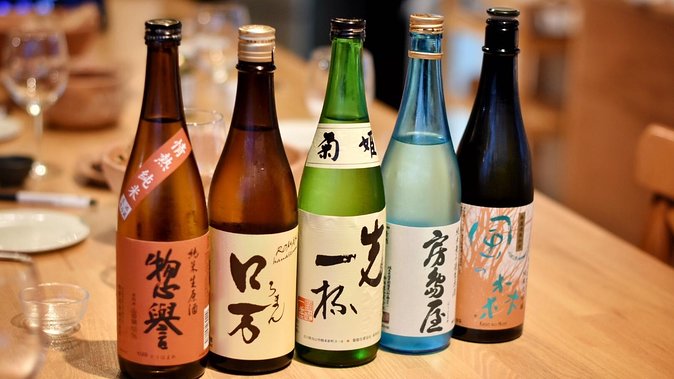
The most practical result is confidence. Several people left feeling able to order sake at a restaurant, and one person used the new vocabulary to choose junmai daiginjo on a flight home. That is exactly the kind of small travel skill that pays off after the activity ends.
You should come away with a better sense of:
- How brewing methods affect the finished drink
- Which label terms are worth noticing
- How to describe the styles you prefer
- How to compare lighter and fuller sake
- How to pair sake with food
- What to ask when buying or ordering a bottle
Some sessions include a take-home reference sheet. It is useful because you will not remember every term after several pours. A written guide can help you recognize a style later, especially when you are standing in a Japanese shop or looking at a long restaurant menu.
The local tips are another benefit. Guides may suggest places to eat and drink in Tokyo and beyond. These recommendations are not a substitute for a full food tour, but they can help you make better choices during the rest of your stay.
Is $72.29 a fair price?
At $72.29 per person, this is not the cheapest way to have a drink in Tokyo. It is also not simply a bar tab. Your price covers roughly two hours of instruction, at least six sake samples, snacks, and access to a specialist guide in a small group.
The value depends on what you want. If you already know exactly which sake you like and only want a few drinks, you can spend less on your own. If you want to understand labels, compare several styles, learn food pairings, and gain enough confidence to order later, the price is easier to justify.
I see the best value for a first or early-in-the-trip activity. Take the class near the start of your visit and you can use the information in izakayas, restaurants, shops, and department-store food areas afterward. It also works well for a couple or small group that wants a shared activity without committing to a full day of sightseeing.
The main value problem is alcohol tolerance. If you cannot comfortably handle several pours, you may not enjoy the full format. In that case, the educational material may be worth it, but you will need to pace yourself carefully.
Who should book this experience
This class suits sake beginners, curious food lovers, and people who enjoy structured tastings. It is also a good fit if you have tried sake before but still cannot explain the difference between the bottles you enjoy.
You do not need prior knowledge. Several people arrived knowing almost nothing and left feeling ready to order. The guide can give you the basics, then add more detail for people who want to learn about brewing and flavor terms.
Experienced sake drinkers can benefit too, particularly from tasting a broad set of varieties side by side and discussing food matches. Just keep your expectations realistic. This is a two-hour workshop, not an advanced professional certification course.
I would be more cautious about booking it for anyone who dislikes alcohol, has a low tolerance, or wants a full meal. The snacks are included, but they are expressly not a full-size meal. Eat before arriving, and plan a calm afternoon rather than stacking another demanding activity immediately afterward.
You must be at least 20 years old to drink in Japan, and this activity follows that minimum drinking age. Food restrictions should be sent to the provider at least a week before the date.
Booking details and cancellation timing
The activity uses a mobile ticket, and confirmation is provided when you book. The group maximum is eight people, and the experience starts and finishes at the Shinjuku meeting point.
Free cancellation is available up to 24 hours before the start time for a full refund. Inside that 24-hour window, the payment is not refunded, and changes are not accepted. The cut-off follows local Tokyo time, so check the clock carefully if you are changing plans from another time zone.
Should you book the Shinjuku sake class?
I would book this if you want more than a casual drink and would like to leave Japan able to choose sake with confidence. The small group, generous range of samples, food pairings, and practical ordering advice give the class real use beyond the afternoon itself.
Book it early in your Tokyo stay if possible. You can then put the vocabulary to work at dinner and visit sake shops with a clearer idea of what to seek.
Skip it if you want a full meal, a short tasting with only one or two pours, or a quiet nonalcoholic activity. For everyone else, especially first-time sake drinkers, this is a friendly and useful way to make sense of one of Japan’s most rewarding drinks.
FAQ
How long does the sake tasting last?
The experience lasts approximately two hours.
Where does the sake class meet?
You meet at Ushinobi Shinjuku in the Wagyu & Sake NSK Building, 201, 1-chōme-22-1 Hyakuninchō, Shinjuku City, Tokyo 169-0073. The activity ends at the same location.
What time does the class start?
The class starts at 1:00 pm.
How many types of sake will I taste?
You will taste at least six varieties. Some sessions include nine or ten different sakes.
Are food and drinks included?
Yes. Beverages and snacks are included, but the snacks are not a full-size meal.
What is the cancellation policy?
You can cancel at least 24 hours before the start time for a full refund. Cancellations or changes made less than 24 hours before the start time are not accepted, and the payment is not refunded.
Newly added around Tokyo
- Japanese Sake Tasting & Wagyu Sukiyaki Cooking Class in Tokyo★ 5.0 · 10 reviews
- Tokyo Sake Tour with a Local Guide, Private & Tailored to Your Taste★ 4.0 · 12 reviews
- 7 Kinds of Sake Tasting with Complementary Foods★ 5.0 · 11 reviews
- Wagyu Beef & Sake Pairing Foodie Tour in Tokyo★ 5.0 · 16 reviews
- Luxury Tokyo Sake, Cocktail, Whisky and Pairing Tour★ 5.0 · 18 reviews
- Sake & Food Pairing with Sake Professional★ 5.0 · 28 reviews
- 10 kinds Sake Tasting Experience in Tsukiji with local!!★ 5.0 · 19 reviews
- Private Tour: Tokyo’s Oldest Sake Brewery and Riverside Walk★ 5.0 · 25 reviews
Sake Tasting, compared.

3-Hour Kyoto Insider Sake Brewery Tour with Tastings & Pairings
Read our review →
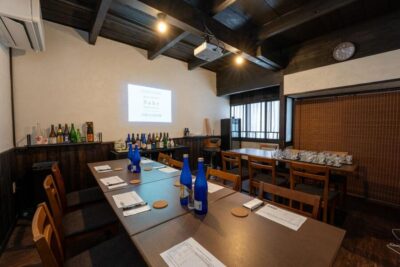
Insider Sake Experience with 7 Tastings and Snacks
Read our review →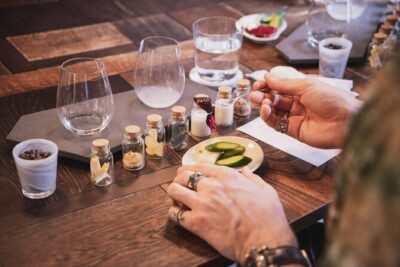
Sake Omakase in Tokyo: Guided Tasting by Certified Sommeliers
Read our review →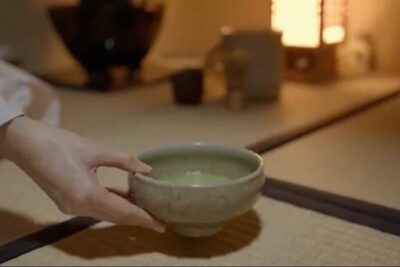
Private Tea Ceremony and Sake Tasting in Kyoto Samurai House
Read our review →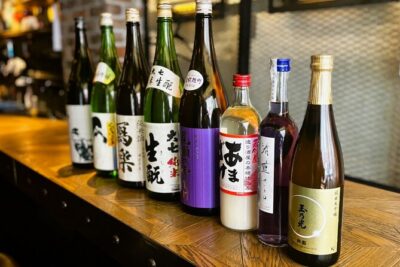
Casual Japanese SAKE tasting and snack experience in Kabukicho
Read our review →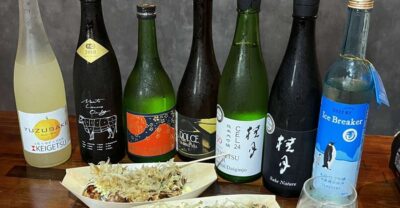
KOBE Sake Tasting Tour at Breweries (tasting fee included)
Read our review →Browse the lists this tour appears in