
Reviewed · KYOTO SAKE TOURS
Kyoto Food and Sake Tour Experience
Kyoto nights do not get much more unusual than this: you sip three kinds of sake while eating small obanzai dishes, reaching for Japanese sweets, or even making a cup of instant noodles. The foot-spa setting gives the visit a relaxed, casual feel rather than the formality of a serious tasting room.
I like the low price, especially because the tasting includes three sakes, food, unlimited dagashi, cup noodles, ice cream, and a hinoki cup to take home. I also like the location, only about three minutes from Kawaramachi Station, which makes it easy to fit into an evening in central Kyoto.
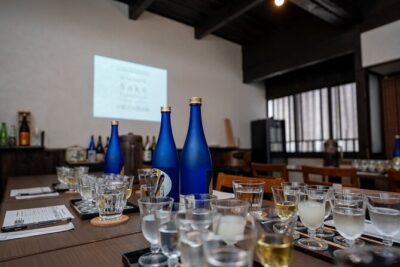
The main drawback is that this is not a deeply guided sake lesson. You receive tasting information on a menu, but the staff may not explain every bottle in detail. The use of large service bottles can also make the presentation feel less polished than the price might suggest.
Key points to know before you go
- Three sake styles in about 45 minutes: The tasting includes premium Japanese sake, including Junmai and Junmai Daiginjo styles from Kyoto and elsewhere.
- Obanzai snacks change: Three small Japanese appetizers are served, with examples such as grilled stingray fin, spicy cod roe, pickled jellyfish, salted squid, and wasabi octopus.
- Unlimited snack access: Dagashi sweets, instant cup noodles, and ice cream are included, giving the visit a playful late-night angle.
- The foot bath costs extra: You can use the on-site foot spa for ¥825 per person, but it is not part of the listed price.
- A practical Kyoto location: The bar is near Kawaramachi Station, and the activity returns to its starting point.
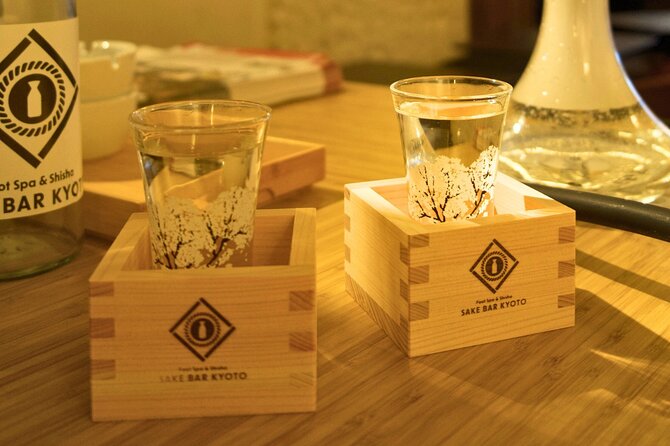
- A small souvenir is included: Each person receives an original sake cup made from fragrant hinoki wood.
A sake tasting with a distinctly casual Kyoto twist
SAKE BAR KYOTO is not trying to be a grand sake school. It is a short, social stop where the drink, snacks, and setting share equal billing.
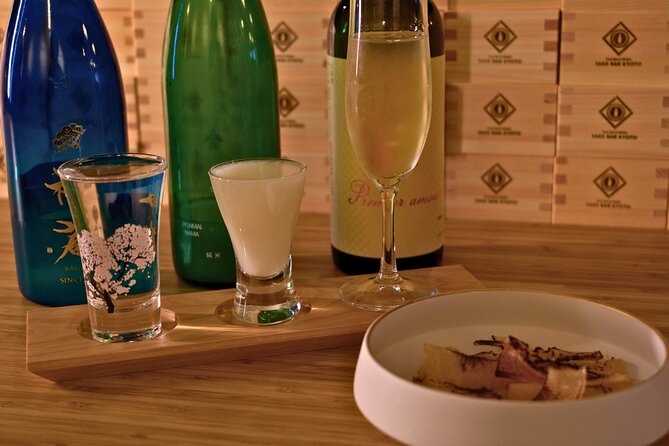
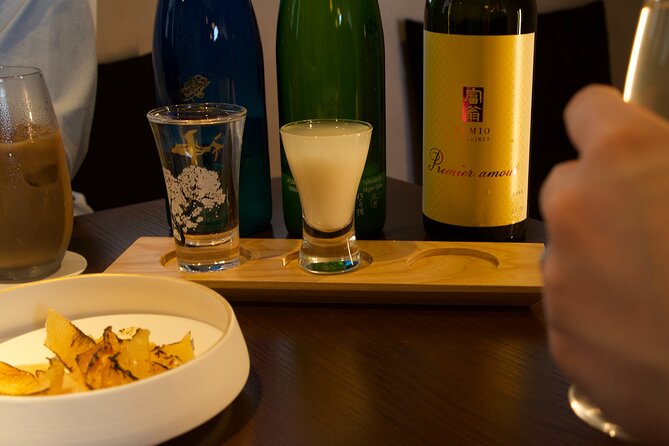
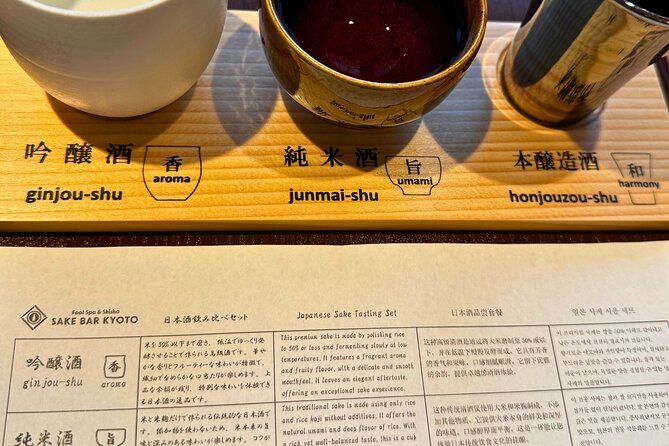
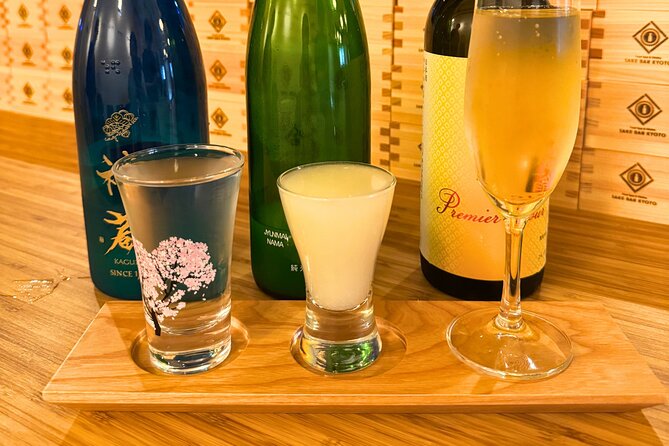
You begin with three kinds of Japanese sake. The selection can include Junmai, Junmai Daiginjo, and other varieties from Kyoto and beyond. The point is to compare them side by side, noticing differences in aroma, flavor, and general character.
That comparison is useful even if you know little about sake. Three pours let you spot contrasts instead of judging one drink in isolation. A Junmai may seem fuller or more direct, while a Junmai Daiginjo may come across as more delicate. The exact bottles are not fixed in the information provided, so you should treat the tasting as a seasonal or house selection rather than a guaranteed list.
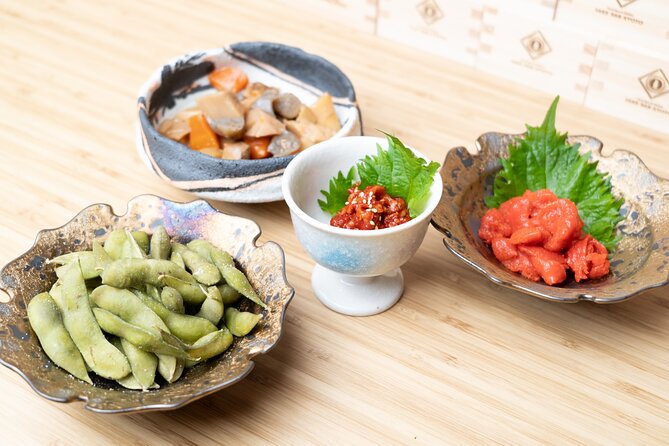
The tasting is paired with three obanzai appetizers. Obanzai refers to the home-style small dishes associated with Kyoto cooking. Here, the choices can be quite different from the familiar vegetable-focused dishes many people expect. Examples include grilled stingray fin, spicy cod roe, pickled jellyfish, salted squid, and wasabi octopus.
That list tells you something important about the experience. The food may lean toward salty, chewy, spicy, or seafood-heavy flavors that work well with sake. If you prefer mild food or do not eat seafood, ask about the current selection before settling in. The dishes change, and no fixed menu is promised.
More Sake Tours in Kyoto:
- 3-Hour Kyoto Insider Sake Brewery Tour with Tastings & Pairings
★ 5.0 · 917 reviews - Kyoto: Insider Sake Brewery Tour with Sake and Food Pairing
★ 5.0 · 704 reviews - Kyoto Sake Brewery & Tasting Walking Tour
★ 5.0 · 623 reviews
What the 45-minute visit feels like
The activity lasts about 45 minutes. That is enough time for a quick tasting and a few snacks, but not enough for a slow, highly detailed seminar.
The short length is a strength if you are planning a busy Kyoto evening. You can stop in after sightseeing, before dinner, or between other plans without giving up half the night. It also suits you if you want a first taste of sake without committing to a long formal session.
The pace may feel tight if you want extensive explanations. The available information describes a menu-based introduction to the sake rather than a named guide-led class. One poor rating specifically objected that no one explained the sake and that the three pours came from large bottles. That is a fair warning for anyone expecting expert storytelling about brewing regions, rice polishing, temperature, or production methods.
The provider explains the use of larger bottles as a way to compare styles easily. That makes practical sense, but it does not change the visual impression. If the look of the bottle and the presentation matters greatly to you, this may feel more like a friendly bar tasting than a polished sake counter.
Obanzai pairing: small dishes with strong flavors
The three appetizers are more than decoration. Salty and savory foods can make sake taste softer, rounder, or more balanced, and the pairing gives you something to do between sips.
You might receive grilled stingray fin, which is often appreciated for its firm texture, or spicy cod roe, which can bring heat and salt. Pickled jellyfish and salted squid add a chewy quality, while wasabi octopus gives the plate a sharper kick. These are examples only, not a promised combination.
I like this part because it has a local character without pretending to be a full Kyoto dinner. You get a taste of the snack-bar side of Japanese food culture, where small preserved or seasoned foods pair naturally with drinks.
Still, this is not a replacement for dinner. The appetizers are described as three kinds, and the tasting runs only 45 minutes. The unlimited snack station can help if you are still hungry, but you should plan a proper meal elsewhere if you want substantial food.
The foot spa changes the mood, but costs extra
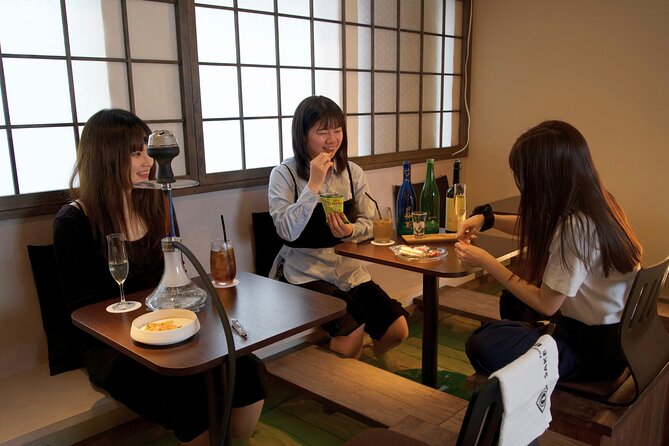
The bar’s unusual feature is the option to soak your feet while you drink. The foot spa is not included in the activity price and costs ¥825 per person.
That extra fee is worth considering because the foot bath is central to the setting. Without it, you still have the sake, food, snack access, and souvenir. With it, the stop becomes more of a relaxation break after a long day on Kyoto’s streets.
The setting may suit you especially well after temple visits or extended walking. You can sit, warm your feet, and enjoy a drink without needing a formal dining experience. The activity description does not specify how long the foot bath lasts or whether reservations are needed for that add-on, so ask on arrival if this feature is important to your plans.
There is also shisha on site for ¥2,750 per person. It is an optional extra, not part of the tasting price. If you are only interested in sake and snacks, you can ignore that charge.
Same corner of Kyoto, a different pour:
- 1.5-Hour Kyoto Insider Sake Experience with 7 Tastings & Pairings
★ 5.0 · 297 reviews - Kyoto: Insider Sake Experience with 7 Tastings and Snacks
★ 5.0 · 266 reviews - Private Tea Ceremony and Sake Tasting in Kyoto Samurai House
★ 5.0 · 163 reviews - Kyoto: Sake Brewery and Tasting Tour in Fushimi
★ 4.8 · 55 reviews
Dagashi, cup noodles, and ice cream
The unlimited snack access gives this place its most playful feature. Dagashi are inexpensive Japanese sweets and snack foods often associated with childhood shops and casual snacking. You can also have instant cup noodles and ice cream during the visit.
This is not what you expect from a traditional sake tasting, and that is precisely the point. The combination creates a relaxed bar experience rather than a formal food-and-drink pairing. You can move from a refined sake style to a familiar sweet or a warm cup noodle with no concern about keeping the evening serious.
The snack selection also improves the value of the low entry price. At $22.76 per person, the package includes more than three small pours. You receive the obanzai plate, access to the snack choices, and a souvenir cup. The price is strongest for someone who plans to use the snack offerings rather than simply taste the sake and leave.
Still, unlimited snacks do not mean unlimited sake. The included alcoholic portion is a tasting flight of three varieties. Do not book this expecting an open bar.
The hinoki cup is a useful souvenir
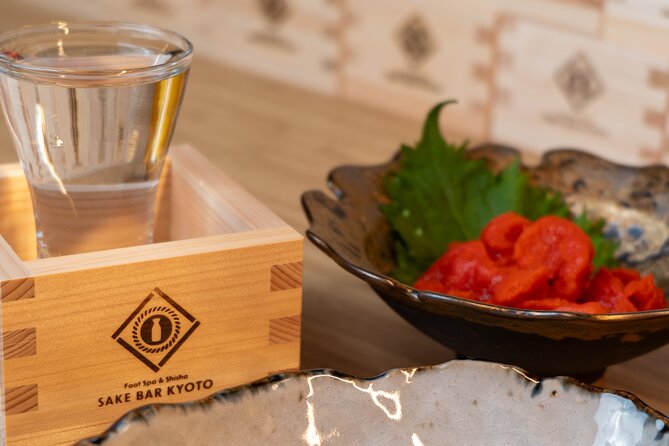
Each person receives an original sake cup made from fragrant hinoki wood. This is a small but thoughtful extra, especially if you like souvenirs that are easy to pack and connected to Japanese materials.
Hinoki is a familiar Japanese cypress wood with a clean scent. The cup gives you something tangible from the visit, rather than leaving you with only a memory or a receipt. It also fits the theme better than a generic branded item.
The information does not specify the cup’s size, packaging, or whether it is intended for hot or cold drinks. Handle it as a wood souvenir and follow any care instructions provided at the bar.
Location and timing near Kawaramachi
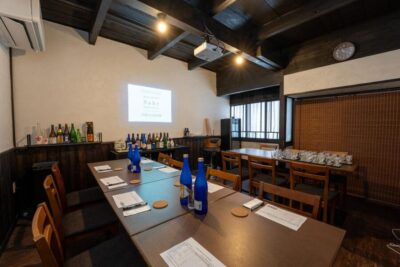
The meeting point is SAKE BAR KYOTO, Foot Spa and Shisha, in Kitakurumayacho, Nakagyo Ward. It is about a three-minute walk from Kawaramachi Station, near public transportation.
That central position is one of the best practical features. You do not need to travel to a distant neighborhood for a short evening activity. The visit ends back at the same place, so you can continue into central Kyoto afterward.
The address is listed on the second floor of a building. Give yourself a little time to find the entrance and go upstairs, especially if you are arriving after dark. The supplied information does not name a guide or provide a detailed arrival procedure, so checking the exact map pin before leaving your hotel is sensible.
The activity is private to your group. That does not necessarily mean a private guide or a fully private room, but only your group participates in the booked activity. For couples or small groups wanting a simple shared stop, that arrangement can feel more comfortable than joining a large tasting party.
Is $22.76 good value?
At $22.76, the price is attractive for a short central Kyoto activity. Three sake samples alone would not always justify the cost, but the package adds three appetizers, unlimited dagashi, cup noodles, ice cream, and a hinoki cup.
The value depends on your priorities. If you want an expert sake education with rare bottles and polished service, the price may signal that this is not the right format. If you want a quirky, affordable evening stop with a few drinks and plenty of casual snacks, the package makes more sense.
The extra costs matter. The foot bath adds ¥825, and shisha adds ¥2,750. Include those charges before deciding how much the experience fits your budget.
This activity is also booked, on average, about 40 days ahead. That suggests planning ahead can help, particularly if your Kyoto dates are fixed. At the same time, one favorable comment advised going directly rather than using a booking platform, and the bar says direct visits are welcome. Compare the final price and availability before booking, but keep the confirmed cancellation terms in mind.
Who should book this Kyoto stop?
I would point this experience toward:
- Couples or friends who want an easy evening activity near Kawaramachi
- First-time sake drinkers who want to compare three styles without taking a full class
- Visitors who enjoy Japanese snack foods and unusual bar concepts
- Anyone looking for a short break after a long day of walking
- People who value a small souvenir and plenty of casual food for the price
I would be more cautious if you need a formal tasting led by a named sake expert. I would also check the current appetizer selection if you have seafood restrictions, strong food preferences, or limited time for dinner.
Most people can participate, and the activity is near public transportation. The listing does not provide detailed accessibility information, so contact the operator directly if you need specific information about stairs, seating, or the foot-spa setup.
Booking, cancellations, and a sensible plan
Confirmation is provided at booking, and cancellation is free up to 24 hours before the start time. Canceling within 24 hours means no refund, and changes made inside that window are not accepted.
For the smoothest visit, schedule this after sightseeing but before any fixed evening reservation. The 45-minute length is easy to fit into a day, though you should allow extra time for finding the second-floor bar and deciding whether to add the foot bath.
Do not arrive expecting the staff to deliver a long sake lecture. Read the menu, compare the three pours, ask questions if you have them, and treat the visit as a casual tasting with snacks. That approach matches what the experience actually offers.
Should you book SAKE BAR KYOTO?
Book it if you want an inexpensive, distinctly casual Kyoto night with three sake samples, unusual small dishes, unlimited Japanese snacks, and a hinoki cup. The foot spa can make it a pleasant rest stop, but remember that it costs extra.
Skip it if your main goal is detailed sake education, elegant bottle presentation, or a full meal. The large bottles and limited explanation may disappoint serious sake enthusiasts.
For most visitors, the best reason to book is the mix of things that do not usually appear together: Kyoto-style obanzai, sake, a foot bath, dagashi, cup noodles, ice cream, and a wooden souvenir. Go in expecting a quirky bar visit, not a formal tasting class, and the value is easier to appreciate.
FAQ
Where does the sake and snack experience take place?
It takes place at SAKE BAR KYOTO, Foot Spa and Shisha, at 27628 Kitakurumayacho, Nakagyo Ward, Kyoto, on the second floor of a building.
How far is the bar from Kawaramachi Station?
The bar is about a three-minute walk from Kawaramachi Station.
How long does the activity last?
The activity lasts approximately 45 minutes.
How many sake varieties are included?
The included tasting flight contains three varieties of premium Japanese sake.
What types of sake might be included?
The selection can include Junmai, Junmai Daiginjo, and other sake varieties from Kyoto and beyond.
What food is included?
Three assorted Japanese appetizers are included. Examples include grilled stingray fin, spicy cod roe, pickled jellyfish, salted squid, and wasabi octopus. The selection varies.
Are snacks included beyond the appetizers?
Yes. You have unlimited access to Japanese snacks called dagashi, instant cup noodles, and ice cream during the visit.
Is the foot bath included in the price?
No. The on-site foot bath is available for ¥825 per person.
Is shisha included?
No. Shisha is available on site for ¥2,750 per person.
What souvenir do I receive?
Each person receives an original sake cup made from fragrant hinoki wood.
Is the activity private?
Yes. Only your group participates in the private activity.
What is the cancellation policy?
You can cancel for a full refund up to 24 hours before the start time. Cancellations or changes made within 24 hours are not accepted and are not refunded.
Newly added around Kyoto
- Nishiki Market, Private Sushi class & Sake Tasting in Townhouse★ 5.0 · 6 reviews
- Kyoto Luxury Sake, Whisky and Cocktail Tour★ 5.0 · 4 reviews
- Kyoto: Sake Tasting Journey to Two Iconic Breweries★ 3.0 · 2 reviews
- Fushimi Kyoto Walking Tour with Sake Tasting and Canal Boat Ride★ 4.0 · 5 reviews
- Experience of pairing sake tasting with snacks in Kyoto★ 5.0 · 4 reviews
- Kyoto Sake Brewery Tour★ 3.3 · 5 reviews
- Kyoto: Newly Opened Sake Tasting – Sanjo Chasuian★ 5.0 · 7 reviews
- Private Pewter Sake Cup Experience with a Kyoto Artisan★ 5.0 · 2 reviews
Kyoto Sake Tours, compared.

3-Hour Kyoto Insider Sake Brewery Tour with Tastings & Pairings
Read our review →
Insider Sake Brewery Tour with Sake and Food Pairing
Read our review →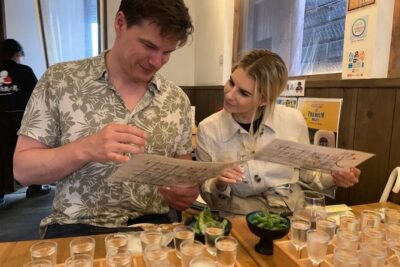
Insider Sake Experience with 7 Tastings and Snacks
Read our review →
Private Tea Ceremony and Sake Tasting in Kyoto Samurai House
Read our review →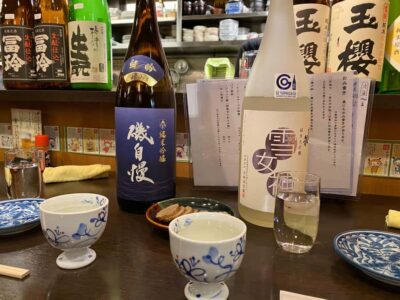
Gion Evening Walk with Hidden Gems, Geisha & Sake
Read our review →Browse the lists this tour appears in