
Reviewed · SAKE BREWERY TOURS
Unique Brewery Tour and One-of-a-Kind Sake Tasting Near Tokyo
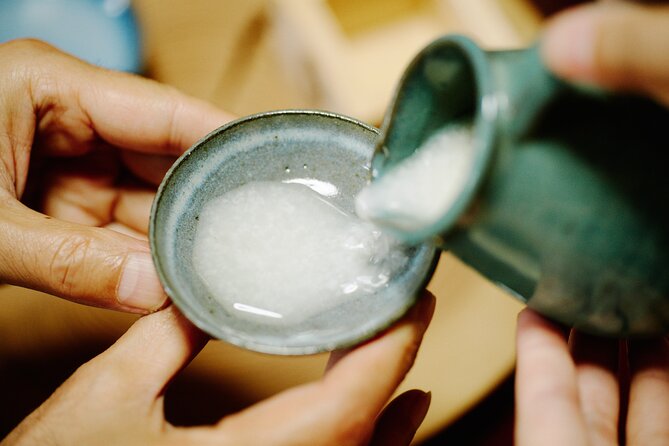
Yamane Brewery makes doburoku, an unfiltered sake whose mash is bottled while fermentation continues. It is fresh, cloudy, hard to store, and rarely found in ordinary restaurants. Here, that unusual drink is made in a former convenience store, using wooden barrels built from local Nishikawa timber instead of standard stainless steel tanks.
I like two things right away. First, you are not just tasting sake, you are seeing a small working operation built around local wood, water, soil, and food. Second, the three tastings come in cups made from 100 percent Hanno soil, a limited material no longer produced. The main consideration is the price: at $100.43 per person, this is not a cheap station-side tasting, and lunch and transport costs are extra.
Key points to know before booking
- Rare doburoku is the star: You taste a cloudy, actively fermenting sake that is difficult to store and uncommon in restaurants.
- The brewery uses local Nishikawa timber: Traditional wooden barrels let natural microorganisms from the wood and water shape each batch.
- The tasting has a strong sense of place: Cups made from scarce Hanno soil and locally sourced snacks connect the drink to the Hanno area.
- The group stays small: The tour accepts no more than eight people, which matters in a compact brewery and during explanations.
- The route is easy from Tokyo: Hanno is about an hour by train, with a meeting at Hanno Station and a return to the same place.
- You need to budget for extras: Lunch is not included, and local bus transportation is not included in the tour price.
Why doburoku makes this tasting different
Most sake is pressed and filtered before it reaches the bottle. Doburoku keeps the unfiltered moromi, or fermented mash, in the drink. The result can be cloudy and textured, with a freshness that regular clear sake does not offer.
The fermentation continues after bottling. That gives doburoku character, but it also makes the drink difficult to store and distribute. You are tasting something made in small quantities, close to its source, rather than a widely shipped product with a long shelf life.
That distinction matters. This is not a broad introduction to every category of Japanese sake. It is a focused look at one uncommon style and the decisions needed to make it safely and carefully.
The tasting includes three types of sake. The exact selection can change with the season, so you should not book expecting one named bottle to be available. One seasonal sake called Yamane no Minori was especially memorable to past tasters, but it is no longer available this season. The lesson is simple: production is limited, and the menu can change.
More Sake Brewery Tours in Japan:
- 3-Hour Kyoto Insider Sake Brewery Tour with Tastings & Pairings
★ 5.0 · 917 reviews - Kyoto: Insider Sake Brewery Tour with Sake and Food Pairing
★ 5.0 · 704 reviews - Kyoto Sake Brewery & Tasting Walking Tour
★ 5.0 · 623 reviews
Meeting at Hanno Station and riding into the area
The tour begins at 1:00 pm outside the ticket gate at Hanno Station. Look for the guide holding a tour placard. After a short briefing, the group walks together to the bus.
The first section takes about 40 minutes, including the station meeting and transfer. Admission is not charged at this stop, but the bus fare is not included in the tour price. That detail is easy to overlook, so carry some money for local transport.
Hanno is around an hour by train from Tokyo, making this a manageable half-day outing. The station also works well as a base for a longer day in western Saitama. Chichibu, Kawagoe, and Moominvalley Park are all mentioned as nearby or accessible points of interest, though this tour itself does not include admission to those places.
I like the station meeting because it removes much of the guesswork from reaching a small brewery. You do not need to find an obscure address alone or work out the bus route without help. The tradeoff is that you must arrive on time. The group moves together, and a small operation cannot wait indefinitely for late arrivals.
Inside a former convenience store brewery
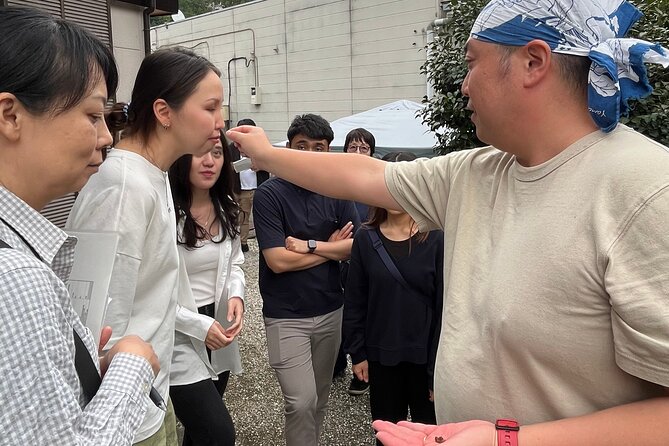
Yamane Brewery operates from a repurposed convenience store. That is a practical setting, not a polished sake museum, and it gives the experience a useful sense of scale. You see a small producer adapting an ordinary local building for careful, specialized work.
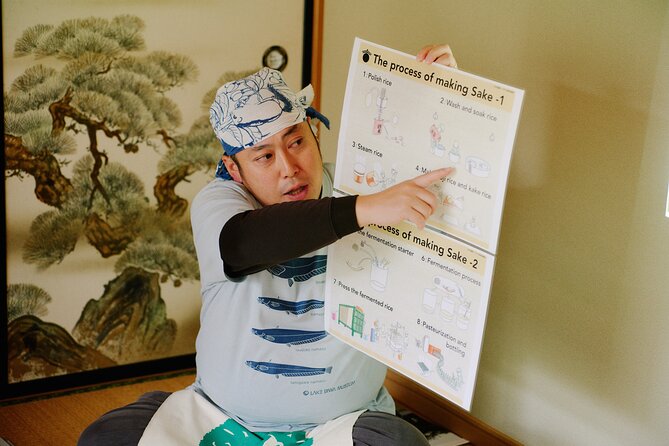
The brewery visit lasts about two hours and 20 minutes. You first visit the home of the head of the traditional Japanese house, a building with its own character and age. From there, the guide explains how Yamane’s process differs from conventional sake production.
The brewery is associated with Fukunari, also called Fuku-san in the tour material and guest accounts. Mr. Wakabayashi is also identified as the passionate owner and brewer. Because the available information names both, the exact host may depend on the date, but you should expect a personal explanation rather than a scripted factory presentation.
That personal scale is one of the tour’s strongest points. You learn about the tools, the brewing process, and the reasons behind the brewery’s choices. The owner is also described as a researcher with a background in natural studies, and the brewery’s work connects sake production with nature conservation and local materials.
You may hear about more than brewing technique. The operation is linked with an inn and barbecue area, and the host has interests in nature preservation and regional culture. These details help explain why the brewery is presented as part of Hanno’s local life rather than as an isolated tasting room.
Why the wooden barrels matter
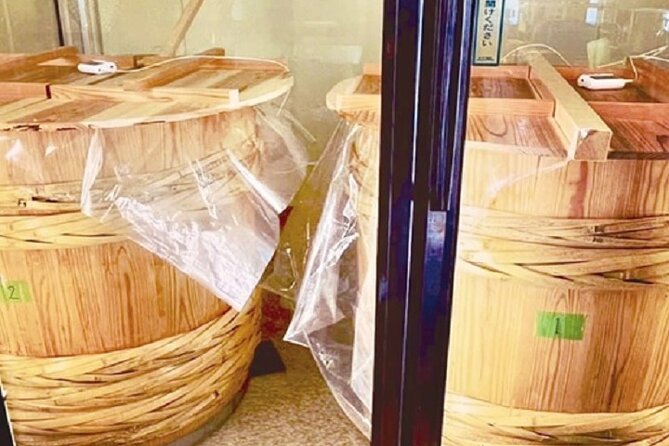
Industrial sake breweries often use stainless steel tanks because they are easy to clean, control, and repeat. Yamane uses traditional wooden barrels made from Nishikawa timber, local wood associated with the area.
Wood changes the practical work. It can hold natural microorganisms, and the character of the timber, water, and fermentation environment can influence the final drink. The result is less standardized than factory sake. Each small batch can have its own taste.
You should not read that as a claim that wood automatically makes better sake. Stainless steel has clear advantages for consistency and sanitation. The appeal here is different: Yamane accepts more variation in exchange for a process tied closely to the local environment.
The tour helps you see that choice in context. You are not simply told that the barrels are traditional. You learn that the brewery uses them as part of a broader effort to work with local resources and preserve older methods.
Another traditional technique mentioned in connection with the brewery is bag hanging. Rather than relying only on modern mechanical pressing, the sake can be allowed to separate through bags. That kind of method takes time and produces small amounts, which helps explain the higher price and limited availability.
More Sake Tastings in Japan:
- 1.5-Hour Kyoto Insider Sake Experience with 7 Tastings & Pairings
★ 5.0 · 297 reviews - Sake Tasting Masterclass in Shinjuku (8+ Varieties with a Pro)
★ 5.0 · 271 reviews - Kyoto: Insider Sake Experience with 7 Tastings and Snacks
★ 5.0 · 266 reviews - Sake Omakase in Tokyo: Guided Tasting by Certified Sommeliers
★ 5.0 · 239 reviews
Three sakes, Hanno soil cups, and local snacks
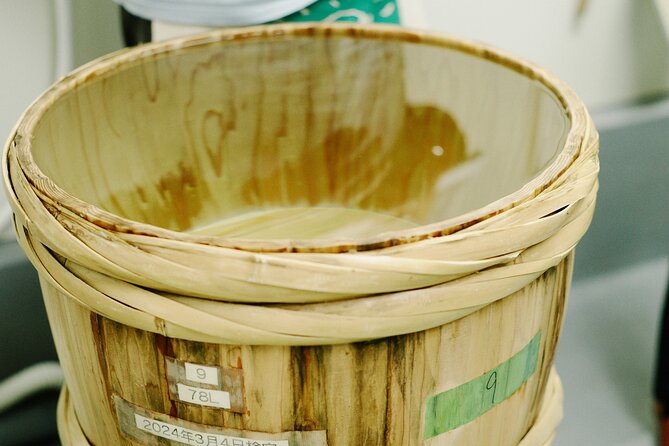
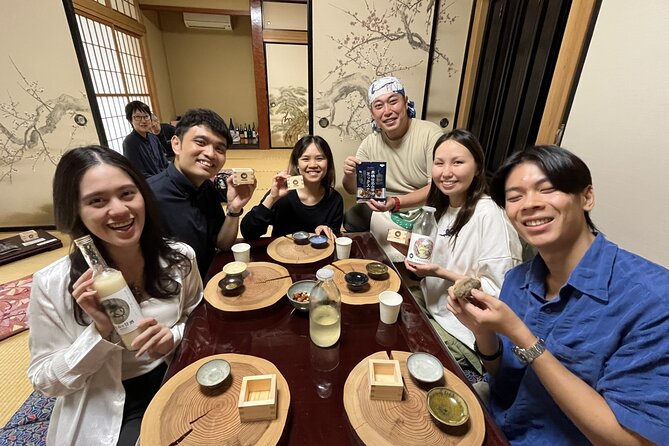
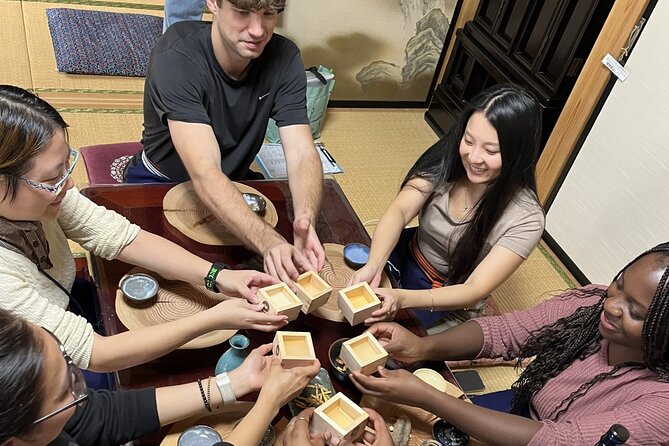
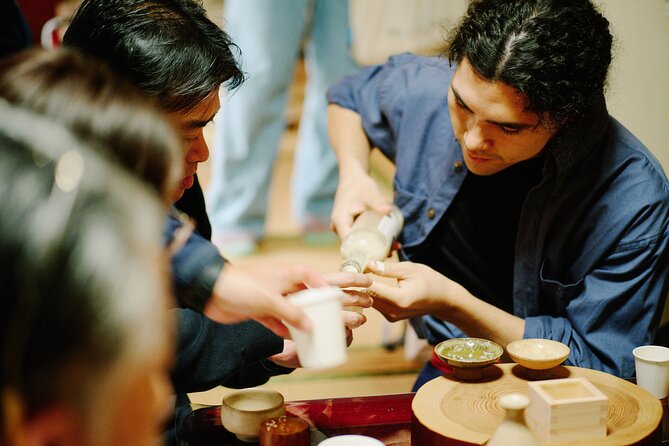
The tasting is the payoff, but it works best when you treat it as a guided comparison rather than a quick drink stop. You taste three types of sake and sample snacks, known as tsumami, chosen to accompany the alcohol.
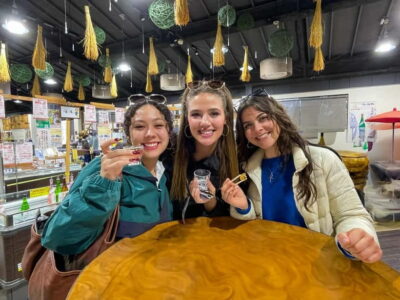
The cups are part of the story. They are made from 100 percent Hanno soil, a material no longer produced and available only in limited quantities. That small detail makes the tasting feel connected to the ground beneath the town, not just to the liquid in the glass.
The cups also give you a useful reminder that local craft is not limited to brewing. The wood comes from the region, the water plays a role, the soil shapes the serving vessels, and the snacks help place the drink within Japanese food culture.
The sake itself may include sweet styles. One account describes learning about the different kinds of sake, including a sweeter-tasting version. If you usually drink dry sake, this is a good chance to compare your expectations with a small producer’s range.
Do not expect a large commercial tasting flight with a long list of bottles. This is a small-batch operation, and the selection can change. That uncertainty is part of the appeal, but it also means you should value the process and explanation as much as any particular label.
Alcohol is included, so pace yourself. The tour takes place in the afternoon and lasts about three and a half hours, including the return to Hanno Station. You will also be riding a bus and walking with a group, so the sensible approach is to taste slowly rather than treat it as a drinking contest.
The return to Hanno Station
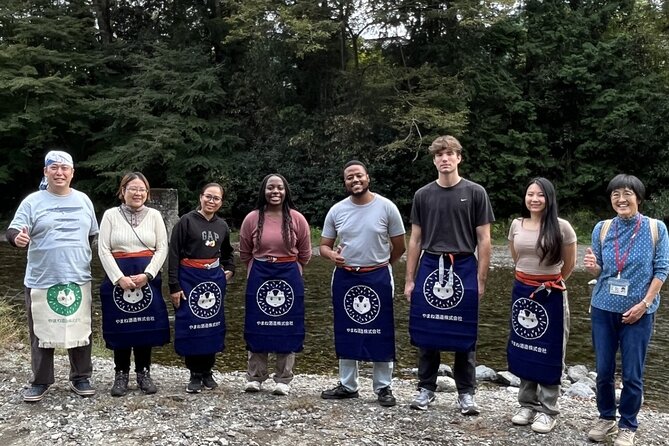
After the brewery visit, you ride the bus back with the guide. The return section takes about 30 minutes, and the tour ends at Hanno Station around lunchtime.
The timing is a little unusual because the listed start time is 1:00 pm while the final stop is described as arriving around lunchtime. Treat the schedule as approximate and confirm the exact timing when you book. Lunch is not included, but the guide can recommend local restaurants near the station.
This is a useful finish. You can eat locally after the tour instead of being pushed toward a fixed restaurant included in the package. On the other hand, you need to plan for the meal yourself, and the $100.43 price does not cover it.
The station ending also makes it easy to continue your day. You can eat, return toward Tokyo, or connect your visit with other Hanno-area activities. Just allow extra time if you are combining the brewery with a timed attraction such as Moominvalley Park.
Is $100.43 a fair price?
The price is high for a three-and-a-half-hour activity if you measure value only by the volume of alcohol. It becomes more reasonable when you count the small group, guide-led transport, brewery explanation, three sake samples, snacks, and unusual serving cups.
You are paying for access to a tiny producer and a process that cannot be scaled easily. Doburoku is difficult to store, the brewery works in small batches, and the wooden-barrel method requires more attention than a standardized industrial setup.
Still, you should be clear about what is not included. Bus transportation and lunch cost extra. There is no promise that a specific seasonal sake will be available, and this is not a full-day sightseeing tour with admissions to other Hanno attractions.
For someone who wants a rare Japanese drink and a personal look at local production, the price can make sense. If you simply want to taste ordinary sake, you can find cheaper options in Tokyo.
Who will enjoy this brewery visit?
I would recommend it most strongly to people who enjoy food and drink with a story behind them. You will get more from the visit if you care about traditional tools, local timber, fermentation, and the relationship between agriculture and craft.
It also suits repeat visitors to Japan who have already seen the major Tokyo sights. Hanno gives you a quieter regional outing without requiring a long journey from the capital.
The small maximum of eight people is a real advantage for anyone who wants to ask questions. It also means the experience may feel personal and informal. If you prefer a large, polished attraction with fixed exhibits and predictable products, this may feel too modest.
The tour is also a good fit for anyone interested in nature conservation. The brewery’s work is tied to local resources and the owner’s environmental interests. You will not just hear about sake as a beverage, but about how a small producer tries to keep local materials and older methods in use.
Practical details that affect your choice
Confirmation is provided when you book, and the meeting point is Hanno Station. The activity is near public transportation, and most people can take part. The group size is limited to eight.
Free cancellation is available if you cancel at least 24 hours before the 1:00 pm start time. Cancellations or changes made less than 24 hours before the start are not refundable or accepted. The operator also requires a minimum number of participants, so a cancellation by the operator can lead to another date, another experience, or a full refund.
You should wear something comfortable for walking and bring enough money for the bus and lunch. The exact tasting lineup may change because the sake is made in small batches and some bottles are seasonal.
Should you book the Yamane Brewery tour?
Book it if you want a rare drink, a small local host, and a close look at traditional Japanese brewing outside Tokyo. The wooden barrels, limited Hanno-soil cups, and unusual doburoku make this far more specific than a standard sake tasting.
Skip it if you want a low-cost tasting, a full meal, or a guaranteed bottle such as Yamane no Minori. For the right person, the value is in the meeting with the brewer, the place, and the method. You are buying a thoughtful regional experience, not just three pours.
FAQ
Where does the tour begin?
The tour begins at Hanno Station in Saitama Prefecture. Meet the guide outside the ticket gate at 1:00 pm, looking for a person holding a tour placard.
Where does the tour end?
The activity ends back at Hanno Station after the group rides the bus back from Yamane Brewery.
How long does the experience last?
The experience lasts approximately three hours and 30 minutes. The brewery visit takes about two hours and 20 minutes, with time for the station meeting, bus travel, and return.
How many people can join?
The tour has a maximum of eight participants.
What kind of sake will I taste?
You will taste three types of Japanese sake, including the brewery’s special doburoku. The exact selection can change because the sake is produced in small batches and some varieties are seasonal.
Is lunch included?
No. Lunch is not included. The guide can recommend local restaurants near Hanno Station after the tour.
Is transportation included in the price?
No. Local bus transportation is not included in the tour price. The group rides the bus together between Hanno Station and the brewery.
What else is included besides sake?
The tour includes alcoholic beverages, a sake tasting, and sample snacks. The tasting cups are made from 100 percent Hanno soil.
Can I cancel for a refund?
Yes. You can receive a full refund if you cancel at least 24 hours before the experience start time. Cancellations or changes made less than 24 hours before the start are not accepted, and the operator may cancel if the minimum number of participants is not met.
Newly added around Japan
- Nara: Sake Tasting Tour at the Birthplace of Japanese Sake★ 4.9 · 8 reviews
- Kobe: Sake Brewery Tour with Tasting and Kobe Beef Bites★ 5.0 · 11 reviews
- Kobe: Sake Brewery Tour with Tasting Sake★ 4.7 · 9 reviews
- Kyoto: Fushimi Sake District Tour with Boat Ride★ 4.6 · 10 reviews
- Nara – Craft Beer, Sake, and Food Walking Tour★ 3.5 · 9 reviews
- World Heritage Himeji Castle & Sake Breweries Private Tour★ 4.5 · 11 reviews
- Visit behind the Scenes: Hiroshima Saijo Sake Brewery Tour★ 5.0 · 9 reviews
- Sake Town Tour in Saijo Hiroshima★ 5.0 · 9 reviews
Sake Brewery Tours, compared.

3-Hour Kyoto Insider Sake Brewery Tour with Tastings & Pairings
Read our review →
Insider Sake Brewery Tour with Sake and Food Pairing
Read our review →
KOBE Sake Tasting Tour at Breweries (tasting fee included)
Read our review →
Hiroshima Saijo Sake Tasting Tour with visit to 7 Breweries
Read our review →
Private Sake Brewery Visit and Tasting Tour in Hida
Read our review →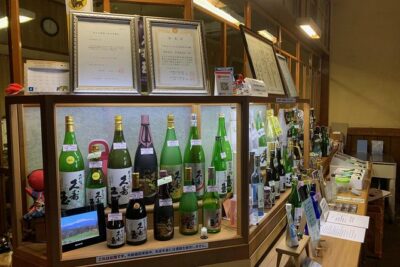
Browse the lists this tour appears in