
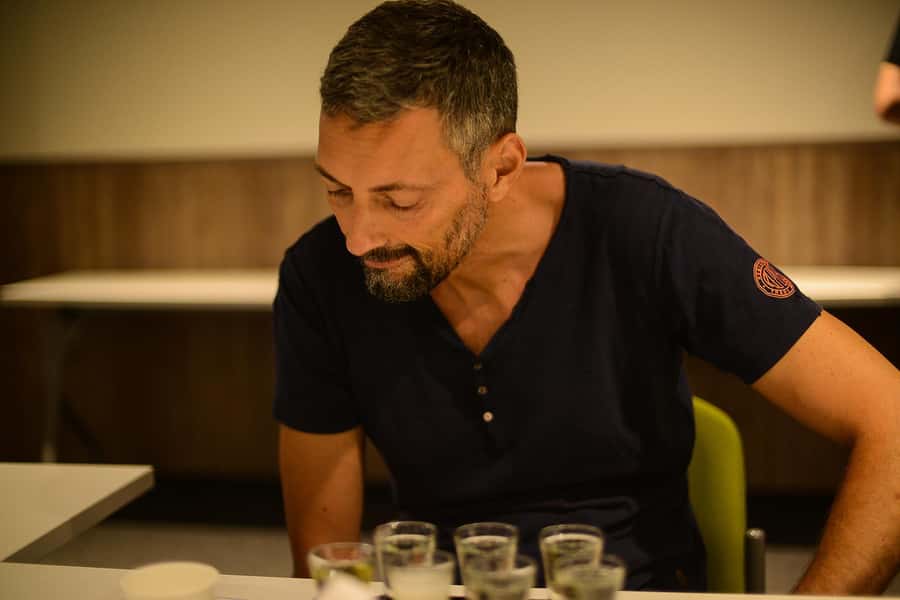
Reviewed · SAKE TASTING
Kyoto: Beyond the Insider Sake Tasting Experience
Some sake is made to show what rice, water, yeast, and careful brewing can do. This Kyoto tasting goes further, presenting 10 hard-to-find varieties made with old methods, unusual microorganisms, and local wood. It is less about drinking a lot and more about seeing how one drink can take so many different paths.
I like the certified sake sommelier guide, who explains the process clearly for newcomers while still giving experienced drinkers something new to think about. I also like the private tasting room and the fact that you receive tasting notes, so you can remember which bottles suited you best. The main drawback is that food pairing is not included, and the $66 price may feel high if you want only a casual drink.
Key points to know before booking
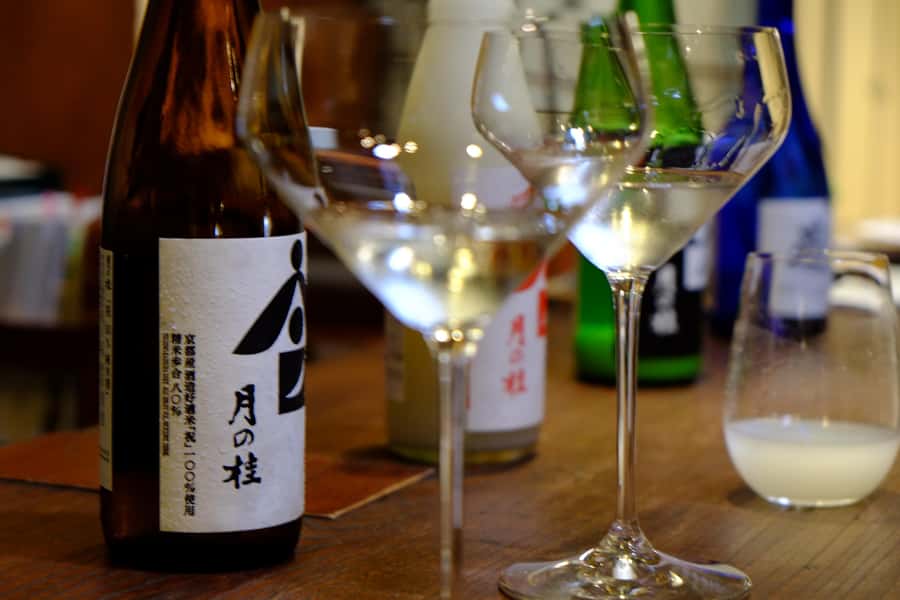
- Ten unusual sake varieties: The selection focuses on bottles rarely found outside Japan.
- Ancient and experimental brewing: Taste sake made with older methods, distinctive microorganisms, and local wood.
- English-speaking certified sommelier: The guide covers both basic production and more advanced ideas.
- Private tasting room: You can concentrate on the explanation and tasting without a noisy bar setting.
- Good for mixed experience levels: Beginners receive an introduction, while seasoned drinkers encounter less familiar styles.
- No food or transport included: Arrive independently, and plan a meal separately.
What makes this tasting different from a standard sake lesson

A basic sake tasting often introduces the main categories, explains how rice is polished, and gives you a few examples of common styles. This session includes those foundations, but its real purpose is to show what happens when brewers change the rules.
You may taste sake produced with methods that are rarely used in modern commercial brewing. Other samples make unusual use of microorganisms, while another style draws flavor from local wood. These are not small label differences. The brewing method can change the aroma, texture, sweetness, acidity, and finish in ways that are easy to miss if you only sample familiar bottles.
That focus makes the tasting useful for two kinds of people. If you are new to sake, you get a clear starting point before the more unusual samples arrive. If you already order sake at restaurants, you may finally encounter styles you have not seen on overseas menus.
The experience is not built around a brewery visit or a sightseeing walk. There is no transportation to attractions, and the activity begins and ends at the Kyoto Insider Sake Experience meeting point. Think of it as a focused tasting class rather than a general Kyoto tour.
More Sake Tastings in Kyoto:
- 3-Hour Kyoto Insider Sake Brewery Tour with Tastings & Pairings
★ 5.0 · 917 reviews - Kyoto Sake Brewery & Tasting Walking Tour
★ 5.0 · 623 reviews - 1.5-Hour Kyoto Insider Sake Experience with 7 Tastings & Pairings
★ 5.0 · 297 reviews
Starting with the ingredients and brewing basics
The sommelier begins with the building blocks of sake. You learn how important ingredients affect the finished drink, along with the basic categories used to describe sake.
That opening matters because sake labels can seem mysterious at first. Once you understand the role of rice, water, yeast, and the brewing process, the tasting becomes more than a series of small glasses. You can connect a particular flavor to a production choice instead of simply deciding that you like or dislike it.
The teaching is designed to work for a first-time drinker. You do not need prior sake knowledge, and the session does not assume that you already understand Japanese categories. The guide explains the essentials before moving toward the less familiar bottles.
At the same time, the introduction should not be mistaken for the whole event. This is not only a beginner lesson. The unusual brewing examples are the reason to choose this version instead of stopping with a basic introduction.
Ten sake samples with a clear purpose
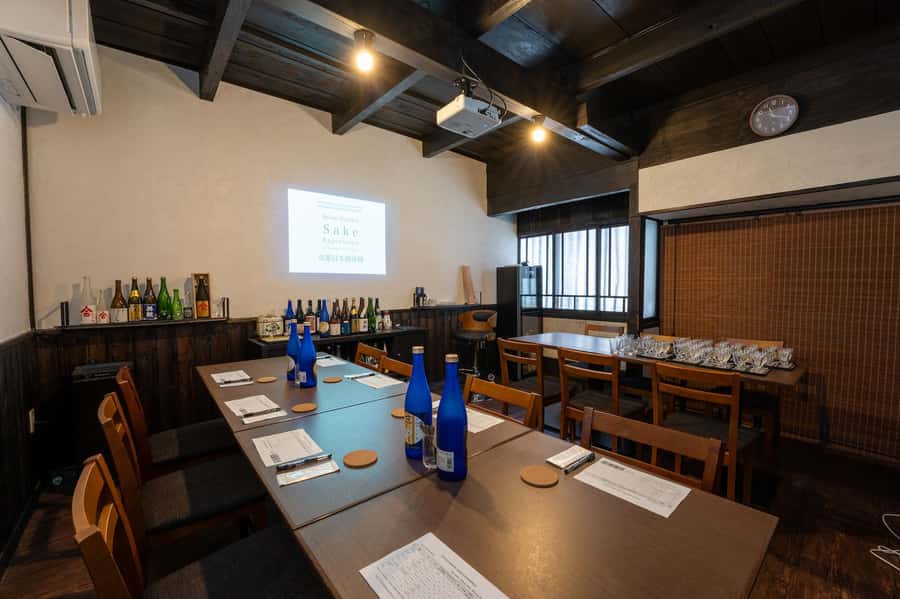
The tasting includes 10 varieties selected by the sommelier. That number gives you enough range to compare styles, but it also means the session should be approached with attention rather than speed.
A good way to use the tasting note is to record three things for each sample: what you smell, what you taste first, and how the finish changes. You can also write down which brewing method was used. The notes are especially helpful when several samples begin to blur together later in the session.
The selection is intended to show sake’s possibilities, not simply to provide 10 versions of the same drink. You might find one sample clean and familiar, another marked by a strong production character, and another shaped by the use of wood or microorganisms. The point is comparison.
Because the activity does not include food pairing, your attention stays on the sake itself. That is useful if you want a clear tasting lesson. It is less ideal if you were hoping for a full dinner or a series of small Japanese dishes with each pour.
Ancient methods and new brewing ideas

One of the most interesting parts is the contrast between old and new. Some of the sake uses ancient techniques that differ from modern methods. This gives you a glimpse of how Japanese brewers worked before today’s common practices became standard.
The experience also introduces newer ideas, including sake that makes use of the qualities of microorganisms. That may sound technical, but the practical value is simple: small changes in fermentation can create different results in the glass.
The local wood example adds another layer. Wood can affect aroma and taste, and using a regional material gives the sake a character tied to its place of production. It is one of the details that makes this tasting feel connected to Japan rather than like a generic alcohol class that could happen anywhere.
The guide’s job is important here. Without explanation, a bottle made with an unusual process could seem merely strange. With context, you can understand why the brewer chose that method and what to look for in the result.
More Sake Tours in Kyoto:
- Kyoto: Insider Sake Brewery Tour with Sake and Food Pairing
★ 5.0 · 704 reviews - Kyoto: Insider Sake Experience with 7 Tastings and Snacks
★ 5.0 · 266 reviews - Private Tea Ceremony and Sake Tasting in Kyoto Samurai House
★ 5.0 · 163 reviews - Kyoto: Sake Brewery and Tasting Tour in Fushimi
★ 4.8 · 55 reviews
The private room and the guide’s teaching style
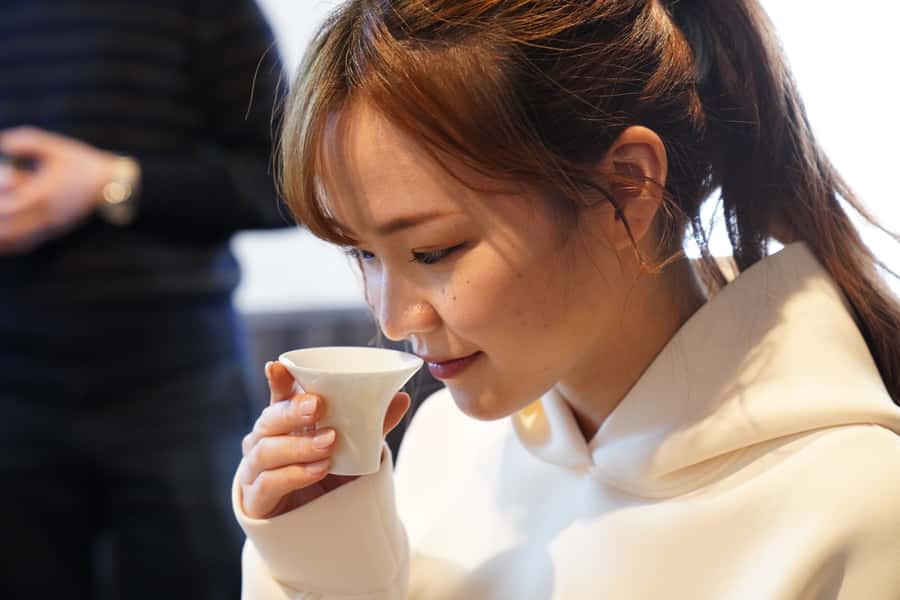
The dedicated private sake room is a practical advantage. Tasting requires concentration, especially when the guide is comparing subtle differences between samples. A private setting helps you hear the explanation and gives you room to take notes.
The guide is a certified sake sommelier and the activity is offered in English. The teaching is described as clear, friendly, and broad in scope, with strong attention to both sake production and the individual samples.
The best praise for the session centers on the presentation. The explanations of sake types and production are a major part of the value, not a short introduction before the drinking begins. You should expect a lesson with tasting rather than a free-form bar experience.
No guide names are provided for this activity, so you should not book it expecting a particular instructor. The important qualification is the certification and the English-language format.
Is $66 a fair price?
At $66 per person, this is not the cheapest way to drink sake in Kyoto. You can certainly find a single glass or small flight for less. The question is what you want from the outing.
The price covers 10 tastings, a certified sommelier, a private room, and tasting notes. It also pays for access to sake that may be difficult to find overseas. If you are curious about production methods and want a structured comparison, the cost is reasonable.
The value is weaker if you mainly want a relaxed evening drink. There is no food pairing, no hotel pickup, and no transport to a brewery or other attraction. You are paying for specialist selection and instruction, not a full night out.
I would see it as good value for a serious tasting class, especially if you already know you enjoy sake. For a first-time drinker, it can still be worthwhile because the basics are included, but you should be comfortable spending $66 on an educational activity rather than a meal.
Who should book this Kyoto sake session?
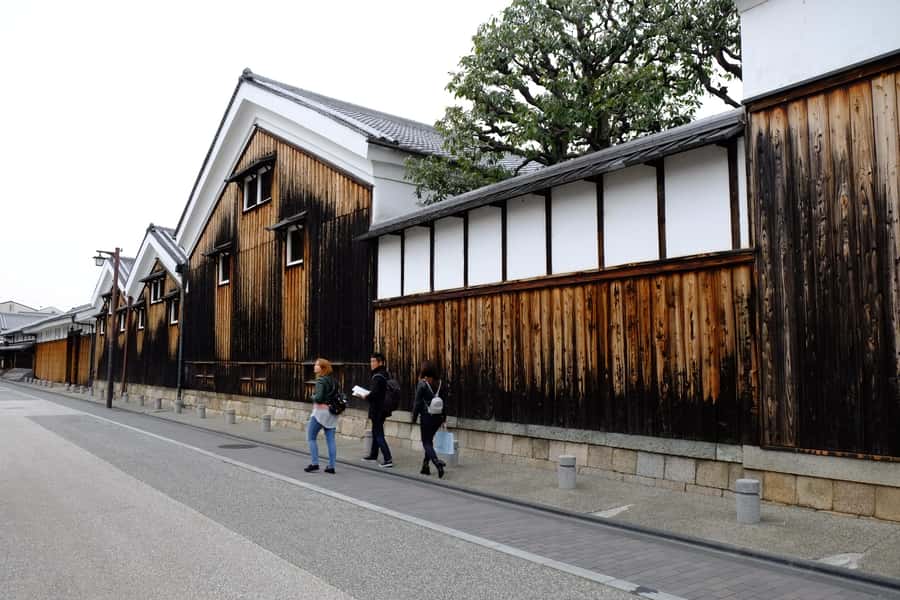
This tasting suits you if you want to understand why sake tastes different from bottle to bottle. It is also a strong choice if you have already taken a basic sake class and now want examples that go beyond the usual overseas selection.
The activity works well for a mixed group. A curious beginner can follow the production explanation, while an experienced sake drinker can focus on the older methods and less familiar techniques. That makes it easier to book with a companion who has a different level of experience.
You may want to skip it if you dislike structured tastings or prefer to discover drinks on your own. It is also not the right choice if food is central to your evening plan. Since pairing is not included, arrange dinner before or after the activity.
The tasting is not suitable for pregnant women, children under three, or people under 19. Japan’s legal drinking age is 20, and anyone under 20 receives only non-alcoholic drinks. Guests arriving by car or bicycle cannot be served alcohol for safety and legal reasons, with no refund if that prevents participation.
Practical details that can affect your visit
The activity starts and ends at the Kyoto Insider Sake Experience meeting point. You need to arrange your own way there and back, so allow enough time to find the location.
Arrive early. If you are more than 10 minutes late, the booking will be canceled. Unreserved people cannot join, including children and non-drinkers, so everyone in your party needs a reservation even if they will not taste alcohol.
The cancellation policy allows a full refund when you cancel at least seven days in advance. That is useful for a Kyoto itinerary, but the late-arrival rule is strict enough that you should avoid scheduling this immediately after another timed activity.
The available language is English. Since the class depends on explanations of ingredients and production, that language detail matters. You are not simply being handed drinks with little guidance.
How this compares with taking a basic sake course first
The session includes the basics, so you can book it without previous experience. Still, one practical approach is to take the beginner course first if you have time and want a gradual introduction.
Starting with a basic class may help you recognize the common categories before you taste the unusual examples in this session. After that, the ancient methods, microorganism-based brewing, and local wood styles may make more sense.
If your Kyoto schedule allows only one sake activity, this session offers more range than a simple introductory tasting. You may need to pay closer attention, but you also get a stronger sense of how broad sake can be.
The right choice depends on your goal. Choose the beginner option for a gentle first lesson. Choose this one if you want the more unusual side of sake, or if you already know the fundamentals.
My verdict: a strong choice for curious drinkers
I would book this experience if I wanted a serious look at sake without committing to a brewery tour. The 10-sample format, certified English-speaking sommelier, private room, and rare production styles give the $66 price a clear purpose.
The strongest part is the teaching. You are not just sampling bottles. You are learning how ingredients, fermentation, old techniques, microorganisms, and local wood can change the drink.
The main caution is simple: this is not a food tour, a bar crawl, or a sightseeing excursion. You must get yourself to the meeting point, arrive on time, and plan your own meal. If those limits suit you, this is a thoughtful Kyoto activity with enough depth to reward both beginners and experienced sake drinkers.
FAQ
How many kinds of sake are included?
The tasting includes 10 kinds of sake selected by a certified sake sommelier.
Is the experience suitable for someone new to sake?
Yes. The session covers the basics of sake production and the main sake categories, so no previous experience is required.
What unusual sake styles might I taste?
The selection can include sake made with ancient brewing methods, sake using the characteristics of microorganisms, and sake made with local wood that gives it a distinct regional taste.
Is food pairing included?
No. Food pairing is not included in the activity.
Is transportation provided?
No. Transportation to and from attractions and hotel pickup and drop-off are not included. The activity begins and ends at the Kyoto Insider Sake Experience meeting point.
Can someone under 20 join?
People under 20 will be served only non-alcoholic drinks. The activity is listed as unsuitable for people under 19, and Japan’s legal drinking age is 20. Everyone attending must have a reservation.
What happens if I arrive late?
If you are more than 10 minutes late, your booking will be canceled. For a full refund, cancel at least seven days in advance.
Newly added around Kyoto
- Japanese Sake Breweries Tour in Fushimi Kyoto★ 5.0 · 10 reviews
- Kyoto: Fushimi Sake District Tour with Boat Ride★ 4.6 · 10 reviews
- Private Sake Tasting in Central Kyoto with Sake Sommelier★ 5.0 · 13 reviews
- Kyoto Sake Brewery Tour with Lunch★ 4.5 · 12 reviews
- KYOTO Sake Tasting Tour at Local Breweries(tasting fee included)★ 5.0 · 16 reviews
- Japanese Sake Breweries Tour in Kyoto Fushimi★ 4.3 · 13 reviews
- Private Nishiki Market Food & Sake Tour by Young Local Guides★ 5.0 · 12 reviews
- 3 Hours Kyoto Insider Sake Experience | Tasting Konteki★ 5.0 · 24 reviews
Sake Tasting, compared.

3-Hour Kyoto Insider Sake Brewery Tour with Tastings & Pairings
Read our review →

Sake Tasting Masterclass in Shinjuku (8+ Varieties with a Pro)
Read our review →
Insider Sake Experience with 7 Tastings and Snacks
Read our review →
Sake Omakase in Tokyo: Guided Tasting by Certified Sommeliers
Read our review →
Private Tea Ceremony and Sake Tasting in Kyoto Samurai House
Read our review →
Casual Japanese SAKE tasting and snack experience in Kabukicho
Read our review →
Browse the lists this tour appears in