
Reviewed · TOKYO SAKE TOURS
Ginza, Tokyo: Sake Experience with traditional vessels
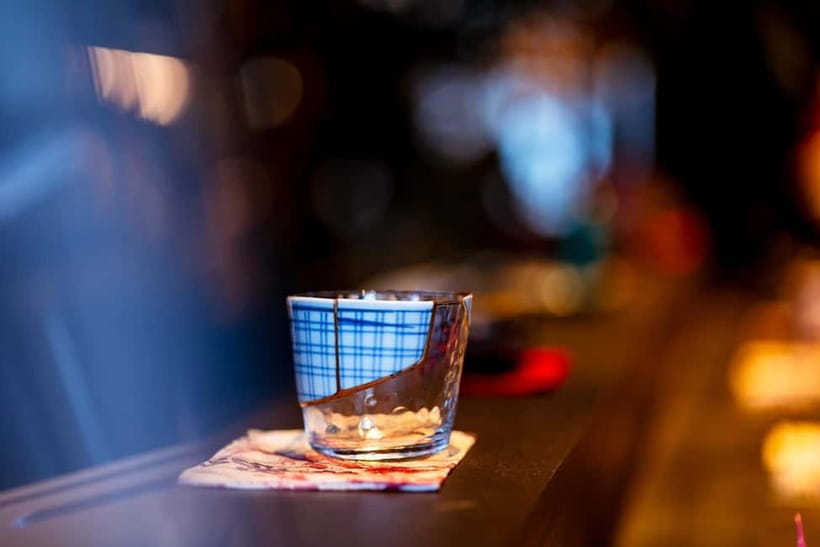
The clever part of this Ginza tasting is not simply the sake. It is the way each pour is matched with a different vessel, from a familiar wine glass to kintsugi using 400-year-old Imari porcelain. That changes how you notice aroma, texture, and the small rituals around drinking.
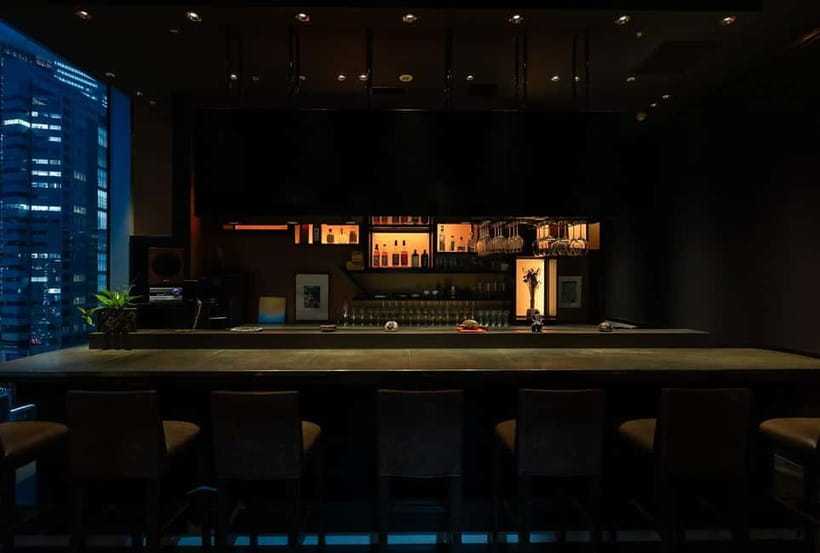
I like the small group, limited to seven, and the chance to ask direct questions in English. I also like the setting: JIDAI occupies the 11th floor of the JEWEL BOX GINZA building, with views toward Tokyo Bay and a polished Ginza address.
The main consideration is that this is a focused tasting, not a full evening meal. Only three sake samples are included, and extra drinks, glasses, snacks, and food cost more. You should also check the long health and age restrictions before booking.
Key points at a glance
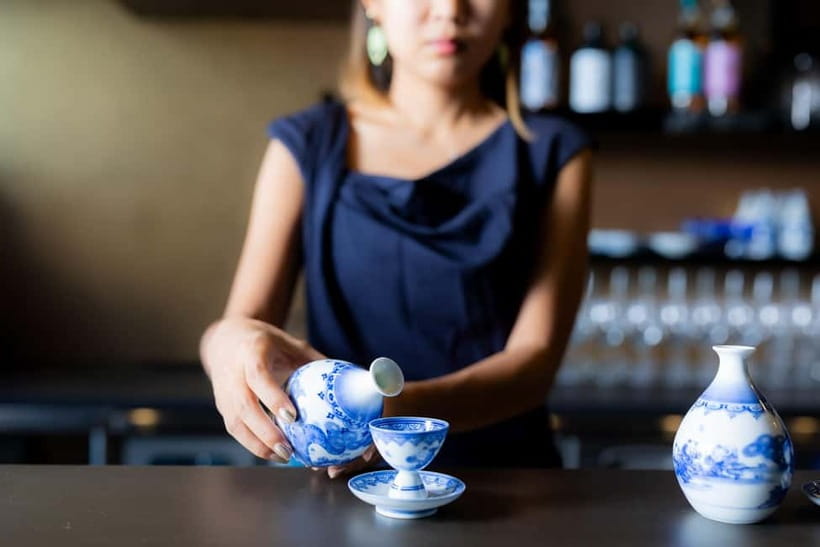
- Three sakes, three vessels: Each pour is served in a vessel chosen to suit its character, including wine glasses and traditional Imari porcelain.
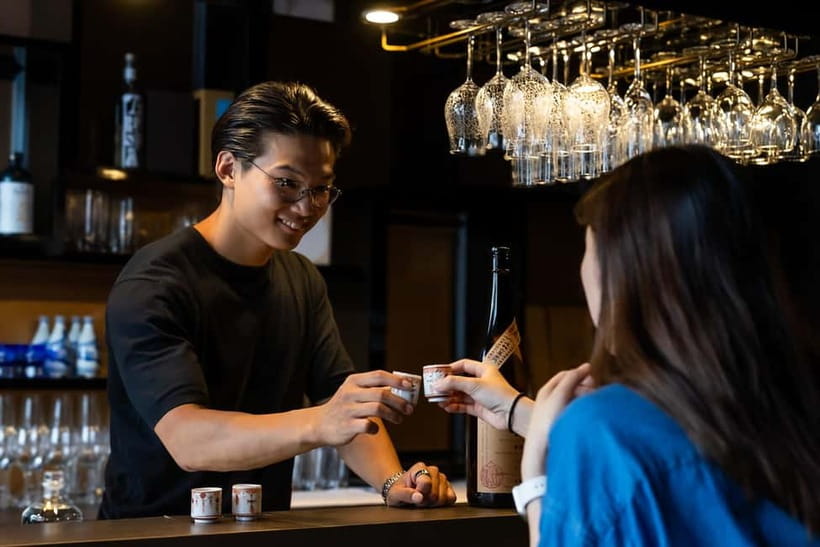
- A small Ginza setting: The group is capped at seven, so you can ask questions without shouting across a crowded room.
- Bilingual guidance: English-speaking staff explain sake production, regional differences, and drinking customs.
- Tokyo Bay from above: The 11th-floor bar gives the tasting a city view rather than a basement-bar feel.
- Helpful local advice: Staff also act as concierges, offering Tokyo travel tips and recommendations.
- A modest price: At $22 per person, the tasting gives you three pours and instruction at a reasonable cost, though it is not dinner.
Why the vessels matter as much as the sake
Japan has about 1,500 sake breweries, and each one makes sake in a local setting shaped by regional ingredients, water, customs, and brewing practice. You will not sample all of that variety here, but the three-pour format gives you a useful introduction to the idea that sake is not one single flavor.
The vessel lesson makes the tasting more memorable. Some sake is served in wine glasses, which help you notice aroma. Other sake is presented in kintsugi, using 400-year-old Imari porcelain. Kintsugi is the Japanese practice of repairing broken ceramics in a way that honors the damage rather than hiding it.
That porcelain is not just a pretty prop. It connects the drink to Japanese craft and to the long life of an object. You get to handle a serving tradition that feels very different from taking a quick shot from a small cup.
You should still keep expectations sensible. The staff can explain why a certain vessel fits a particular sake, but this is not advertised as a professional sommelier course or a brewery visit. Think of it as an accessible first lesson with a strong cultural angle.
More Sake Tours in Tokyo:
- Ramen and Sushi Cooking Class with Sake Pairing Set in Tokyo
★ 5.0 · 291 reviews - Sake Tasting Masterclass in Shinjuku (8+ Varieties with a Pro)
★ 5.0 · 271 reviews - Sake Omakase in Tokyo: Guided Tasting by Certified Sommeliers
★ 5.0 · 239 reviews
Your arrival at JIDAI in Ginza
JIDAI is in Ginza, one of Tokyo’s most polished and convenient districts. Finding the correct entrance matters. Go to the JEWEL BOX GINZA building, recognizable by the Swarovski presence on the first floor, then continue to the 11th floor.
The meeting point is:
JEWEL BOX GINZA on Google Maps
Ginza is a useful base for this kind of activity because it is easy to combine with an evening in central Tokyo. You can plan a department-store visit, a meal, or a walk through the district before the tasting. The address also gives the experience a more refined feel than a casual bar tucked into a station passage.
The information provided does not give a precise tasting length or a detailed start-to-finish schedule. Check the available starting time when you book, and allow enough time to reach the building, locate the entrance, and get upstairs without rushing.
Three pours with a clear purpose
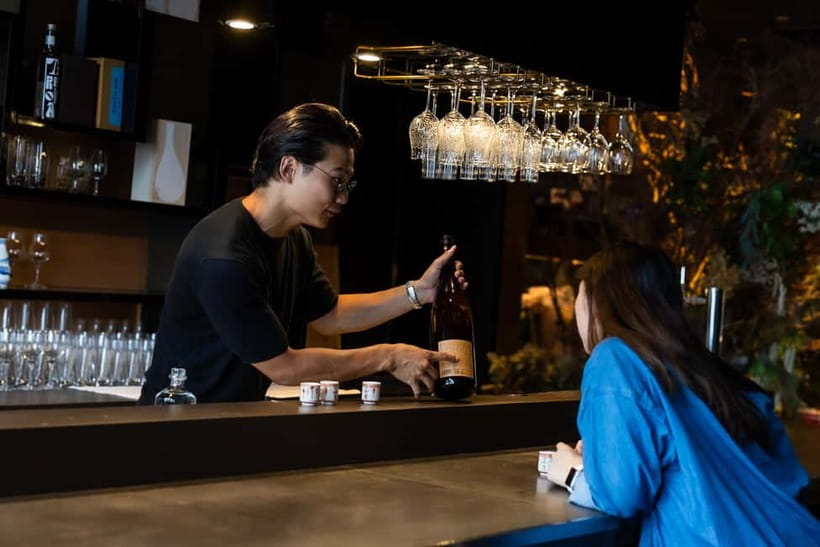
The tasting includes three types of sake selected for a first-time experience. You are not simply handed three glasses and left to guess what you are tasting. The staff explain the drink’s history and culture, then connect each sake to its preferred vessel.
That sequence is useful because sake can be confusing at first. Labels may be unfamiliar, serving temperatures can vary, and the drink does not fit neatly into a simple wine-versus-spirit comparison. A guided tasting gives you a few reference points.
Pay attention to the order and compare the three pours. Notice which aroma reaches you first, how the flavor changes in the mouth, and how the vessel affects the experience. A wine glass may encourage you to smell before sipping. A porcelain vessel may make you focus more on the feel of the object, the small amount served, and the traditional setting.
The tasting is designed for an introduction, not for quantity. Three pours can be enough to learn what style you prefer, but it may feel brief if you expected a long night of drinking. Additional sake and other drinks are not included.
Learning from the English-speaking staff
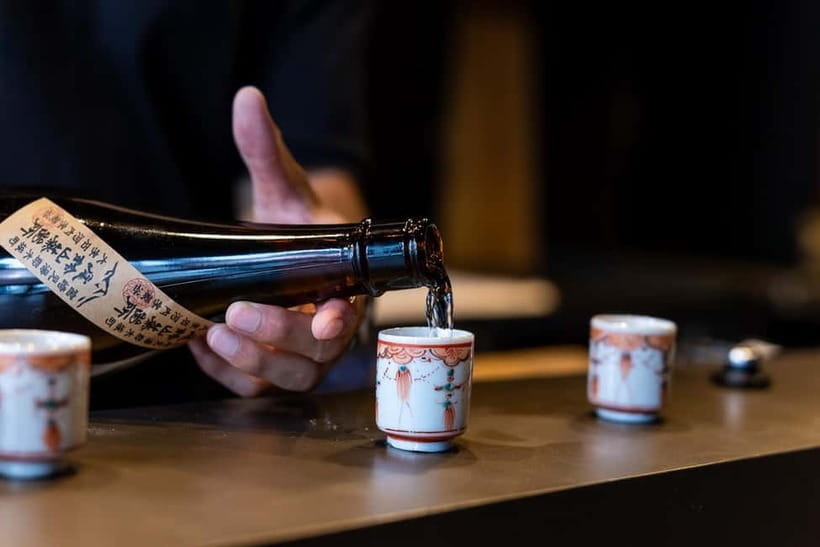
The staff speak English and explain sake making, local traditions, and the role of different vessels. That is especially helpful if you have never visited a sake bar in Japan or if you are unsure how to ask questions about the drink.
The named hosts connected with the experience include Hiyori, Nana, and Rireka. Hiyori and Nana are noted for explaining the sake-making process in a clear, friendly way. Rireka is also associated with generous travel advice and a helpful approach. Since staff assignments can vary, you should treat these names as possible hosts rather than a guarantee that one particular person will lead your session.
The best use of the staff is to ask specific questions. You can ask which sake is easiest for a beginner, which vessel brings out aroma, how sake from different parts of Japan differs, or what to order next during your trip. The experience is stronger when you treat it as a conversation rather than a fixed lecture.
The staff also offer travel tips and recommendations beyond the bar. This is a nice extra, especially early in a Tokyo visit when you are still deciding where to eat, what neighborhoods to visit, or how to shape the next day. The exact recommendations are not specified, so ask for advice suited to your own plans.
Same corner of Tokyo, a different pour:
- Casual Japanese SAKE tasting and snack experience in Kabukicho
★ 5.0 · 159 reviews - Tasting All Types of Sake with Sommelier
★ 5.0 · 151 reviews - Wagyu & Sake Pairing in Shinjuku – Steak, Shabu-Shabu & More
★ 5.0 · 112 reviews - Tokyo Wagyu & Sake Pairing Tasting Experience with Local Flavors
★ 5.0 · 108 reviews
Tokyo Bay views change the mood
The 11th-floor location gives you a view toward Tokyo Bay while you sip. The view is part of the appeal, but it is best understood as a setting rather than the main event. This is still a tasting built around sake, vessels, and conversation.
An elevated bar setting can make a short tasting feel like a complete evening stop. You are not being asked to spend a whole night here, and you can continue elsewhere afterward or return to your hotel. The view adds a calm pause to a busy Tokyo day.
Still, do not book this solely for a panoramic lookout. The available information does not promise a specific landmark, a sunset time, or a private table. The quality of the view will depend on weather, light, and your seat.
A small group of no more than seven
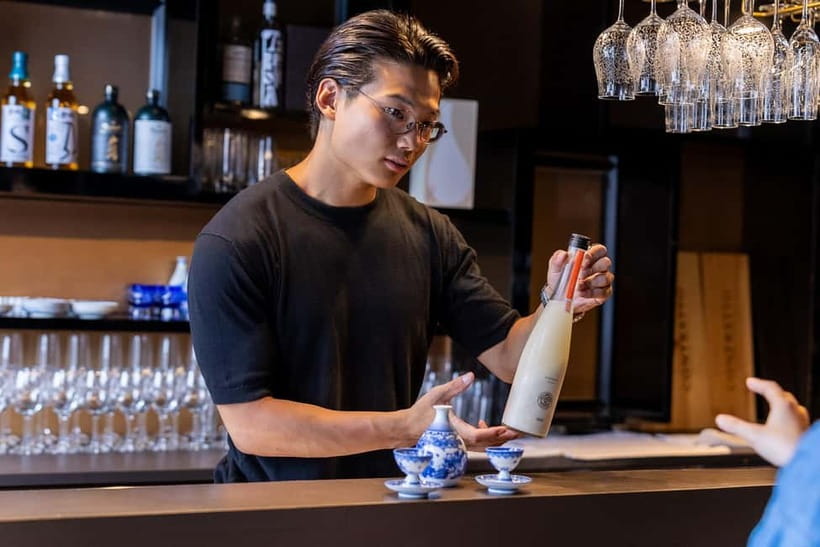
The limit of seven people is one of the most practical features. A small group lets you hear the English explanations and ask questions without competing with a large crowd. It also suits a tasting where the staff need to introduce several vessels and explain why each one was selected.
A group this size does not mean a private experience. You will still share the session with other participants, and the atmosphere can vary with the people booked that day. If you prefer a quiet, personal introduction to sake, this format is a good fit. If you want a lively bar night with many bottles and a large menu, it may feel too restrained.
The small-group structure also makes the $22 price easier to assess. You are paying not only for three samples, but for an English explanation, a carefully chosen serving setup, and access to staff who can answer questions about Tokyo. That is fair value for an introductory activity in Ginza, where the location itself carries a premium.
It is not the best value if you want a meal, a large tasting flight, or a late-night drinking session. Add the cost of food or extra drinks if you want to turn it into a longer stop.
What is included, and what is not
Your booking includes:
- Three types of sake
- Bilingual staff explaining sake history and culture
- Different vessels selected for the individual sakes
- Wine glasses and kintsugi with 400-year-old Imari porcelain
- A small-group setting of up to seven people
Food is not included. Snacks are not included. Extra glasses of sake and other drinks are also not included.
That difference matters because sake is often associated with small plates and extended bar visits. You may want to eat before or after the activity rather than arrive expecting a pairing menu. The experience gives you a structured introduction, not a complete dinner.
Who should book this tasting
I would recommend it to a first-time sake drinker who wants context without committing to a long, technical class. The staff explain the basics in English, and the vessel comparison gives you something concrete to notice from one pour to the next.
It also suits couples, solo visitors, and small groups looking for a polished evening activity in Ginza. The location works well if you are already exploring central Tokyo, and the staff’s travel advice can be useful at the start of a Japan trip.
You may also like it if you enjoy Japanese ceramics, traditional objects, and food culture. The 400-year-old Imari porcelain gives the tasting an art and craft element that a standard bar flight would not provide.
I would be more cautious if you want a substantial meal, a large range of sake, or a visit to an actual brewery. None of those is promised here. You should also think carefully about alcohol and health restrictions rather than treating this as a casual stop.
The activity is not suitable for children under 18. The supplied restrictions also exclude pregnant women and people with claustrophobia, heart problems, vertigo, respiratory issues, epilepsy, diabetes, a cold, haemophilia, kidney problems, high blood pressure, recent surgery, or other pre-existing medical conditions. People with lactose intolerance are also listed as unsuitable, even though lactose is not otherwise discussed in the activity details. If any restriction applies to you, ask the provider before booking.
The experience is wheelchair accessible. English is the listed activity language.
Booking flexibility and practical planning
You can cancel up to 24 hours before the activity for a full refund. You can also reserve now and pay later, which helps if your Tokyo schedule is still changing.
The booking is valid for one day, with starting times shown according to availability. Since the exact duration is not given, check the selected time and leave a little room around it. The activity ends with the tasting and conversation, so you can plan a separate dinner or return to your hotel afterward.
Ginza is easy to pair with other plans, but do not assume you can walk in at the last minute. The group is small, and a seven-person limit can fill quickly. Use the building clue at arrival: Swarovski on the first floor, then the 11th floor.
My call: a good first taste at a fair price
Book this Ginza sake experience if you want three well-presented samples, clear English guidance, and a cultural lesson built around traditional vessels. The small group, Tokyo Bay outlook, and practical staff advice make the $22 price reasonable for a short central-Tokyo activity.
Skip it if your priority is a full meal, a large sake selection, or a brewery tour. For everyone else, this is a tidy way to learn what you like before ordering sake elsewhere in Japan, with just enough ceremony to make the evening feel special without taking over your itinerary.
FAQ
Where does the sake experience take place?
It takes place at JIDAI on the 11th floor of the JEWEL BOX GINZA building in Ginza, Tokyo. Swarovski is located on the first floor, which helps identify the building.
How many types of sake are included?
Three different types of sake are included in the tasting.
Are the sake samples served in different vessels?
Yes. Each sake is matched with a vessel suited to its characteristics. The experience includes wine glasses and kintsugi using 400-year-old Imari porcelain.
Is the activity offered in English?
Yes. English is the listed language, and bilingual staff explain the history and culture of sake.
How large is the group?
The activity is limited to seven participants.
Is food included?
No. Snacks, food, extra glasses of sake, and other drinks are not included.
Is the venue wheelchair accessible?
Yes. The activity is listed as wheelchair accessible.
Can I cancel for a refund?
Yes. You can cancel up to 24 hours in advance for a full refund. You can also reserve now and pay later.
Newly added around Tokyo
- Wagyu BBQ & Sukiyaki with Sake Pairing Experience near Ginza★ 5.0 · 2 reviews
- Tokyo Sake Tasting Tour with a Sake Expert★ 5.0 · 7 reviews
- Sake Tasting and Cherry Blossom Fun in Tokyo!★ 5.0 · 4 reviews
- Private Sake Tasting at 300 Years Old Sake Brewery in Tokyo★ 5.0 · 3 reviews
- Tokyo: Serene Sakura & Sake: An Exclusive Brewery Pairing Lunch★ 5.0 · 2 reviews
- Sake Pairing Workshop with Japanese Food in Shinjuku★ 5.0 · 5 reviews
- Nagano: Snow Monkey and Zenkoji Temple Free Sake Taste Day Tour★ 4.5 · 8 reviews
- Japanese Sake Tasting and Masu Crafting Experience in Tokyo★ 5.0 · 9 reviews
Tokyo Sake Tours, compared.
Ramen and Sushi Cooking Class with Sake Pairing Set in Tokyo
Read our review →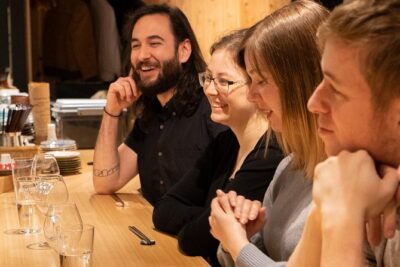
Sake Tasting Masterclass in Shinjuku (8+ Varieties with a Pro)
Read our review →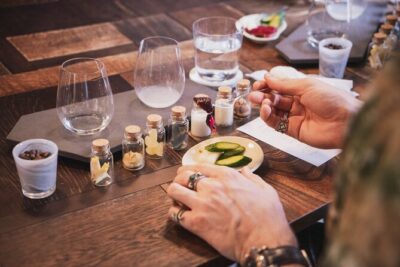
Sake Omakase in Tokyo: Guided Tasting by Certified Sommeliers
Read our review →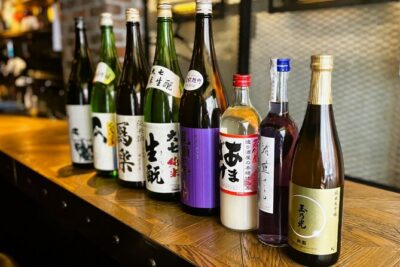
Casual Japanese SAKE tasting and snack experience in Kabukicho
Read our review →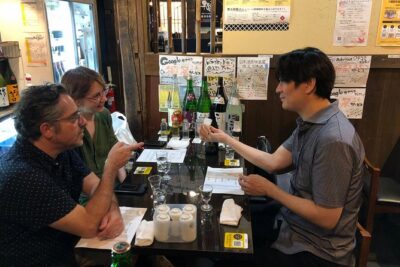
Wagyu & Sake Pairing in Shinjuku – Steak, Shabu-Shabu & More
Read our review →
Tokyo Wagyu & Sake Pairing Tasting Experience with Local Flavors
Read our review →
Outer Market Walking Tour & Sake Tasting Experience
Read our review →Browse the lists this tour appears in