
Reviewed · SAKE TASTING
Tokyo Wagyu & Sake Pairing Tasting Experience with Local Flavors
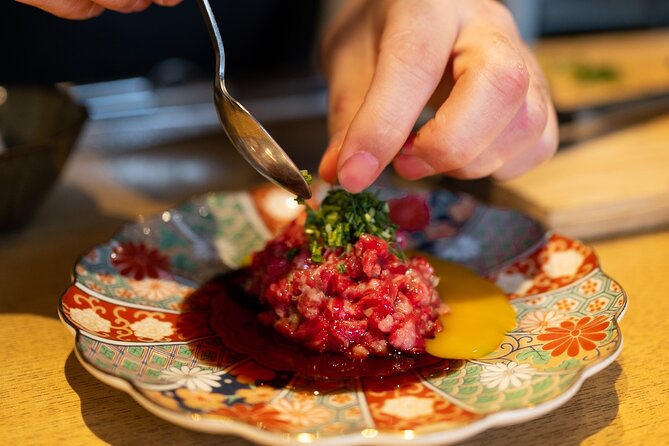
The best thing about this Tokyo dinner is its focus: Wagyu in many forms, not just one expensive steak. Over about two hours, you taste different cuts with Japanese seasonings, then match each dish with sake selected for it. The menu changes with the season, so the meal is more than a standard beef dinner.
I like the small group size, which can make the meal feel personal, and I like the teaching built into it. Chef Mike and the hosts explain the beef, cooking, and sake as you go. The main consideration is price: at $151.96 per person, this is a special-occasion meal, not a casual bite. Seating is also intimate, and some diners may find the chairs or bar seating less comfortable.
Key points to know before booking
- Seven or more tasting courses: The details describe seven dishes paired with sake, while the full menu is also presented as a 10-course omakase-style dinner. Seasonal changes affect the exact count and ingredients.
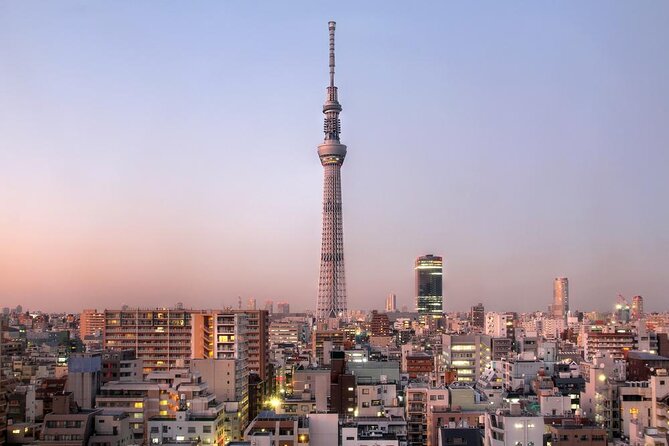
- Near Tokyo Skytree: The restaurant is in Oshiage, about a five-block walk from Skytree, making it easy to pair with an evening in the area.
- Chef Mike and a helpful host: Explanations are given in English, with the beef and sake introduced as each course arrives.
- Small, intimate setting: The maximum group size is 12, though seating may be at a communal table or at the bar.
- Alcohol is part of the meal: You must be at least 20 to participate. Non-drinkers can receive up to three glasses of craft juice.
- Plan dietary requests early: Gluten-free meals can be arranged with at least 24 hours notice. Tell the restaurant about any expected delay, since an arrival more than 30 minutes late can result in cancellation.
Why this Wagyu dinner is different from a steakhouse meal
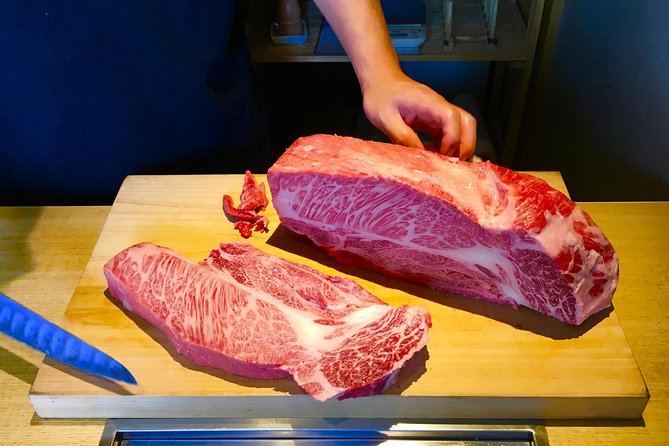
A typical Wagyu dinner asks you to choose a cut, cooking style, and perhaps a side dish. This one treats beef as a series of small lessons. You may taste several parts of the animal, each prepared in a different way and matched with a different sake.
That format matters. Wagyu is famous for its marbling, but a parade of rich beef can become heavy. Small servings let the kitchen change the texture and seasoning before your palate gets tired. One course may be simple enough to let the beef speak for itself. Another may use a traditional Japanese flavor or a seasonal ingredient to show a different side of the meat.
The meal is built in the style of an omakase dinner, so you are not ordering from a menu course by course. The kitchen decides the progression, and the content changes by season. That gives the evening a sense of discovery, though it also means you should not book expecting a fixed list of cuts.
The supplied information describes seven dishes, each paired with sake, and also calls the dinner a 10-course menu. The practical point is that you should expect a multi-course tasting rather than one large plate. The number and exact makeup may vary.
More Wagyu and Sake Tours in Tokyo:
- Wagyu & Sake Pairing in Shinjuku – Steak, Shabu-Shabu & More
★ 5.0 · 112 reviews - Wagyu Beef and Sake Pairing Foodie Tour in Tokyo
★ 5.0 · 71 reviews - Wagyu & Sake 8 Course Tasting Dinner in Shinjuku
★ 4.9 · 20 reviews
Finding EMC near Tokyo Skytree
The restaurant, listed as emcJapan, is at 3-chome Oshiage 25-17, inside Loh Building 1F in Sumida City. It is close to Tokyo Skytree, and the Skytree area gives you an easy landmark for finding your way around Oshiage.
The dinner begins at 6 p.m. and ends back at the restaurant because there is no transportation component. You arrange your own way there and back. If you are already visiting Skytree, this is a natural evening plan. You can see the tower, have dinner nearby, and avoid crossing the city again after drinking.
The setting is understated. It includes a small bar and a separate room where food is prepared and cooked. Do not expect a grand dining room or a large theatrical restaurant. Part of the appeal is the compact scale, but the layout can affect your seat. Some people may be placed at the bar rather than at the main table, and that can change how much conversation you have with the rest of the group.
This is worth considering if you are booking for the social side of a food tour. The meal is designed first around eating and sake, not as a group mixer. You may chat with other diners, but the restaurant does not promise a social event.
What happens during the two-hour meal
The evening begins with a short explanation of the meal. The hosts introduce the idea behind the tasting, explain what to expect, and begin the first pairing. This opening is useful because Japanese beef and sake both have their own vocabulary, and a little context helps you notice differences instead of simply labeling everything delicious.
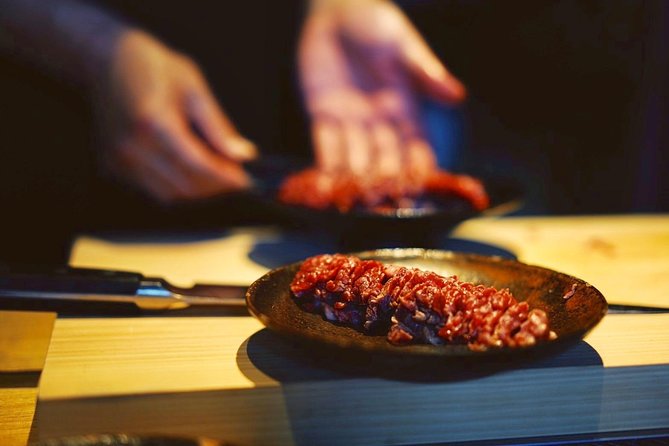
The kitchen then sends out the courses one at a time. Each serving is explained as it arrives, with attention to the cut, preparation, and drink beside it. The chef cooks in view of the dining area, so you can watch some of the preparation rather than receiving every plate from a hidden kitchen.
The menu uses Japanese ingredients and seasonal alcoholic drinks alongside the Wagyu. The sake is not treated as one generic beverage. The pairings offer several types, and the host explains why each one works with the dish in front of you. If you find a bottle you particularly like, take a photo of the label. That is a practical way to remember it for a later meal or a purchase.
The food is served in modest portions, but the full sequence is intended to be dinner. The format gives you variety without asking you to eat one huge serving of fatty beef. Still, the meal is centered on rich ingredients, so anyone who prefers light food may find the experience filling.
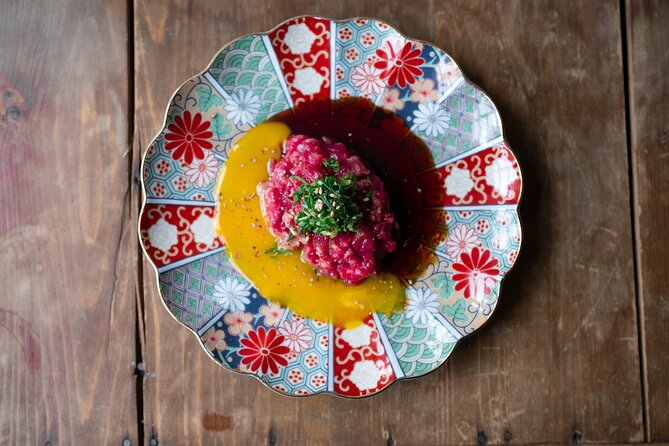
The cooking and plating receive a great deal of attention. You should expect a meal where presentation matters, but the restaurant keeps the spotlight on the ingredients rather than on elaborate theatrics. That simple approach works well for Wagyu, since too many sauces or decorations could hide the quality of the meat.
The beef, sake, and seasonal Japanese flavors
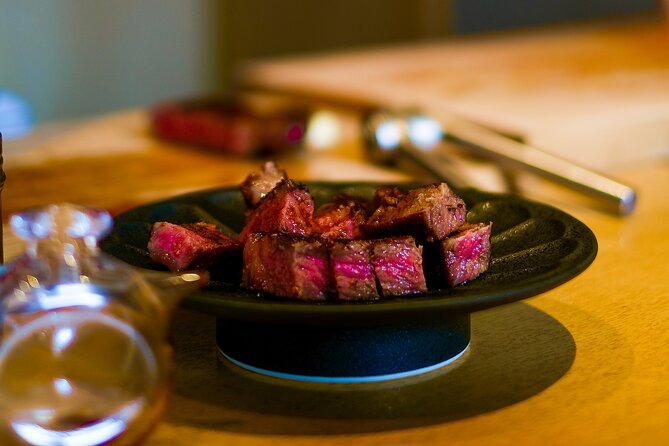
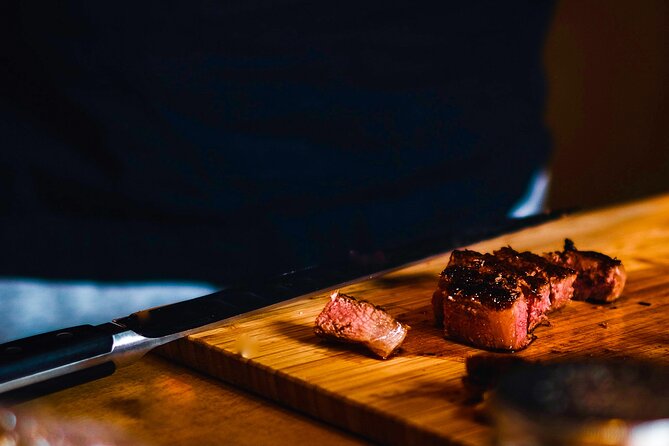
The most praised part of the dinner is the beef itself. Descriptions of the meal repeatedly focus on its tenderness, flavor, and variety. The point is not just that the meat is high quality. You get to see how different cuts respond to different preparations.
Some courses are likely to highlight the soft, marbled quality associated with Wagyu. Others are meant to show that the animal offers more than one texture. The kitchen may use traditional Japanese flavors, seasonal ingredients, and different cooking methods to create contrast from course to course.
That variety gives you a better understanding of Wagyu than a single steak can. You can compare how fat, seasoning, heat, and texture affect the same central ingredient. If you enjoy food education without a formal lecture, this is a good balance.
The sake pairings add another layer. You taste several styles over the meal, and the staff explains each match. Sake can be delicate, dry, fruity, or fuller in character, and the right serving can refresh your palate after a rich bite. The welcome drink is a house-made sake according to one detailed account, though the exact beverage can change.
Alcohol is not an optional extra here. It is part of the planned meal, and only people aged 20 or older may take part. If you do not drink, the restaurant can provide up to three glasses of craft juice, but you should know that the main structure still centers on sake.
More Sake and Food Pairings in Tokyo:
- Ramen and Sushi Cooking Class with Sake Pairing Set in Tokyo
★ 5.0 · 291 reviews - Tokyo: Sushi and Ramen Cooking Class with Sake Pairing Set
★ 5.0 · 81 reviews - Cozy Tokyo Class: Ramen, Sushi, Sake Pairing & Cultural Exchange
★ 5.0 · 74 reviews - Tokyo: 7 Kinds of Sake Tasting with Japanese Food Pairings
★ 4.9 · 37 reviews
The people and the small-group atmosphere
The human side of the dinner is one of its strongest features. Mike is identified in the dining accounts as the chef or guide, and he is praised for explaining the dishes and greeting the table warmly. Other staff members help with cooking, serving, and translation.
English support is available, which makes a big difference when you are trying to understand a cut of beef or a sake label. The explanations are part of the value, since you are paying for a guided tasting rather than simply buying a meal.
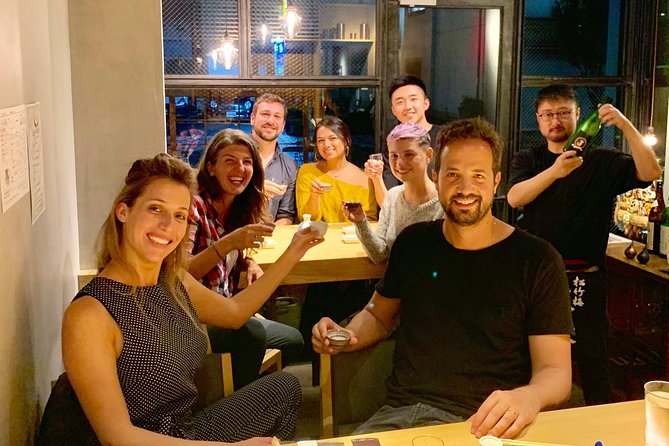
With no more than 12 people, the room can feel intimate. A smaller group also means you have a better chance to ask about the ingredients, cooking, and sake. Solo diners can fit comfortably into the format, and the compact setting may make it easier to meet people from different countries.
There is one important qualification. The experience is not built around socializing. One unhappy account came from a person seated at the bar who expected more interaction and felt the service was uneven. The restaurant’s response made its priority clear: enjoy the Wagyu and sake. If you want a lively food crawl with lots of conversation, this may feel restrained. If you want a focused tasting, the quiet format may suit you.
How much value you get for $151.96
At $151.96 per person, the price is high for a two-hour dinner in Tokyo. You are not paying only for the amount of food. The fee covers a multi-course Wagyu tasting, sake pairings, service, explanations, and the chance to try several preparations in one sitting.
The value improves if you already want both Wagyu and sake. Ordering equivalent beef dishes and several quality drinks separately could become expensive, and you would lose the guidance that helps you compare them. The meal also saves you from guessing which sake fits a particular cut.
The value is weaker if you mainly want a large portion of beef. This is a tasting dinner, so the pleasure comes from progression and variety rather than a giant steak. You may leave satisfied, but someone looking for the most food for the money should compare it with a regular yakiniku or steak restaurant.
I would place this in the category of a planned splurge. It makes sense for a birthday, honeymoon, final night in Tokyo, or a traveler who has already enjoyed ordinary Japanese meals and wants one carefully structured dinner. It is less sensible if your budget is tight or if you do not drink and would not make much use of the sake pairings.
Practical details that can affect your evening
The meeting time is 6 p.m., so give yourself a buffer. Oshiage is easy to orient around because of Skytree, but a late arrival can be a real problem. If the restaurant cannot reach you within 30 minutes of your reservation time, the booking may be canceled. Contact the restaurant ahead of time if you expect to be late.
Children under 10 are not allowed, and alcohol rules mean the experience is limited to people aged 20 and older. Service animals are allowed, and the restaurant is near public transportation. Most people can participate without special physical requirements.
For gluten-free dining, give at least 24 hours notice. If you have another allergy, state it when booking and repeat it when you arrive. A detailed account describes careful handling of a soy allergy, but you should not assume every request can be met without advance notice.
The cancellation policy is forgiving if you plan ahead. You can cancel for a full refund up to 24 hours before the start time. Cancellations or changes inside that window are not refunded or accepted. Poor weather or failure to meet the minimum number of participants can also lead to a new date or a full refund.
The experience normally runs for about two hours. Weather matters because the provider requires good conditions, even though the meal itself is indoors. You should also allow time after dinner if you plan to visit Skytree or take public transportation elsewhere.
Who should book this Wagyu and sake tasting
I would recommend it most strongly to people who want to understand Japanese beef rather than simply eat it. It suits couples, solo diners, small groups, and food-focused visitors who appreciate a host explaining what is on the plate.
It is also a good pick if you are curious about sake but do not know where to begin. You taste several options in a guided setting, which is less intimidating than ordering unfamiliar bottles on your own.
You may want to skip it if you dislike alcohol, want a large casual meal, or expect a polished luxury dining room. The restaurant is small and informal in feel, and seating may not match your preferred setup. The food receives far more attention than the physical comfort of the room.
Should you book it?
Book this experience if the combination of high-grade Wagyu, several sake pairings, and direct explanations sounds worth a splurge. Its strongest features are the range of beef preparations, the careful drink matches, the small group, and the staff’s willingness to explain what you are tasting.
I would book it for an evening near Tokyo Skytree, arrive early, disclose dietary needs, and treat it as a focused dinner rather than a party. At nearly $152, it needs to be one of your planned food highlights. For the right diner, that focus is exactly what makes the cost worthwhile.
FAQ
Where does the Wagyu and sake tasting take place?
It takes place at emcJapan, 131-0045 Tokyo, Sumida City, Oshiage, 3-chome 25-17 Loh Building 1F. The restaurant is near Tokyo Skytree and close to public transportation.
What time does the experience start?
The start time is 6 p.m. The meal lasts approximately two hours and ends back at the meeting point.
How many people can join?
The activity has a maximum of 12 participants. The small setting may include seating at the main table or at the bar.
Is alcohol included, and can non-drinkers participate?
Sake pairings are part of the meal, and participants must be at least 20 years old. People who do not drink alcohol can receive up to three glasses of craft juice.
Can children join the experience?
Children under 10 are not allowed. Because alcohol is served, all participants must also meet the minimum legal drinking age of 20.
Can dietary requirements be accommodated?
Gluten-free meals can be arranged with at least 24 hours notice. You should share any allergy or dietary concern in advance, since the menu changes by season and may not be fixed.
More Sake Tastings in Tokyo
- Sake Tasting Masterclass in Shinjuku (8+ Varieties with a Pro)
★ 5.0 · 271 reviews - Sake Omakase in Tokyo: Guided Tasting by Certified Sommeliers
★ 5.0 · 239 reviews - Casual Japanese SAKE tasting and snack experience in Kabukicho
★ 5.0 · 159 reviews - Tasting All Types of Sake with Sommelier
★ 5.0 · 151 reviews
Newly added around Tokyo
- Japanese Sake Tasting & Wagyu Sukiyaki Cooking Class in Tokyo★ 5.0 · 10 reviews
- Tokyo Sake Tour with a Local Guide, Private & Tailored to Your Taste★ 4.0 · 12 reviews
- 7 Kinds of Sake Tasting with Complementary Foods★ 5.0 · 11 reviews
- Wagyu Beef & Sake Pairing Foodie Tour in Tokyo★ 5.0 · 16 reviews
- Private Tour: Tokyo’s Oldest Sake Brewery and Riverside Walk★ 5.0 · 25 reviews
- Wagyu & Sake 8 Course Tasting Dinner in Shinjuku★ 4.9 · 20 reviews
- Luxury Tokyo Sake, Cocktail, Whisky and Pairing Tour★ 5.0 · 18 reviews
- Sake & Food Pairing with Sake Professional★ 5.0 · 28 reviews
Sake Tasting, compared.

3-Hour Kyoto Insider Sake Brewery Tour with Tastings & Pairings
Read our review →
Sake Tasting Masterclass in Shinjuku (8+ Varieties with a Pro)
Read our review →
Insider Sake Experience with 7 Tastings and Snacks
Read our review →
Sake Omakase in Tokyo: Guided Tasting by Certified Sommeliers
Read our review →
Private Tea Ceremony and Sake Tasting in Kyoto Samurai House
Read our review →
Casual Japanese SAKE tasting and snack experience in Kabukicho
Read our review →
Browse the lists this tour appears in