
Reviewed · SAKE & FOOD PAIRING TOURS
Wagyu BBQ & Sukiyaki with Sake Pairing Experience near Ginza
This is a Wagyu and sake lesson you can eat, held in a small restaurant near Ginza. Over about 90 minutes, guide and chef Mutsu walks you through sparkling sake, several Japanese pours, and the right way to enjoy barbecue and sukiyaki. The meal includes short rib, loin, rib loin, beef tongue, skirt steak, sides, and Japanese curry rice.
I like the open-ended drink plan. Sake is paired with each meat course, but you can ask to try other pours, and beer, wine, highballs, sour cocktails, shochu, and Japanese fruit liquor are also included. I also like the small-group feel, with a maximum of 10 people and plenty of room for questions about sake and Japanese drinking culture.
The main caution is the setting. The restaurant is in a three-floor building with very narrow, steep stairs, so it may be awkward if stairs are a concern. The $138.04 price is also a serious splurge for a 90-minute meal, though the food, instruction, and drinks make it easier to justify than a standard dinner.
Key points to know before booking
- Three ways to understand Wagyu: You taste premium beef as Japanese barbecue and sukiyaki, with the preparation changing the character of each cut.
- Mutsu leads the session: The guide and chef explains sake classification, tasting differences, and food pairings in English.
- Rare Japanese pours: Some of the sake may be difficult to find outside Japan, making this a distinctly Japan-based activity.
- Drinks keep coming: Sake refills are available, and draft beer, wine, highballs, sour cocktails, shochu, and fruit liquor are included.
- A compact 90-minute format: It fits neatly into a Ginza or Tsukiji day, but the short schedule leaves little time to linger.
- Small restaurant, tricky stairs: The intimate setting is part of the charm, but the narrow stairway deserves attention before you reserve.
A Wagyu dinner that doubles as a sake class
Many Japanese food experiences give you a meal and a quick explanation. This one puts the explanation at the center of the meal. You are not simply handed a plate of beef and a glass of sake. You begin with a tasting, compare different styles, and then see how the drink changes as the food arrives.
That makes the experience especially useful if sake is still a mystery to you. Mutsu explains the basic categories and background, then lets you taste the differences rather than asking you to remember a lecture. The practical lesson is simple: sake is not one flavor or one style, and the best match depends on what is on your plate.
The format is interactive. You can ask about sake, Japanese drinking customs, places to drink, or other parts of Japan. If you have always wanted to ask why one sake is served chilled while another works better with food, this is the sort of setting where you can get a direct answer.
The group is capped at 10 people. That is small enough to make questions realistic, though the restaurant itself is compact rather than spacious. You should expect a close, informal meal, not a polished stage show or a large food demonstration.
More Wagyu and Sake Tours in Tokyo:
- Wagyu & Sake Pairing in Shinjuku – Steak, Shabu-Shabu & More
★ 5.0 · 112 reviews - Tokyo Wagyu & Sake Pairing Tasting Experience with Local Flavors
★ 5.0 · 108 reviews - Wagyu Beef and Sake Pairing Foodie Tour in Tokyo
★ 5.0 · 71 reviews
Starting with sparkling sake and a few comparisons
The first drink is sparkling sake, which gives the opening a lighter feel than beginning with a strong pour. From there, Mutsu introduces several kinds of sake and compares them by tasting. This is the part I find most useful for a first-time drinker because you can notice the contrast while the information is fresh.
The session covers basic sake background and how types are classified. The supplied details do not specify every label or technical category, so you should not expect a fixed bottle list. That is not necessarily a drawback. Some of the appeal is trying Japanese pours that may not be widely available outside the country.
You can also try sake that is not specifically selected for a food pairing. That gives you a chance to compare the recommended match with another option. For anyone interested in Japanese food and drink, this is more helpful than being told that one particular bottle is simply the correct answer.
Sake is often described with specialist terms that can make it feel more complicated than it is. Here, the tasting gives those terms a practical purpose. You can focus on what you smell, taste, and prefer, then connect that impression to the food.
Wagyu barbecue with short rib, loin, and tongue
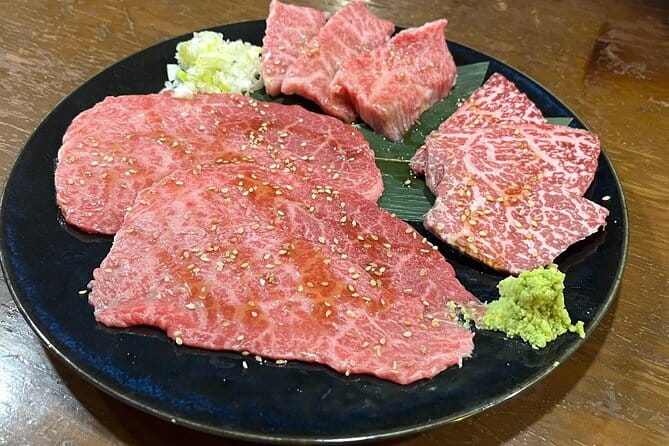
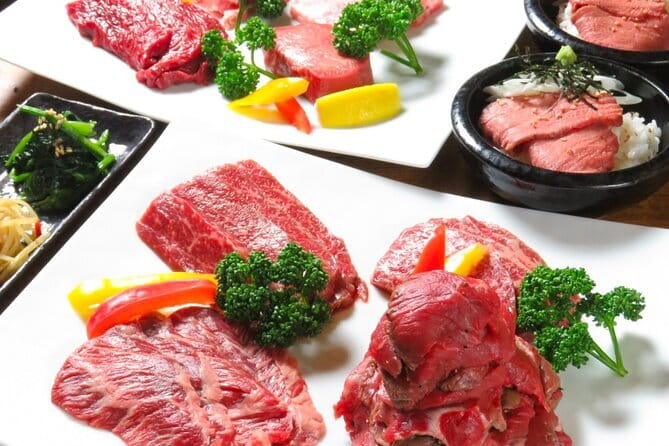
Once the tasting begins, the meal moves into the meat courses. The menu includes Wagyu short rib, loin, rib loin, beef tongue, and skirt steak. These cuts give you a useful range, from richly marbled beef to meat with a firmer, more pronounced texture.
You are shown how to enjoy Japanese barbecue, rather than being left to guess what to do with each piece. That guidance matters because the cuts may cook differently, and the ideal timing can affect the texture. It also helps if you are new to Japanese barbecue and are used to a different style of grill meal.
The pairing is the heart of the meal. A sake is selected for each meat course, so you can taste the beef on its own, then with the recommended drink. A sip after a bite of short rib may feel different from a sip after beef tongue or skirt steak. The point is not to find one perfect combination, but to notice how the flavors interact.
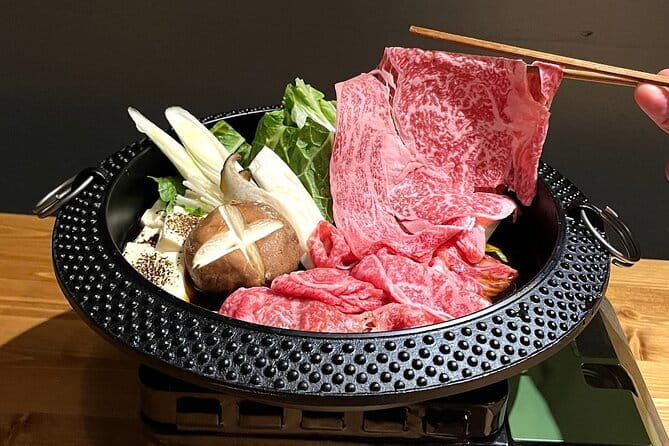
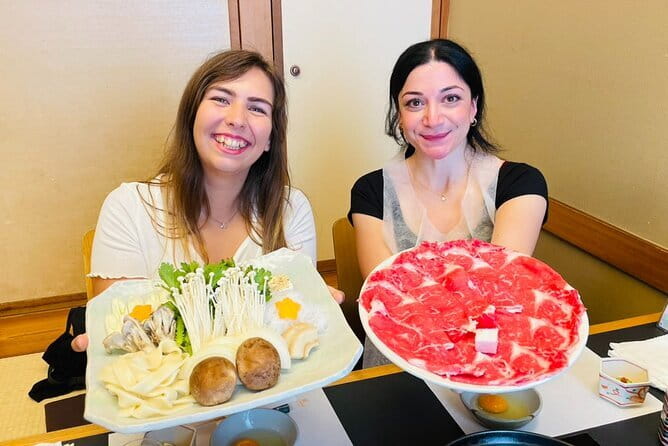
The barbecue is not the only presentation. The experience also includes sukiyaki, giving you two classic Japanese ways to enjoy Wagyu. Barbecue brings out the pleasure of cooking and tasting individual pieces, while sukiyaki offers a more seasoned, prepared style. Having both makes the meal feel like a broader introduction to Wagyu than a single grill course.
The details do not specify the exact order of every cut or how the sukiyaki is served. You should expect the staff to guide you through the meal, but do not book this expecting a fixed restaurant tasting menu with a published course card for every minute.
Japanese sides and curry rice keep the meal grounded
Premium beef can become heavy, especially when paired with several alcoholic drinks. The meal includes salad, Japanese appetizers, snacks, and Japanese curry rice, which give you more than meat and alcohol from beginning to end.
The curry rice is a particularly welcome touch. It adds a familiar Japanese comfort-food note to a meal that could otherwise feel like a luxury-only tasting. The sides also help pace the beef and give you something to eat between drinks.
Extra food is not included. The listed course is intended to be the meal, and you can order additional food at your own expense if you want more. I would keep that in mind before arriving hungry enough to expect a large all-you-can-eat barbecue. The value comes from the quality of the course, drink selection, and instruction, not from unlimited beef.
More Sake and Food Pairings in Tokyo:
- Ramen and Sushi Cooking Class with Sake Pairing Set in Tokyo
★ 5.0 · 291 reviews - Tokyo: Sushi and Ramen Cooking Class with Sake Pairing Set
★ 5.0 · 81 reviews - Cozy Tokyo Class: Ramen, Sushi, Sake Pairing & Cultural Exchange
★ 5.0 · 74 reviews - Tokyo: 7 Kinds of Sake Tasting with Japanese Food Pairings
★ 4.9 · 37 reviews
Unlimited sake, plus beer and cocktails
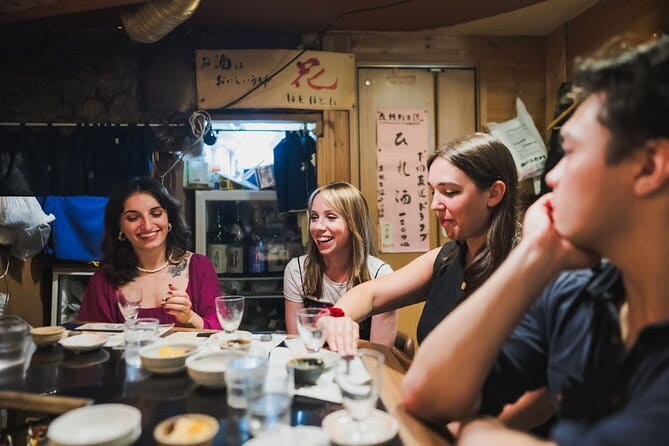
The drink policy is one of the strongest reasons to consider this experience. You can request more sake and refills, and you do not have to restrict yourself to the selected pairing. Draft beer, wine, highballs, sour cocktails, shochu, and Japanese fruit liquor are also included.
That range makes the activity friendlier to a mixed group. One person can focus on sake while another prefers beer or a spirit-based sour. You can also compare sake with other Japanese drink styles instead of treating the evening as a single-subject tasting.
Still, unlimited alcohol requires a little common sense. The activity lasts about 90 minutes, so the pace can become quick if you try to sample everything. Eat steadily, ask for smaller pours if available, and do not treat the drink selection as a challenge. The best part is comparison, not quantity.
Because the price is $138.04 per person, the included drinks carry real weight in the value calculation. If you would only have one small sake and no interest in learning about it, the cost may feel high. If you plan to taste several styles and enjoy a full dinner with drinks, the price becomes easier to defend.
A small Ginza-area restaurant with a practical location
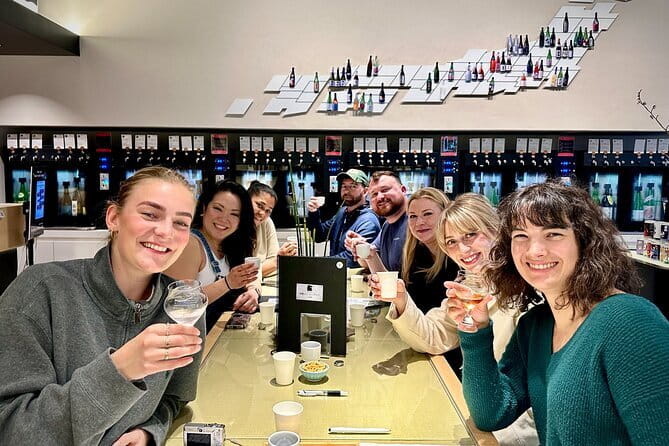
The meeting point is at 肉のヒマラヤとnomuno 新富町/築地店, at 2-chōme-13-2 Shintomi in Chuo City. It is near public transportation and within reach of the Ginza and Tsukiji areas, making it practical to combine with other Tokyo plans.
The activity ends back at the same meeting point. That is convenient because you do not need to arrange a one-way transfer or figure out a final drop-off location after drinking.
The setting is quiet and small. You should expect a restaurant atmosphere rather than a tour bus, hotel event room, or formal tasting hall. The tradeoff is the building access: the restaurant occupies a three-floor building with very narrow and steep stairs. This is the most important practical warning in the available details.
If stairs may be difficult for you, ask before booking. The activity is suitable for most people, but the stair layout could affect comfort. The mobile ticket also makes entry simple, though confirmation is subject to availability and is sent within 48 hours of booking.
Who gets the most from this 90-minute experience
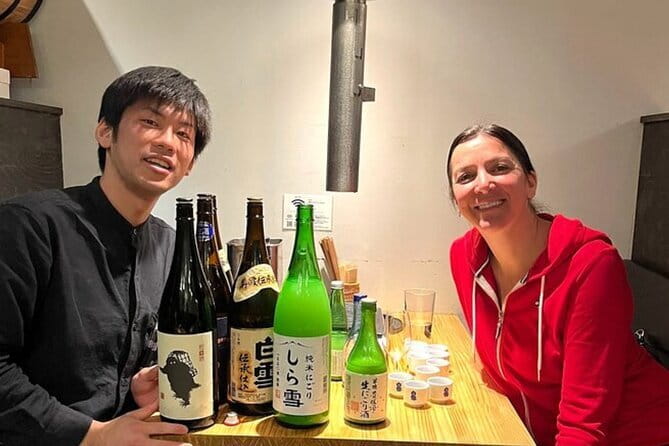
I would recommend this to you if food and drink are a major part of your Tokyo plans. It works particularly well for someone who wants to understand sake without committing to a long formal seminar. The meat gives the lesson a clear purpose, and the pairing makes the information easier to remember.
It is also a good choice for couples or small groups with different drinking preferences. The included alternatives mean that a sake beginner can try broadly, while someone who already knows sake can ask more specific questions or sample less familiar bottles.
The experience is less suitable if you want a long, relaxed dinner. Ninety minutes is efficient, but it can feel brisk once the opening tasting, explanations, meat courses, sides, and refills are all included. It is also not the best pick if you dislike narrow stairs, avoid alcohol, or want to order freely from a large menu.
The maximum group size of 10 keeps the format manageable. Even so, the experience is built around participation. If you prefer to eat quietly without discussion, a regular restaurant reservation may suit you better.
Is $138.04 a fair price?
The price is high for a 90-minute activity, but it includes more than a meal. You are paying for Wagyu short rib, loin, rib loin, beef tongue, skirt steak, barbecue and sukiyaki preparations, appetizers, salad, curry rice, a guide, sake instruction, multiple tastings, and additional alcoholic drinks.
The value depends on how much of that package you use. Someone who samples several sake styles, accepts the pairings, and enjoys the other drinks will receive more for the money. Someone who eats lightly or does not drink may find the price harder to justify.
I also place value on the access to sake that may be rarely seen outside Japan. You could certainly eat Wagyu elsewhere, but the combination of a guided comparison, Japanese cuts, and a broad drink menu is less ordinary.
The small group helps. You are not paying for a mass-market food stop where the explanation is rushed or generic. The available feedback specifically points to Mutsu’s clear English and generous explanations, which are important details if sake terminology makes you nervous.
Booking timing, cancellation, and a few smart tips
This activity is booked an average of 20 days ahead, so I would reserve before your Tokyo schedule fills up. Confirmation arrives within 48 hours, subject to availability. The mobile ticket is convenient for a city day when you may not want to carry printed paperwork.
You can cancel for a full refund up to 24 hours before the local start time. Cancellations or changes made less than 24 hours before the start are not refunded or accepted, so check your Tokyo plans before committing.
A few practical habits will improve the meal:
- Arrive ready to eat, but do not assume extra food is included.
- Tell the guide what you already know about sake so the explanation can match your level.
- Ask to compare an unselected sake with the recommended pairing.
- Pace yourself with the refills and other drinks.
- Allow for the steep, narrow stairs when deciding if the setting suits you.
Should you book it?
Book this if you want a compact, social lesson in Japanese beef and sake, especially if you are curious about drinks that are difficult to find outside Japan. Mutsu’s English guidance, the small group, two Wagyu preparations, and broad drink selection give the evening a clear focus.
Skip it if your priority is a long dinner, a low price, a large airy restaurant, or a meal without alcohol. For the right person, $138.04 buys a lot more than grilled beef. It buys context, comparison, and a chance to ask real questions while the food and sake are in front of you.
FAQ
How long does the Wagyu and sake experience last?
The activity lasts approximately 1 hour and 30 minutes.
Where does the experience meet?
It meets at 肉のヒマラヤとnomuno 新富町/築地店, 2-chōme-13-2 Shintomi, Chuo City, Tokyo 104-0041, Japan.
Where does the experience end?
It ends back at the meeting point.
What food is included?
The course includes Wagyu short rib, loin, rib loin, beef tongue, skirt steak, Japanese appetizers, snacks, salad, and Japanese curry rice. The beef is enjoyed as Japanese barbecue and sukiyaki.
Is sake included?
Yes. Sake tasting and sake pairings are included, with additional glasses and refills available.
Are other drinks included?
Yes. Draft beer, wine, highballs, sour cocktails, shochu, and Japanese fruit liquor are listed as included drink options.
Is extra food included?
No. Extra food is not included in the activity price.
How many people can join?
The activity has a maximum of 10 participants.
Can I cancel for a full refund?
Yes. You can cancel at least 24 hours before the local start time for a full refund. Cancellations and changes made less than 24 hours before the start are not accepted or refunded.
Newly added around Tokyo
- Tokyo Sake Tasting Tour with a Sake Expert★ 5.0 · 7 reviews
- Private Sake Tasting at 300 Years Old Sake Brewery in Tokyo★ 5.0 · 3 reviews
- Tokyo: Serene Sakura & Sake: An Exclusive Brewery Pairing Lunch★ 5.0 · 2 reviews
- Sake Tasting and Cherry Blossom Fun in Tokyo!★ 5.0 · 4 reviews
- Sake Pairing Workshop with Japanese Food in Shinjuku★ 5.0 · 5 reviews
- Nagano: Snow Monkey and Zenkoji Temple Free Sake Taste Day Tour★ 4.5 · 8 reviews
- Japanese Sake Tasting and Masu Crafting Experience in Tokyo★ 5.0 · 9 reviews
- Cherry blossom & Japanese Sake Tasting in Shinjuku★ 5.0 · 4 reviews
Sake & Food Pairing Tours, compared.

3-Hour Kyoto Insider Sake Brewery Tour with Tastings & Pairings
Read our review →
Insider Sake Brewery Tour with Sake and Food Pairing
Read our review →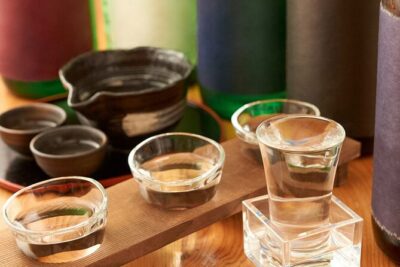
Ramen and Sushi Cooking Class with Sake Pairing Set in Tokyo
Read our review →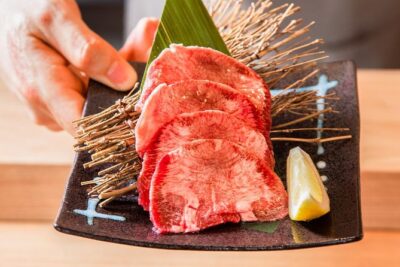
Wagyu & Sake Pairing in Shinjuku – Steak, Shabu-Shabu & More
Read our review →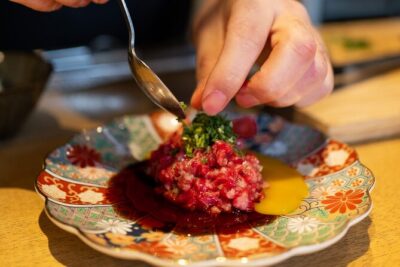
Tokyo Wagyu & Sake Pairing Tasting Experience with Local Flavors
Read our review →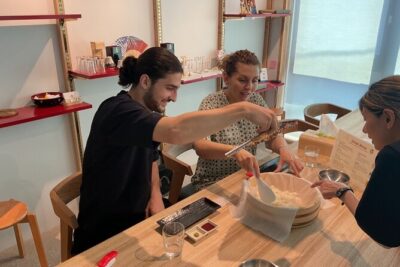
Cozy Tokyo Class: Ramen, Sushi, Sake Pairing & Cultural Exchange
Read our review →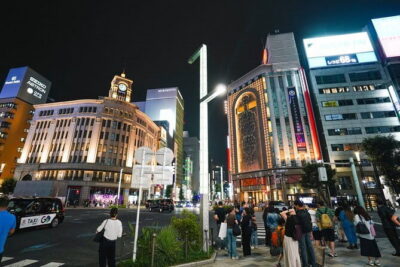
Wagyu Beef and Sake Pairing Foodie Tour in Tokyo
Read our review →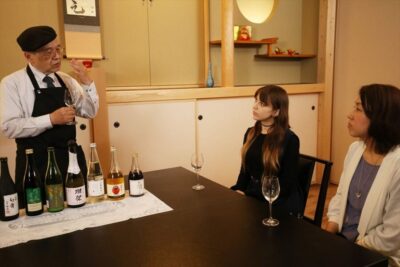
7 Kinds of Sake Tasting with Japanese Food Pairings
Read our review →Browse the lists this tour appears in