
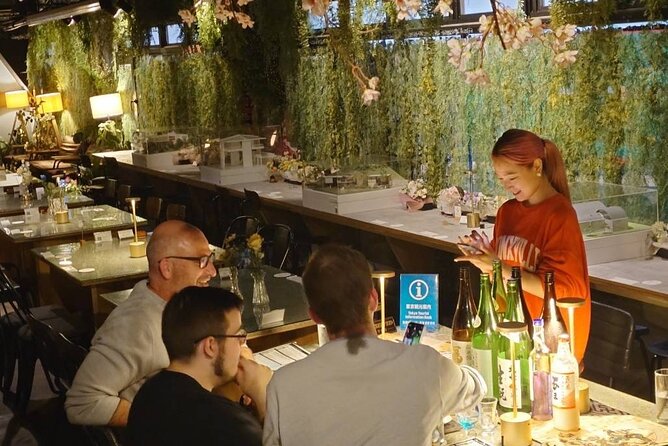
Reviewed · SAKE TASTING
Cherry blossom & Japanese Sake Tasting in Shinjuku
Eight Japanese sakes, traditional snacks, and a sweet cup of amazake make this a compact way to get beyond the usual tourist drink menu. The tasting begins with easier 15 to 16 percent sakes, then moves toward more distinctive aromas and flavors, so you can notice the changes without needing prior sake knowledge.
I like the clear progression from simple to more characterful pours. I also like the food pairing, which gives each sake a purpose instead of leaving you to sip eight glasses without context. Shuma sets the mood with good music and a pleasant setting, and the final amazake gives the hour a thoughtful finish.
The main drawback is the short format. One hour is enough for an introduction, but not a long lesson in sake production or a leisurely meal. You also need to remember that this is an alcohol tasting for people age 20 and older, not a general cherry blossom sightseeing tour.
Key Points Before You Book
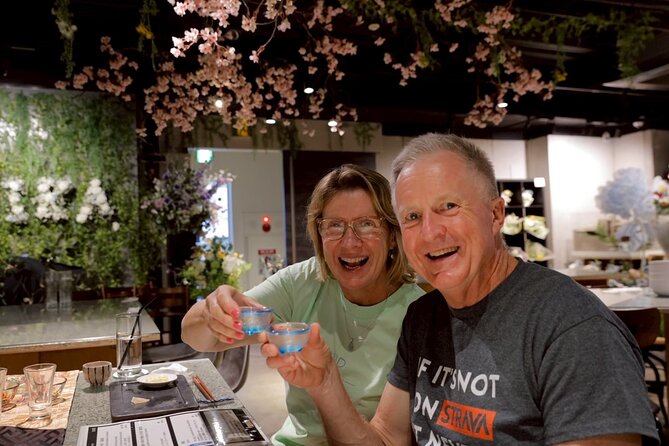
- Eight Japan-only sakes: Sample a broad selection of bottles that are available exclusively in Japan.
- A gradual tasting order: Begin with lighter sake at about 15 to 16 percent alcohol before moving toward stronger aromas and fuller flavors.
- Traditional snack pairings: Small Japanese foods help you see how sake changes when matched with something savory or sweet.
- Amazake to finish: End with a sweet fermented rice drink made with rice koji, often enjoyed as a dessert.
- Shuma hosts the session: The atmosphere includes music, a comfortable setting, and careful attention to the order of sake and food.
- Easy Shinjuku format: The experience lasts about one hour, starts and ends at the same Shinjuku address, and accepts mobile tickets.
What This Shinjuku Tasting Is Really About
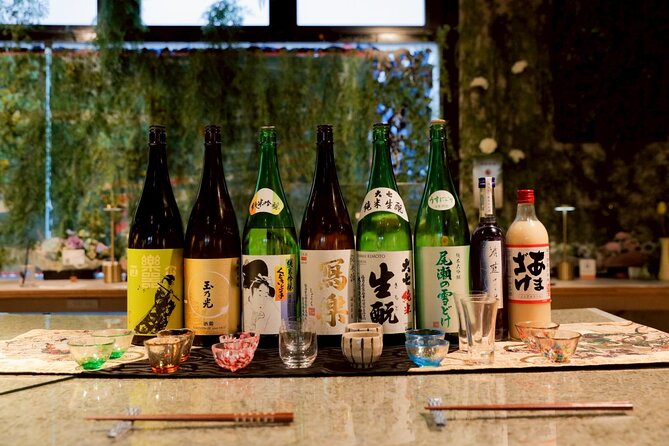
This is a tasting lesson in a friendly, social format rather than a formal class. You sit down, try several small pours, and learn by comparison. That matters with sake because the drink can taste quite different depending on its temperature, aroma, alcohol level, and what you eat alongside it.
The selection includes eight sakes from different parts of Japan. The exact labels are not listed, so you should not book this expecting a particular brewery or prefecture. Instead, think of the session as a guided sampler that shows how wide the sake category can be.
Sake is often treated as one single drink by visitors who are new to Japan. This tasting helps correct that idea. Some pours may feel light and simple, while later ones offer stronger scents or a more noticeable finish. You do not need to know the technical terms. Paying attention to which sake you prefer is enough.
The title includes cherry blossom, but the practical details focus on the sake tasting itself. Do not assume that a flower-viewing walk or a guaranteed outdoor blossom stop is part of the hour. The experience takes place at a house with flowers in Shinjuku, at 3 Chome 6-7, in the Dai 6 Sanwa Building on the fourth floor.
More Sake Tastings in Tokyo:
- Sake Tasting Masterclass in Shinjuku (8+ Varieties with a Pro)
★ 5.0 · 271 reviews - Sake Omakase in Tokyo: Guided Tasting by Certified Sommeliers
★ 5.0 · 239 reviews - Casual Japanese SAKE tasting and snack experience in Kabukicho
★ 5.0 · 159 reviews
Starting With Lighter Sake at 15 to 16 Percent
The tasting opens with sake that usually contains about 15 to 16 percent alcohol. This is a sensible place to begin because it lets you get used to the drink before moving on to more pronounced styles.
I appreciate this order. A tasting that starts with the strongest or most aromatic pour can make every later glass seem flat. Here, you have time to notice the basic flavor and texture first. You can ask yourself simple questions: Is it dry or sweet? Does it feel crisp or soft? Is the aroma faint or easy to notice?
The first pours are intended to be approachable. That makes the experience suitable for someone who has only tried sake once or twice, while still giving an enthusiast a useful point of comparison. The presence of sakes with lower or higher alcohol levels also suggests some variety beyond the opening range, although the exact strength of each pour is not provided.
You should pace yourself. Eight tastings in an hour is a fair amount of alcohol, even if the pours are small. Eat the snacks, drink water if it is available, and avoid treating the session as a race. The purpose is to compare flavors, not simply to finish eight drinks.
Moving Toward Distinctive Aromas and Flavors
After the simpler opening pours, the tasting gradually moves to sake with more noticeable aromas and flavors. This part gives the session its educational value. Instead of being told that sake comes in many styles, you can experience the difference glass by glass.
The progression can also help you identify the kind of sake you would want to order later in Japan. You may prefer the cleaner, crisper opening style, or you may enjoy a later pour with a stronger scent and a longer finish. There is no correct favorite.
Sake can be served at different temperatures depending on the season and the dish. The information provided does not specify the serving temperature for each of the eight pours, so you should not expect every possible temperature treatment. Still, the tasting introduces the useful idea that temperature is part of the drink, not a minor detail.
That point is valuable when you visit an izakaya, restaurant, or sake bar later. If you know that sake can change with temperature and food, you can make more interesting choices than simply ordering hot or cold.
Traditional Snacks Put the Sake in Context
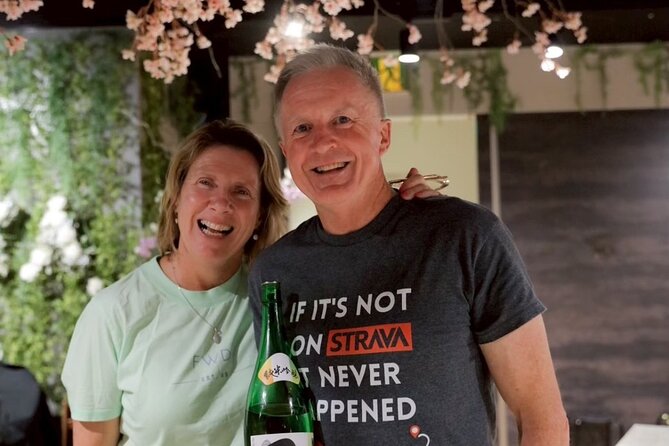
The tasting includes traditional Japanese snacks selected to accompany the sake. This is more than a bonus plate. Food can soften alcohol, sharpen acidity, bring out sweetness, or make a dry sake seem more balanced.
I like this part because it turns the experience from a row of drinks into a small Japanese food lesson. You can taste a sake on its own, then try it with a snack and notice what changes. The pairing does not need to be complicated to be useful.
The available information does not name the snacks, so do not book this expecting a particular dish. The food is described as a traditional accompaniment rather than a full meal. If you are hungry, plan to eat elsewhere before or after the session.
The exclusions make this clear. Additional meals and drinks are not included, and the price covers the tasting experience and its included fees and taxes. At about $39.02 per person, the value depends on what you want. For eight pours, food pairings, a host, and a one-hour introduction, the price is reasonable for someone who wants structure and guidance. It is less attractive if you only want the cheapest possible drink in Shinjuku.
More Sake Tours in Tokyo:
- Ramen and Sushi Cooking Class with Sake Pairing Set in Tokyo
★ 5.0 · 291 reviews - Tasting All Types of Sake with Sommelier
★ 5.0 · 151 reviews - Wagyu & Sake Pairing in Shinjuku – Steak, Shabu-Shabu & More
★ 5.0 · 112 reviews - Tokyo Wagyu & Sake Pairing Tasting Experience with Local Flavors
★ 5.0 · 108 reviews
Finishing With Amazake and Rice Koji
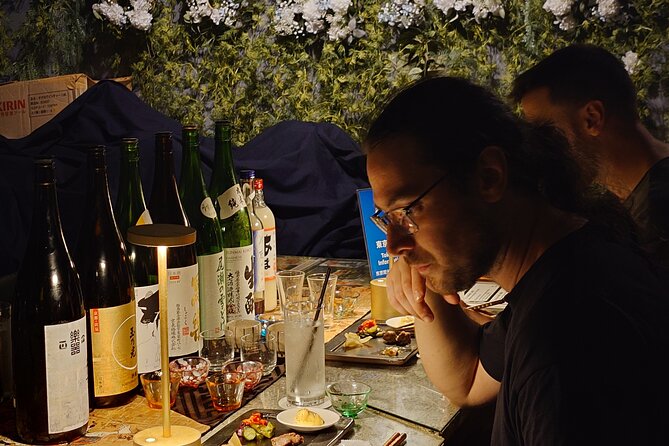
The final taste is amazake, a sweet fermented drink made with rice koji. It works as a dessert and gives the tasting a clean change of direction after the sake.
Amazake is often described in Japan as a drinkable IV because of its reputation as a nourishing, restorative drink. That nickname should not be taken as a medical claim, but it does reflect how familiar and well regarded amazake is in Japanese food culture.
This ending is one of the more unusual details of the experience. Many sake tastings finish with the last alcoholic pour and stop there. Amazake lets you try another rice-based fermented drink with a gentler, sweeter profile. It also gives newcomers a memorable final flavor.
If you prefer dry drinks, the amazake may feel quite sweet. That is not a flaw, but it is worth knowing before you book. The dessert-like finish is part of the design, not an extra alcoholic sample.
Shuma, Music, and the Feel of the Room
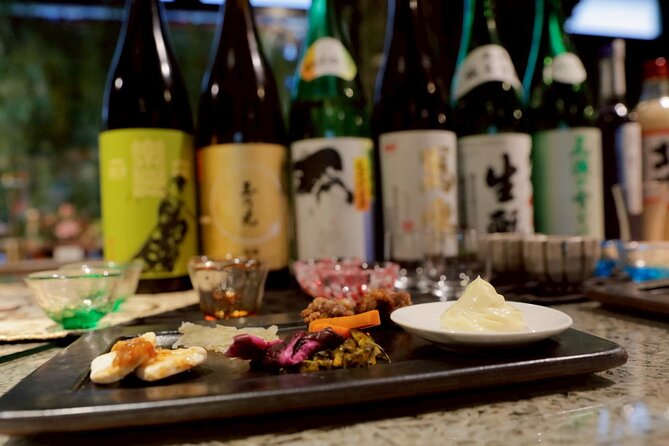
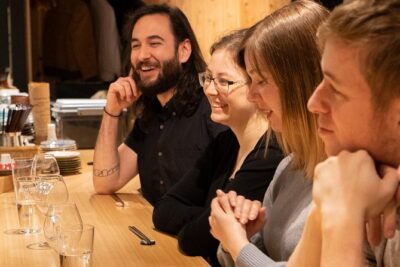
Shuma is the named host associated with the experience. The session is described as having excellent atmosphere, music, and a carefully arranged sequence of sake and food. That combination matters in a tasting because the setting can affect how relaxed you feel while trying unfamiliar drinks.
You are not simply handed eight glasses and left to guess. The order is planned, and the food pairing is handled with care. For a first-time sake drinker, that structure can make the hour less intimidating.
At the same time, the available details do not promise a long lecture, brewery visit, or private instruction. You should expect a hosted tasting with explanations and pairings, not a full professional certification course. The relaxed approach is likely best for people who want to learn while enjoying themselves.
The group can include up to 20 people. That is a reasonable maximum for a social tasting, but it is not an intimate one-on-one appointment. If the session fills, the experience may feel more like a small group event than a private lesson.
The Shinjuku Location and One-Hour Schedule
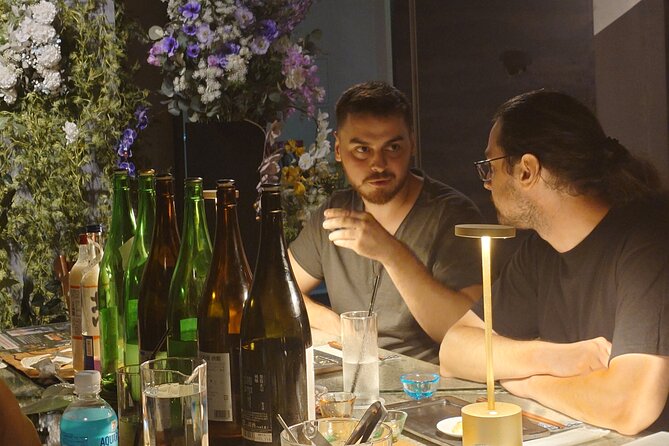
The meeting point is A House With Flowers, located at Japan, 160-0022 Tokyo, Shinjuku City, Shinjuku, 3-chome 6-7, Dai 6 Sanwa Building, fourth floor. The activity ends back at the same meeting point.
This simple out-and-back setup is useful in Shinjuku. You do not need to arrange a separate return transfer, and the experience is near public transportation. Transportation to the meeting point is not included, so you will need to make your own way there.
Allow extra time to find the building and reach the fourth floor. The address includes a building name and floor, but the details do not provide a station exit or walking time. A mobile ticket is accepted, so keep the booking available on your phone.
The one-hour length works well on a busy Tokyo day. You can place it before dinner, after shopping, or between other plans without giving up half a day. The tradeoff is that the schedule may feel quick if you want extended conversation about every bottle.
Because the tour is held at a fixed meeting point, hotel pickup and drop-off are not provided. You should also avoid planning a tight connection immediately afterward. The formal tasting lasts about an hour, but finding the building and leaving the area will add a little time.
Who Will Get the Most From This Experience
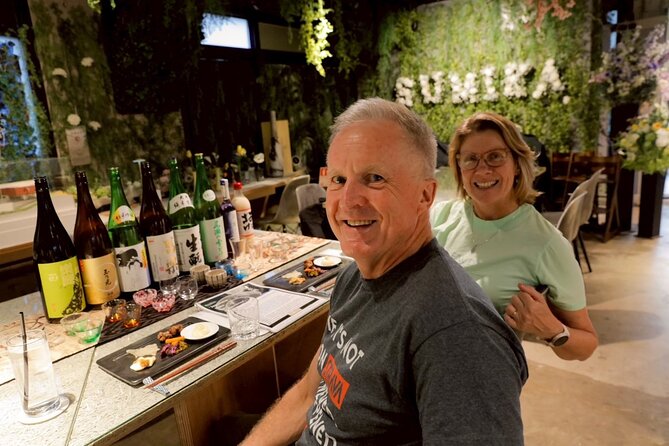
I would recommend this tasting to several kinds of visitors:
- First-time sake drinkers who want a guided introduction rather than a random bottle at a restaurant.
- Sake fans who want to compare eight Japan-only selections in one sitting.
- Food-minded visitors who enjoy learning through pairings.
- Short-stay visitors who need an activity that fits into one hour.
- Couples and small groups looking for a relaxed indoor tasting in Shinjuku.
It is less suitable if you want a large meal, a long brewery tour, or a sightseeing walk tied closely to cherry blossom viewing. It is also not suitable for anyone under age 20. Japanese law prohibits underage drinking, and the experience does not allow participants younger than 20.
You should also think about your alcohol tolerance. The session includes eight sakes, even though the pours may be tasting-size. If you know that alcohol affects you quickly, you may prefer to share the experience with someone who can help you pace yourself, or choose a non-drinking activity instead.
Price, Booking Timing, and Cancellation
The listed price is $39.02 per person. Since all fees and taxes are included, the amount is easier to understand than a low base price with extra charges added later.
The value is strongest if you would otherwise spend time and money sampling sake without knowing what to choose. Eight guided pours and traditional snacks give you a clear framework. If you already know your favorite styles and only want one drink, the price may feel high for a one-hour activity.
This experience is often booked about 36 days in advance. That does not guarantee that every date sells out, but it is a useful sign that you should plan ahead if your Tokyo schedule is fixed. Confirmation is provided at booking, and the mobile ticket makes the entry process simple.
Free cancellation is available when you cancel at least 24 hours before the start time. Changes or cancellations inside that window are not accepted and are not refunded. Cutoff times follow local Tokyo time, so check the exact start time before making changes.
The activity requires good weather and a minimum number of participants. If poor weather cancels it, or if the minimum is not reached, you can choose another date or experience, or receive a full refund. That policy gives you some protection, but it also means the session is not completely guaranteed until the required conditions are met.
Should You Book the Shinjuku Sake Tasting?
Book it if you want a short, organized introduction to Japanese sake with eight pours, traditional snacks, and a distinctive amazake finish. The gradual order makes it friendly for beginners, while the Japan-only selection and food pairings give experienced drinkers something to compare.
I would not book it as a cherry blossom sightseeing tour, a full meal, or a long technical seminar. Think of it as a polished one-hour tasting in Shinjuku, hosted by Shuma, with a pleasant setting and enough variety to help you understand what kind of sake you like.
At $39.02, it offers fair value for someone who wants guidance instead of guesswork. If you are age 20 or older, can reach the fourth-floor meeting point on your own, and have room in your schedule for a focused tasting, this is a sensible addition to a Tokyo itinerary.
FAQ
How long does the Japanese sake tasting last?
The experience lasts approximately one hour.
How many sakes are included?
The tasting includes eight carefully selected sakes that are available exclusively in Japan.
What alcohol level does the tasting begin with?
The opening sakes are typically around 15 to 16 percent alcohol, with the session then moving toward more distinctive aromas and flavors.
Is food included?
Traditional Japanese snacks are included for pairing with the sake. Additional meals and drinks are not included.
What is served at the end?
The tasting ends with amazake, a sweet fermented rice drink made with rice koji.
Who hosts the experience?
Shuma is identified as the host for the tasting.
Can anyone under 20 participate?
No. Participants must be at least 20 years old because the experience serves Japanese sake and underage drinking is prohibited under Japanese law.
Where does the activity begin and end?
It begins and ends at A House With Flowers, at 3-chome 6-7, Dai 6 Sanwa Building, fourth floor, in Shinjuku, Tokyo.
Is transportation included?
No. You are responsible for transportation to the meeting point, and hotel pickup and drop-off are not included.
Can I cancel for a full refund?
Yes, if you cancel at least 24 hours before the experience start time. Cancellations or changes made less than 24 hours before the start time are not refunded or accepted.
Newly added around Tokyo
- Wagyu BBQ & Sukiyaki with Sake Pairing Experience near Ginza★ 5.0 · 2 reviews
- Tokyo Sake Tasting Tour with a Sake Expert★ 5.0 · 7 reviews
- Sake Tasting and Cherry Blossom Fun in Tokyo!★ 5.0 · 4 reviews
- Private Sake Tasting at 300 Years Old Sake Brewery in Tokyo★ 5.0 · 3 reviews
- Tokyo: Serene Sakura & Sake: An Exclusive Brewery Pairing Lunch★ 5.0 · 2 reviews
- Sake Pairing Workshop with Japanese Food in Shinjuku★ 5.0 · 5 reviews
- Nagano: Snow Monkey and Zenkoji Temple Free Sake Taste Day Tour★ 4.5 · 8 reviews
- Japanese Sake Tasting and Masu Crafting Experience in Tokyo★ 5.0 · 9 reviews
Sake Tasting, compared.

3-Hour Kyoto Insider Sake Brewery Tour with Tastings & Pairings
Read our review →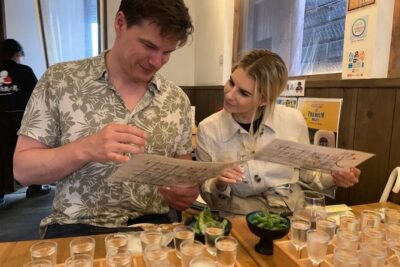
Sake Tasting Masterclass in Shinjuku (8+ Varieties with a Pro)
Read our review →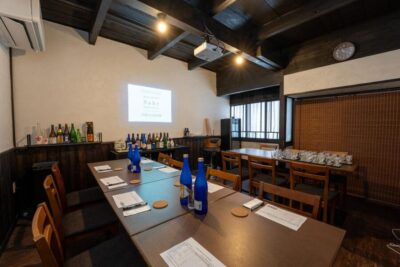
Insider Sake Experience with 7 Tastings and Snacks
Read our review →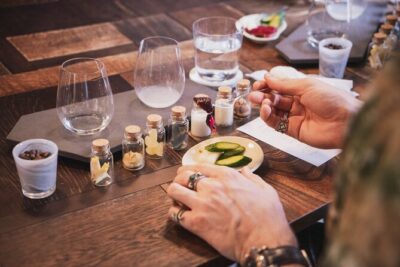
Sake Omakase in Tokyo: Guided Tasting by Certified Sommeliers
Read our review →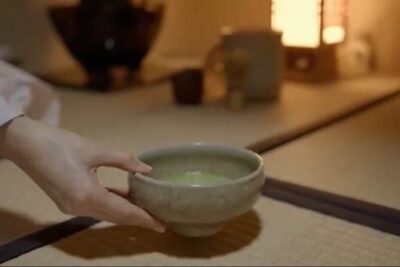
Private Tea Ceremony and Sake Tasting in Kyoto Samurai House
Read our review →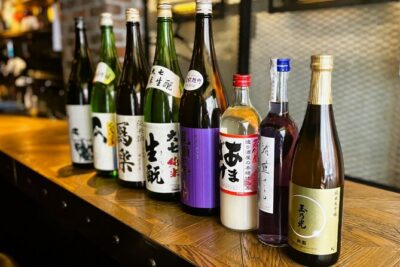
Casual Japanese SAKE tasting and snack experience in Kabukicho
Read our review →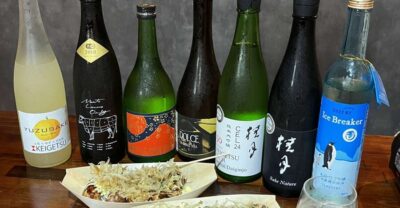
Browse the lists this tour appears in