
Reviewed · SAKE & FOOD PAIRING TOURS
Tokyo: Sushi and Ramen Cooking Class with Sake Pairing Set
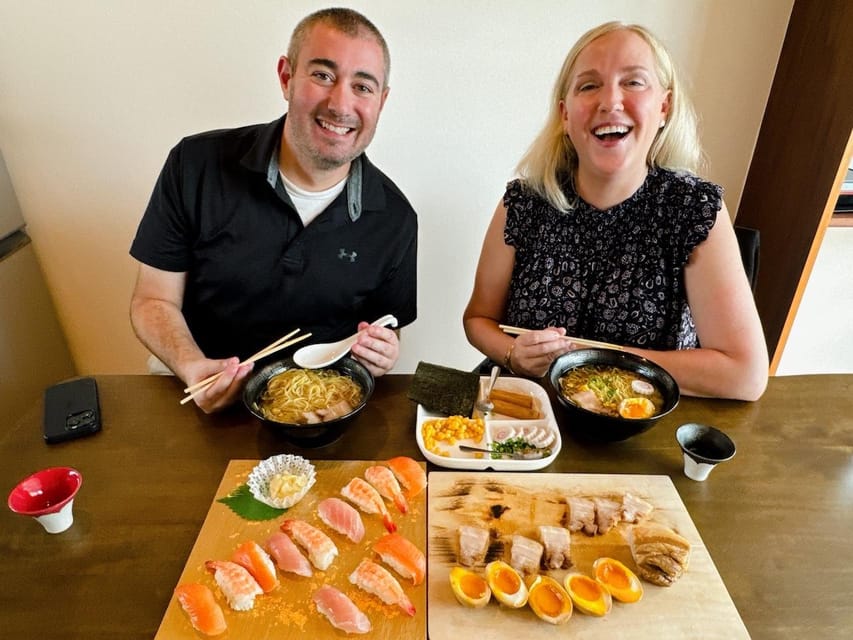
Tokyo’s sushi and ramen class gives you more than a meal. You make nigiri sushi by hand, prepare ramen broth and chashu pork, then sit down to eat what you cooked with three sake pairings. The small setting lets instructors correct your technique instead of leaving you to copy from the back of a crowded room.
I especially like the four-person intimate format, which can feel almost private when attendance is light, and the useful recipe booklet with ingredient substitutions for cooking outside Japan. The main consideration is the $129 price: fair for a three-hour class with food, sake, instruction, and souvenirs, but high if you only want a quick sushi-making activity.
Key details at a glance
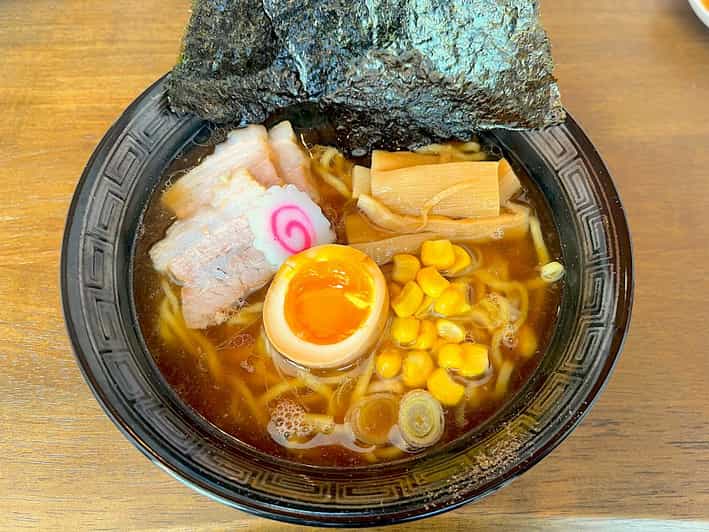
- Ramen from broth to chashu: Learn how the soup and tender pork come together, with some preparation completed ahead of time to fit the three-hour schedule.
- Nigiri sushi practice: Shape sushi with supplied ingredients and tools, with patient guidance for first-timers.
- Three sake pairings: Taste premium Japanese sake selected by a certified sake sommelier, with beer also available according to the class details.
- Small Tokyo kitchen: The class is limited to eight people, with about four participants often creating a quieter, more personal session.
- Useful take-home materials: You receive recipes for ramen, gyoza, and sushi, plus a pair of chopsticks.
- Easy Tsukishima access: The meeting point is a five-minute walk from Exit 4 of Tsukishima Station, near Ginza, Tsukiji, and Tokyo Station by taxi.
What this Tokyo cooking class is really about
This is a hands-on food lesson with a cultural side, not a restaurant demonstration. You work through two of Japan’s best-known dishes and then eat the finished meal in the same room. That format makes the class especially useful if you want to understand what goes into familiar Japanese food instead of simply ordering another bowl of ramen.
The class is taught in English by Japanese instructors. Names connected with the teaching team include Sato, Haruko, Risa, Alex, Misa, and Luna. The exact instructor lineup can vary, but the experience is built around friendly, direct teaching rather than a formal lecture.
The mood is relaxed. Instructors explain ingredients, techniques, and the origins of sushi and ramen, then give you time to try the steps yourself. Some parts of the cooking are prepared in advance, which is sensible. A true from-scratch ramen process would take longer than three hours, and this approach leaves room for you to cook, ask questions, taste sake, and enjoy the meal without racing the clock.
More Sushi and Sake Tours in Tokyo:
- Ramen and Sushi Cooking Class with Sake Pairing Set in Tokyo
★ 5.0 · 291 reviews - Sake Omakase in Tokyo: Guided Tasting by Certified Sommeliers
★ 5.0 · 239 reviews - Tsukiji: Outer Market Walking Tour & Sake Tasting Experience
★ 4.9 · 81 reviews
Arriving in Tsukishima
The class takes place on the second floor of HAUS Tsukishima at 2-13-5 Tsukuda, Chuo-ku. From Tsukishima Station, use Exit 4 and allow about five minutes on foot. You should arrive five minutes before the start time, especially since this is a small room where a late arrival can interrupt the opening explanation.
Tsukishima is convenient for several popular Tokyo stops. By taxi, the venue is about six minutes from Tsukiji Fish Market, nine minutes from Ginza, and ten minutes from Tokyo Station. It is also about eleven minutes from teamLab Planets and thirty minutes from Shinjuku, though traffic can affect those estimates.
If you are taking a taxi, show the driver this address:
東京都中央区佃2-13-5 HAUS Tsukishima 2階
There is no hotel pickup or drop-off. I would plan this as a half-day activity rather than trying to squeeze it between tightly timed sightseeing reservations. The class itself lasts three hours, and the food makes it a substantial meal.
Starting with Japanese food culture
The opening portion introduces the background of sushi and ramen. This matters because both dishes have changed over time, and the class connects what you cook with the traditions behind it. You are not expected to know Japanese cooking terms in advance.
The instructors also explain ingredients and offer practical suggestions for substitutions overseas. That is one of the strongest parts for anyone who wants to repeat the dishes at home. A recipe that works only with ingredients found in one Tokyo kitchen is a souvenir, not a useful cooking lesson. Here, the aim is to give you a workable path back home.
The teaching style appears suited to mixed ability levels. Beginners receive patient instructions, while more confident cooks can ask about technique and ingredient choices. Some sessions include a pop quiz or small group activity, adding a bit of fun without turning the class into a schoolroom.
You will probably spend much of the early class listening, watching, and preparing ingredients. Then the work becomes more active as you handle the sushi rice, fish, ramen components, and pork. Comfortable clothes are a must since cooking can get messy.
Making ramen, broth, and chashu
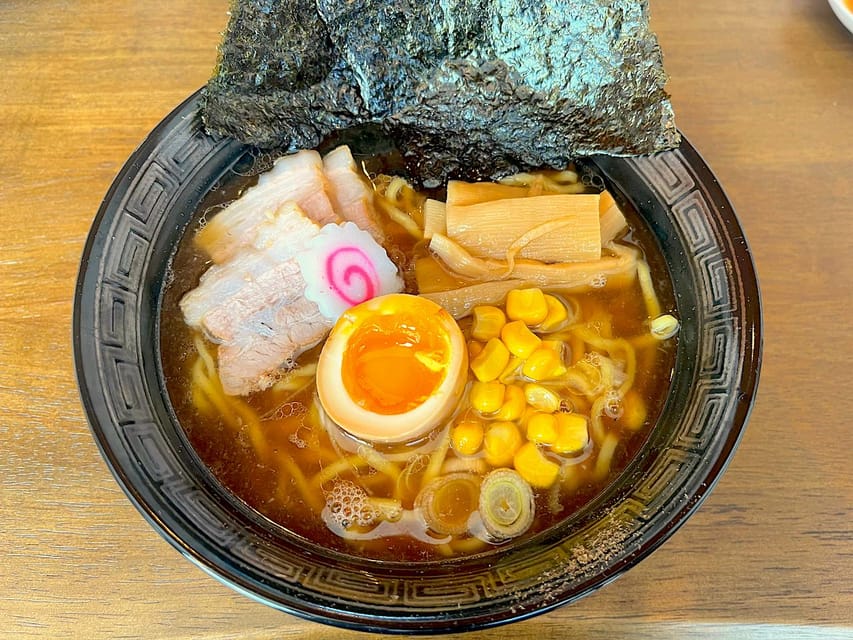
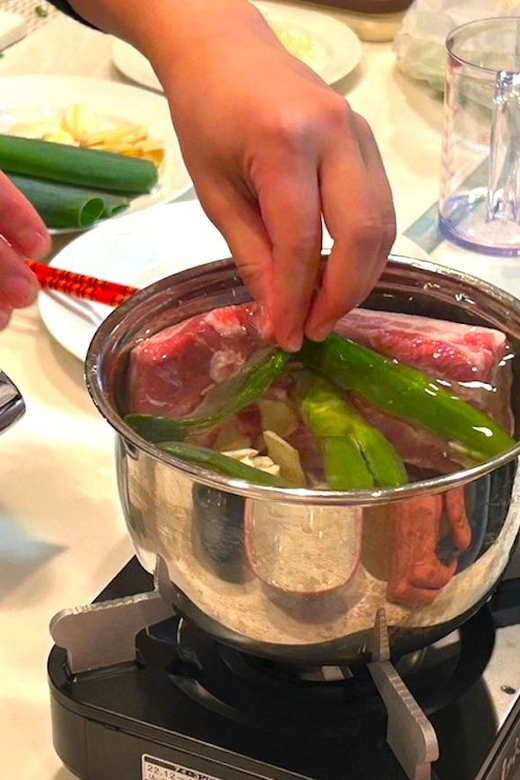
The ramen portion is the heart of the class for many people. You learn how the soup is built and how chashu, the tender pork belly served with ramen, is prepared. The goal is not merely to assemble a bowl. It is to understand how broth, noodles, toppings, and pork work together.
The class cannot reproduce every stage of a long restaurant kitchen process in one afternoon. Some components are prepared ahead to fit the schedule. That is a small compromise, but a sensible one. You still get hands-on practice and a clear explanation of the method, without spending hours waiting for broth to develop.
The practical value is clear when you receive the recipes afterward. You can try the dish at home, where you may need to adjust ingredients based on what is sold locally. The instruction includes tips for those substitutions, which makes the lesson more useful than a one-time cooking show.
The finished ramen is served during the meal at the end. The portions are described as generous, so do not plan another large lunch or dinner immediately afterward. One useful detail is that the food is not just a token tasting. You are making enough to sit down and eat properly.
More Sake and Food Pairings in Tokyo:
- Wagyu & Sake Pairing in Shinjuku – Steak, Shabu-Shabu & More
★ 5.0 · 112 reviews - Tokyo Wagyu & Sake Pairing Tasting Experience with Local Flavors
★ 5.0 · 108 reviews - Cozy Tokyo Class: Ramen, Sushi, Sake Pairing & Cultural Exchange
★ 5.0 · 74 reviews - Wagyu Beef and Sake Pairing Foodie Tour in Tokyo
★ 5.0 · 71 reviews
Shaping nigiri sushi by hand

The sushi portion focuses on nigiri, the hand-formed style made with a small mound of seasoned rice and a topping. You use the provided ingredients and tools, with the instructors showing you how to shape the rice and handle the pieces.
Nigiri looks simple, but the shape and pressure matter. Too much force makes the rice dense. Too little leaves it falling apart. This is where a small class helps, since the instructor can watch your hands and offer a quick correction.
The class also explains sushi’s origins and development, giving context to what you are preparing. That background makes the activity more meaningful, particularly if you have spent your trip eating sushi without thinking about how the form developed.
You do not need previous sushi-making experience. The instructions are designed for beginners, and the teaching team guides you through each stage. Still, the lesson is not only for novices. If you already make sushi at home, you can use the time to refine nigiri shaping and ask about ingredients or methods.
Sake tasting with the meal
Three premium Japanese sakes are selected by a certified sake sommelier for the tasting. One instructor is from a sake brewing family, adding a personal link to the subject. The tasting is intended to match the food, not simply provide three random drinks.
You will have a chance to compare the sakes as you eat the ramen and sushi. That pairing helps you notice how the drinks work differently with salty broth, seasoned rice, fish, and pork. You do not need to be a sake expert to take part. The explanations are in English and aimed at a general audience.
Beer may also be available, according to the class information and attendee accounts. Keep in mind that the activity is not suitable for vegans or vegetarians, and the food and drink focus makes it a poor match for anyone avoiding meat, fish, or alcohol-related settings.
The small-group advantage
The official limit is eight participants, while the class is often described as having about four. That difference matters. With four people, you can ask questions easily and receive direct help. With eight, the session should still be more personal than a large group demonstration, but you may have less one-on-one time.
The small room also shapes the social side of the class. You cook beside other people, compare your sushi shapes, and share the final meal. Families, couples, and solo visitors can all fit the format. Several people have used it as a shared activity for an anniversary or family day in Tokyo.
The warmth of the instructors is repeatedly emphasized by the class feedback. That is worth noting because cooking classes can feel awkward when the teacher is distant or the instructions move too fast. Here, the tone is meant to be welcoming and conversational, with cultural stories and personal touches alongside the recipes.
The tradeoff is that a cozy venue may feel close if you prefer lots of personal space. The room is described as immaculate and welcoming, but not large. If you want a spacious, restaurant-style cooking studio, this may not be the right fit.
What you take home
The recipe booklet is one of the better features for the price. It includes instructions for ramen, gyoza, and sushi, even though the class centers on ramen and nigiri sushi. You can use it to repeat the dishes and make adjustments when certain Japanese ingredients are unavailable.
You also receive a pair of high-quality chopsticks. This is a small souvenir, but a useful one. Unlike a decorative item that gets packed away, chopsticks can become a practical reminder of the lesson.
The bigger souvenir is confidence. You leave knowing how to approach ramen broth, chashu, and hand-formed sushi. You may not reproduce a Tokyo restaurant bowl perfectly on your first attempt, but you will have a method to practice.
Is $129 a fair price?
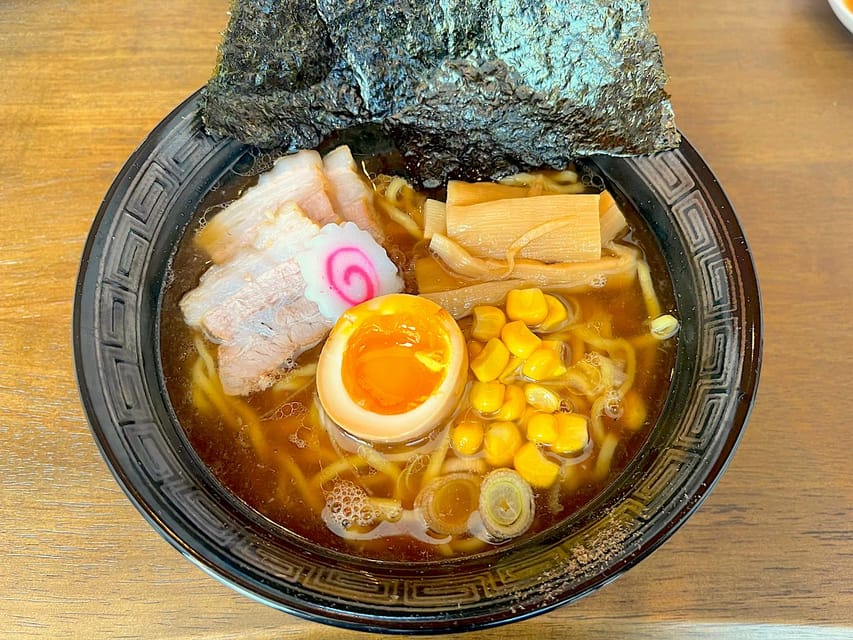
At $129 per person, this is not a bargain meal. It is priced as a guided experience that combines cooking instruction, a substantial lunch or dinner, sake tasting, cultural information, recipes, and a souvenir.
The value improves if you would otherwise book a separate food tour and a meal. Here, the meal is the result of your own work, and the recipes extend the experience beyond your Japan trip. The intimate group size also adds value for people who want personal help rather than a quick demonstration.
The price is harder to justify if you mainly want to taste ramen and sushi. Tokyo offers many less expensive ways to eat both dishes. You should book this when the learning and social parts matter as much as the food.
Free cancellation is available up to 24 hours before the class for a full refund, and you can reserve now and pay later. Starting times vary, so check availability before building the rest of your day around it.
Who should book this experience?
I would recommend it most strongly to first-time Tokyo visitors who love Japanese food and want a practical cultural activity. It works well for couples, families, and solo cooks who enjoy meeting a few other people.
It is also a good rainy-day plan. You get a warm indoor activity, a full meal, and something useful to take home. Families should note that the class has been used successfully for family visits, though the supplied information does not give a minimum age.
You should skip it if you are vegan or vegetarian. You may also want to pass if you dislike small-group activities, have a very tight schedule, or want a fully traditional restaurant kitchen experience with every ingredient prepared from the beginning.
My booking advice
Book this class if you want to learn two classic Japanese dishes in one sitting, enjoy sake, and value patient instruction. The combination of ramen, chashu, nigiri sushi, cultural context, recipes, and a small group gives the $129 fee a reasonable basis.
I would schedule it early or midway through your Tokyo stay. You will have time afterward to use the food tips during the rest of your trip, and you can return home with recipes you are likely to try. Wear comfortable clothes, arrive five minutes early, and come hungry.
FAQ
Where does the Tokyo sushi and ramen class take place?
The class takes place at HAUS Tsukishima, 2nd Floor, 2-13-5 Tsukuda, Chuo-ku, Tokyo 104-0051. It is a five-minute walk from Exit 4 of Tsukishima Station.
How long does the cooking class last?
The experience lasts three hours. Check the available starting times when booking.
What will I learn to cook?
You will learn to make ramen, including the soup and chashu pork, and prepare nigiri sushi by hand. A recipe booklet also includes ramen, gyoza, and sushi recipes.
Is the class taught in English?
Yes. The instructors speak English, and the activity is offered in English.
Is sake included?
Yes. The class includes a tasting of three Japanese sakes selected by a certified sake sommelier. Beer may also be available.
Can vegans or vegetarians join?
No. The activity is not suitable for vegans or vegetarians.
More Cooking Classes with Sake in Tokyo
- Tokyo: Sushi Cooking Class with Sake Tasting
★ 4.8 · 55 reviews - Tokyo Sushi Making Class : Sake Ceremony & Matcha Experience
★ 5.0 · 44 reviews - Japanese Sake Tasting & Wagyu Sukiyaki Cooking Class in Tokyo
★ 5.0 · 10 reviews - Osaka Sake Tasting with Takoyaki Cooking
★ 5.0 · 156 reviews
Newly added around Tokyo
- Japanese Sake Tasting & Wagyu Sukiyaki Cooking Class in Tokyo★ 5.0 · 10 reviews
- Tokyo Sake Tour with a Local Guide, Private & Tailored to Your Taste★ 4.0 · 12 reviews
- 7 Kinds of Sake Tasting with Complementary Foods★ 5.0 · 11 reviews
- Wagyu Beef & Sake Pairing Foodie Tour in Tokyo★ 5.0 · 16 reviews
- 10 kinds Sake Tasting Experience in Tsukiji with local!!★ 5.0 · 19 reviews
- Sake & Food Pairing with Sake Professional★ 5.0 · 28 reviews
- Private Tour: Tokyo’s Oldest Sake Brewery and Riverside Walk★ 5.0 · 25 reviews
- Wagyu & Sake 8 Course Tasting Dinner in Shinjuku★ 4.9 · 20 reviews
Sake & Food Pairing Tours, compared.

3-Hour Kyoto Insider Sake Brewery Tour with Tastings & Pairings
Read our review →
Insider Sake Brewery Tour with Sake and Food Pairing
Read our review →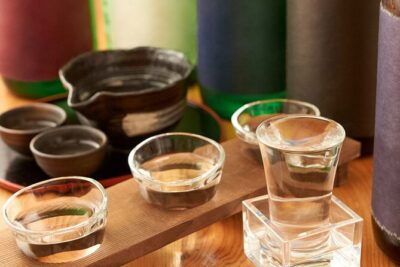
Ramen and Sushi Cooking Class with Sake Pairing Set in Tokyo
Read our review →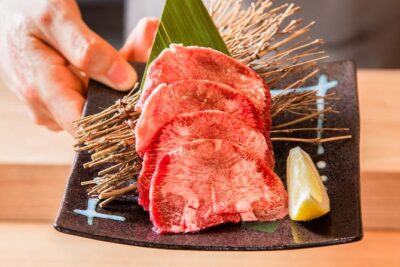
Wagyu & Sake Pairing in Shinjuku – Steak, Shabu-Shabu & More
Read our review →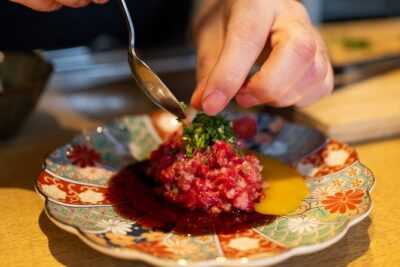
Tokyo Wagyu & Sake Pairing Tasting Experience with Local Flavors
Read our review →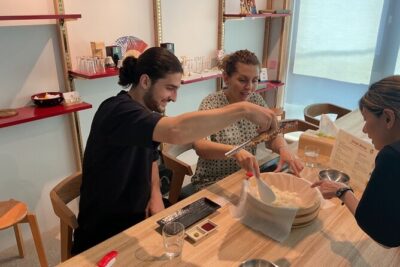
Cozy Tokyo Class: Ramen, Sushi, Sake Pairing & Cultural Exchange
Read our review →
Wagyu Beef and Sake Pairing Foodie Tour in Tokyo
Read our review →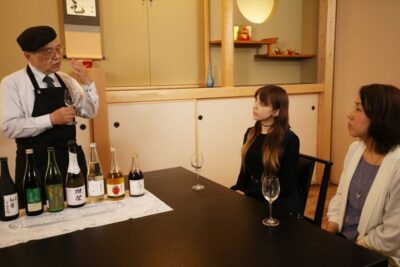
7 Kinds of Sake Tasting with Japanese Food Pairings
Read our review →Browse the lists this tour appears in