
Reviewed · TOKYO SAKE TOURS
Experience a western twist on Japanese sake snacks
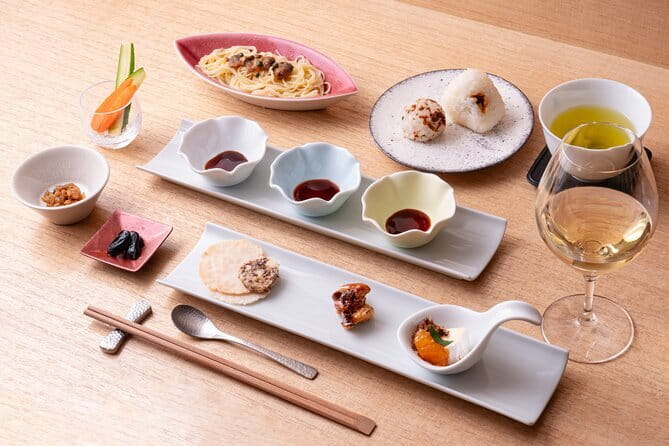
Tsukudani is preserved seafood cooked in a sweet-salty sauce, and this private tasting shows how an old Edo-period staple can work with sake, wine, rice, pasta, and nuts. I like the mix of tradition and experiment, and I like that the entire 90-minute session is private, so the tasting can stay focused on your questions and your pace.
The tasting takes place at Shinbashi Tamakiya, a shop founded in 1782, which gives the food a real connection to Tokyo’s past. The main consideration is that tsukudani has a strong, salty flavor, so this suits curious eaters more than anyone seeking a broad sightseeing tour or a mild snack tasting.
Key points at a glance
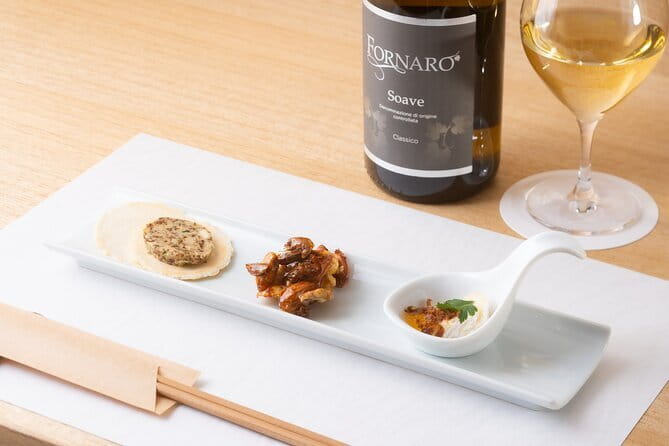
- Three signature tsukudani varieties: Taste traditional preserved seafood before trying newer combinations.
- A secret sauce tasting: The sauce is treated as part of the lesson, not just a background flavor.
- Wine or sake pairings: See how the same salty seafood changes with different drinks.
- Rice, furikake, pasta, and nuts: The tasting moves beyond the usual Japanese serving style.
- Private 90-minute format: Your group takes part alone, with no larger tour crowd.
- Morning or afternoon times: The schedule works well as a food stop between Tokyo plans.
Tsukudani at Shinbashi Tamakiya, a shop dating to 1782
The first thing to understand is that tsukudani is not simply dried seafood. It is seafood preserved by simmering it in a concentrated sauce, traditionally made with soy sauce and other seasonings. The result is small, powerful bites designed to be eaten with rice, though this tasting shows that the food can go well beyond that familiar pairing.
Shinbashi Tamakiya was established in 1782, during the Edo period. That date matters because tsukudani is tied to the long history of practical Japanese home cooking. Preserving seafood made it useful as a pantry food, and its intense flavor meant that a little could season a bowl of plain rice.
You begin by learning about the shop and the place tsukudani holds in Japanese food culture. The session is not built around a quick sample at a counter. It gives you time to understand why the food tastes the way it does before moving into the tasting itself.
That background helps if tsukudani is new to you. You will know to expect concentrated flavor rather than a light seafood dish. It also gives the tasting a clear purpose: you are not only deciding which sample you prefer, but seeing how one traditional food can be used in several ways.
More Sake Tours in Tokyo:
- Ramen and Sushi Cooking Class with Sake Pairing Set in Tokyo
★ 5.0 · 291 reviews - Sake Tasting Masterclass in Shinjuku (8+ Varieties with a Pro)
★ 5.0 · 271 reviews - Sake Omakase in Tokyo: Guided Tasting by Certified Sommeliers
★ 5.0 · 239 reviews
Three signature tastes and the shop’s secret sauce
The central part of the tasting features three signature tsukudani preparations. The precise seafood varieties are not specified in the tour details, so you should expect a selection chosen by the shop rather than a guaranteed list of named ingredients.
This is useful for comparing the style of the food. You can pay attention to texture, saltiness, sweetness, and how much of the sauce clings to each bite. Since the portions are part of a guided tasting, you can focus on small differences that might be easy to miss if you simply picked up a jar in a shop.
You also taste the shop’s secret sauce. That detail gives the experience a practical edge. The sauce is not merely a story about the past, it is the flavor base that explains why tsukudani can be so intense and why it works best with a plain partner such as rice.
I would approach this part with an open mind. Tsukudani can be more assertive than the Japanese foods many people know from restaurants. The salty-sweet profile is the point, and the tasting gives you several ways to understand it rather than asking you to judge the food from one bite alone.
Rice and furikake show the classic pairing
After the seafood tasting, you try rice with tsukudani and furikake seasonings. This is likely the most direct way to understand how the food is traditionally eaten.
Plain rice softens the strong taste of preserved seafood. Furikake adds another seasoning layer, making the dish feel closer to a Japanese pantry meal than a formal restaurant course. You get a sense of why tsukudani has lasted: it can turn simple rice into a full-flavored meal with a small amount of topping.
This part should be especially helpful if you want to use tsukudani after returning home. You can think of it as a serving lesson. Rather than treating the seafood as an isolated snack, you see how it fits into an everyday meal.
The experience includes brunch and snacks, but it is still a tasting rather than a large lunch. If you arrive very hungry, keep that in mind. The value comes from variety, explanation, and pairing, not from a large quantity of food.
Pasta and nuts give Edo-era food a modern turn
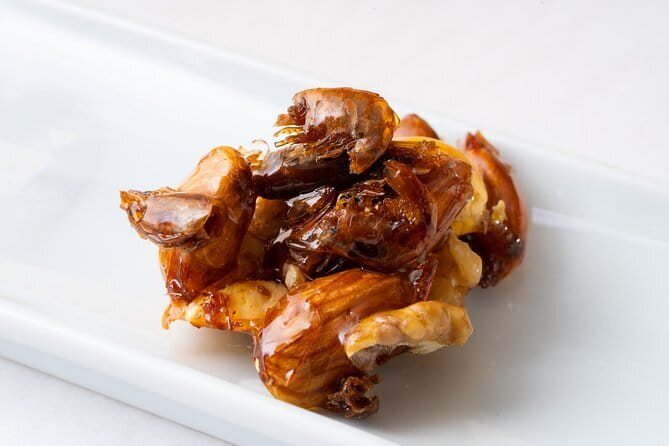
The most unusual part of the session is the move into modern combinations. You try tsukudani with ingredients such as pasta and nuts, which shows how the preserved seafood can be adapted for a more Western-style meal.
Pasta makes sense as a comparison because it provides a neutral base, much like rice. The sauce and seafood become a seasoning, and you can judge how the flavors change when the dish no longer follows a familiar Japanese format.
Nuts add another contrast through texture. The crisp bite of a nut can change the feel of the soft, preserved seafood and may make the combination more appealing to someone who finds the traditional texture unfamiliar.
I like this portion because it avoids treating traditional food as something frozen in time. You get the classic preparation first, then see how the same ingredient might fit modern home cooking. It is also a useful reminder that Japanese food culture includes plenty of adaptation and experimentation.
The Western twist should not be mistaken for a separate fusion cooking class. The experience is a guided tasting, not a lesson in preparing a full pasta dish or making tsukudani from scratch. You are there to sample the combinations and learn how they work.
Same corner of Tokyo, a different pour:
- Casual Japanese SAKE tasting and snack experience in Kabukicho
★ 5.0 · 159 reviews - Tasting All Types of Sake with Sommelier
★ 5.0 · 151 reviews - Wagyu & Sake Pairing in Shinjuku – Steak, Shabu-Shabu & More
★ 5.0 · 112 reviews - Tokyo Wagyu & Sake Pairing Tasting Experience with Local Flavors
★ 5.0 · 108 reviews
Sake or wine changes the way tsukudani tastes
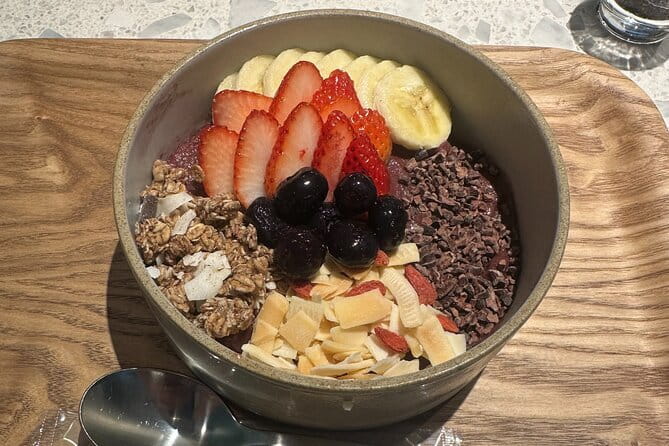
Alcoholic beverages are included, with a choice of sake or wine pairings. That choice is one of the strongest reasons to book this instead of seeking out tsukudani on your own.
Sake keeps the tasting close to its Japanese roots. Wine gives the food a more Western comparison and fits the modern pairings with pasta and nuts. The same tsukudani can taste different depending on the drink beside it, so pay attention to whether the alcohol softens the saltiness, brings out sweetness, or makes the seafood taste more pronounced.
The tour details do not specify the exact sake or wine served. If you have a strong preference, it is sensible to confirm the available choice when booking or before the tasting begins.
You should also remember that alcohol is part of the experience, not an optional add-on listed separately. Anyone who does not drink should check how the provider handles that situation. The tour includes alcoholic beverages, but the information provided does not promise a nonalcoholic replacement.
A private 90-minute format keeps the tasting personal
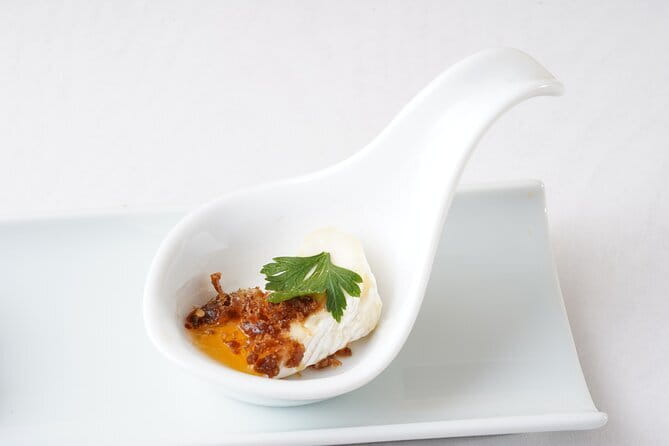
This is a private activity, so only your group participates. That is a meaningful benefit for a food experience built around unfamiliar flavors. You can ask basic questions, compare reactions within your group, and spend more time on the samples that interest you.
The format also suits couples, families with adult members, or small groups of friends who want a quieter food stop. A large group can make a strong-flavored tasting feel rushed or self-conscious. Here, the setting is designed around your group rather than a general audience.
The activity lasts about one hour and 30 minutes. That makes it easy to fit into a morning or afternoon in Tokyo. You can use it as a compact food-focused break between other plans, rather than giving up half a day.
There is a small trade-off. The experience is focused almost entirely on tsukudani and related pairings. If you want a broad introduction to Tokyo cuisine, street food, or the Shinbashi area, this will feel narrow. Its strength is the subject itself.
Morning and afternoon tastings are available. The morning option includes brunch, while the afternoon session can work as a snack and drinks stop. Since the exact start times are not provided, check the available schedule before choosing your Tokyo plans for the day.
Meeting at Shinbashi Tamakiya
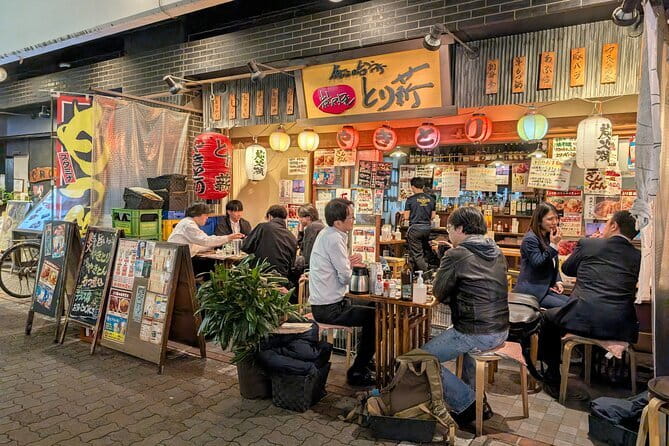
The meeting point is Shinbashi Tamakiya, at 4-chome 25 in Shinbashi, Minato City, Tokyo, postal code 105-0004. The activity ends back at the same location, so you do not need to arrange a separate return transfer.
The shop is near public transportation, which makes the meeting point practical for a city itinerary. Still, Tokyo addresses can be confusing when buildings and small streets are involved. Use the full address on your mobile ticket and allow enough time to find the entrance.
The activity includes a mobile ticket, which is convenient if you are moving around Tokyo with your phone. Confirmation is sent within 48 hours of booking, subject to availability, so do not treat an unconfirmed request as a final appointment until you receive that confirmation.
Service animals are allowed, and most people can participate. The provided information does not give details about wheelchair access, food allergies, or specific dietary substitutions, so contact the provider before booking if any of those issues affect you.
What the $36.24 price really buys you
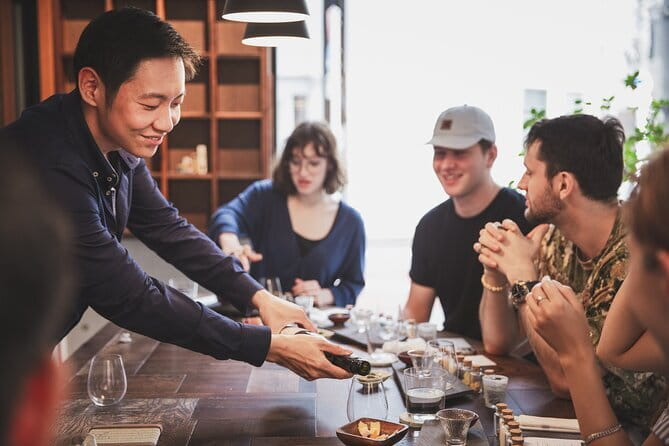
At $36.24 per person, the price is reasonable if you want a guided, private food lesson rather than a simple snack purchase. It covers the tsukudani tastings, the sauce tasting, rice and furikake, modern combinations, snacks, brunch, and sake or wine.
The private format adds value. You are paying for access to a focused session at a long-established specialist shop, along with explanations that help you understand what you are eating. If you already know tsukudani well and only want to buy a jar, the price may feel less attractive.
The booking pattern also tells you something practical: this experience is booked an average of 59 days ahead. That suggests limited availability or strong advance planning, especially for travelers building a fixed Tokyo schedule. If the tasting is important to you, book early rather than waiting until the day before.
Personal expenses beyond the included food and alcohol are not covered. The information does not list transport, shopping, or extra purchases as included, so plan to pay separately for anything you take home from the shop.
Who will enjoy this tasting most
I would recommend this experience to you if you like food with a story and do not mind strong flavors. It is a good choice for someone who has already seen Tokyo’s major sights and wants a more focused look at a less familiar part of Japanese food culture.
It also suits repeat visitors who have eaten sushi, ramen, tempura, and yakitori and want something different. Tsukudani may be a small part of Japanese cuisine, but that is exactly why this tasting has value: it takes one specific food and explains how it works.
The private format is useful for curious couples and small groups. It is also a good fit if you prefer asking questions directly instead of listening to a standard presentation made for a large crowd.
I would be more cautious about booking it for very young children or for anyone who avoids seafood, alcohol, or salty foods. The details do not promise child-specific activities, seafood alternatives, or nonalcoholic pairings. The tasting is about tsukudani, so your group should be comfortable with that focus.
The booking and cancellation details you should know
Free cancellation is available up to 24 hours before the experience starts. Cancel at least 24 hours ahead for a full refund.
Cancellations or changes made less than 24 hours before the start time are not accepted for a refund. The cut-off follows local Tokyo time, so check the clock carefully if you are changing plans from another time zone.
A 4.9 rating from 32 reviews, with 100 percent recommending the experience, points to a strong response to the format. The most praised qualities are the welcoming teaching style and the food itself. One especially positive response describes the teacher as wonderful, informative, and welcoming, which matches the tour’s main promise: explanation alongside tasting.
No guide name is provided, so I would not book this expecting a named host. Book it for the shop, the food, the private setup, and the chance to try tsukudani in both traditional and modern forms.
Should you book the Shinbashi Tamakiya tasting?
Yes, if you want a short, private food experience with a clear subject and a genuine connection to old Tokyo cooking. The combination of three signature tsukudani, secret sauce, rice, furikake, pasta, nuts, and sake or wine gives you far more context than a quick sample at a shop counter.
The main caution is flavor and focus. Tsukudani is preserved seafood with a strong sweet-salty taste, and this is not a general Japanese cooking tour. If that sounds appealing, $36.24 is a fair price for a 90-minute private tasting at a shop founded in 1782. If you want a larger meal, broad sightseeing, or a mild introduction to Japanese food, choose another activity.
FAQ
Where does the tsukudani tasting take place?
It takes place at Shinbashi Tamakiya in Shinbashi, Minato City, Tokyo. The listed address is 4-chome 25, Ishida Building, first floor, postal code 105-0004.
How long does the experience last?
The tasting lasts approximately one hour and 30 minutes.
Is the activity private?
Yes. Only your group participates in the activity.
What is included in the price?
The price includes tsukudani tastings, snacks, brunch, and alcoholic beverages consisting of sake or wine pairings.
What kinds of food will I taste?
You will taste traditional and modern tsukudani, the shop’s secret sauce, three signature tsukudani varieties, rice with tsukudani and furikake, and tsukudani with ingredients such as pasta and nuts.
Can I choose sake or wine?
The experience includes sake or wine pairings. The supplied details do not specify the exact drink choices or whether both are available at every session.
Are morning and afternoon times available?
Yes. You can choose from morning or afternoon tasting times, subject to availability.
Is transportation included?
Transportation is not listed as included. The activity begins and ends at Shinbashi Tamakiya, which is near public transportation.
Are service animals allowed?
Yes, service animals are allowed.
Can I cancel for a full refund?
Yes. You can receive a full refund if you cancel at least 24 hours before the experience start time. Changes or cancellations made less than 24 hours before the start time are not accepted for a refund.
Newly added around Tokyo
- Japanese Sake Tasting & Wagyu Sukiyaki Cooking Class in Tokyo★ 5.0 · 10 reviews
- Tokyo Sake Tour with a Local Guide, Private & Tailored to Your Taste★ 4.0 · 12 reviews
- 7 Kinds of Sake Tasting with Complementary Foods★ 5.0 · 11 reviews
- Wagyu Beef & Sake Pairing Foodie Tour in Tokyo★ 5.0 · 16 reviews
- 10 kinds Sake Tasting Experience in Tsukiji with local!!★ 5.0 · 19 reviews
- Sake & Food Pairing with Sake Professional★ 5.0 · 28 reviews
- Private Tour: Tokyo’s Oldest Sake Brewery and Riverside Walk★ 5.0 · 25 reviews
- Wagyu & Sake 8 Course Tasting Dinner in Shinjuku★ 4.9 · 20 reviews
Tokyo Sake Tours, compared.
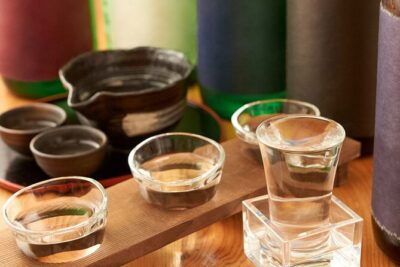
Ramen and Sushi Cooking Class with Sake Pairing Set in Tokyo
Read our review →
Sake Tasting Masterclass in Shinjuku (8+ Varieties with a Pro)
Read our review →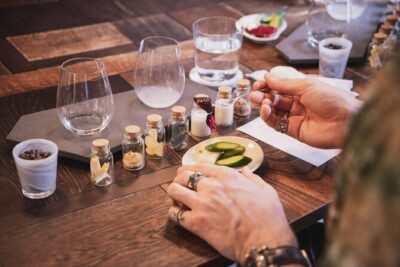
Sake Omakase in Tokyo: Guided Tasting by Certified Sommeliers
Read our review →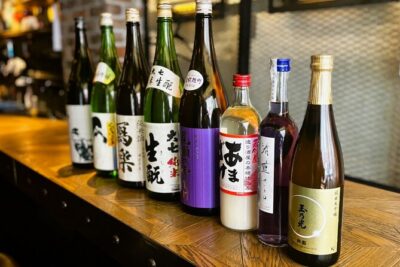
Casual Japanese SAKE tasting and snack experience in Kabukicho
Read our review →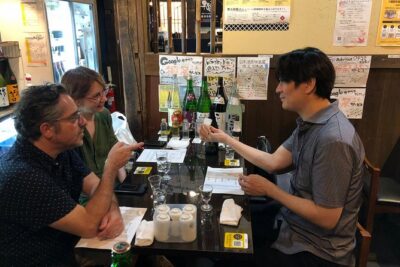
Wagyu & Sake Pairing in Shinjuku – Steak, Shabu-Shabu & More
Read our review →
Tokyo Wagyu & Sake Pairing Tasting Experience with Local Flavors
Read our review →
Outer Market Walking Tour & Sake Tasting Experience
Read our review →Browse the lists this tour appears in