
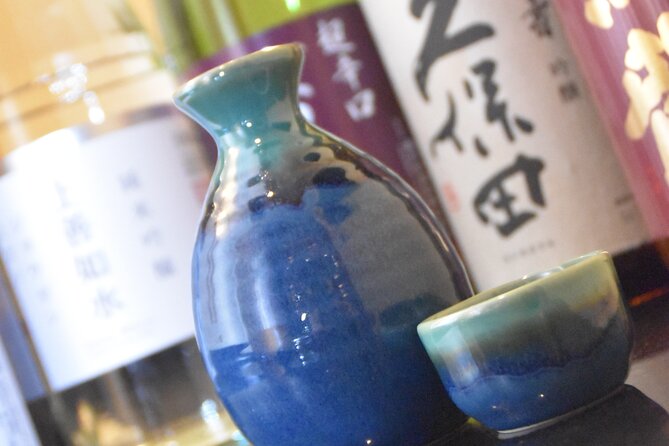
Reviewed · TOKYO SAKE TOURS
Experience Comparing Sake and Delicacies in shinjyuku
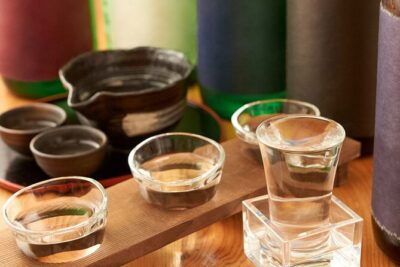
The fun here is simple: you choose three sakes from around Japan, pair them with three traditional delicacies, and compare what changes in the glass and on the plate. A short pamphlet gives you the cultural background first, so the tasting is more than a string of random drinks.
I like the small pours, which let you take part without committing to a full glass of anything. I also like the compact format: 90 minutes in Kabukicho is easy to fit before dinner, after sightseeing, or at the start of an evening in Shinjuku. The drawback is that this is a modest tasting, not a full sake class or a long meal, and the setting may feel more casual than a dedicated brewery or restaurant.
Key points at a glance
- Three sake choices: Pick three types from sake made in different parts of Japan.
- Three traditional delicacies: Compare local snacks with the drinks, not just the drinks alone.
- Small amounts: A useful option if you are new to alcohol or do not usually drink much.
- Kabukicho meeting point: Start and finish at the Skylark Building in central Shinjuku.
- Small group size: The activity accepts no more than 10 people.
- Memory photos: Staff take photos during the session for you to keep and share.
A compact sake tasting in the middle of Kabukicho
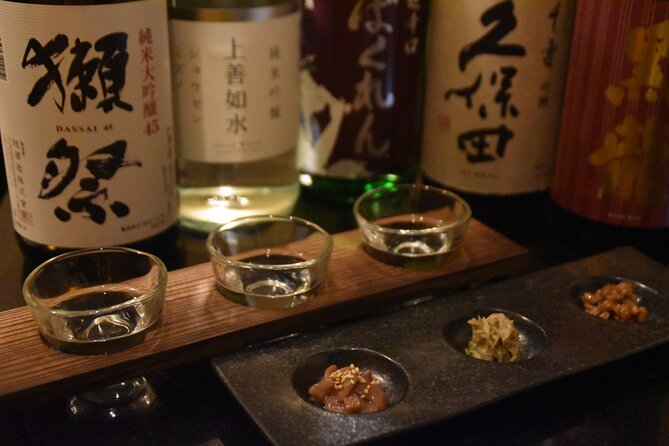
This experience takes place in Kabukicho, one of Shinjuku’s best-known entertainment areas. You meet at the Skylark Building, 2-chōme-38-11 Kabukichō, then return to that same point when the session ends.
That fixed start and finish matters. You do not need to arrange a taxi or follow a guide across Tokyo. The activity is self-contained, and the listed price of $33.03 per person includes all fees, alcoholic drinks, and snacks. Private transportation is not included, but none is needed during the tasting itself.
The setting also shapes the experience. You are not visiting a rural brewery or touring a historic sake warehouse. You are taking part in a short tasting in Shinjuku, where a drink-focused activity fits neatly into a city evening. For many people, that is the point. You get a taste of Japanese food and drink culture without giving up half a day.
More Sake Tours in Tokyo:
- Ramen and Sushi Cooking Class with Sake Pairing Set in Tokyo
★ 5.0 · 291 reviews - Sake Tasting Masterclass in Shinjuku (8+ Varieties with a Pro)
★ 5.0 · 271 reviews - Sake Omakase in Tokyo: Guided Tasting by Certified Sommeliers
★ 5.0 · 239 reviews
Start with the pamphlet, not the pouring
The session begins with a pamphlet about the culture and history of sake and delicacies. This is a useful first step, especially if sake is new to you. Without a little context, three small cups can blur together. The introduction gives you a reason to pay attention to differences in taste and to think about how sake fits into Japanese food traditions.
The written format is worth noting. The information provided does not promise a long lecture, formal instruction, or a named sake expert. You should expect a brief introduction through the pamphlet, followed by hands-on tasting. If you want an academic lesson on brewing methods, rice polishing, regional production, or serving temperatures, this experience may feel too light.
For a first encounter, though, the approach is practical. You learn a little, then test it yourself. That balance keeps the session from becoming a passive presentation.
Choose three sakes from around Japan
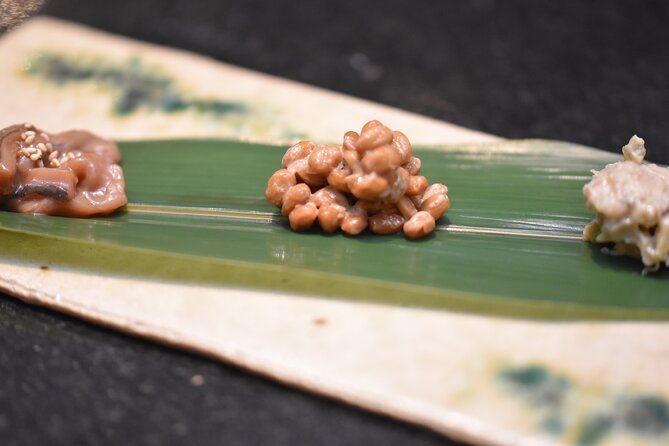
After the introduction, you select three types of sake from a broad range drawn from across Japan. The exact choices are not fixed in the details provided, so the selection can vary. That gives you some freedom, but it also means you should not book this expecting three named brands or specific bottles.
The comparison is the heart of the activity. Rather than tasting one sake and moving on, you get three points of reference. One may appeal to you more than another. You may notice that your favorite changes once you eat a delicacy with it. That sort of side-by-side tasting is often more useful than being handed a single drink and told it represents sake as a whole.
You do not need to know the correct way to taste. The aim is to notice what you like. Smell, sweetness, dryness, strength, and how the drink works with food are all fair things to consider, even if no formal tasting vocabulary is required.
The small serving sizes make this less intimidating. You can sample a little at a time, take your time, and avoid turning the activity into a drinking contest. This is a real advantage for beginners and for anyone who wants to stay clear-headed in Shinjuku afterward.
One published account describes a couple’s first sake experience in Tokyo as a particularly good introduction. That detail points to the activity’s strongest use: it gives a newcomer an easy first step. You do not have to arrive with a favorite style or any prior experience.
Match the drinks with three traditional delicacies
The next choice is three delicacies that have been popular in Japan since ancient times. The available details do not name the specific foods, so you should treat the menu as changeable rather than plan around a particular snack.
Still, the format is valuable. Sake is not only about drinking it by itself. Food can alter how a drink tastes, making it seem softer, sharper, sweeter, or more balanced. Comparing three delicacies with three sakes gives you a simple way to see why pairing matters.
This is also where the activity gains a cultural angle. The snacks are not presented as filler between drinks. They connect the tasting to long-running Japanese food customs and to the way sake has traditionally been enjoyed with food.
Do not expect a full lunch or dinner. The included delicacies are snacks, and the session lasts about an hour and a half. If you are hungry, plan a separate meal before or after. The tasting works best as an introduction or an evening warm-up, not as your main dining plan.
Same corner of Tokyo, a different pour:
- Casual Japanese SAKE tasting and snack experience in Kabukicho
★ 5.0 · 159 reviews - Tasting All Types of Sake with Sommelier
★ 5.0 · 151 reviews - Wagyu & Sake Pairing in Shinjuku – Steak, Shabu-Shabu & More
★ 5.0 · 112 reviews - Tokyo Wagyu & Sake Pairing Tasting Experience with Local Flavors
★ 5.0 · 108 reviews
Why 90 minutes is the right length
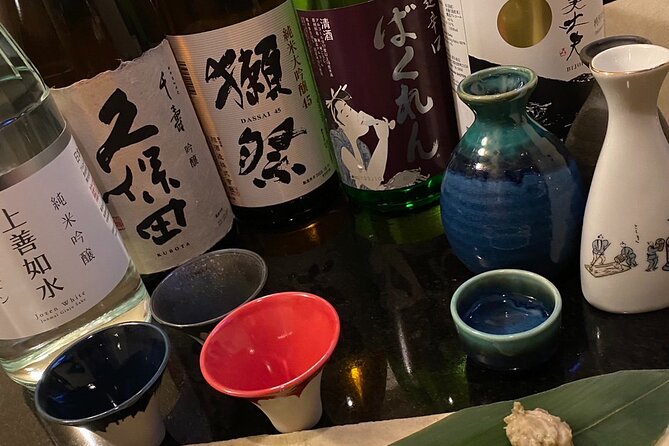
An hour and a half gives you enough time to read the introduction, make your selections, sample the drinks, eat the snacks, and take photos without rushing too hard. It also keeps the activity manageable on a busy Tokyo day.
I see this length as a practical strength. A longer sake lesson might offer more detail, but it would also ask for more time and attention. Here, you can fit the session around shopping, sightseeing, or dinner in Shinjuku.
The short format has limits. You may leave with a basic sense of what you like, but not with a complete understanding of sake production or Japanese regional styles. If you already know sake well, the session may be too introductory unless the selection itself is especially interesting.
For a first taste, the time works well. You get a focused activity rather than another long tour in a city where your schedule can fill quickly.
A small group makes the tasting easier
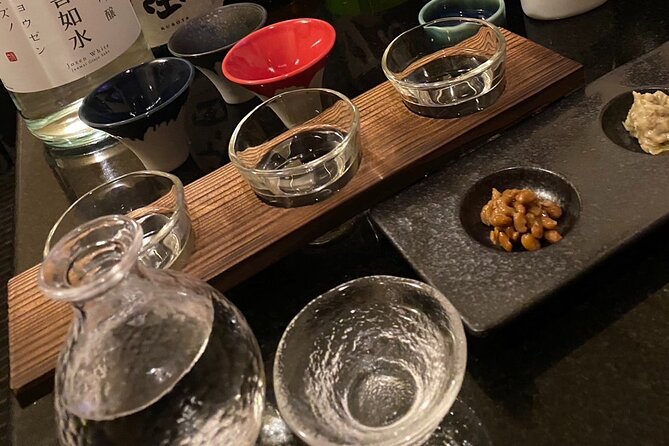
The maximum group size is 10 people. That is small enough to keep the activity from feeling like a large public tasting, while still allowing a shared social setting.
The available information does not identify the staff members by name, so you should not expect a particular guide. Staff handle the session and take photos of the occasion. Their role appears to be practical and welcoming rather than that of a formal lecturer.
The small group also helps if you have questions or want to compare your reactions with other people. Sake is subjective, and a drink that seems dry to one person may taste quite different to another. A group setting can make that discovery more enjoyable.
At the same time, group size does not guarantee a private experience. If you want one-on-one instruction or a completely personal tasting, this is not the right format. You are booking a shared activity with a firm capacity of 10.
Photos add a useful souvenir
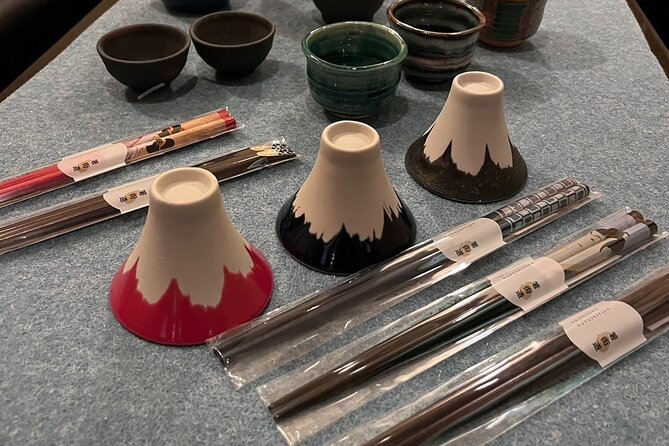
Staff take photos during the experience, giving you a simple record of the tasting. This is a nice touch for a first stop in Tokyo, especially if you are traveling with a partner or friend.
One published experience came from a couple who began their Tokyo visit here and appreciated having a first taste of sake together. That makes sense: the activity is social, easy to photograph, and tied to a clear travel memory.
The photos should be viewed as a small extra, not the main reason to book. The important value comes from trying several drinks and foods. Still, having staff handle the photos means you do not have to rely on a stranger or use a timer while tasting.
Who gets the most from this experience
I would point this activity toward several types of visitors:
- You are new to sake and want an easy introduction.
- You want a short food and drink activity in Shinjuku.
- You prefer tasting small amounts rather than ordering full drinks.
- You are traveling as a couple or small group and want a shared memory.
- You want the cost to include both the alcohol and snacks.
- You have a busy Tokyo schedule and cannot spare half a day.
It may be less suitable if you want a brewery visit, a technical lesson, a full meal, or a guaranteed list of particular sake brands and foods. The experience gives you a sample of Japanese drink culture, not a complete course.
It is also not designed for someone seeking private transportation or a tour that moves through several parts of Tokyo. You meet at one Kabukicho address and finish there.
Is $33.03 a fair price?
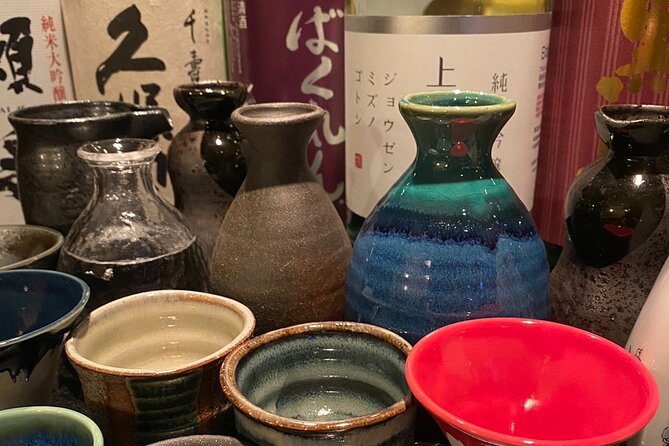
At $33.03 per person, the value depends on how you use the activity. The price includes all fees, alcoholic beverages, and snacks, so you do not have to calculate separate tasting charges or worry about paying for each small sample.
For a casual introduction, that is a reasonable package. You receive three sake selections, three delicacies, cultural background, staff support, and photos in about 90 minutes. The price also buys convenience. You can arrive at one central Shinjuku location, taste, and continue your evening.
The value is weaker if you measure it against the amount of food. This is not a substitute for dinner, and the snacks are not described in detail. You are paying for comparison and guidance as much as for the actual drinks.
I would consider it good value for a first sake tasting, especially if you are curious but cautious. I would compare other options if your priority is a large meal, rare bottles, or a specialist-led lesson.
Booking, cancellation, and access
Confirmation is provided when you book, and the activity uses a mobile ticket. That keeps the arrival process simple, since you can show the booking on your phone.
Free cancellation is available if you cancel at least 24 hours before the start time. Cancellations made within 24 hours are not refunded, and changes inside that same period are not accepted. The cut-off follows local Tokyo time, so check the clock carefully if you are arranging plans from another time zone.
The activity is near public transportation, although private transportation is not included. Service animals are allowed, and most people can participate. Since the session includes alcohol, anyone who should avoid drinking should take that into account before booking.
Should you book the Kabukicho sake tasting?
Book it if you want a short, low-pressure introduction to sake with food, especially if you are new to Japanese drinks. The three-drink comparison, small pours, included snacks, and central Shinjuku location make it easy to add to a Tokyo itinerary.
Skip it if you want a detailed brewing seminar, a full meal, a brewery tour, or a fixed menu of famous brands. The strongest reason to choose this activity is not depth. It is the chance to try several sake styles and traditional delicacies in one compact sitting, without needing prior knowledge.
For a couple’s first sake experience, a small group of friends, or a visitor looking for an uncomplicated Kabukicho activity, the balance is good. Just leave room for dinner afterward and remember that the exact sake and delicacy choices are not specified in advance.
FAQ
Where does the sake tasting start?
The activity starts at the Skylark Building, 2-chōme-38-11 Kabukichō, Shinjuku City, Tokyo 160-0021, Japan.
Where does the activity end?
It ends back at the same meeting point in Kabukicho.
How long does the experience last?
The tasting lasts approximately 1 hour and 30 minutes.
How many types of sake can I choose?
You can choose three types of sake from a selection drawn from around Japan.
How many delicacies are included?
You can choose three delicacies. They are described as foods that have been popular in Japan since ancient times.
Are drinks and snacks included in the price?
Yes. Alcoholic beverages, snacks, all fees, and taxes are included.
What is the cancellation policy?
You can receive a full refund if you cancel at least 24 hours before the experience starts. Cancellations or changes made less than 24 hours before the start time are not accepted and are not refunded.
Newly added around Tokyo
- 7 Kinds of Sake Tasting with Complementary Foods★ 5.0 · 11 reviews
- Japanese Sake Tasting & Wagyu Sukiyaki Cooking Class in Tokyo★ 5.0 · 10 reviews
- Tokyo Sake Tour with a Local Guide, Private & Tailored to Your Taste★ 4.0 · 12 reviews
- Wagyu Beef & Sake Pairing Foodie Tour in Tokyo★ 5.0 · 16 reviews
- Private Tour: Tokyo’s Oldest Sake Brewery and Riverside Walk★ 5.0 · 25 reviews
- Wagyu & Sake 8 Course Tasting Dinner in Shinjuku★ 4.9 · 20 reviews
- Luxury Tokyo Sake, Cocktail, Whisky and Pairing Tour★ 5.0 · 18 reviews
- 10 kinds Sake Tasting Experience in Tsukiji with local!!★ 5.0 · 19 reviews
Tokyo Sake Tours, compared.
Ramen and Sushi Cooking Class with Sake Pairing Set in Tokyo
Read our review →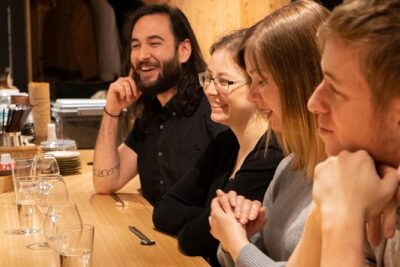
Sake Tasting Masterclass in Shinjuku (8+ Varieties with a Pro)
Read our review →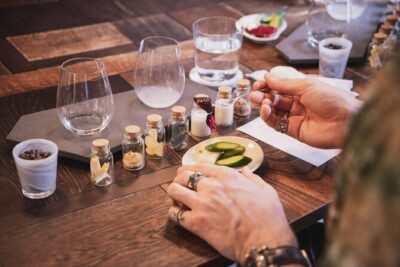
Sake Omakase in Tokyo: Guided Tasting by Certified Sommeliers
Read our review →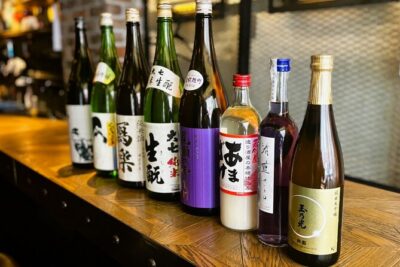
Casual Japanese SAKE tasting and snack experience in Kabukicho
Read our review →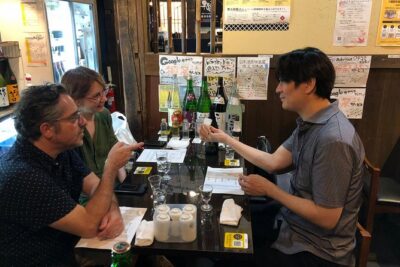
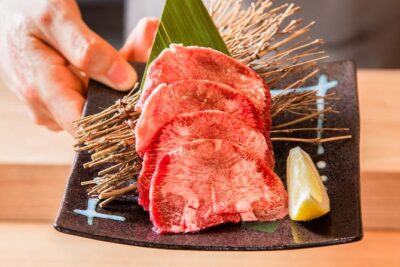
Wagyu & Sake Pairing in Shinjuku – Steak, Shabu-Shabu & More
Read our review →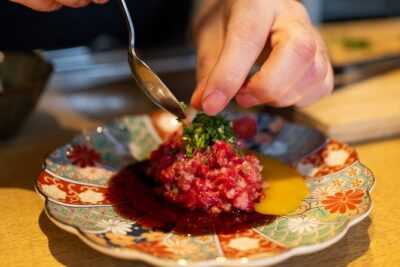
Tokyo Wagyu & Sake Pairing Tasting Experience with Local Flavors
Read our review →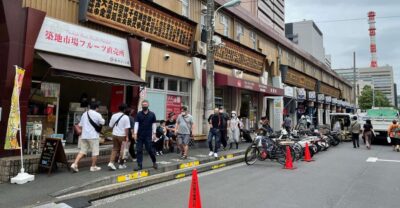
Outer Market Walking Tour & Sake Tasting Experience
Read our review →Browse the lists this tour appears in