
Reviewed · SAKE TASTING
Experience Tasting Fukui’s Local Sake in Lacquered Glasses
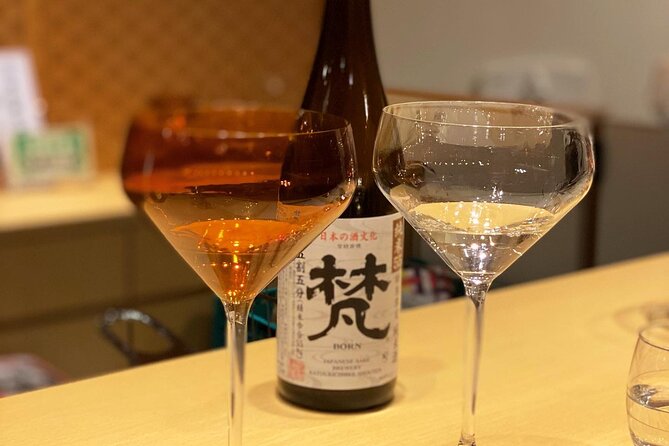
Fukui sake tastes better when the glass is part of the lesson. At Kubota Liquor Store, founded in 1914, you sample local bottles in lacquered glasses shaped for the style being poured. The wide junmai glass opens the flavor, while the narrower daiginjo glass holds in delicate aromas.
I like the choice between junmai, daiginjo, and a hybrid plan, and I like that each option includes a small snack. The main catch is that the experience lasts only about an hour, and an English guide costs an additional ¥20,000 per booking.
Key points at a glance
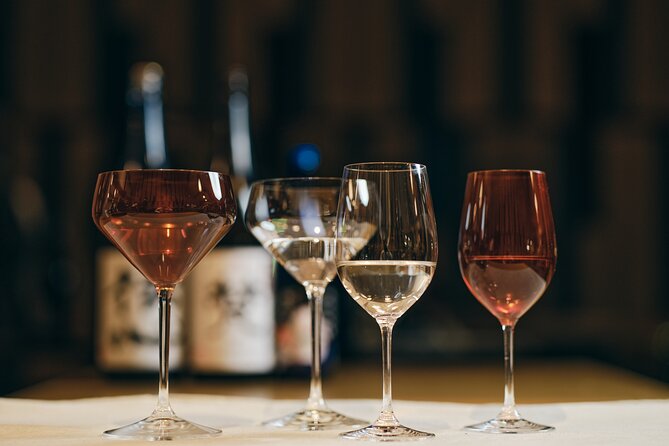
- Taste Fukui sake in purpose-made lacquered glasses, not ordinary tasting cups.
- Choose two glasses of junmai, two glasses of daiginjo, or four glasses with the hybrid plan.
- Each junmai or daiginjo plan includes one snack, while the hybrid option includes two.
- Visit Kubota Liquor Store, a Sabae shop founded in 1914.
- Keep the group private, with only your own party taking part.
- Meet and finish at 1-chōme-1-4 Asahimachi, near public transportation.
A short sake lesson in a 1914 shop
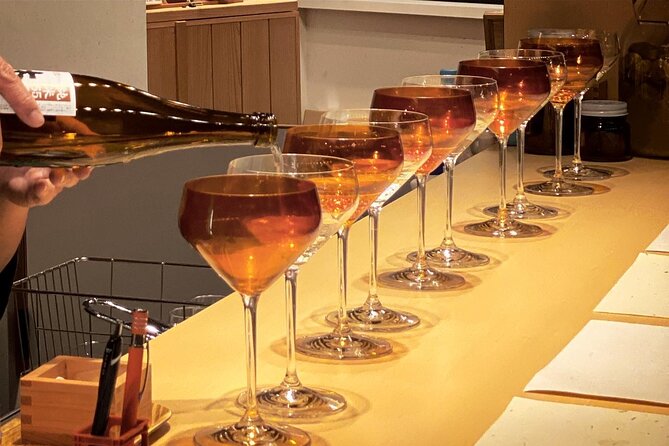
This experience takes place at Kubota Liquor Store in Sabae, Fukui Prefecture. The shop dates to 1914, giving your tasting a useful sense of place without turning it into a long museum visit. You are visiting a working liquor store with a long connection to the local community, not a large production facility.
The focus is simple: taste Fukui-made sake and notice how the glass affects the drink. That makes this a good choice if you want a compact introduction to sake styles rather than a full-day brewery program.
You should plan on about one hour. That timing works well in a larger Fukui itinerary. You can fit the tasting before lunch, after sightseeing in Sabae, or as a relaxed stop between train connections, provided your schedule allows enough time to reach the meeting point.
The experience is private, so only your group participates. That matters if you prefer to ask questions at your own pace or if your party has mixed levels of sake experience. It also keeps the visit from feeling like a crowded public tasting.
More Sake Tastings in Japan:
- 3-Hour Kyoto Insider Sake Brewery Tour with Tastings & Pairings
★ 5.0 · 917 reviews - Kyoto Sake Brewery & Tasting Walking Tour
★ 5.0 · 623 reviews - 1.5-Hour Kyoto Insider Sake Experience with 7 Tastings & Pairings
★ 5.0 · 297 reviews
Why the lacquered glasses matter
The special glasses are the most unusual part of the experience. They were made for sake, and the two main shapes are not identical.
The glass used for junmai sake has a wide opening. That shape lets the drink open up as you bring it to your mouth, making it easier to notice the fuller flavor of junmai sake. The point is not that one glass makes the sake better. It gives the style room to show its character.
The daiginjo glass has a slightly narrower opening. Its depth helps hold the aroma, which is an important part of tasting daiginjo. You can compare the way the scent reaches you before and during each sip.
This small design lesson gives the tasting more purpose. Instead of simply drinking two different sakes, you can pay attention to the relationship between the sake, the glass, and your senses. You do not need special training. The glass shapes provide an easy way to begin noticing differences.
The lacquer finish also gives the setting a distinctly Japanese touch. It connects the tasting to local craft traditions without requiring a separate cultural demonstration. If you enjoy tableware, food culture, or carefully made everyday objects, this detail may be as memorable as the sake itself.
Choosing between junmai and daiginjo
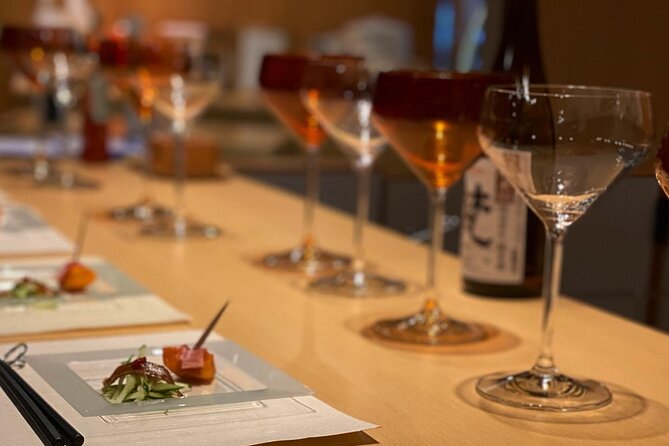
You have three plans to consider.
The junmai plan includes two glasses of sake and one snack. Junmai is the choice for you if you want to focus on a style known for its full flavor. The wide-mouth glass supports that aim by allowing the aroma and taste to open more freely.
The daiginjo plan also includes two glasses and one snack. Choose it if aroma is the main reason you want to taste sake. The narrower glass is shaped to keep more of the fragrance near the drink, and the deeper form is part of the experience.
The hybrid plan includes four glasses and two snacks. It combines the junmai and daiginjo tastings, giving you a clearer comparison between the two styles. For only one hour, this is likely the most useful option if you are curious about how sake categories differ.
The available information does not give separate prices for the three plans, so check the current amount when booking. The listed starting price is $19.51 per person. At that rate, the tasting can be good value, particularly if you choose the hybrid option and want to compare both styles in one visit.
A small caution: four glasses in an hour may feel quick if you want to linger over each pour. The hybrid plan gives you more to taste, but the two-glass options may suit you better if you prefer a slower, simpler introduction.
What the hour is likely to feel like
You begin at Kubota Liquor Store, at 1-chōme-1-4 Asahimachi in Sabae. The activity ends at the same location, so there is no second drop-off point to arrange.
The first useful decision is your plan. From there, the tasting centers on the glasses and the sake. With the junmai or daiginjo option, expect two glasses and one snack. With the hybrid option, expect four glasses and two snacks.
The snacks matter because they give you something small to eat alongside the alcohol. They also help break up the tasting. The information provided does not specify the snack items, so you should not book this expecting a full meal. Have lunch or dinner separately if you need substantial food.
The tasting is best approached slowly, even though the visit is short. Look at the glass, notice the aroma, take a sip, and compare the experience across the pours. You will get more from the activity if you treat it as a guided tasting rather than a quick drink stop.
No named guide is provided for this experience. An English guide is listed at ¥20,000 per booking and is not included in the base price. If you need English-language help, factor that large extra cost into your decision before booking.
More Sake Tours in Japan:
- 1-Day Snow Monkeys, Zenko-ji Temple & Sake in Nagano
★ 5.0 · 1,020 reviews - Nagano: Snow Monkeys, Zenkoji Temple & Sake Day Trip
★ 4.9 · 833 reviews - Kyoto: Insider Sake Brewery Tour with Sake and Food Pairing
★ 5.0 · 704 reviews - Düsseldorf: Sushi, Sake & Japanese Lifestyle Tour
★ 4.6 · 539 reviews
The value of a private tasting
The listed price is $19.51 per person, with alcoholic beverages and snacks included. For a one-hour private activity, that is a reasonable entry point if you already plan to visit Sabae and want a focused local experience.
The value depends heavily on the plan you select. A two-glass tasting is a compact introduction. You are paying for the sake, the snacks, the setting, and the chance to use glasses designed for the styles being served.
The hybrid plan offers more comparison. Four glasses and two snacks give you a fuller look at junmai and daiginjo, though the extra pours may make the hour feel more structured and less leisurely.
The English guide fee changes the calculation. An additional ¥20,000 per booking is substantial compared with the listed per-person price. If language support is essential, consider the total cost for your group rather than judging the experience by the $19.51 starting figure alone.
The private format can also be valuable for couples, families of legal drinking age, or small groups with a shared interest in Japanese food and drink. You are not paying for a large production show. You are paying for a brief, personal tasting at a historic local shop.
Getting to the meeting point
The meeting point is 1-chōme-1-4 Asahimachi, Sabae, Fukui 916-0025, Japan. The location is near public transportation, which makes the activity easier to add to a day without arranging a private car.
You should allow time to find the exact address. The information does not provide a station name, walking time, or detailed directions, so use the mobile ticket and current map information when planning your route.
The experience begins and ends at the shop. That is convenient if you are exploring Sabae on foot or using public transportation, but it means you must make your own way to the meeting point and onward afterward.
Because the activity lasts about an hour, punctuality matters. A late arrival could cut into the tasting, especially with the hybrid plan. I would avoid scheduling a tight connection immediately afterward.
Who will enjoy this most
This tasting suits you if you already enjoy sake and want to try Fukui-made examples in a local setting. It also works for beginners who want a clear first step without committing to a long class.
The hybrid plan is the strongest pick for anyone comparing styles. You get four glasses, two snacks, and the chance to notice how the glass shape changes the drinking experience.
The junmai plan may appeal if you prefer fuller flavors and want a more focused tasting. The daiginjo plan is better if aroma and fragrance are your main interests.
The experience is also a good fit for visitors who value craft. The lacquered glasses are not just decoration. Their shapes are part of the teaching, and they give the tasting a physical detail you can remember after the sake is gone.
You may want to skip it if you do not drink alcohol, need a full meal, or want a long brewery tour with extensive production details. The activity is short and centered on tasting at the liquor store.
A few practical limits to keep in mind
The activity has a minimum number of participants. If that minimum is not reached, the provider may offer another date or experience, or a full refund.
It also requires good weather. If poor weather causes cancellation, you can receive a different date or a full refund. That policy is worth noting if you are building a tight Fukui schedule.
Confirmation is sent within 48 hours of booking, subject to availability. Since the experience is often booked 32 days ahead, reserving early is sensible if your dates are fixed.
You can cancel for a full refund up to 24 hours before the start time. Cancellations or changes made less than 24 hours before the experience are not accepted for a refund. The cut-off follows local time in Japan.
Most people can participate, and the activity is private to your group. The available information does not give a specific age policy, so confirm any age requirements before booking if your party includes younger members.
Should you book this Fukui sake tasting?
Book it if you want a short, personal introduction to local Fukui sake and like the idea of tasting from lacquered glasses designed for different styles. The shop’s 1914 founding date, the private format, and the choice of three tasting plans give this simple activity more character than a standard drink stop.
Choose the hybrid plan if comparison matters most. Choose junmai or daiginjo if you want a lighter, more focused hour.
The experience is not the best choice for a full meal, a long brewery visit, or a budget tour that requires English guidance. The ¥20,000 English guide fee can outweigh the low base price. For everyone else, especially sake fans already visiting Sabae, this is an easy way to taste something local and learn why the glass in your hand matters.
FAQ
Where does the sake tasting take place?
It takes place at Kubota Liquor Store, at 1-chōme-1-4 Asahimachi, Sabae, Fukui 916-0025, Japan.
How long does the experience last?
The tasting lasts approximately one hour.
What tasting plans are available?
You can choose a junmai plan, a daiginjo plan, or a hybrid plan combining both styles.
How many glasses are included?
The junmai and daiginjo plans each include two glasses of sake. The hybrid plan includes four glasses.
Are snacks included?
Yes. The junmai and daiginjo plans include one snack each. The hybrid plan includes two snacks.
Is an English guide included?
No. An English guide costs ¥20,000 per booking and is not included in the experience price.
Can I cancel for a refund?
Yes. You can cancel at least 24 hours before the start time for a full refund. Cancellations and changes made less than 24 hours before the start time are not accepted for a refund.
Newly added around Japan
- Wagyu BBQ & Sukiyaki with Sake Pairing Experience near Ginza★ 5.0 · 2 reviews
- Tokyo Sake Tasting Tour with a Sake Expert★ 5.0 · 7 reviews
- Sake Tasting and Cherry Blossom Fun in Tokyo!★ 5.0 · 4 reviews
- Private Sake Tasting at 300 Years Old Sake Brewery in Tokyo★ 5.0 · 3 reviews
- Tokyo: Serene Sakura & Sake: An Exclusive Brewery Pairing Lunch★ 5.0 · 2 reviews
- Sake Pairing Workshop with Japanese Food in Shinjuku★ 5.0 · 5 reviews
- Nagano: Snow Monkey and Zenkoji Temple Free Sake Taste Day Tour★ 4.5 · 8 reviews
- Japanese Sake Tasting and Masu Crafting Experience in Tokyo★ 5.0 · 9 reviews
Sake Tasting, compared.

3-Hour Kyoto Insider Sake Brewery Tour with Tastings & Pairings
Read our review →
Sake Tasting Masterclass in Shinjuku (8+ Varieties with a Pro)
Read our review →
Insider Sake Experience with 7 Tastings and Snacks
Read our review →
Sake Omakase in Tokyo: Guided Tasting by Certified Sommeliers
Read our review →
Private Tea Ceremony and Sake Tasting in Kyoto Samurai House
Read our review →
Casual Japanese SAKE tasting and snack experience in Kabukicho
Read our review →
Browse the lists this tour appears in