
Reviewed · TOKYO SAKE TOURS
Mt FUJI – Panoramic Tour w/ Hoto Lunch, JP Sake & Onsen tatto OK!
Mount Fuji gets the starring role here, but the clever part is the variety: shrine steps, lake views, an old village, local sweets, a sake brewery, and a hot spring with a distant Fuji view. You cover a lot of ground in one long day, with roughly 400 kilometers of driving and about three and a half hours in transit.
I like the small group of no more than eight and the chance to ask a guide questions without shouting across a coach. I also like the mix of famous sights and local stops, especially the sake tasting and the included hoto lunch. The main drawback is the schedule: ten hours is a lot, and some stops may feel rushed. Fuji can also disappear behind clouds, no matter how carefully you plan.
Key points to know before booking
- Ten Fuji-area stops in one day: You see shrines, lake views, village buildings, viewpoints, a service area, and a sake distillery.
- Small-group transport: The vehicle is air-conditioned and limited to eight people, a major advantage over a large bus.
- Included regional lunch: Hoto, a thick noodle dish associated with the Mount Fuji area, is part of the day.
- Onsen access costs extra: The hot spring is optional and listed at ¥900 per person.
- Several add-on activities: Tea costs ¥500, and the kimono experience costs ¥2,500.
- Weather matters: If poor weather cancels the trip, you can choose another date or receive a full refund.
Why this tour works for a first Fuji day trip
Planning Mount Fuji independently can mean juggling trains, buses, local roads, shrine visits, and the weather. This outing handles the driving and links several viewpoints that would be awkward to combine on your own.
The route also gives you more than one Fuji photo. You see the mountain beside town streets, behind a shrine pagoda, over Lake Kawaguchiko, from an old village, and from the hills near the onsen. That variety matters because Fuji often hides from one direction while showing itself clearly from another.
The tradeoff is pace. A full day with ten stops sounds generous, but some visits last only 15 or 20 minutes. You are sampling the Fuji region, not settling into one village for half a day.
The group size is one of the strongest features. With a maximum of eight people, you have a better chance to ask about customs, food, shrines, and the places you pass. Guides such as Yayoi-san, Keiko-san, and Ramesh have been praised for patience, translation help, and adapting the day to the group. The exact guide is not guaranteed, but the format allows for personal attention.
More Sake Lunches in Tokyo:
- Tokyo: Serene Sakura & Sake: An Exclusive Brewery Pairing Lunch
★ 5.0 · 2 reviews - Kyoto Sake Brewery Tour with Lunch
★ 4.5 · 12 reviews - Sake & Seasonal Delights Sake Pairing Lunch at the Brewery
★ 5.0 · 8 reviews
Early views near Nishikatsura and Fujiyoshida
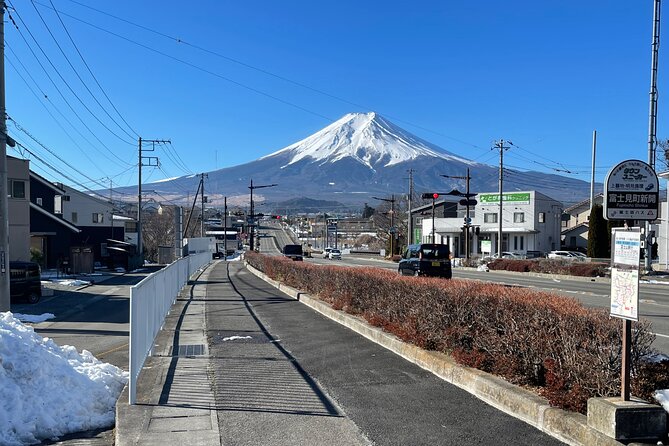
The first stop is Nishikatsura-cho, where you get an early look at Fuji. It lasts about 20 minutes and costs nothing beyond the tour price. This is a sensible opening stop because it gives you a quick visual check of the weather before the day gets underway.
Next comes Fujiyoshida, another short stop of about 20 minutes. Here, the appeal is the contrast between ordinary Japanese town streets and the mountain behind them. You can also try local Japanese confectionaries, a small detail that makes the stop feel less like a roadside photo break.
Do not expect a long visit in either town. These are quick orientation stops, useful for photographs and a taste of the area rather than deep exploration.
Climbing to Arakura Fuji Sengen Shrine
Arakura Fuji Sengen Shrine is one of the most recognizable Fuji photo locations. The classic view combines the shrine’s pagoda, wooded hillside, and Mount Fuji in the distance.
You have about 50 minutes here, including time to climb to the well-known viewpoint. The steps are the important practical detail. The tour calls for a moderate level of fitness, and this is the clearest reason why. Wear shoes you can walk uphill in, and do not treat this as a stop where you simply step off the vehicle and take one picture.
The climb is worth it when the sky is clear. When clouds cover Fuji, the shrine and pagoda still provide a worthwhile setting, but the famous composition loses its main subject. Your guide can add context about the shrine and the area, making this more than a photo stop.
Saiko Iyashi-no-Sato and the optional kimono visit
Saiko Iyashi-no-Sato Nemba presents a traditional village setting with Fuji views. Its old-style buildings make a strong contrast with the modern city you left that morning.
The planned visit lasts about 40 minutes. A kimono experience is available for an extra ¥2,500, but you should clarify the exact arrangement before paying. One important point is that the clothing option may be subject to advance reservation, and the available garment or rental format is not always what you might expect. The provided feedback specifically raises confusion about renting a yukata, so ask your guide before building your plans around it.
This is also one of the stops where time can feel tight. If you want photographs, village views, and traditional clothing, you may need to choose what matters most. One person who enjoyed the day wished for more time at the onsen and less time at the kimono village. That is a fair warning for anyone who values relaxation over dressing up.
More Onsen Stops in Tokyo:
- Private Nagano 1-Day Tour:Snow Monkeys,Zenko-ji,Obuse,Sake,Onsen
★ 5.0 · 71 reviews - 1-Day Winter Tour From Nozawa Onsen: Snow Monkeys, Zenko-ji Temple & Sake
★ 5.0 · 32 reviews - From Nozawa Onsen: Snow Monkeys and Zenko-ji Day Trip & Sake
★ 4.9 · 13 reviews
Kanadorii and Oishi Park beside Lake Kawaguchiko
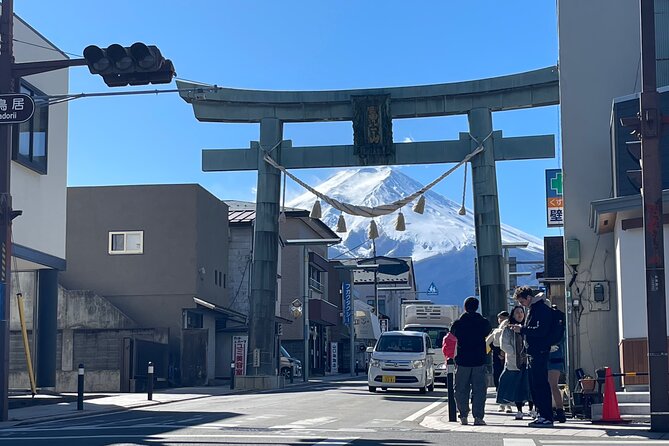
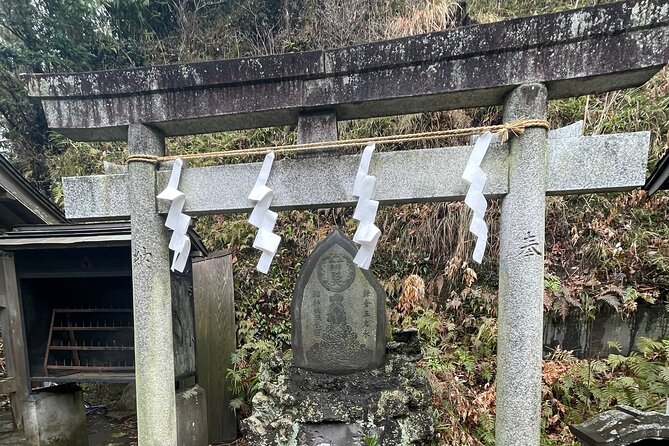
Kanadorii is a brief 15-minute stop at the first torii gates associated with the main shrine guarding Mount Fuji. The gate gives you a chance to see how religious symbolism marks the approach to the mountain.
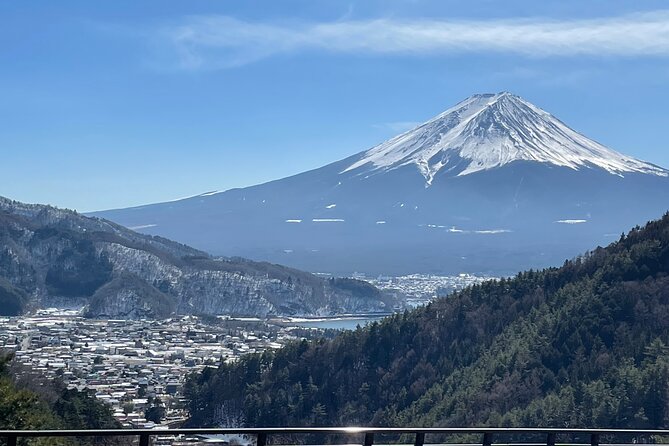
The next stop, Oishi Park, lasts about 20 minutes and pairs Fuji with Lake Kawaguchiko. This is one of the strongest photo stops because the lake adds depth and scale to the view. You are not looking only at a mountain peak. You get water, shoreline, and the broad setting around the volcano.
The short time here can be frustrating if the weather is excellent. You may want to keep your camera ready before leaving the vehicle, since the schedule does not leave room for a slow lakeside walk.
A hot spring with Fuji views
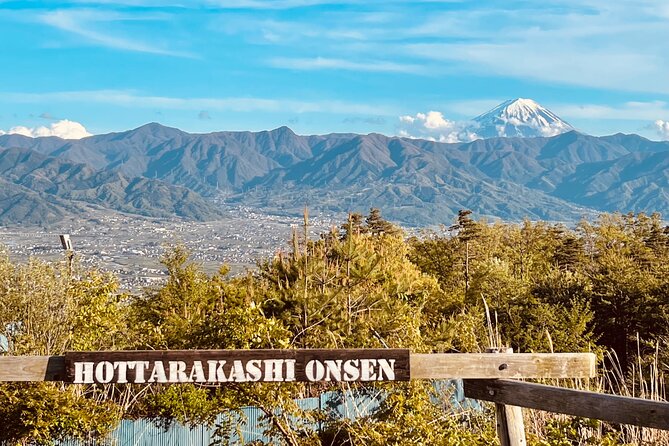
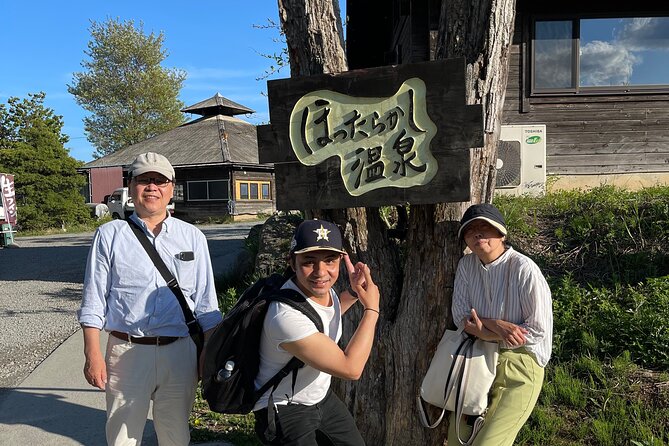
Hottarakashi Onsen is the day’s most relaxing stop. The hot spring sits high enough to offer a distant view of Mount Fuji, and you have about 50 minutes there.
The onsen entrance is not included. The additional charge is ¥900 per person. Coffee and tea are also excluded from the tour price, but the important extra here is the bath fee. The tour is advertised as tattoo OK, making this a useful option for people who have had trouble finding Japanese hot springs that permit tattoos.
Still, check the operating conditions with the guide on the day. The tour information identifies this as a tattoo-friendly experience, but hot spring rules can be specific. Bring what you need for the visit and allow time to change, since 50 minutes passes quickly.
This stop received some of the warmest praise. Keiko-san was credited with handling a group of six well, and the onsen was described as a highlight. At the same time, one visitor wanted more time here. If soaking is your main goal, remember that this is one stop in a packed sightseeing route, not a dedicated onsen outing.
Hoto lunch at Misaka Pass
Misaka Pass combines a Fuji viewpoint with the included Japanese lunch. You have about one hour and ten minutes here, making it one of the longer stops.
The meal is hoto, a regional dish made with thick noodles and a hearty broth. It is a fitting choice for the area and gives you something more substantial than a snack between photo stops. The lunch is included, which helps the value of the tour, though one person found the meal less appealing than the rest of the day.
That is useful to know. Included food is convenient, but it is not a guarantee that every dish will suit your taste. If you have dietary restrictions or strong food preferences, ask for details before booking. The supplied information does not specify alternatives.
Misaka Pass is also a good place to take stock of the day. By this point, you have seen Fuji from several angles, and the view here adds a higher vantage point before the return journey.
Snacks at Dangozaka and sake at Sasaichi
The Dangozaka Service Area is a 20-minute stop where you can try local breads. It can fill a gap if you missed breakfast, especially since the start time is 7:30 am.
This is not a major cultural stop, but practical breaks matter on a long driving day. You can stretch, buy a snack, and reset before the final attraction.
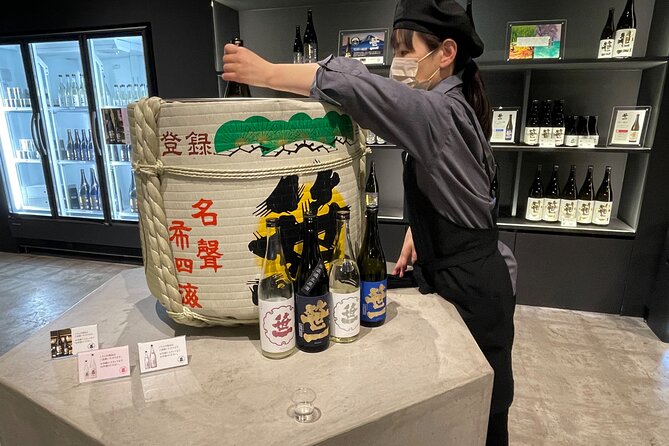
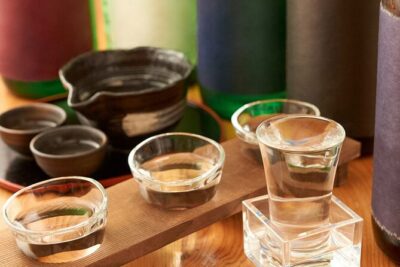
Sasaichi Shuzo Shuyukan provides a more distinctive taste of the region. At this Japanese sake distillery, you sample locally produced sake, including virgin sake and liqueurs. The visit lasts about 45 minutes and admission is included.
This is the kind of stop that separates the tour from a simple Fuji photo run. You get a look at a local product and a chance to ask questions about sake production and drinking customs. The tasting also gives the guide an easy way to explain regional food culture.
If you do not drink alcohol, the information provided does not specify an alternative tasting. You can still visit the distillery, but confirm what participation will look like for you.
The long return to Shinjuku
The final section is mostly transport. The total round trip exceeds 400 kilometers, and the schedule sets aside roughly three and a half hours in transit. One itinerary block lists more than four hours for the broader Kanto portion, so expect a substantial amount of road time.
That is the price of fitting so many distant stops into one day. The vehicle is air-conditioned, and you can sleep, use the internet, research your next destination, or ask questions. A small vehicle is much more comfortable than a large coach for this kind of route, but no vehicle can make a long drive feel short.
You return to the starting point at Shinjuku Post Office. The departure time is 7:30 am, so plan your morning carefully. The meeting point is at 1-chōme-8-8 Nishishinjuku, and the activity ends there as well.
What the $172 price really buys you
At $172 per person, this is not a cheap Fuji outing. The value comes from the amount of driving, the small group, the included lunch, parking, and the number of locations covered in one day.
You are also paying to avoid the planning burden. A private car or self-guided route could offer more freedom, but it would require arranging transport and handling the roads yourself. A large coach might cost less, but it would likely feel less personal and offer less room for questions.
The extra charges need to be part of your budget. The onsen is ¥900, tea is ¥500, and the kimono experience is ¥2,500. Those costs are modest beside the tour price, but they can create frustration if you assume every activity is included. The lunch and vehicle are included. Coffee, tea, dinner, and optional admission fees are not.
For a group of friends or a solo visitor who wants an efficient Fuji day, the price is reasonable if you value convenience and variety. For someone who wants a slow hot spring visit or several hours at one village, it is less convincing.
Who should book this Mount Fuji tour
I would choose this tour if you want many Fuji views in one day and prefer a small group to a large coach. It suits first-time visitors to Tokyo who do not want to spend a separate day working out regional transport.
It also fits solo visitors. The small vehicle, named guides such as Yayoi-san, Keiko-san, and Ramesh, and the emphasis on questions can make the day feel less isolated. One solo woman described feeling very comfortable with the setup, which is a useful point for anyone traveling alone.
You should think twice if you dislike early starts, long drives, short visits, or fixed meals. The physical demands are moderate rather than extreme, but the shrine climb and full-day schedule require some stamina.
Weather is the biggest unknown. Clouds may block Fuji at one or several stops. The route still offers shrines, village buildings, food, sake, and the onsen, but the mountain is the reason most people book. The activity requires good weather, and a cancellation for poor conditions offers either another date or a full refund.
Free cancellation is available up to 24 hours before the start time. Changes or cancellations inside that window are not accepted for a refund. Confirmation is sent within 48 hours, subject to availability, and the tour also requires a minimum number of participants.
Should you book it?
Book it if your priority is maximum Fuji variety with minimum transport planning. The small group, included lunch, sake tasting, and tattoo-friendly onsen make it more interesting than a simple viewpoint transfer.
Skip it if you want an unhurried day. The route covers a lot, but the long drive and short stops mean you will sample the Fuji region rather than fully explore each place. If that sounds like a fair trade for several strong viewpoints in one day, this is a practical and appealing choice.
FAQ
Where does the Mount Fuji tour start?
It starts at Shinjuku Post Office, 1-chōme-8-8 Nishishinjuku, Shinjuku City, Tokyo 163-8799, Japan.
What time does the tour leave Tokyo?
The scheduled start time is 7:30 am.
How many people can join the tour?
The tour has a maximum of eight participants.
Is lunch included?
Yes. Lunch is included, and the meal is served in the Misaka Pass area. The tour information identifies it as Japanese hoto lunch.
Is the onsen included in the price?
No. The onsen is optional and costs ¥900 per person. The experience is advertised as tattoo OK.
Can I cancel for a full refund?
Yes, if you cancel at least 24 hours before the local start time. Cancellations or changes made less than 24 hours before the start are not refunded. If poor weather or an insufficient number of participants cancels the activity, you can choose another date or receive a full refund.
Newly added around Tokyo
- Wagyu BBQ & Sukiyaki with Sake Pairing Experience near Ginza★ 5.0 · 2 reviews
- Tokyo Sake Tasting Tour with a Sake Expert★ 5.0 · 7 reviews
- Sake Tasting and Cherry Blossom Fun in Tokyo!★ 5.0 · 4 reviews
- Private Sake Tasting at 300 Years Old Sake Brewery in Tokyo★ 5.0 · 3 reviews
- Tokyo: Serene Sakura & Sake: An Exclusive Brewery Pairing Lunch★ 5.0 · 2 reviews
- Sake Pairing Workshop with Japanese Food in Shinjuku★ 5.0 · 5 reviews
- Nagano: Snow Monkey and Zenkoji Temple Free Sake Taste Day Tour★ 4.5 · 8 reviews
- Japanese Sake Tasting and Masu Crafting Experience in Tokyo★ 5.0 · 9 reviews
Tokyo Sake Tours, compared.
Ramen and Sushi Cooking Class with Sake Pairing Set in Tokyo
Read our review →
Sake Tasting Masterclass in Shinjuku (8+ Varieties with a Pro)
Read our review →
Sake Omakase in Tokyo: Guided Tasting by Certified Sommeliers
Read our review →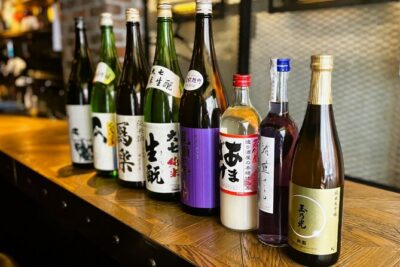
Casual Japanese SAKE tasting and snack experience in Kabukicho
Read our review →
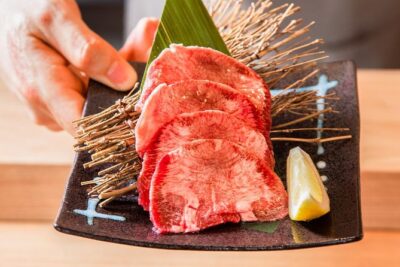
Wagyu & Sake Pairing in Shinjuku – Steak, Shabu-Shabu & More
Read our review →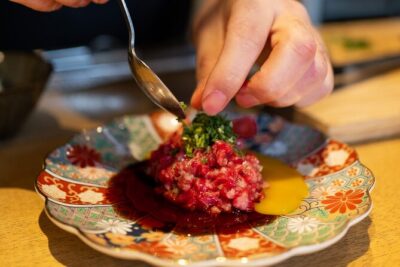
Tokyo Wagyu & Sake Pairing Tasting Experience with Local Flavors
Read our review →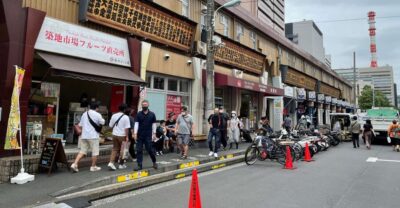
Outer Market Walking Tour & Sake Tasting Experience
Read our review →Browse the lists this tour appears in