
Reviewed · SAKE TASTING
Nara: Sake Tasting Tour at the Birthplace of Japanese Sake
Nara’s sake story began in Buddhist temples more than a thousand years ago, long before modern commercial breweries. This three-hour walking tour takes you into that story through three working breweries and one sake shop, where you taste sake close to its source and meet the character of Nara’s brewing districts.
I like two things right away: the small private-group format, which allows the guide to match the pace and explanations to you, and the range of sake, from crisp and dry to full and mellow. The main consideration is walking. You move between four tasting locations, and the tastings can make you giddy, so this is not a good fit if you want a seated, purely historical tour.
Key points to know before booking
- Three breweries, one sake shop: You taste sake at working producers and compare it with bottles selected at a local shop.
- A temple-born tradition: The tour explains Nara’s early role in sake making and its links to Buddhist practice.
- Private guiding: English and Japanese tours are available, with guides such as Takashi, Yayoi, and Hiro Takeuchi.
- Four sections of about 40 minutes: The route combines tastings, short walks, sightseeing, and time for photographs.
- A real neighborhood walk: You see quiet sake districts rather than only the main tourist sights.
- Good value for drinkers: At $119 per person, the cost covers a three-hour private tour, four tasting stops, and tastings at three breweries.
Why Nara is the right place to learn about sake
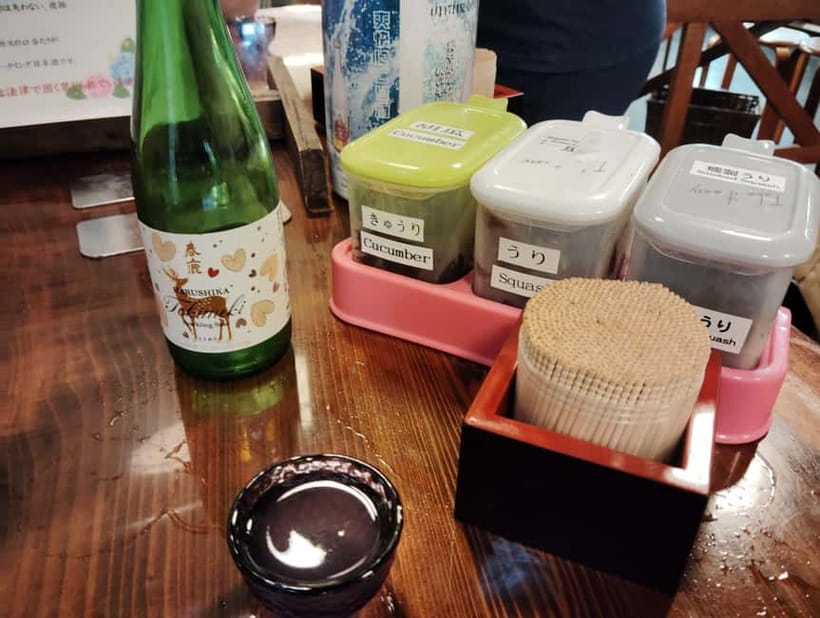
Many visitors come to Nara for temples, deer, and ancient wooden buildings. Sake adds another layer to the city. Its story here began in Buddhist temples more than a thousand years ago, when brewing was tied to religious life rather than a modern drinks industry.
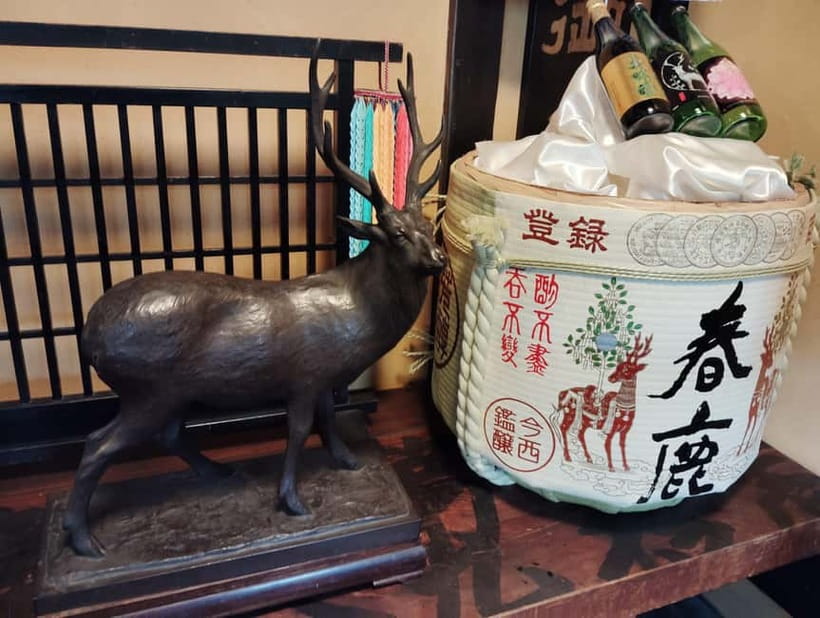
That background gives the tasting a useful sense of place. You are not simply sampling several Japanese beverages and trying to guess which label you prefer. You are learning how sake connects with Japanese climate, food, spirituality, and local tradition.
The tour also introduces the tōji, or master brewer, at each brewery. That matters because sake is not one uniform drink. Each brewer has a different way of handling rice, water, fermentation, and time. The route lets you compare those choices in the glass.
You may already know sake as a clear drink served warm in a small cup. This tour gives you a broader view. Tastings range from sharp and dry to soft, rounded, and mellow. That variety helps beginners understand the category quickly, while experienced drinkers can pay closer attention to technique and finish.
More Sake Tastings in Japan:
- 3-Hour Kyoto Insider Sake Brewery Tour with Tastings & Pairings
★ 5.0 · 917 reviews - Kyoto Sake Brewery & Tasting Walking Tour
★ 5.0 · 623 reviews - 1.5-Hour Kyoto Insider Sake Experience with 7 Tastings & Pairings
★ 5.0 · 297 reviews
Starting at Ukimi-do Pavilion
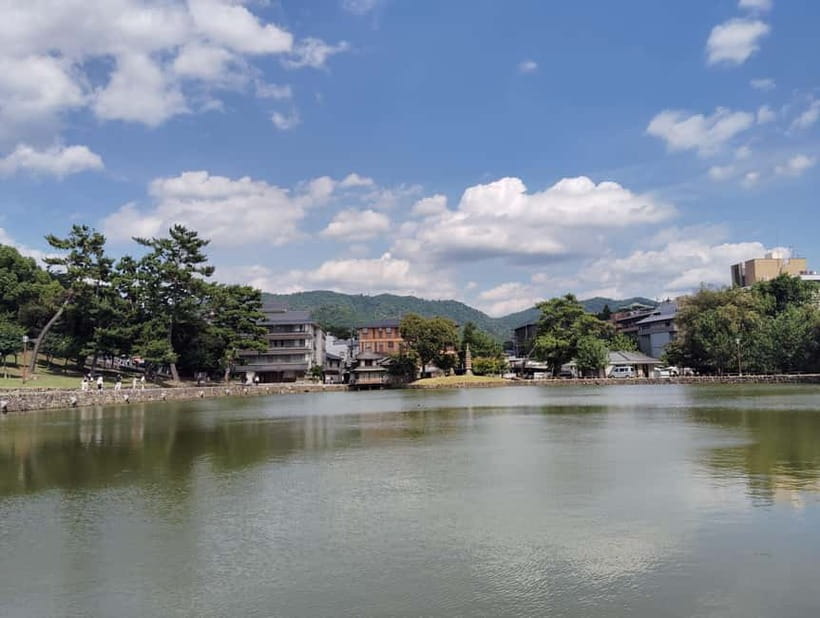
The meeting point is Ukimi-do Pavilion, written as 浮見堂 on local information. Look for the guide holding a yellow sign panel. The tour finishes at Kintetsu Nara Station, or 近鉄奈良駅, so the route does not return you to the starting point.
That point-to-point design is useful. You finish near a major station, where you can continue sightseeing, find a meal, or head back toward Osaka. It also means you should arrive ready to walk and avoid carrying anything awkward.
The first section lasts about 40 minutes and combines a visit, guided explanations, sightseeing, walking, and a tasting. The guide begins setting the scene for Nara’s sake districts and the old relationship between the city and brewing.
This opening should help you get your bearings before the drinks begin in earnest. Ask questions early. A private tour gives you more room to shape the conversation, and the guides have also helped with practical Japan questions. Yayoi, for example, assisted one participant with train information from Osaka to Nara and suggested a useful meeting arrangement.
Three breweries, three ways to think about sake
The central strength of this experience is the brewery sequence. You visit three working breweries, tasting directly from the source rather than stopping only at a souvenir shop.
Each brewery offers a chance to consider the choices behind the bottle. The guide explains the brewer’s philosophy, favored ingredients, and techniques passed down through generations. You will not simply hear that one sake is dry and another is mellow. You can connect those differences to the people and methods behind them.
The itinerary divides the route into three more sections of roughly 40 minutes each. Some sections include a formal tasting, while others focus more on a visit, walking, and sightseeing. This gives the afternoon a better rhythm than drinking continuously from one location to the next.
At one brewery, you may prefer a clean, crisp style. At another, a rounder sake may suit you better. The point is comparison. Your guide can help you notice aroma, sweetness, dryness, texture, and finish without turning the session into a technical exam.
If you are new to sake, do not worry about having the right vocabulary. The experience is designed for curious beginners as well as people who already know what they like. You can simply describe what you enjoy, then use the next tasting to test that preference.
Experienced drinkers should appreciate the focus on each tōji. The tour is not just a list of samples. It explains how a brewer’s decisions shape the final drink and why two sakes made in the same broad region can feel quite different.
Walking the quiet sake districts
The route takes you through Nara’s quieter sake streets. This is one of the better reasons to choose the tour over a tasting at a hotel or bar. You see where the brewing tradition belongs, with the guide connecting the streets, businesses, and local history as you walk.
The walking portions are listed as part of each 40-minute segment, so plan for steady movement between stops. The exact streets and brewery names are not specified, but the experience clearly centers on Nara’s sake districts rather than a single indoor venue.
That setting also keeps the activity tied to everyday Nara. You are seeing local shopkeepers and working businesses, not only polished tourist displays. One participant particularly valued the chance to get a feel for the neighborhoods and meet local shopkeepers.
The final section includes a photo stop, another visit, a guided tour, sightseeing, and a tasting. Ending at Kintetsu Nara Station makes the last stretch practical as well as scenic. You can take photographs, finish your final sample, and move on without retracing the whole route.
More Sake Tours in Japan:
- 1-Day Snow Monkeys, Zenko-ji Temple & Sake in Nagano
★ 5.0 · 1,020 reviews - Nagano: Snow Monkeys, Zenkoji Temple & Sake Day Trip
★ 4.9 · 833 reviews - Kyoto: Insider Sake Brewery Tour with Sake and Food Pairing
★ 5.0 · 704 reviews - Düsseldorf: Sushi, Sake & Japanese Lifestyle Tour
★ 4.6 · 539 reviews
Guides who shape the experience
The guide can make or break a tasting tour, especially when the subject includes history, brewing, and cultural etiquette. This experience uses live guides in Japanese or English, and the private format gives you direct access to them.
Takashi is repeatedly identified as a warm, funny, and attentive guide. He has guided visitors through several breweries, added extra activities along the way, and spent time talking about both sake and Japanese history. One participant also appreciated his friendly conversation, which is important during a three-hour walk.
Yayoi has been praised for clear communication and practical help before the tour began. Her support with train lines and meeting arrangements shows the useful extra service a private guide can provide.
Hiro Takeuchi handled a wheelchair user with care during one tour. That is encouraging if someone in your group has limited mobility, but you should still discuss the walking route and access needs when booking. The tour involves moving through sake districts, and the supplied information does not promise a fully step-free route.
The guides are also willing to talk beyond sake. You may find yourself asking about Japan’s history, local food, train connections, or shopping. That flexibility is a strong benefit of a private tour, though it can also mean the amount of brewing detail depends partly on your questions and interests.
What the $119 price buys you
At $119 per person, this is not a cheap casual tasting. You are paying for three hours of private guiding, a walking tour of Nara’s sake districts, four tasting locations, and sake samples at three working breweries plus one sake shop.
The value improves if you want context. A shop tasting might cost less, but it would not give you the same guided route through the districts or the chance to compare several breweries through one connected story. You are also paying for help navigating the experience in English or Japanese.
The private setup matters most for couples, families, and small groups with different levels of sake interest. A beginner can ask basic questions without holding up a large group. A sake fan can spend more time on ingredients, brewing methods, or tōji philosophy.
The price is harder to justify if you only want to drink as much as possible. This is a guided cultural walk with tastings, not a bar crawl. The historical and neighborhood portions are a central part of the experience.
The booking terms add flexibility. You can reserve now and pay later, and cancellation is free up to 24 hours before the tour for a full refund. Starting times vary, so check availability before planning your Nara day.
How much sake will you taste?
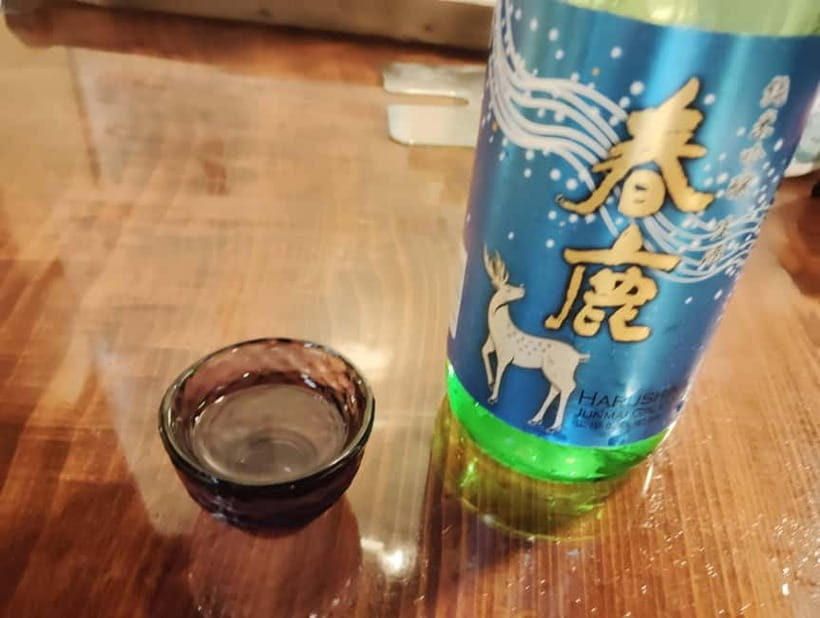
The supplied details do not give the number or size of pours. What is clear is that you taste at three breweries and one sake shop, with styles ranging from crisp and dry to rich and mellow.
Plan your expectations accordingly. This is a tasting experience, not a promise of full glasses or a meal. Eat beforehand if needed, drink at a sensible pace, and remember that four stops can add up. One participant specifically noted that the activity can make you a bit giddy.
The variety is valuable, but it also means you should pace yourself. If you find a style you like, ask the guide or shop staff about it. The final shop stop may be useful for comparing bottles or deciding what to buy, although the available information does not state that purchases are included.
Sake also pairs naturally with food, and the guide explains its relationship to Japanese cuisine. Still, no meal is listed as part of the tour. Arrange lunch or dinner separately.
Who will enjoy this Nara sake tour?
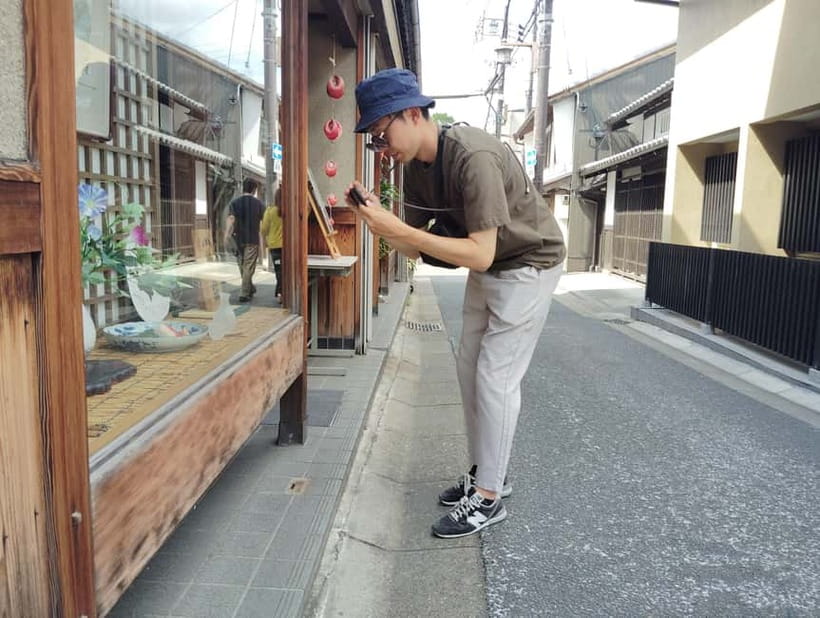
This is a strong choice if you want more than the usual Nara sights. It suits you if you enjoy local drinks, neighborhood walks, cultural history, or conversations with a guide who can adjust the pace.
Beginners should feel comfortable booking. You do not need prior sake experience, and the range of flavors gives you an easy way to discover your preferences.
Sake fans will find more value in the focus on tōji philosophies and brewing methods. The tour gives you several producers to compare rather than one isolated tasting.
It can also work well for families with adults, couples, and small private groups. The private format gives you room to ask questions and request a slower explanation. The tour is less suitable for anyone who dislikes walking, wants a major sightseeing checklist, or expects a large meal.
For wheelchair users, the experience may be possible with advance discussion. Hiro Takeuchi accommodated one father who used a wheelchair, but access conditions can vary across streets and tasting locations. Treat that as a reason to contact the provider, not as a guarantee of universal access.
Practical advice for a smoother afternoon
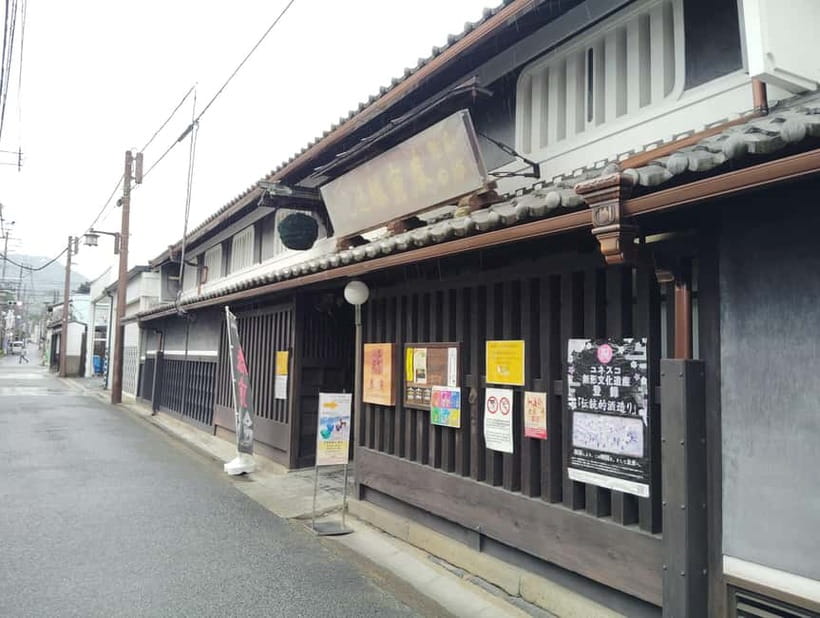
Arrive at Ukimi-do Pavilion with enough time to find the guide and look for the yellow sign. Wear comfortable shoes, since the tour moves through Nara’s sake districts and includes several walking segments.
Keep your afternoon flexible. The tour lasts three hours and ends at Kintetsu Nara Station, not at the pavilion. That makes it easy to continue by train, but you should plan your next activity from the station rather than the starting point.
Use the guide. Ask what makes one brewery’s sake different from the next. Ask which sample is driest, which is best with food, and how the tōji’s approach affects the taste. You will gain more from the tour if you treat each pour as a comparison, not just a drink.
The activity is offered in English and Japanese. Private guiding can also make it easier to request clarification if brewing terms move too fast.
Should you book it?
Book this tour if you want to connect Nara’s sake with its temples, climate, food, and working neighborhoods. The strongest features are the three brewery visits, the private guide, and the chance to compare sake styles while walking through the districts where the tradition lives.
At $119, it is best value for people who care about the story behind the drink and want a personal afternoon rather than a quick sample. Skip it if you want a low-cost tasting, a sit-down meal, or a route with almost no walking.
For most adults curious about Japanese sake, this offers a well-shaped introduction. You get history, local streets, four tasting locations, and guides such as Takashi, Yayoi, and Hiro Takeuchi who can make the experience personal. Just arrive ready to walk, pace yourself, and let the differences between the breweries do the teaching.
FAQ
Where does the Nara sake tour meet?
The meeting point is Ukimi-do Pavilion, or 浮見堂. Your guide will hold a yellow sign panel.
Where does the tour finish?
The tour finishes at Kintetsu Nara Station, written as 近鉄奈良駅.
How long does the activity last?
The tour lasts three hours. Check availability for the specific starting times.
How many tasting locations are included?
You visit four tasting locations: three working breweries and one sake shop.
What kinds of sake will I taste?
The tastings range from crisp and dry styles to rich and mellow styles.
Is the tour available in English?
Yes. Live guiding is available in English and Japanese.
Can I cancel for a full refund?
Yes. You can cancel up to 24 hours in advance for a full refund. You can also reserve now and pay later.
Newly added around Japan
- Kobe: Sake Brewery Tour with Tasting and Kobe Beef Bites★ 5.0 · 11 reviews
- Kobe: Sake Brewery Tour with Tasting Sake★ 4.7 · 9 reviews
- Kyoto: Fushimi Sake District Tour with Boat Ride★ 4.6 · 10 reviews
- Nara – Craft Beer, Sake, and Food Walking Tour★ 3.5 · 9 reviews
- World Heritage Himeji Castle & Sake Breweries Private Tour★ 4.5 · 11 reviews
- Visit behind the Scenes: Hiroshima Saijo Sake Brewery Tour★ 5.0 · 9 reviews
- Sake Town Tour in Saijo Hiroshima★ 5.0 · 9 reviews
- Japanese Sake Breweries Tour in Fushimi Kyoto★ 5.0 · 10 reviews
Sake Tasting, compared.

3-Hour Kyoto Insider Sake Brewery Tour with Tastings & Pairings
Read our review →

Sake Tasting Masterclass in Shinjuku (8+ Varieties with a Pro)
Read our review →
Insider Sake Experience with 7 Tastings and Snacks
Read our review →
Sake Omakase in Tokyo: Guided Tasting by Certified Sommeliers
Read our review →
Private Tea Ceremony and Sake Tasting in Kyoto Samurai House
Read our review →
Casual Japanese SAKE tasting and snack experience in Kabukicho
Read our review →
Browse the lists this tour appears in