
Reviewed · SAKE TASTING
Osaka Sake Tasting with Takoyaki Cooking
Osaka’s famous street food becomes your dinner project in this lively two-hour class. You cook takoyaki yourself, turning the batter and fillings into crisp little octopus balls, then sit down with sake chosen by Momo, a sake sommelier and former brewer. It is a cheerful way to learn Osaka food culture without dressing it up.
I like the small group of six or fewer, which gives Momo time to answer real questions. I also like that the sake lesson is practical: you learn enough about styles, production, and flavor to choose a bottle or order a glass later in Japan. The main consideration is simple: this is a generous tasting, so you should come hungry and be prepared to drink, not just take tiny sips.
Key points at a glance
- Cook your own takoyaki: Make Osaka’s signature snack from batter to finished plate, with fillings beyond octopus.
- Learn from Momo: Your guide is a sake sommelier and former brewer who explains the drink in clear, approachable terms.
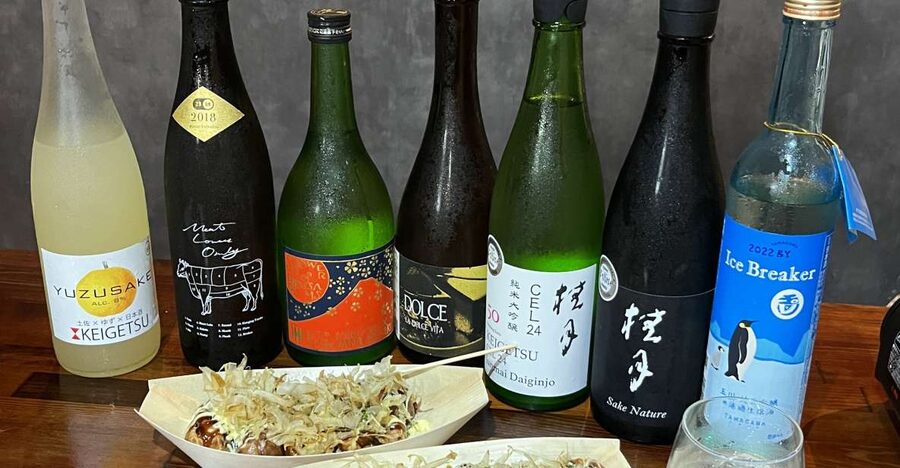
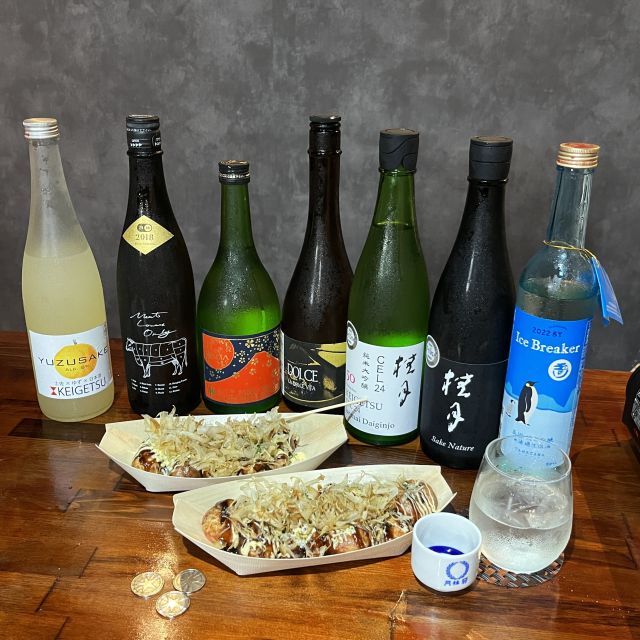
- Taste more than 10 sakes: The seasonal selection includes different styles and flavor profiles, with soft drinks also available.
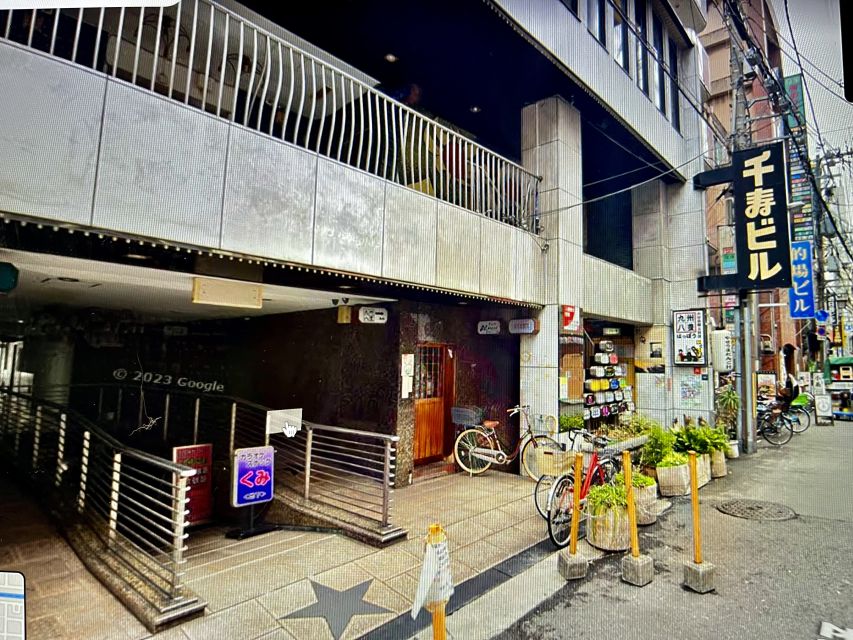
- Stay close to Namba: The meeting point is MOMO to SAKE, on the second floor of its building in Osaka’s main entertainment area.
- Keep the group personal: The class is limited to six participants, and some sessions may feel almost private.
- Plan around the tasting: Sake is served after the cooking, alongside the food, so this works best as a meal rather than a quick snack stop.
Why this Osaka class works so well
Many food classes teach you a recipe and send you on your way. This one adds a useful drinking lesson, which makes it more valuable during the rest of your Japan trip. After two hours with Momo, you should have a better idea of what you like in sake and more confidence ordering it at an izakaya or sake bar.
The combination also fits Osaka. Takoyaki is closely tied to the city’s street-food culture, while sake gives you a window into Japanese brewing, hospitality, and dining customs. You are not only watching someone prepare local food. You are handling the pan, making choices about fillings, tasting several kinds of sake, and eating the results.
The activity has received a perfect 5 rating from 156 reviews, with repeated praise for Momo’s warmth, clear explanations, and ability to adjust the session to different groups. That matters here because the quality of a small food class depends heavily on the host. A stiff presentation would make the sake lesson drag. Momo’s friendly style appears to be one of the main reasons this class feels relaxed rather than formal.
More Cooking Classes with Sake in Japan:
- Ramen and Sushi Cooking Class with Sake Pairing Set in Tokyo
★ 5.0 · 291 reviews - Osaka Sake Tasting & Takoyaki Cooking Experience
★ 5.0 · 149 reviews - Tokyo: Sushi and Ramen Cooking Class with Sake Pairing Set
★ 5.0 · 81 reviews
Meeting Momo at MOMO to SAKE
You meet at MOMO to SAKE, located on the second floor of the building. The venue is easy to reach from the main Osaka Namba area, so it fits neatly into a day built around Dotonbori, Shinsaibashi, or nearby nightlife.
The setting is described as cozy and welcoming rather than large or highly staged. That is useful to know before booking. You are signing up for a personal workshop, not a theater-style demonstration with a long line of participants.
The group limit is six. If the class fills, you will still have other people to chat with while you cook, but the size should give you a fair chance to ask questions. Smaller bookings can feel especially personal. One session had only one participant, while other couples described having what felt like a private lesson.
Momo teaches in English and Japanese. Her English is described as very strong, and she is comfortable explaining sake production, grading, flavor, and serving styles to people with no previous experience. You do not need to arrive knowing the difference between junmai and ginjo. The point is to leave with a working sense of how sake can vary.
Cooking Osaka’s signature takoyaki
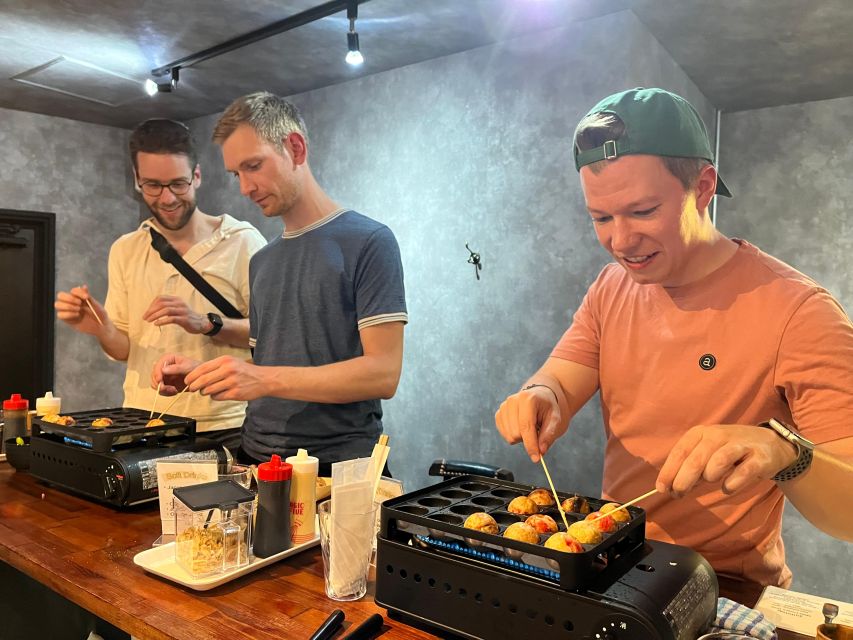
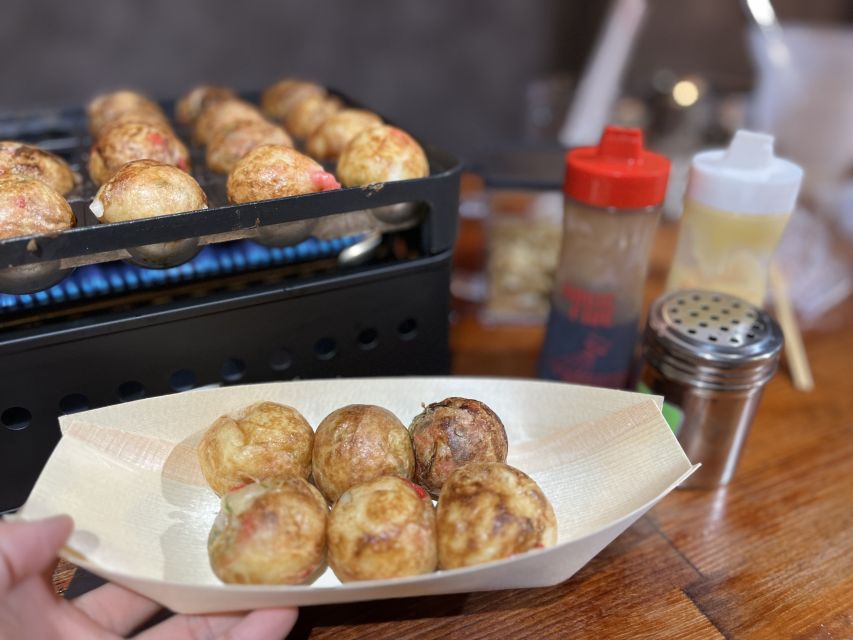
The cooking portion is hands-on. Momo gives you instructions and her own recipe, but you do the actual work. You pour batter, add fillings, and shape the pieces as they cook. The process looks easier than it is, which is part of the fun.
Takoyaki are small grilled balls traditionally made with pieces of octopus inside. The outside browns on the hot plate while the center stays soft. You will likely need a little patience and a willingness to accept a few lopsided first attempts.
That slight mess is an advantage. You are not simply being handed a perfect plate for a photograph. You learn why the food takes practice and gain a better eye for the quick turning technique used at Osaka food stalls. Several people found the homemade result especially tasty, and some said it was the best takoyaki they had eaten in Japan.
The standard filling is not your only choice. The class can include additional ingredients such as wagyu beef, cheese, kimchi, and corn. That makes the cooking more flexible for groups with different tastes. One couple included a person who did not eat octopus, and the alternative fillings allowed everyone to take part.
Dietary needs should be discussed when booking or before the class. Momo adapted the food for a participant with coeliac disease, and the experience was described as stress-free for the whole group. The supplied information does not promise a fixed allergen-free menu, so you should not assume every dietary request can be handled without advance notice.
Eating what you made
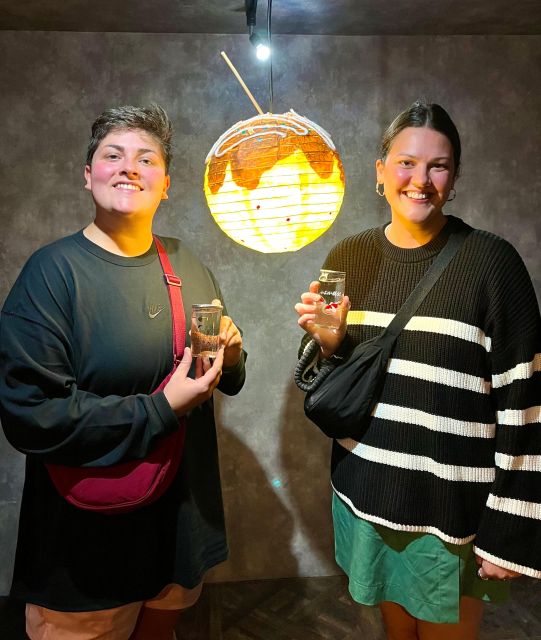
The schedule places the sake tasting after the cooking. This is a sensible order. You make the food while you are fresh, then eat it with the sake instead of trying to manage a hot pan and several tasting glasses at once.
You are encouraged to come hungry. This is not a token cooking sample followed by a quick drink. The portions have been generous enough for some people to leave full, and the food is served as part of the tasting rather than as a separate demonstration.
The meal also gives you a practical way to compare sake. A salty or savory bite can change how a drink tastes, and takoyaki’s soft texture, sauce, and fillings make a friendly match for many styles. Momo may also provide snacks, water, and, in some sessions, dessert. These extras are not listed as guaranteed inclusions, so treat them as possible additions rather than part of the promised menu.
More Sake Tastings in Japan:
- 3-Hour Kyoto Insider Sake Brewery Tour with Tastings & Pairings
★ 5.0 · 917 reviews - Kyoto Sake Brewery & Tasting Walking Tour
★ 5.0 · 623 reviews - 1.5-Hour Kyoto Insider Sake Experience with 7 Tastings & Pairings
★ 5.0 · 297 reviews - Sake Tasting Masterclass in Shinjuku (8+ Varieties with a Pro)
★ 5.0 · 271 reviews
Learning how sake is made
The sake lesson covers the basics of history, culture, and production. Momo’s background as a former brewer gives the talk a useful professional edge, while her sommelier training helps connect production to what you taste in the glass.
You will learn how different sakes can vary in aroma, sweetness, dryness, texture, and overall character. The goal is not to memorize technical terms. It is to notice patterns in your own preferences.
This is where the class offers lasting value. If you have ever looked at a Japanese sake menu and chosen at random, the session gives you a better method. You can ask about the style you prefer, explain whether you like something light or fuller-bodied, and make a more informed choice.
Momo also explains how sake is graded and how to approach tasting. Her teaching style is described as clear and non-pretentious, which is important for beginners. You can ask basic questions without feeling that you have walked into a specialist seminar.
People with wine experience may enjoy the comparison. You can pay attention to aroma, texture, balance, and finish, but sake has its own character and vocabulary. Those new to both wine and sake can simply focus on what smells and tastes good to them.
More than 10 Japanese sakes to compare
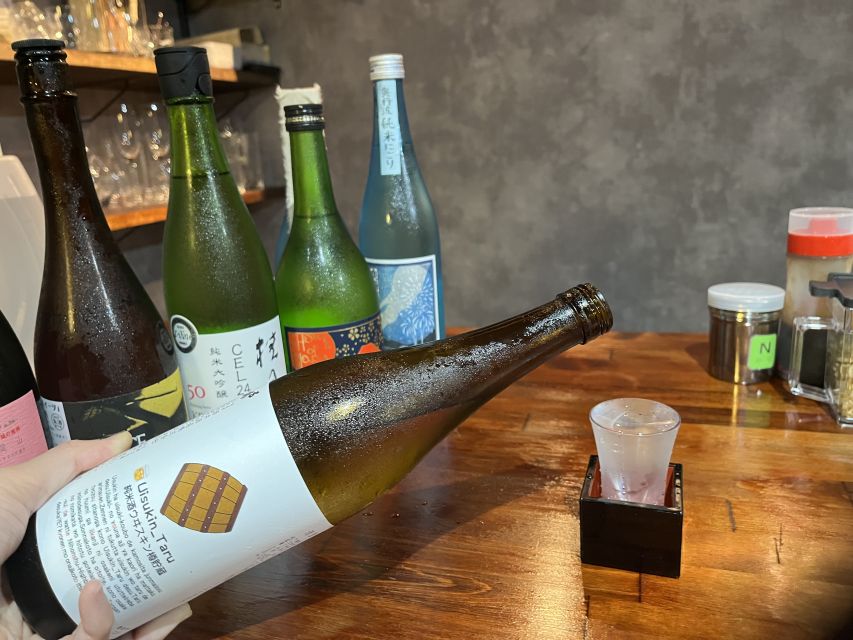
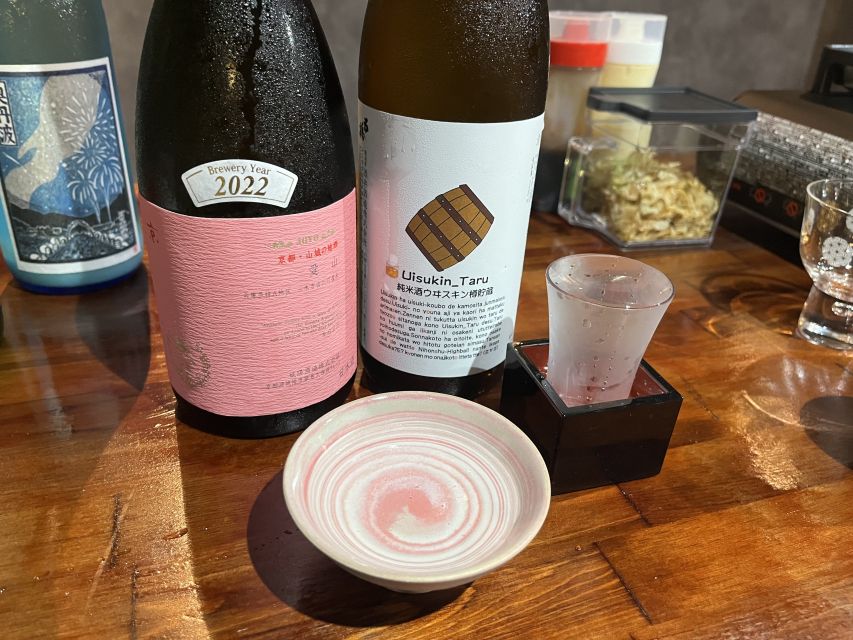
The tasting includes more than 10 types of Japanese sake, with a seasonal menu selected by Momo. You may not drink every bottle available, since the exact lineup can change, but the range gives you room to find a clear favorite.
Some sessions included seven or eight pours per person, and the pours were described as generous. That is one reason I would not schedule this immediately before a demanding activity. The tasting is designed for enjoyment and learning, not a few symbolic drops in the bottom of a glass.
Momo helps you choose what to taste rather than forcing one rigid sequence. If you already know you like dry drinks, you can explore that side of the menu. If you are new to sake, she can guide you toward a range of styles so you can compare them directly.
The seasonal element is a plus. Sake availability changes, and a rotating selection keeps the class connected to what is currently being poured. The drawback is that you cannot plan around one specific label or guarantee that a particular bottle will be available on your date.
Soft drinks are included, which makes the class workable for mixed groups. Children and non-drinkers can take part in the cooking and sake education without having to drink alcohol. Reviews also describe families enjoying the session, with soft drinks provided for children while adults tasted sake.
What the two-hour schedule feels like
The two-hour duration is short enough to fit into a busy Osaka itinerary, but long enough for real participation. You are not spending half a day in a formal cooking school. Instead, the class moves from introduction to cooking, then from food to sake and conversation.
The cooking section is the most active part. Expect to listen, try, adjust, and laugh at the first few takoyaki. Once the food is ready, the pace becomes calmer as Momo introduces the sake and answers questions.
Because the groups are small, the conversation can move beyond the printed subject. People have asked Momo about life in Japan, local bars, and where to continue their evening. In some cases, she suggested nearby places known more to locals than to visitors. Those recommendations are not a formal part of the tour, but they can be a useful bonus.
The experience works especially well early in an Osaka stay. You can use the sake vocabulary later at restaurants and bars, and you will watch takoyaki cooks with a new appreciation for how quickly they work. Booking it near the start of your visit gives the lesson more time to pay off.
Is $70 a fair price?
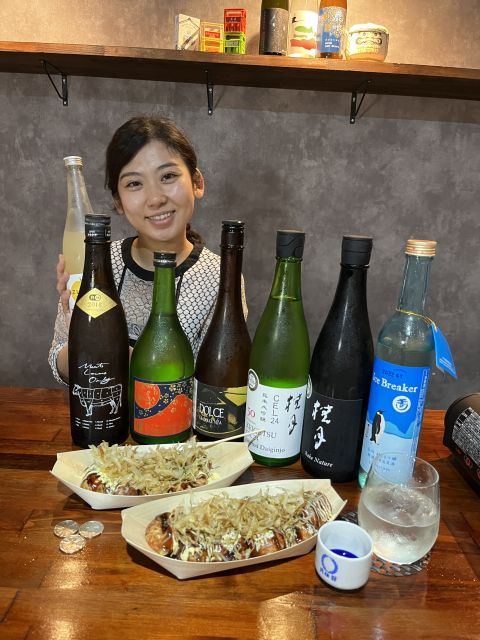
At $70 per person, the price is not the cheapest way to eat takoyaki in Osaka. Street stalls sell the snack for far less, and you can buy a bottle of sake without paying for a class. That comparison misses what you are paying for here.
The fee includes all cooking ingredients, instruction, more than 10 Japanese sakes and soft drinks, plus an English-speaking sake expert. You are also paying for a small group, a meal-sized amount of food, and guidance that can improve your choices for the rest of your trip.
The value is strongest if you want participation and explanation. If you only want to sample sake or eat takoyaki, spend less at a local restaurant. If you want to understand what you are tasting, prepare the food yourself, and leave with a better sense of Japanese drinking culture, the price is more reasonable.
The generous tasting pours are worth noting. You should not think of this as an expensive appetizer. It is closer to a compact food workshop and sake class with dinner included.
Who should book this activity
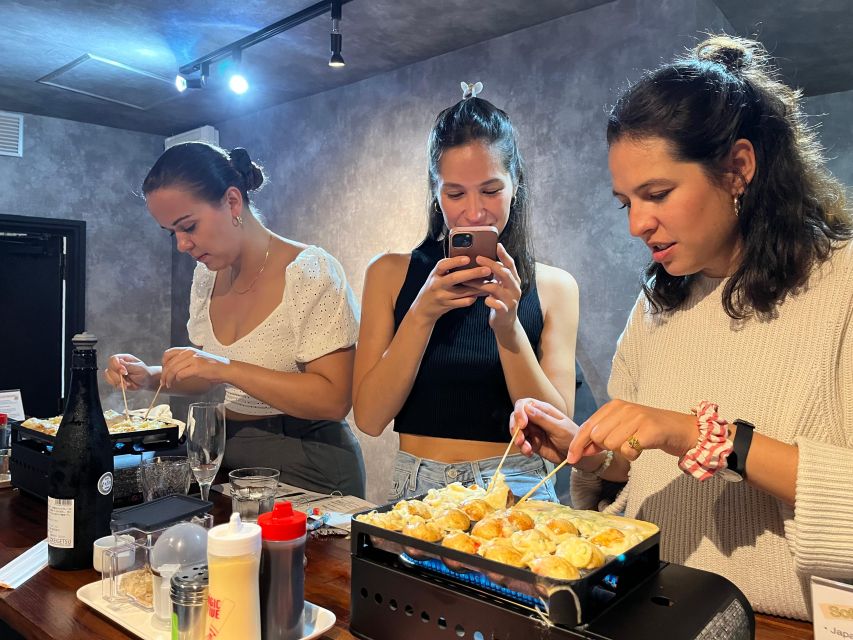
I would recommend it to first-time visitors who want a friendly introduction to Osaka food and sake. It suits couples, friends, solo participants, and families where the adults want to taste while children use soft drinks.
It is also a good fit for people who feel uncertain about sake. You do not need specialist knowledge, and Momo’s explanations are aimed at making the subject easier to use in real restaurants.
The class may be less suitable if you avoid alcohol entirely and have no interest in sake. You can still cook takoyaki, but half of the two-hour session centers on tasting and discussing Japanese sake.
It is also not ideal for anyone seeking a polished, quiet demonstration. The charm comes from doing the work yourself, and the cooking can be a little chaotic. That is the Osaka spirit of the class, but it may not suit someone who wants a formal lesson with every piece perfectly arranged.
Practical details before you reserve
The experience costs $70 per person and lasts two hours. The meeting point is MOMO to SAKE, on the second floor of the building, with access from the Osaka Namba area.
You can cancel up to 24 hours in advance for a full refund. The reserve-now, pay-later option allows you to hold a place without paying immediately, which is helpful when your Osaka schedule is still changing.
Check the available start times for your date. The activity can work as a late afternoon meal or an early evening plan, but the exact schedule depends on availability.
Arrive ready to eat. Since the food is cooked before the sake is served, you will have something substantial alongside the drinks. Tell the provider about allergies or dietary restrictions ahead of time, especially if you need alternatives to octopus, wheat, or other ingredients.
Should you book Osaka Sake Tasting with Takoyaki Cooking?
Book it if you want more than a food sample. The strongest reasons are Momo’s personal teaching, the small group size, the chance to make several kinds of takoyaki, and a sake tasting large enough to reveal real differences between styles.
I would place it near the beginning of your Osaka visit, then use what you learn at local bars and restaurants. Skip it if you only want a cheap meal, dislike alcohol, or prefer to watch rather than cook.
For most visitors, the $70 price is justified by the food, the tasting, and the practical advice packed into two hours. It gives you a better understanding of two things Osaka does especially well: casual food and relaxed hospitality.
FAQ
Where does the Osaka Sake Tasting with Takoyaki Cooking take place?
The meeting point is MOMO to SAKE, located on the second floor of the building. It is easy to access from the main Osaka Namba area.
How long does the activity last?
The experience lasts two hours.
How much does it cost?
The price is $70 per person.
How many people can join the class?
The group is limited to six participants.
What languages are available?
The activity is offered in English and Japanese. The English-speaking guide is Momo, a sake sommelier and former brewer.
How many kinds of sake can I taste?
More than 10 types of Japanese sake are available. The exact seasonal selection can vary.
Is food included?
Yes. All ingredients for the takoyaki cooking experience are included, along with cooking instructions. You eat the takoyaki you make during the class.
Are non-alcoholic drinks available?
Yes. Soft drinks are included, making the activity suitable for people in a mixed group where not everyone drinks sake.
Can I cancel or pay later?
You can cancel up to 24 hours in advance for a full refund. You can also reserve now and pay later, subject to the booking terms.
Newly added around Japan
- Nara: Sake Tasting Tour at the Birthplace of Japanese Sake★ 4.9 · 8 reviews
- Japanese Sake Tasting & Wagyu Sukiyaki Cooking Class in Tokyo★ 5.0 · 10 reviews
- Tokyo Sake Tour with a Local Guide, Private & Tailored to Your Taste★ 4.0 · 12 reviews
- Kobe: Sake Brewery Tour with Tasting and Kobe Beef Bites★ 5.0 · 11 reviews
- Kobe: Sake Brewery Tour with Tasting Sake★ 4.7 · 9 reviews
- Kyoto: Fushimi Sake District Tour with Boat Ride★ 4.6 · 10 reviews
- Nara – Craft Beer, Sake, and Food Walking Tour★ 3.5 · 9 reviews
- World Heritage Himeji Castle & Sake Breweries Private Tour★ 4.5 · 11 reviews
Sake Tasting, compared.

3-Hour Kyoto Insider Sake Brewery Tour with Tastings & Pairings
Read our review →
Sake Tasting Masterclass in Shinjuku (8+ Varieties with a Pro)
Read our review →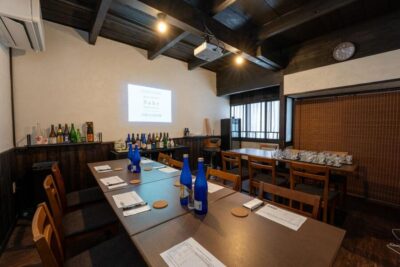
Insider Sake Experience with 7 Tastings and Snacks
Read our review →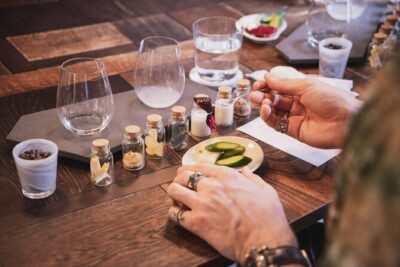
Sake Omakase in Tokyo: Guided Tasting by Certified Sommeliers
Read our review →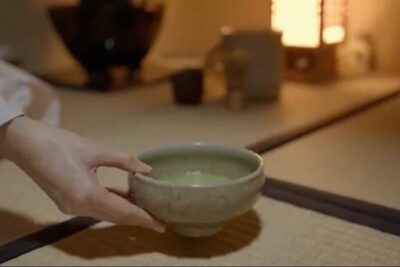
Private Tea Ceremony and Sake Tasting in Kyoto Samurai House
Read our review →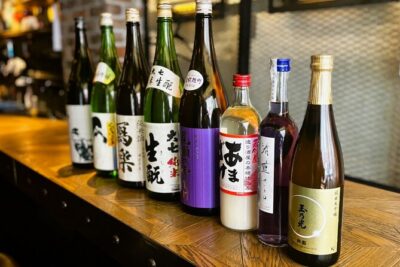
Casual Japanese SAKE tasting and snack experience in Kabukicho
Read our review →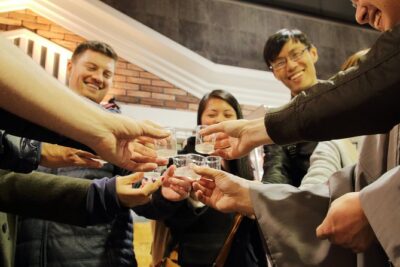
KOBE Sake Tasting Tour at Breweries (tasting fee included)
Read our review →Browse the lists this tour appears in