
Reviewed · SAKE TASTING
Tokyo: Sushi Cooking Class with Sake Tasting
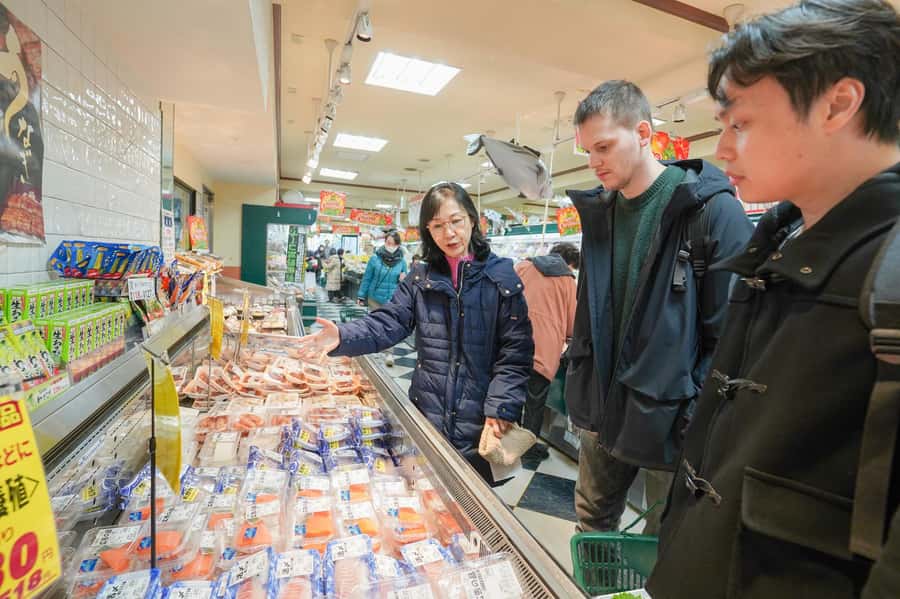
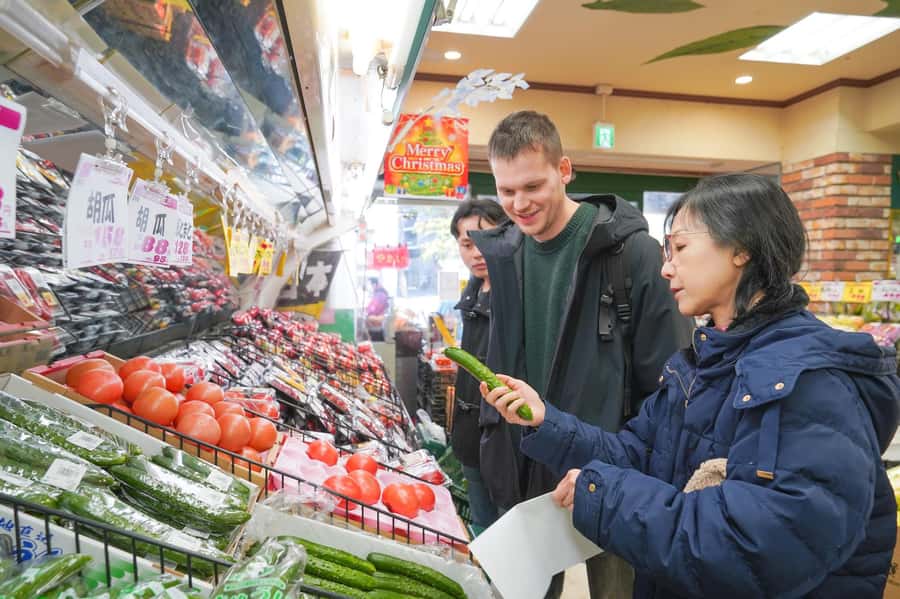
Tokyo’s best food lessons often begin in an ordinary supermarket, not a polished restaurant. Here, you shop with your guide, learn how Japanese cooks choose ingredients, then turn them into sushi, miso soup, eggplant dengaku, and rolled egg in a professional kitchen. The supermarket visit gives the class a useful local setting.
I like the patient, hands-on teaching, especially for beginners who may not know how to hold a Japanese knife or prepare dashi. I also like the four-sake tasting, since you pair the drinks with the lunch you have just made rather than tasting them in isolation. The main drawback is the strict meeting time, and some parts of the route are not suitable for wheelchairs or strollers.
Key points to know before booking
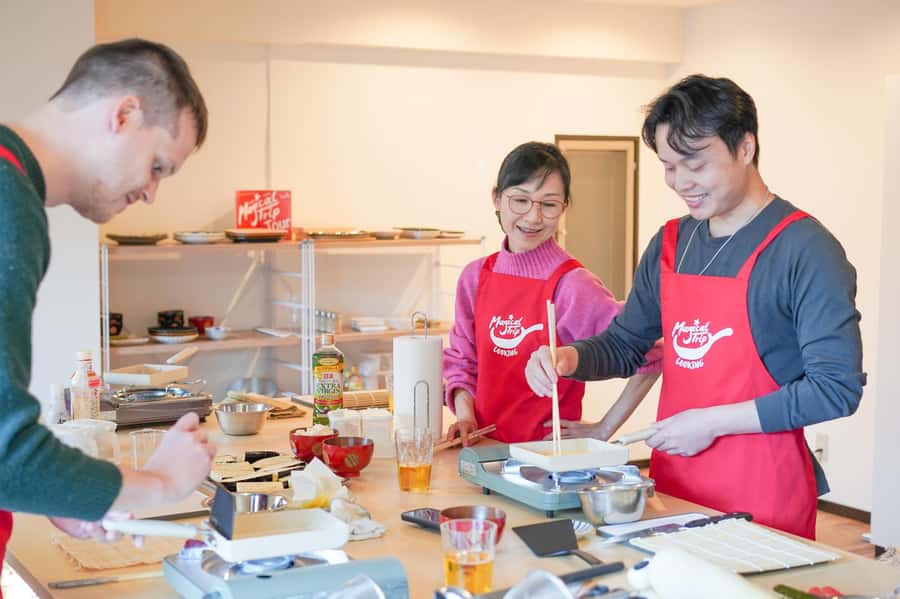
- Shop before you cook: You help select ingredients in a local Tokyo supermarket and learn how freshness and seasonings guide Japanese home cooking.
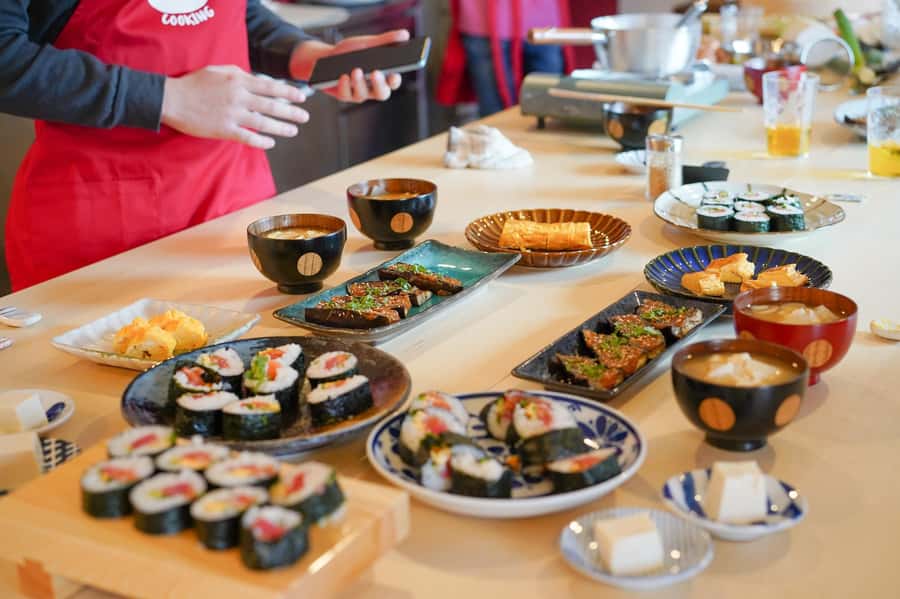
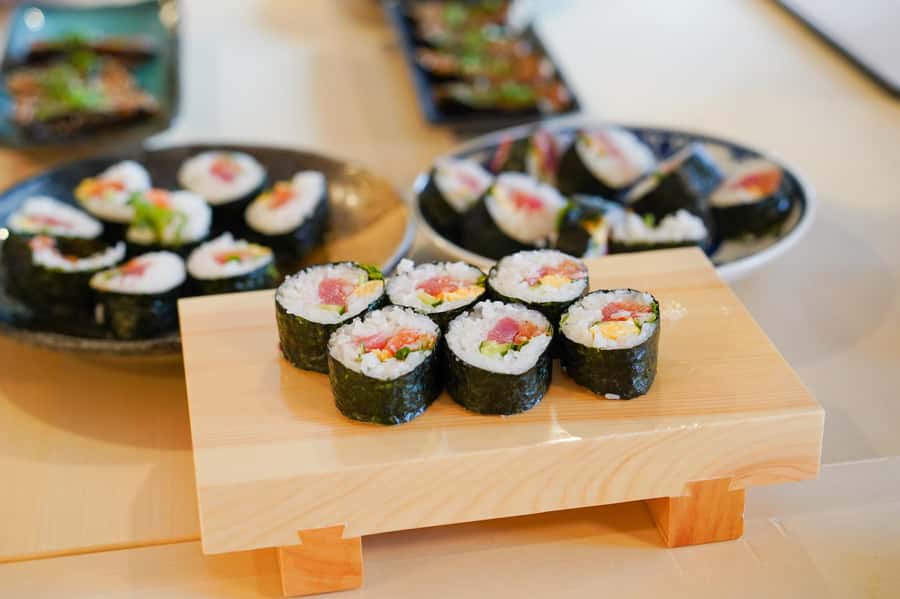
- A full home-style menu: The class covers sushi rolls, sushi rice, miso soup, eggplant dengaku, and dashimaki tamago.
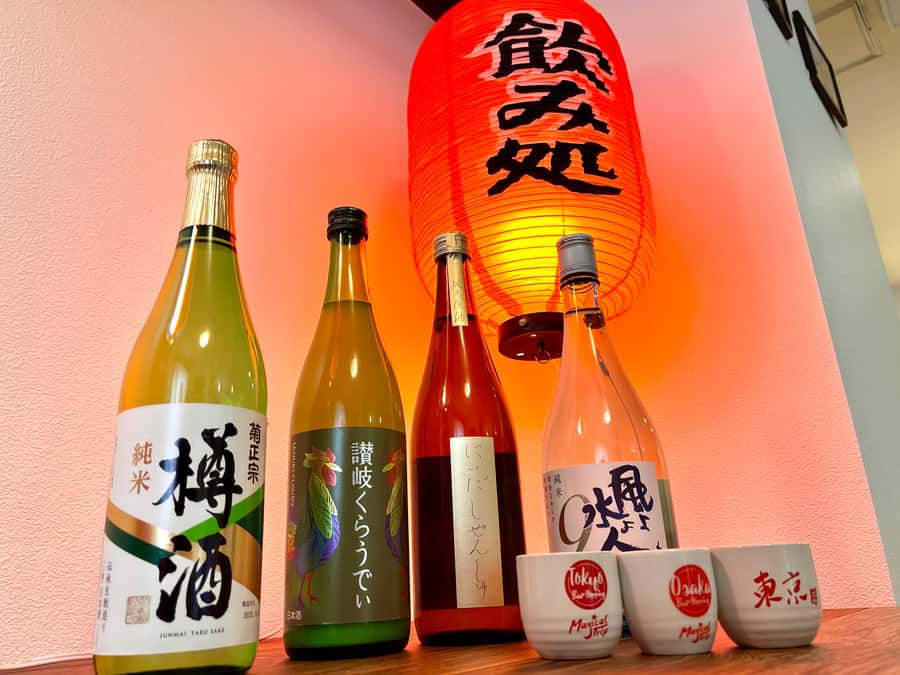
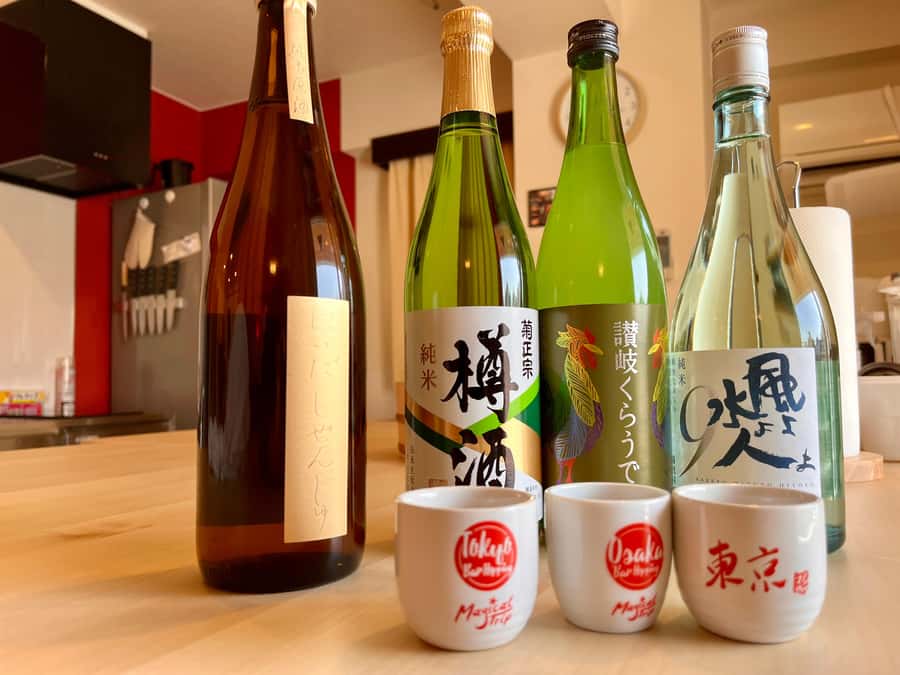
- Four sake samples with lunch: The tasting is part of the meal, not a separate add-on.
- Small groups help beginners: The group is limited to seven, with English instruction and time for questions.
- Family-friendly setup: Children of all ages can join, and a playroom is available for little ones.
- Useful follow-up: You receive recipes so you can repeat the dishes at home.
From Iriya Station to the supermarket
The meeting point is in front of the FamilyMart beside the Gindako takoyaki shop and Doutor Coffee near Exit 2 of Iriya Station. There are two FamilyMart shops at the station, so use the takoyaki shop and coffee shop as your landmarks. This detail matters. Tokyo station exits can put you on different streets, and arriving at the wrong convenience store creates a bad start.
Plan to arrive early. The class starts on time, and you cannot join later, reschedule, or receive a refund if you miss the group. That firm policy is worth taking seriously, especially if you are crossing Tokyo from another part of the city.
The experience lasts four hours and ends back at the meeting point. Since the activity takes place around Iriya, Asakusa, and Kappabashi, it fits well into a day focused on eastern Tokyo. After lunch, you can explore Asakusa and shop for kitchen goods in Kappabashi, though sightseeing after the class is your own time rather than an included guided tour.
More Sushi and Sake Tours in Tokyo:
- Ramen and Sushi Cooking Class with Sake Pairing Set in Tokyo
★ 5.0 · 291 reviews - Sake Omakase in Tokyo: Guided Tasting by Certified Sommeliers
★ 5.0 · 239 reviews - Tsukiji: Outer Market Walking Tour & Sake Tasting Experience
★ 4.9 · 81 reviews
Why the supermarket stop matters
The supermarket is more than a quick shopping errand. Japanese food shops often carry a wide range of fish, meat, vegetables, sauces, seasonings, and prepared ingredients, and your guide explains how to choose what you need. You get a look at everyday food shopping rather than only seeing finished dishes in a restaurant.
This is especially useful if you want to cook Japanese food after returning home. The guide can show you the ingredients used for sushi rice, soup stock, and the other dishes on the menu. You also gain a better sense of how Japanese cooks build a meal around several small plates instead of one large main course.
The exact ingredients can change, and the class does not promise that every item will be available in every kitchen or supermarket visit. That is normal for a hands-on food class. The value is in learning the method and the role of each ingredient, not in collecting a fixed set of products.
Knife skills, dashi, and sushi rice
Once you have the ingredients, you move to a professional kitchen studio. The instruction starts at the beginning, including how to hold a Japanese kitchen knife properly. That makes the class suitable for people who cook rarely, not just confident home cooks.
You will work on dashi, the basic stock used for miso soup, and season sushi rice with vinegar. These steps may look simple, but they shape the final taste. The class gives you a chance to see the process rather than treating sushi as something mysterious that only restaurant chefs can make.
The small group, limited to seven participants, should make it easier to watch the demonstrations and get individual help. Guides named in the feedback include Tiger, Suzy, Takahito, Mahori, Fuji, Mihori, and Sho. Your guide will vary, but the strongest pattern is clear: patient explanations and a relaxed pace are central to the experience.
That patience is important for families and first-time cooks. One instructor worked well with a young son, allowing him to take part without rushing the adults. Children may enjoy shaping and assembling food, but the knife work and hot cooking steps still require close attention from a parent.
Making more than sushi rolls
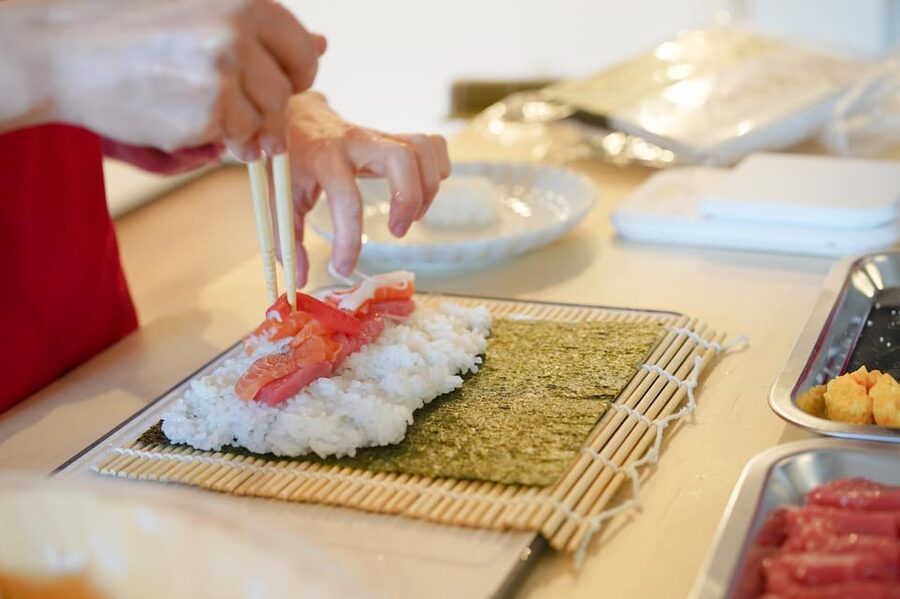
Sushi is the headline dish, but the class is broader than a roll-making demonstration. You also prepare miso soup, eggplant dengaku, and dashimaki tamago, a Japanese rolled omelet. Together, these dishes show several different techniques: seasoning rice, preparing soup stock, glazing vegetables, and rolling egg in a pan.
Eggplant dengaku is a useful example of Japanese home cooking because the vegetable is paired with a savory miso topping. Dashimaki tamago requires controlled rolling and a little practice, so you can expect the finished omelet to be a learning experience as much as a meal.
The menu gives you a better idea of how Japanese meals are put together. You are not simply making one photogenic dish and leaving. You prepare soup, a vegetable side, egg, and sushi, then sit down to eat them together.
Your guide also takes photos during the tour. That lets you focus on cooking instead of constantly reaching for your own phone. The photos are a pleasant extra, but the recipes are the more practical souvenir.
More Cooking Classes with Sake in Tokyo:
- Tokyo: Sushi and Ramen Cooking Class with Sake Pairing Set
★ 5.0 · 81 reviews - Tokyo Sushi Making Class : Sake Ceremony & Matcha Experience
★ 5.0 · 44 reviews - Japanese Sake Tasting & Wagyu Sukiyaki Cooking Class in Tokyo
★ 5.0 · 10 reviews - Osaka Sake Tasting with Takoyaki Cooking
★ 5.0 · 156 reviews
Four kinds of sake with the meal
The sake tasting includes four varieties. You choose favorites from the selection and pair them with sushi and the other Japanese dishes prepared in class. This gives the tasting a clear purpose: you can compare how different sake flavors work with rice, miso, vegetables, and egg.
You do not need to be a sake expert. The point is to taste, ask questions, and notice what you prefer. Since the tasting comes with lunch, the $112 price covers more than a short cooking demonstration. It includes the four-hour guide service, ingredients, tea, the meal, four sake samples, and photos.
Still, the value depends on what you want from a Tokyo food activity. If you only want to eat sushi, a restaurant will cost less and take less time. If you want instruction, cultural context, a market visit, and recipes you can use at home, the price is more reasonable. The small group also gives this experience an advantage over a large workshop where you may spend much of the time watching from the back.
A useful class for families and first-time cooks
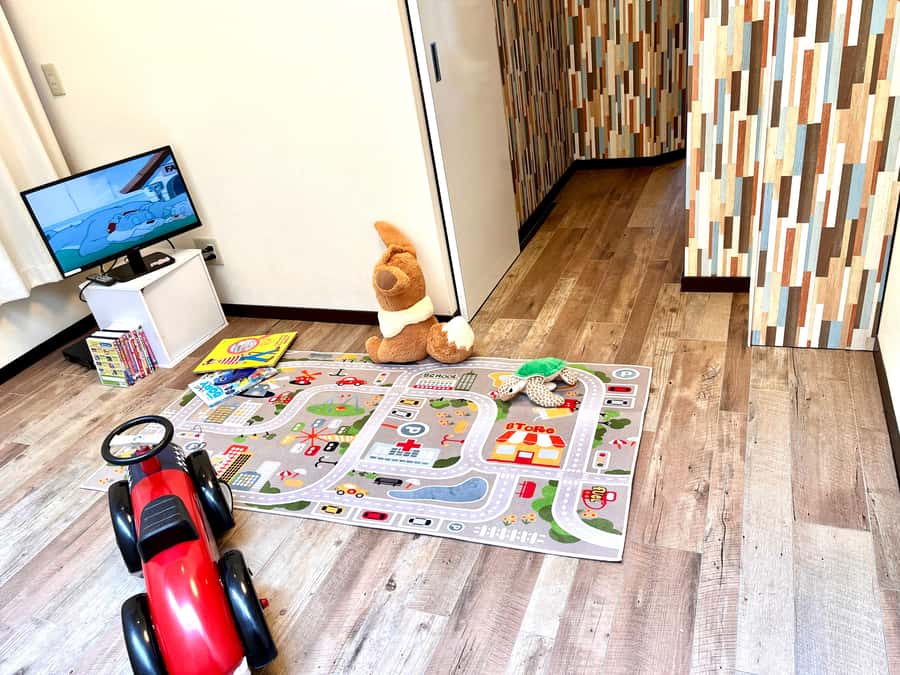
All ages can join, and a kids playroom is available for little ones. That does not turn the class into childcare, so parents should still expect to supervise their children. It does, however, make the four-hour activity easier for families than a quiet restaurant-based lesson.
The class also welcomes vegan and vegetarian participants, with ingredients and cooking steps arranged for them. You should discuss your needs when booking. The operator cannot guarantee an allergy-free meal, and substitutions may not be possible at every point because the food is prepared in kitchens outside the operator’s control.
That limitation is important for anyone with a serious allergy. The team will try to compensate at other stops, but you should not assume the class can prevent cross-contact or replace every ingredient. For ordinary dietary preferences, the experience offers more flexibility than many fixed-menu food tours.
Tokyo summers are hot and humid. Bring water and wear a hat for the supermarket walk and any time outside. Comfortable clothing also makes sense for a cooking class, though no special uniform or cooking background is required.
Asakusa and Kappabashi after lunch
The kitchen is near Asakusa and Kappabashi, two useful areas to visit after the meal. Asakusa is one of Tokyo’s best-known sightseeing districts, while Kappabashi is famous for restaurant supplies and cooking tools. The location gives you a good chance to extend a food-focused morning into an afternoon of browsing.
Kappabashi is particularly well matched to this class. After learning how to prepare Japanese food, you can look at knives, dishes, chopsticks, molds, and other kitchen goods. The activity does not include a guided shopping session, so treat this as a suggested way to use your time after the class.
The tour itself ends back at the Iriya meeting point. Check your plans before booking if you need to reach another timed attraction immediately afterward. Four hours is the stated duration, but a cooking class is not the right place to build a tight connection.
What the strong feedback tells me
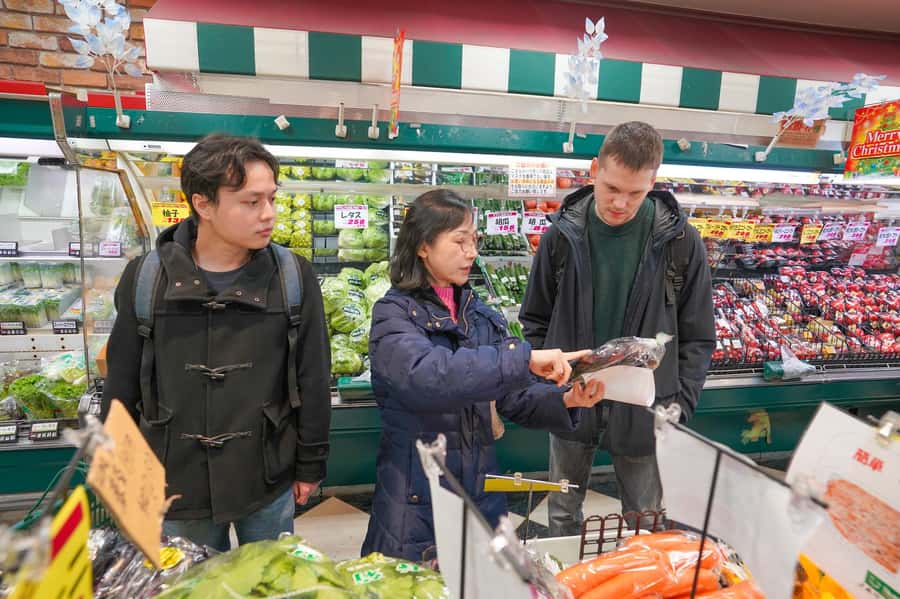
The most praised part of this activity is the instruction. Guides are repeatedly described as friendly, patient, clear, and willing to explain each step. That matters more here than fancy equipment. A cooking class succeeds when you understand what you are doing and feel able to try it again.
The market visit also earns special attention. It adds a local detail that many cooking lessons skip, and it helps connect the recipes to ordinary Japanese shopping. You are not only told which ingredients to use. You see how the ingredients fit into a real food shop.
Families receive especially good support. The class has worked well for adults and children together, with instructors adjusting their pace and making sure everyone can participate. That said, the cooking tasks still require care around knives and heat, so the adult in charge remains responsible for young children.
The meal itself is another strength. You eat what you make, and the sake tasting gives the lunch a social finish. The class feels like a shared meal with instruction attached, rather than a technical lesson followed by a rushed snack.
Practical details that affect your choice
The experience is conducted in English with a live local guide. The group is limited to seven people, though other participants may join your booking. That small size is a good fit if you want to ask questions and handle the food yourself.
Free cancellation is available up to 24 hours before the activity for a full refund. You can also reserve now and pay later, which helps if your Tokyo schedule is still shifting. Those policies do not protect you from missing the start, so the meeting point and timing still deserve careful planning.
Some locations are not accessible to wheelchairs or strollers. The information provided does not promise full step-free access, so contact the operator before booking if mobility access is essential.
Should you book this Tokyo cooking class?
Book it if you want more than a meal and would like practical Japanese recipes, a supermarket visit, and a friendly small-group lesson. It is particularly well suited to beginners, families, and people who enjoy bringing food skills home from a trip.
Think twice if you have a serious allergy, need full wheelchair or stroller access, or prefer a simple restaurant meal without a fixed four-hour schedule. For everyone else, $112 buys a substantial half-day: shopping, instruction, lunch, sake, recipes, tea, and a useful location near Asakusa and Kappabashi. Arrive early, bring water in summer, and expect to leave with a better understanding of Japanese home cooking than a sushi dinner alone can provide.
FAQ
Where does the Tokyo sushi cooking class meet?
Meet in front of the FamilyMart beside the Gindako takoyaki shop and Doutor Coffee near Exit 2 of Iriya Station.
How do I find the correct FamilyMart?
There are two FamilyMart shops at Iriya Station. Choose the one next to the Gindako takoyaki shop and Doutor Coffee.
How long does the activity last?
The experience lasts four hours. Check availability for the available starting times.
What language is the class conducted in?
The class has a live English-speaking guide.
How many people can join the group?
The group is limited to seven participants, although other participants may be included in your session.
What food will I prepare?
The class includes sushi rolls, miso soup, eggplant dengaku, and dashimaki tamago, which is a Japanese rolled egg dish.
Is sake tasting included?
Yes. Four kinds of sake are included and paired with the sushi and Japanese dishes you prepare.
Are food and ingredients included?
Yes. The cooking experience, lunch, ingredients, tea, sake tasting, and photos taken during the activity are included.
Can vegetarians and vegans join?
Yes. Vegan and vegetarian participants are welcome, and the ingredients and cooking process can be arranged for them.
Can children join the class?
Yes. All ages can join, and a kids playroom is available for little ones.
Can the class accommodate allergies?
The operator cannot guarantee an allergy-free experience or every dietary substitution. Food is prepared in kitchens that do not belong to MagicalTrip, so anyone with a serious allergy should check the arrangements before booking.
What happens if I arrive late?
You cannot join the group, reschedule, or receive a refund if you arrive late and miss the start.
Is the activity wheelchair and stroller accessible?
Some parts of the itinerary are not accessible by wheelchair or stroller. Full access is not guaranteed.
What is the cancellation policy?
You can cancel up to 24 hours in advance for a full refund.
Can I pay later?
Yes. You can reserve the activity and pay later, which keeps your plans flexible.
More Sake Tastings in Tokyo
- Sake Tasting Masterclass in Shinjuku (8+ Varieties with a Pro)
★ 5.0 · 271 reviews - Casual Japanese SAKE tasting and snack experience in Kabukicho
★ 5.0 · 159 reviews - Tasting All Types of Sake with Sommelier
★ 5.0 · 151 reviews - Tokyo Wagyu & Sake Pairing Tasting Experience with Local Flavors
★ 5.0 · 108 reviews
Newly added around Tokyo
- Japanese Sake Tasting & Wagyu Sukiyaki Cooking Class in Tokyo★ 5.0 · 10 reviews
- Tokyo Sake Tour with a Local Guide, Private & Tailored to Your Taste★ 4.0 · 12 reviews
- 7 Kinds of Sake Tasting with Complementary Foods★ 5.0 · 11 reviews
- Wagyu Beef & Sake Pairing Foodie Tour in Tokyo★ 5.0 · 16 reviews
- Private Tour: Tokyo’s Oldest Sake Brewery and Riverside Walk★ 5.0 · 25 reviews
- Wagyu & Sake 8 Course Tasting Dinner in Shinjuku★ 4.9 · 20 reviews
- Luxury Tokyo Sake, Cocktail, Whisky and Pairing Tour★ 5.0 · 18 reviews
- 10 kinds Sake Tasting Experience in Tsukiji with local!!★ 5.0 · 19 reviews
Sake Tasting, compared.

3-Hour Kyoto Insider Sake Brewery Tour with Tastings & Pairings
Read our review →
Sake Tasting Masterclass in Shinjuku (8+ Varieties with a Pro)
Read our review →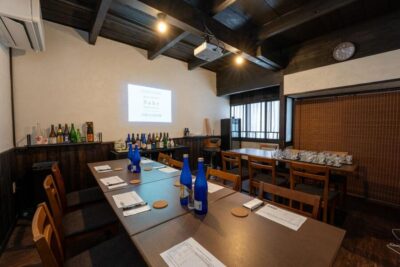
Insider Sake Experience with 7 Tastings and Snacks
Read our review →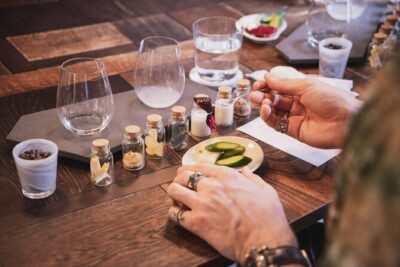
Sake Omakase in Tokyo: Guided Tasting by Certified Sommeliers
Read our review →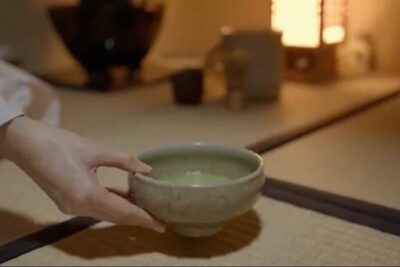
Private Tea Ceremony and Sake Tasting in Kyoto Samurai House
Read our review →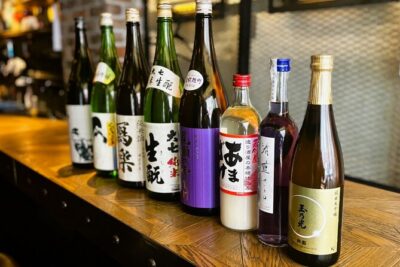
Casual Japanese SAKE tasting and snack experience in Kabukicho
Read our review →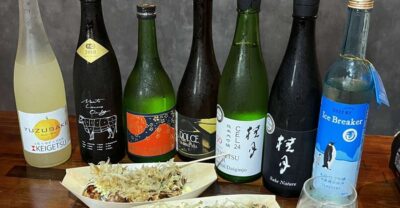
Browse the lists this tour appears in