
Reviewed · SUSHI & SAKE TOURS
Tokyo Sushi Making Class : Sake Ceremony & Matcha Experience
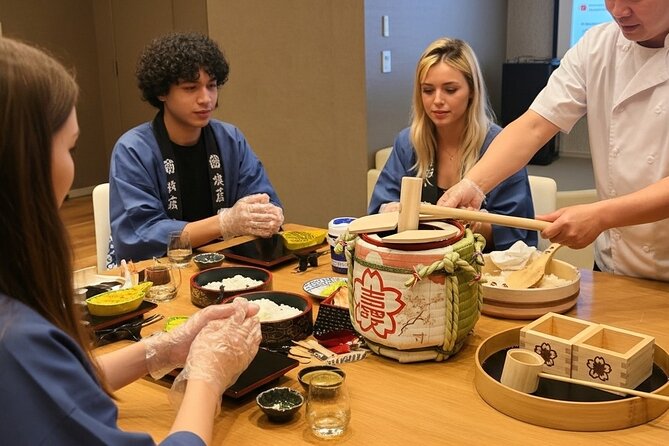
Opening a sake barrel with a cheerful Yoisho! chant is an unusual way to begin a sushi lesson. This Asakusa class mixes hands-on sushi making with a short sake ceremony, a modern torched-salmon recipe, and a quiet matcha finish.
I like the clear cultural rhythm: celebrate first, practice nigiri, then slow down with tea. I also like the price, $45.77, for a 90-minute activity that includes food, instruction, and three distinctly Japanese traditions. The main thing to consider is the short format. You’ll learn the basics, not train as a sushi chef.
Key points at a glance
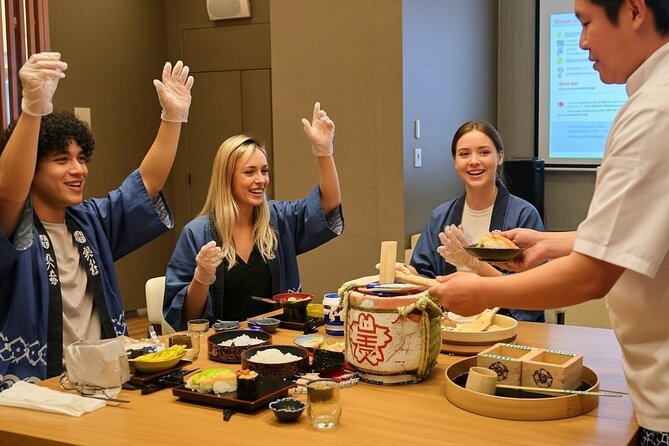
- Sake barrel opening: Join a group kagami-biraki ceremony and chant Yoisho! three times before the lesson begins.
- Beginner-friendly sushi skills: Shape rice, handle toppings, and assemble nigiri with step-by-step guidance.
- Modern Tokyo-style bite: Make torched salmon mayo gunkan with a smoky finish and a Wasshoi! chant.
- Matcha finale: Whisk your own bowl and drink it after the sushi work is done.
- Small enough to follow: The class allows a maximum of 20 people, so the room should feel social without being enormous.
- Easy timing: The activity lasts about 1 hour 30 minutes and starts and ends at 1-chōme-10-16 Hanakawado in Asakusa.
A sushi class with a festive first five minutes
Many cooking classes begin with a quick explanation and a cutting board. This one begins with a sake barrel. Kagami-biraki is a Japanese ceremony associated with new beginnings, and here it gives the group a shared task before anyone reaches for a sushi mat.
You’ll help open the barrel and raise a toast while chanting Yoisho, yoisho, yoisho! The ceremony is made for participation, not quiet observation. If you do not drink alcohol, you can toast with water or warm Japanese tea, so the opening ritual does not depend on sake.
That small detail matters. You can take part fully without drinking, and the group ceremony gives the class a friendly lift from the start. It also makes this more than a basic food workshop. You are learning a little about how food, celebration, and group energy fit together in Japan.
The mood is clearly informal and social. A past booking described the instructor as fun, welcoming, and willing to go beyond the expected, and the experience currently carries a five-star rating from 48 reviews with 100 percent recommendation. That does not tell you every class will feel identical, but it does point to a warm teaching style rather than a stiff demonstration.
More Sushi and Sake Tours in Tokyo:
- Ramen and Sushi Cooking Class with Sake Pairing Set in Tokyo
★ 5.0 · 291 reviews - Sake Omakase in Tokyo: Guided Tasting by Certified Sommeliers
★ 5.0 · 239 reviews - Tokyo: Sushi and Ramen Cooking Class with Sake Pairing Set
★ 5.0 · 81 reviews
Learning nigiri without making it look like a rice brick
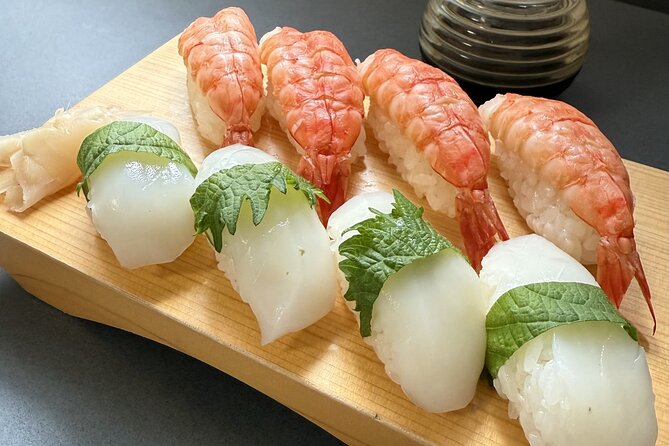
The main lesson focuses on nigiri, the compact sushi style made by placing fish or another topping over hand-shaped rice. Your instructor shows you how much pressure to use, how to shape the rice, and how to place the topping cleanly.
For a beginner, the pressure lesson is the useful part. Sushi rice needs enough firmness to hold together, but too much handling can make it dense. You’ll practice forming a neat base rather than simply piling ingredients onto a mound of rice.
The class also covers topping control and presentation. That sounds simple until you try to make each piece look deliberate. Clean placement is part of the pleasure of sushi, and learning that basic discipline helps you understand why restaurant sushi feels so different from a quick homemade roll.
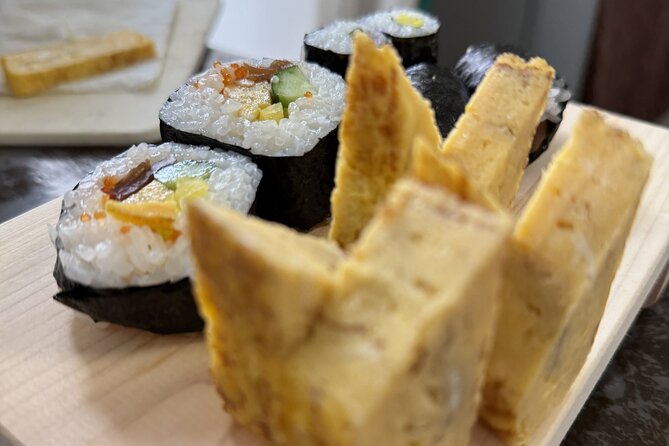
The exact fish and full ingredient list are not specified, so do not book this expecting a particular menu. What is clear is that you’ll make between 6 and 12 pieces in total, including nigiri and rolls. The final number may depend on the class setup and your pace.
This is a good fit if you have never made sushi. The teaching is described as step by step, and the class is designed for beginners. It is also a useful choice for families, couples, and friends who want an activity with a clear result. You leave with food you made yourself, not just a souvenir photo.
The torched salmon mayo gunkan is the playful highlight
After the classic nigiri work, the class shifts to a more modern recipe: torched salmon mayo gunkan. Gunkan sushi has a boat-like shape, with a strip of seaweed holding a topping above the rice. Here, you pile on salmon, add a zigzag of mayonnaise, and finish it with a quick torch.
This is deliberately not presented as strict old-school Edomae sushi. That distinction is useful. If you want only traditional techniques, the torched mayo topping may feel like a detour. If you enjoy the kind of rich, creamy sushi sold at popular contemporary spots, this will probably be the most entertaining part.
The torch adds a smoky note, while the salmon and mayonnaise give the piece a soft, rich texture. You are not only shaping rice now. You are also learning how a topping, sauce, and brief flame treatment change the taste and appearance of one bite.
The group chants Wasshoi! three times at this point, and photos are taken at the best moment. That makes the gunkan section feel like a small performance. You get a practical cooking task, a shared laugh, and a picture that captures the class better than a standard posed shot.
One caution: the supplied details do not explain who handles the torch or how much individual torch time each person receives. If using an open flame is the main reason you are booking, ask the provider for the exact procedure before arrival. The listed experience does confirm a quick torch finish and a photo opportunity.
Matcha brings the pace back down
The class ends with matcha. You will whisk your own bowl and work toward a smooth, foamy drink. After the lively chants and hands-on sushi assembly, this gives the session a calmer final note.
Making matcha is a useful counterpoint to sushi preparation. Sushi asks for control, speed, and neat finger work. Matcha asks you to slow down and repeat a simple whisking motion until the surface becomes light and frothy. The two activities feel different, which keeps a 90-minute class from becoming one long stretch of rice shaping.
The matcha portion also gives you another Japanese skill to try at home. You may not reproduce a formal tea ceremony, and the experience is not described as one. Instead, you learn the basic act of whisking and enjoy the bowl you make.
I like this ending because it avoids rushing you straight from the final sushi piece to the exit. You get a natural pause, and the food portion has a clear finish. If you are booking for a child or someone who does not drink alcohol, the matcha also helps make the whole activity feel inclusive.
More Cooking Classes with Sake in Tokyo:
- Tokyo: Sushi Cooking Class with Sake Tasting
★ 4.8 · 55 reviews - Japanese Sake Tasting & Wagyu Sukiyaki Cooking Class in Tokyo
★ 5.0 · 10 reviews - Osaka Sake Tasting with Takoyaki Cooking
★ 5.0 · 156 reviews - Osaka Sake Tasting & Takoyaki Cooking Experience
★ 5.0 · 149 reviews
What the 90-minute schedule really gives you
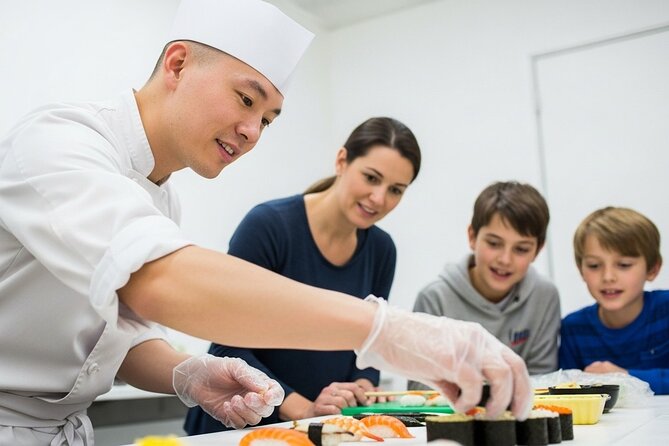
An hour and a half is long enough for a taste of several traditions, but not long enough for an in-depth culinary course. The schedule has to move at a steady pace:
- The group opens the sake barrel and shares the toast.
- The instructor demonstrates sushi fundamentals.
- You make nigiri and rolls.
- You prepare the torched salmon mayo gunkan.
- You chant, take photos, and finish with whisked matcha.
That is a lot for one session. The benefit is variety. You are unlikely to get bored, and each stage feels different. The tradeoff is that you should not expect long pauses for detailed questions or repeated practice of every technique.
If you want a polished souvenir meal and an introduction to several Japanese customs, the timing works well. If your main goal is mastering knife skills, fish preparation, or advanced sushi presentation, choose a longer specialist class instead. This experience teaches assembly and handling, not the full work of a professional sushi counter.
Asakusa setting and meeting point
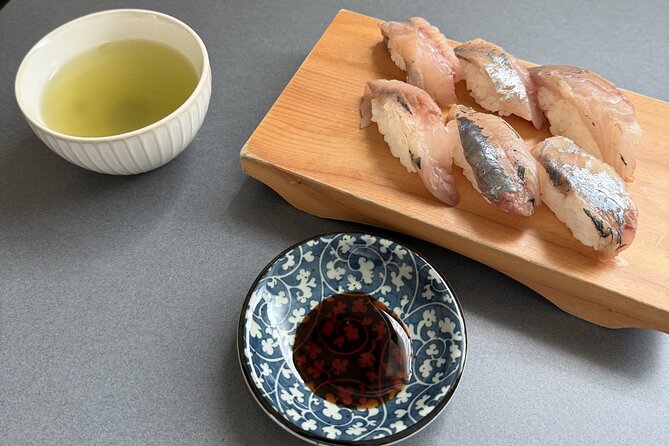
The class takes place at Sushi Meets Matcha, at 1-chōme-10-16 Hanakawado, Taito City, Tokyo 111-0033. The meeting point is also the end point, which keeps the logistics simple.
The location is in Asakusa, an area many people already visit for Tokyo sightseeing. That makes the class easy to pair with other plans in the same part of the city. The activity is near public transportation, though the supplied information does not name a particular station or give walking directions. Use the full street address when planning your route.
Starting and ending at one place matters more than it might seem. You do not need to keep track of a second meeting point after eating, drinking, and making matcha. You can continue sightseeing nearby or return to your accommodation from the same area.
The maximum group size is 20 people. That is not a private lesson, and the room may feel lively when everyone is chanting and assembling sushi. At the same time, 20 is small enough for a structured class rather than a large food-production session. The quality of the experience will depend partly on how much individual help the instructor can give during busy moments.
Is $45.77 a fair price?
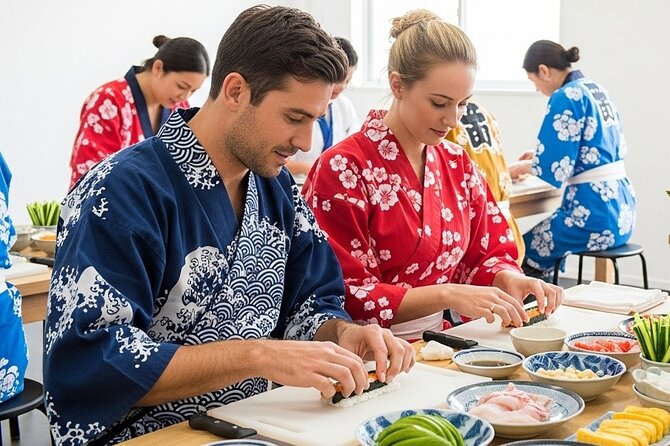
At $45.77 per person, this is a solid value for a short cultural activity. You are getting instruction, ingredients, a meal-sized tasting of 6 to 12 sushi pieces, a sake ceremony, the torched gunkan activity, matcha preparation, and photos at a key moment.
The value is strongest if you would otherwise pay separately for a sushi meal and a cultural workshop. You are not just sitting at a counter eating prepared sushi. You are learning enough technique to shape the rice and assemble the pieces yourself, then adding two memorable group rituals.
Still, keep the scope in mind. The price does not buy a full meal with a long menu, a professional chef certification, or an advanced lesson. The information does not specify the exact fish, drink quantity, or ingredient list, so guests with particular food expectations should ask before booking.
For a first introduction to sushi making, the combination is well judged. You get food, activity, and cultural context in one compact session, which is especially useful during a short Tokyo stay.
Who will get the most from this class?
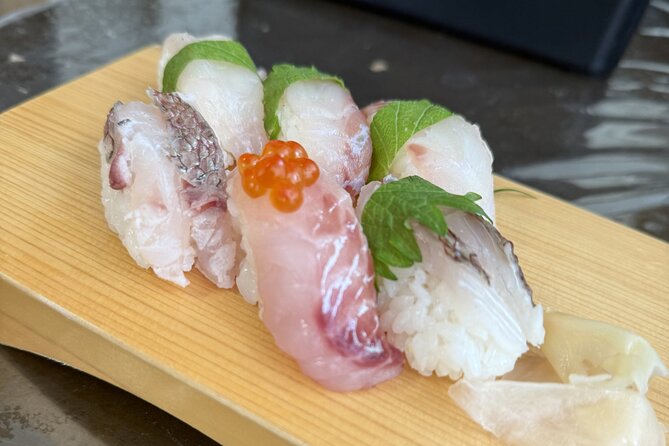
I would recommend it most strongly to first-time sushi makers who want an activity with a social edge. The chants and shared barrel opening make it more animated than a quiet cooking lesson, while the matcha section adds a little calm.
It also suits:
- Couples looking for a shared activity rather than another restaurant meal
- Families who want a short, structured class
- Friends who enjoy taking photos and trying modern food
- Visitors staying near Asakusa
- People who want to try sake culture without being required to drink alcohol
- Anyone curious about both traditional and contemporary Japanese food
You may want a different experience if you prefer a private lesson, a long chef-led course, or a highly traditional tea ceremony. The modern salmon mayo gunkan is fun, but it is not pure Edomae sushi. The group size and short duration also mean the lesson will be introductory.
Booking details worth noting
Confirmation is provided when you book, and the activity uses a mobile ticket. The experience has free cancellation if you cancel at least 24 hours before the local start time.
Cancellations made less than 24 hours before the start are not refunded, and changes inside that window are not accepted. That rule is worth remembering in Tokyo, where a delayed train or a packed sightseeing day can alter your plans quickly. The class ends at the same address where it begins, and the activity is listed as lasting about 90 minutes.
Should you book it?
Book this class if you want a friendly, practical introduction to sushi with more personality than a standard cooking lesson. The sake barrel opening, Wasshoi! chant, torch-finished salmon, and self-whisked matcha give the hour and a half a clear shape and plenty of memorable moments.
At $45.77, it offers good value for a beginner who wants to make food, learn a few techniques, and take part in Japanese customs. Just keep your expectations realistic: you will sample several skills rather than become a sushi master. If that sounds like the right level, this is an easy activity to add to an Asakusa day.
FAQ
Where does the sushi and matcha experience take place?
It takes place at Sushi Meets Matcha, 1-chōme-10-16 Hanakawado, Taito City, Tokyo 111-0033, Japan.
How long does the activity last?
The experience lasts approximately 1 hour 30 minutes.
Where does the activity end?
It ends back at the meeting point in Asakusa.
How many people can join the class?
The activity has a maximum group size of 20 people.
Do I have to drink alcohol?
No. The sake toast can be replaced with water or warm Japanese tea.
How much sushi will I make?
You will make approximately 6 to 12 pieces, including nigiri and rolls.
Can I cancel for a full refund?
Yes. You can cancel for a full refund if you cancel at least 24 hours before the experience start time.
Newly added around Tokyo
- 7 Kinds of Sake Tasting with Complementary Foods★ 5.0 · 11 reviews
- Japanese Sake Tasting & Wagyu Sukiyaki Cooking Class in Tokyo★ 5.0 · 10 reviews
- Tokyo Sake Tour with a Local Guide, Private & Tailored to Your Taste★ 4.0 · 12 reviews
- Wagyu Beef & Sake Pairing Foodie Tour in Tokyo★ 5.0 · 16 reviews
- Wagyu & Sake 8 Course Tasting Dinner in Shinjuku★ 4.9 · 20 reviews
- Luxury Tokyo Sake, Cocktail, Whisky and Pairing Tour★ 5.0 · 18 reviews
- 10 kinds Sake Tasting Experience in Tsukiji with local!!★ 5.0 · 19 reviews
- Sake & Food Pairing with Sake Professional★ 5.0 · 28 reviews
Sushi & Sake Tours, compared.
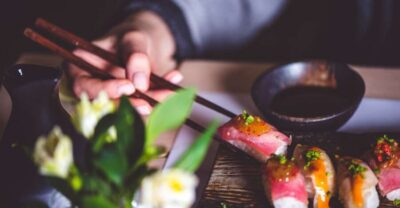
Düsseldorf: Sushi, Sake & Japanese Lifestyle Tour
Read our review →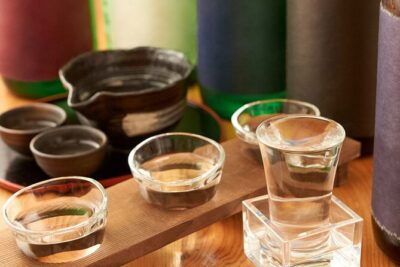
Ramen and Sushi Cooking Class with Sake Pairing Set in Tokyo
Read our review →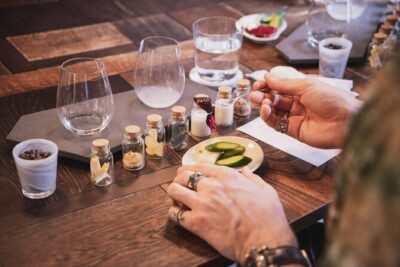
Sake Omakase in Tokyo: Guided Tasting by Certified Sommeliers
Read our review →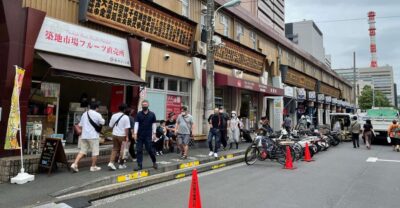
Outer Market Walking Tour & Sake Tasting Experience
Read our review →
Cozy Tokyo Class: Ramen, Sushi, Sake Pairing & Cultural Exchange
Read our review →
Tsukiji Market Eating Tour, Authentic Sushi & Sake Comparison
Read our review →Browse the lists this tour appears in