
Reviewed · SAKE TASTING
Tsukiji: Unlimited Sake Tasting Experience
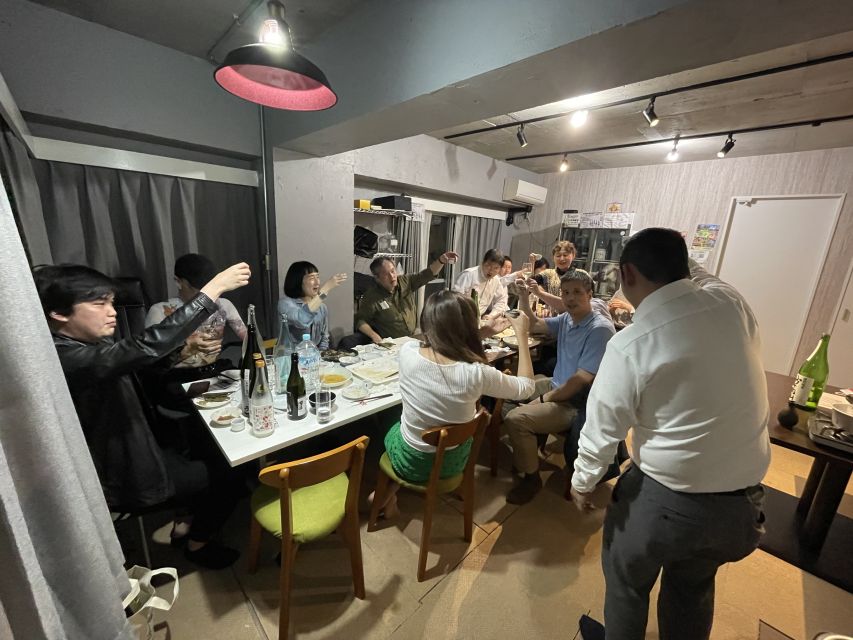
A private Tsukiji salon turns sake tasting into a friendly lesson rather than a quick drink at a bar. You can work through 50 to 60 kinds of sake, compare sweet, gentle, bitter, and full-bodied styles, and ask questions as you go. Hosts such as Mako, Yuki, and Kyoko have led sessions, though your sommelier will depend on the date.
I like the chance to taste sake at different temperatures, since the same drink can change noticeably when served cold or warm. I also like the small-group feel, plus the useful pairing snacks: cheese, rice crackers, and other simple bites. The main point to watch is the timing: the activity is advertised as 90 minutes, while the detailed description refers to two hours, so confirm the exact session length when you book.
Key points to know before you book
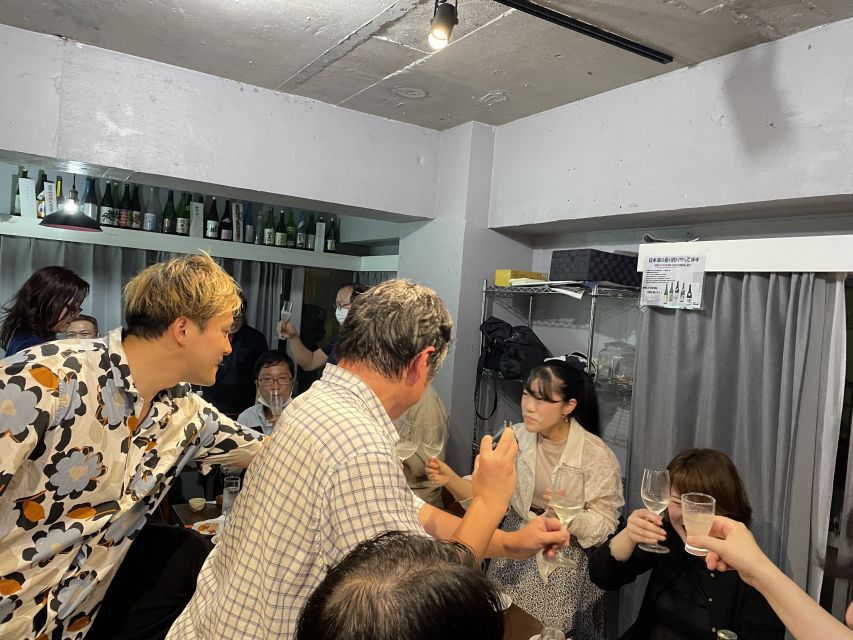
- A large tasting selection: Around 50 to 60 bottles may be available, though individual sessions often taste about 20 to 30 kinds.
- A real lesson, not just a bar stop: Your English-speaking sommelier explains brewing, breweries, sake styles, and Japanese drinking traditions.
- Temperature changes matter: You can try sake chilled and warm to see how aroma, sweetness, and texture shift.
- Private Tsukiji setting: The salon is at Sake Lovers Inc., in a red brick building on the fourth floor.
- Small snacks are included: Cheese, rice crackers, and similar bites help you notice how food changes the taste.
- Plan your alcohol intake: The tasting is generous, so pace yourself, drink water, and eat beforehand.
What the Tsukiji sake session is really like
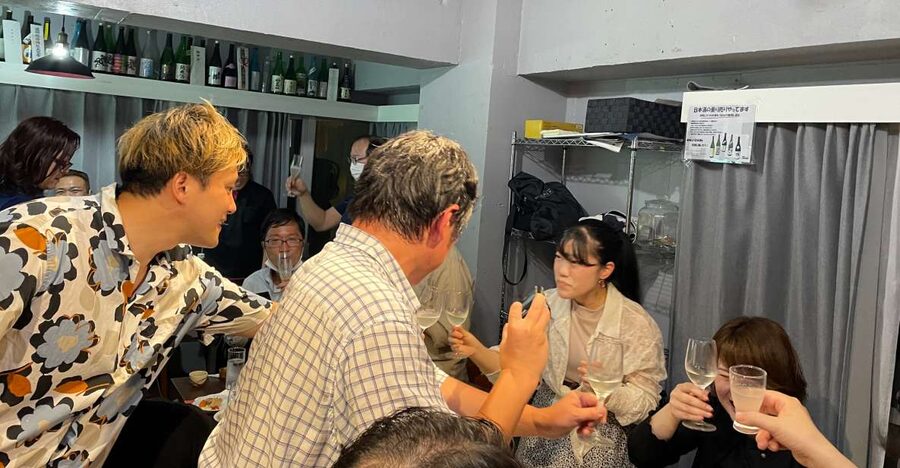
This is a focused tasting for people who want to understand sake while enjoying it. You are not simply handed one glass and told to pick a favorite. The sommelier introduces each bottle, explains something about its brewery or style, and then gives you a chance to taste and compare.
The selection comes from breweries around Japan, so the lesson moves beyond the limited sake choices often found in a restaurant or convenience store. You might find delicate and lightly sweet bottles beside stronger, drier, or more deeply flavored examples. The point is not to decide that one type is the best. It is to notice what you enjoy.
Past sessions have included roughly 20 different sakes, while some have reached 30. With 50 to 60 types available at the salon, the exact lineup depends on the session and how the tasting is organized. That is a useful distinction: the number on offer is larger than the number you are likely to drink in one sitting.
The hosts adjust the explanation to the group. If you know nothing about sake, you can start with the basics. If you already order sake in Japan, you can ask more pointed questions about breweries, flavor, and serving temperature.
More Sushi and Sake Tours in Tokyo:
- Ramen and Sushi Cooking Class with Sake Pairing Set in Tokyo
★ 5.0 · 291 reviews - Sake Omakase in Tokyo: Guided Tasting by Certified Sommeliers
★ 5.0 · 239 reviews - Tsukiji: Outer Market Walking Tour & Sake Tasting Experience
★ 4.9 · 81 reviews
Finding Sake Lovers Inc. in Tsukiji
The meeting point is Sake Lovers Inc., written in Japanese as サケ・ラバーズ株式会社. Look for the red brick building, enter the elevator, and go to the fourth floor. The salon is the first door on the left, marked number 405.
This is not a large public tasting hall. It is a private salon, which helps explain why the experience can feel personal even when several people attend. Some sessions have had only one or three participants. If your group is small, you may get a lesson shaped closely around your own questions and preferences.
The location also works well with a Tsukiji visit. You can build the tasting into a day in the area, but the sake session itself is the main event. Do not expect a guided market walk or a full meal. Hotel pickup and drop-off are not included, and the experience begins at the salon.
The opening lesson: how sake is made
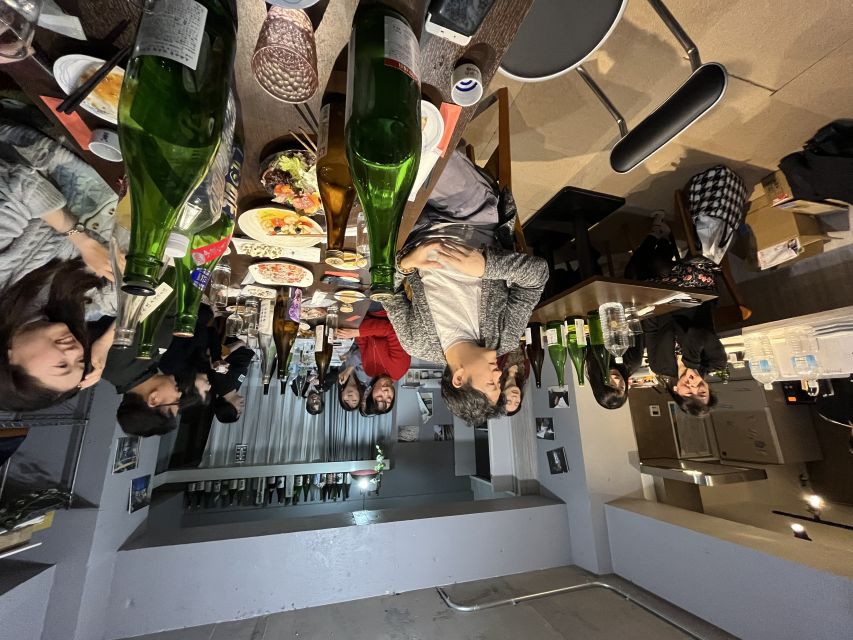
The first part of the session covers the basics of sake and its place in Japan. Your host explains the brewing process and gives you enough background to understand why bottles taste different.
Sake is not a single flavor category. The style can shift with the rice, brewing method, polishing, yeast, water, and decisions made at the brewery. You do not need technical training to follow the lesson. The useful part is that the information arrives alongside samples, so you can connect an explanation to an actual taste.
This is where an experienced host makes a difference. Mako has led sessions described as friendly and clear, while Yuki has hosted small groups in a way that felt close to a private lesson. Kyoko has also guided progressive tastings, moving from one style to the next so your palate can compare them in order.
Names and hosts can change, but the format stays practical. You learn a point, taste a sake, and then decide what you notice. That makes the information easier to remember than a long talk before any glasses appear.
Comparing 20 to 30 pours from Japan
The heart of the session is the tasting itself. You receive a series of small pours and can sample different sake from several breweries. The range may move from sweet and soft to bitter, dry, or more powerful. Some bottles may be familiar styles, while others may be harder to find in an ordinary Tokyo bar.
I like this format because it corrects a common first impression: that sake is always one smooth, slightly sweet drink. It is not. A person who has only tried a basic bottle at a restaurant may find a completely different character in a premium or less common style.
You do not have to pretend to like every sample. A good tasting gives you room to identify your preferences. Perhaps you like lighter sake with clean flavors. Perhaps you prefer something fuller and more forceful. The sommelier can explain the differences and help you put words to what you are tasting.
The number of pours requires some restraint. Unlimited tasting sounds generous, and it is, but 20 or more samples can add up quickly. Take the water offered between tastings and do not rush to finish every pour. You will learn more, and enjoy the last part of the session more, if you treat it as a guided tasting rather than a drinking contest.
More Sake Tastings in Tokyo:
- Sake Tasting Masterclass in Shinjuku (8+ Varieties with a Pro)
★ 5.0 · 271 reviews - Casual Japanese SAKE tasting and snack experience in Kabukicho
★ 5.0 · 159 reviews - Tasting All Types of Sake with Sommelier
★ 5.0 · 151 reviews - Tokyo Wagyu & Sake Pairing Tasting Experience with Local Flavors
★ 5.0 · 108 reviews
Why temperature changes the experience
One of the best parts is trying sake at different temperatures. You may taste the same beverage chilled and warmed, then compare the effect.
Temperature can bring out different aspects of a drink. A cooler pour may feel crisp or restrained, while warmth can make certain aromas and flavors more noticeable. The purpose here is not to memorize a rule that all sake should be served one way. It is to show you that serving temperature is part of the experience.
This is especially useful when ordering in Japan. Instead of asking only for sake, you can start thinking about the style you want and how it might be served. You may also discover that a bottle you did not enjoy cold works better warm, or that a delicate one loses what you liked when heated.
The tasting gives you a safe place to test those differences. You can ask why a particular sake suits one temperature better and then decide for yourself.
Cheese, rice crackers, and the role of food
Small snacks are available during the session, including cheese, rice crackers, and similar bites. Food is not the main feature, and a full meal is not included, but these snacks serve a practical purpose.
A bite of cheese may make a sake seem rounder or softer. A rice cracker can give you a simple, salty contrast. Small food pairings also give your palate a break between pours. They help you notice that your impression of a drink changes depending on what you eat with it.
You should still have a proper meal before or after the tasting if you need one. The experience is designed around sake, not lunch or dinner. That matters when planning your day in Tsukiji. The snacks are helpful, but they should not be treated as a substitute for food.
If you are interested in pairing sake with a larger meal, ask about current offerings when you book. One session has been described as a sake and food pairing option when availability allows, but it is not part of the standard package described here.
The small-group advantage
The salon format is one of the strongest reasons to choose this activity. A large commercial tasting can give you many choices but little personal attention. Here, the host can respond to your questions and adjust the level of detail.
A very small group may feel almost like a private class. That is particularly useful if you are new to sake and do not want to ask basic questions in front of a crowd. It also helps if you already know a little and want to discuss specific flavors or breweries.
The tradeoff is that the atmosphere depends on who attends your session. You may meet people from several countries, or you may find yourself in a very small group. Either can work well, but you should not book this expecting a lively party. The mood is friendly and social, yet the focus remains on tasting and learning.
How much value do you get for $54?
At $54 per person, the price is reasonable if you make active use of the format. You are paying for entry to the private salon, an English-language sake lesson, and unlimited sake tasting. The wide selection is the main value, especially if you would otherwise need several restaurant visits to sample such a range.
The price makes less sense if you want only one or two drinks, or if you are not interested in learning what separates one style from another. This is not a casual stop for a single glass. The experience is built for comparison.
Food is not included beyond the small tasting snacks, and hotel transportation is not included. Keep those limits in mind when comparing it with a sake bar or a tasting menu. You may also want to leave room in your budget for bottles elsewhere, since the salon may not have every favorite bottle available for purchase.
One useful benefit is that you can reserve now and pay later, which helps if your Tokyo schedule is still changing. Free cancellation is available up to 24 hours in advance for a full refund.
Who should book this experience?
I would choose this for anyone curious about sake, especially if you have tried only a few basic bottles and want a clearer sense of the subject. It also suits couples, friends, and solo visitors who enjoy small-group classes and guided tastings.
It is a good match for:
- First-time sake drinkers who want a simple introduction
- People who already enjoy sake and want to find less familiar bottles
- Visitors who want an indoor Tsukiji activity
- Anyone planning to order sake more confidently at Japanese restaurants
- Small groups looking for a relaxed, personal session
It is less suitable if you want a full meal, a market tour, or a broad sightseeing program. You should also skip an alcohol tasting if you are pregnant. Wheelchair users should note that the activity is listed as unsuitable for them.
Families can attend, but children will not be served alcohol. If you bring children, you need to provide their nonalcoholic drinks. For many families, that makes the session less practical than a food-focused Tsukiji activity.
Practical advice for enjoying the tasting
Eat something beforehand, but do not arrive overly full. The snacks help, yet the main content is alcohol, and the unlimited format can catch you off guard.
Start slowly. You do not need to taste every available bottle to get value from the session. Pay attention to the bottles that interest you, and use the sommelier as a guide rather than trying to keep pace with the group.
Bring your questions. Ask about sweetness, brewing, serving temperature, or the brewery behind a bottle. The hosts are there to explain, and the smaller setting makes questions part of the experience.
If you find a bottle you love, write down its name or take a photo if permitted. Some people have wanted to buy particular bottles afterward but could not find those exact ones at the time. The salon may have some bottles for sale, but you should not assume every sample will be available for purchase.
Finally, check the duration before booking. The headline information gives 90 minutes, while the detailed activity description says two hours of unlimited tasting. The difference is not huge, but it affects how you plan Tsukiji, lunch, and your next stop.
FAQ
Where does the sake tasting take place?
It takes place at Sake Lovers Inc., サケ・ラバーズ株式会社, in a red brick building in Tsukiji. Take the elevator to the fourth floor and go to the first door on the left, number 405.
How many kinds of sake can I try?
The salon has around 50 to 60 different kinds available. A session may taste about 20 to 30 of them, depending on the group and the tasting flow.
Is the tasting conducted in English?
Yes. The activity includes an English-speaking host or greeter, and the listed language is English.
Is food included?
A few tasting snacks, such as cheese and rice crackers, are available to help with pairings. A full meal is not included.
Can children attend?
The experience is family-friendly, but children will not be served alcohol. You need to bring nonalcoholic drinks for children.
How far in advance can I cancel?
You can cancel up to 24 hours before the activity for a full refund. You can also reserve now and pay later.
Should you book the Tsukiji sake tasting?
Book it if you want more than a drink and would enjoy learning how sake differs from bottle to bottle. The private salon, broad selection, temperature comparisons, and small-group teaching give you useful skills you can carry into the rest of your Japan trip.
Skip it if you want a substantial meal, a market tour, or a short tasting with only a couple of pours. For everyone else, $54 buys a generous and focused introduction to Japanese sake, with enough variety to help you find what you actually like.
Newly added around Tokyo
- 7 Kinds of Sake Tasting with Complementary Foods★ 5.0 · 11 reviews
- Japanese Sake Tasting & Wagyu Sukiyaki Cooking Class in Tokyo★ 5.0 · 10 reviews
- Tokyo Sake Tour with a Local Guide, Private & Tailored to Your Taste★ 4.0 · 12 reviews
- Wagyu Beef & Sake Pairing Foodie Tour in Tokyo★ 5.0 · 16 reviews
- Private Tour: Tokyo’s Oldest Sake Brewery and Riverside Walk★ 5.0 · 25 reviews
- Wagyu & Sake 8 Course Tasting Dinner in Shinjuku★ 4.9 · 20 reviews
- Luxury Tokyo Sake, Cocktail, Whisky and Pairing Tour★ 5.0 · 18 reviews
- 10 kinds Sake Tasting Experience in Tsukiji with local!!★ 5.0 · 19 reviews
Sake Tasting, compared.

3-Hour Kyoto Insider Sake Brewery Tour with Tastings & Pairings
Read our review →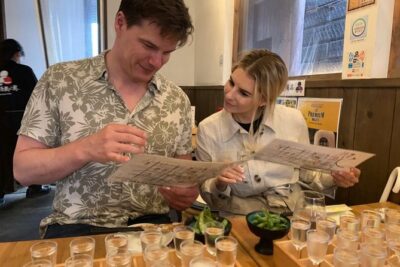
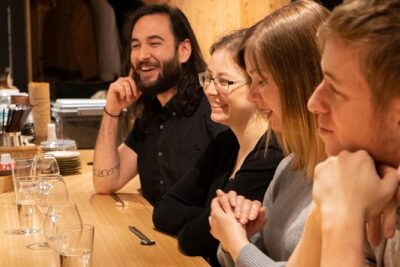
Sake Tasting Masterclass in Shinjuku (8+ Varieties with a Pro)
Read our review →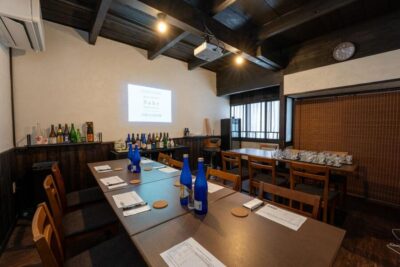
Insider Sake Experience with 7 Tastings and Snacks
Read our review →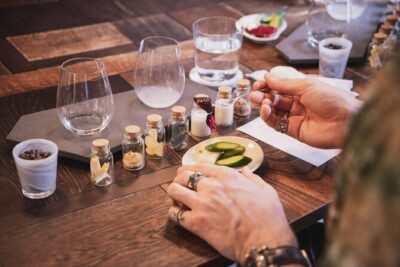
Sake Omakase in Tokyo: Guided Tasting by Certified Sommeliers
Read our review →
Private Tea Ceremony and Sake Tasting in Kyoto Samurai House
Read our review →
Casual Japanese SAKE tasting and snack experience in Kabukicho
Read our review →
Browse the lists this tour appears in