
Reviewed · SAKE TASTING
7 Kinds of Sake Tasting with Complementary Foods
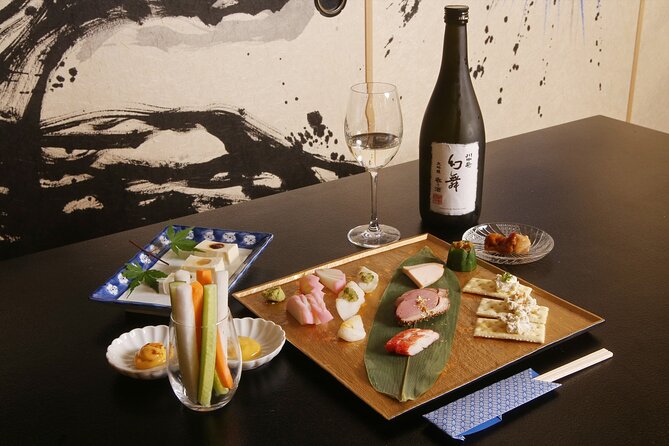
Seven sakes, seven food pairings, and a certified sake instructor make this a smart introduction to a drink that can seem confusing at first. I like the wide range of styles, from sparkling sake to sweet dessert-friendly pours, and I like that the food is substantial enough to work as a light dinner rather than a few lonely crackers. The clear explanations of production and regional differences give you useful tools for the rest of your Japan trip.
The setting is practical rather than romantic: you meet in the basement of an office building across from Tokyo Tower. The price, $107.50 per person, is not low, especially if you already know sake, and the session lasts only about 75 minutes. Still, the teaching, seven pours, and seven pairings make the cost reasonable for a first serious taste of Japanese sake.
Key points to know before booking
- Seven styles in 75 minutes: Taste a selected range that can include sparkling, sweet, and dessert-pairing sakes.
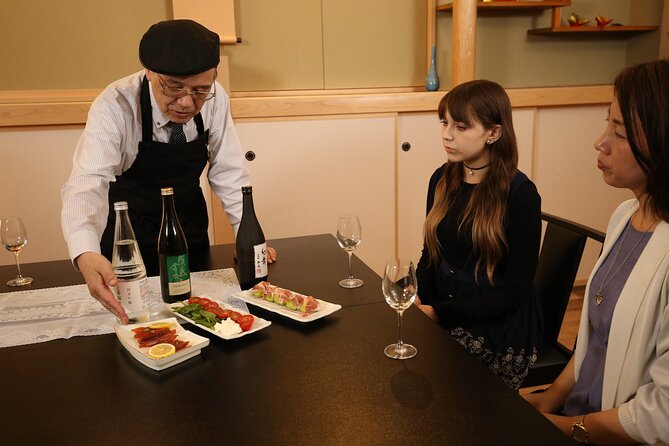
- Food is part of the lesson: Each pour comes with a complementary Japanese or Western dish, with enough food to serve as a light supper.
- Micki may lead the class: Her warm, personal teaching style has been singled out as a major strength.
- Tokyo Tower is your landmark: The meeting point is in Kikai Shinko Kaikan, across from Tokyo Tower and near public transportation.
- A useful first step: The class suits beginners who want to learn what they like before ordering sake elsewhere in Japan.
- Flexible cancellation: You can cancel for a full refund up to 24 hours before the start time.
Seven sakes, seven ways to understand the drink
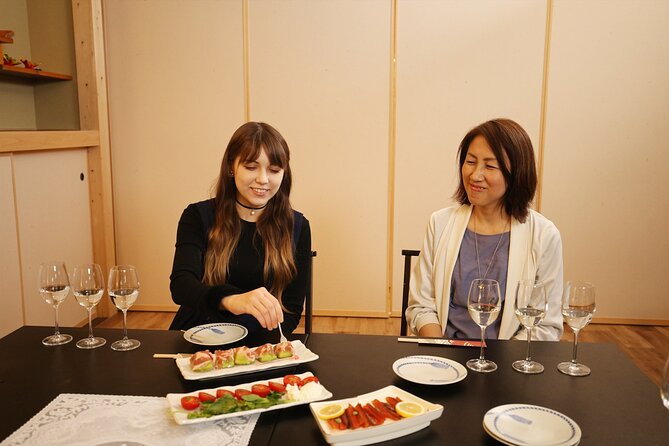
The useful idea here is simple: you do not taste seven similar bottles and try to guess the difference. The session presents seven types from seven regions of Japan, giving you a broad first look at how sake can vary.
You might begin with a lighter or sparkling style, then move through sweeter and more structured examples. The exact selection is specially chosen rather than promised as a fixed bottle list, so you should expect the range to change. That is sensible for a tasting class, since the point is to understand categories and flavor differences, not chase one particular label.
For a beginner, this order matters. Sake is often described with terms that feel technical until you have several glasses in front of you. Tasting side by side lets you compare sweetness, aroma, weight, and finish while the instructor explains what you are noticing.
I would not treat this as a class for certified sake experts. It is designed as an introduction to Japanese sake culture, production, cultivation, and varieties. If you already have strong knowledge of sake, you may find the basics familiar. You will still get a useful chance to try seven different styles in one sitting, but the teaching is aimed mainly at curious newcomers.
More Sake Tastings in Tokyo:
- Sake Tasting Masterclass in Shinjuku (8+ Varieties with a Pro)
★ 5.0 · 271 reviews - Sake Omakase in Tokyo: Guided Tasting by Certified Sommeliers
★ 5.0 · 239 reviews - Casual Japanese SAKE tasting and snack experience in Kabukicho
★ 5.0 · 159 reviews
What the food pairings add to the lesson
Each sake comes with a complementary dish, for seven pairings in all. The food includes Japanese and Western dishes, and the selections can reach beyond standard snack fare. One session included food substantial enough to count as supper, while another featured dishes prepared on the spot for the pairing.
That changes the experience from a simple drink flight into a practical meal lesson. You learn that the best sake is not always the one you prefer on its own. A sweeter pour might work better with a dessert, while another style may suit a savory dish. The instructor explains these links as you eat, so the advice has a real purpose.
The dessert pairing is especially useful. Many first-time sake drinkers think only about sushi, grilled food, or small savory plates. Showing how sake can work with sweets broadens your sense of the drink and gives you a tip you can use when reading a restaurant menu.
The food is not described as an unlimited meal, and extra food or drinks are not included. Go in expecting seven tasting portions rather than a full restaurant dinner. Still, the included dishes appear to be generous enough that you may not need to arrange a separate dinner immediately afterward.
How the production lesson helps beginners
The instructor explains how sake is made, along with its history and cultivation. You will hear the basic story behind the drink before tasting the different varieties, which gives the glasses more meaning.
That background is valuable because sake is not simply a Japanese version of wine. Its production methods, rice, water, fermentation, and regional character all affect the final drink. You do not need to memorize every technical term, but learning the broad process helps you understand why two bottles can taste so different.
The class also gives you a way to describe your own preferences. By the end, you should have a better sense of whether you lean toward dry or sweet, light or full, sparkling or still styles. That can make later restaurant orders less of a gamble.
The teaching appears to be conversational rather than stiff. Questions are welcomed, and the hosts focus on keeping the group involved. Micki, one of the instructors mentioned by name, has been praised for matching the food carefully to each sake and explaining the choices in a friendly way. The tone is closer to a relaxed lesson with a host than a formal lecture.
Meeting across from Tokyo Tower
The meeting point is Kikai Shinko Kaikan, at 3-chome-5-8 Shibakoen in Minato City. The building is across from Tokyo Tower, near public transportation, and the activity both begins and ends there.
The location may surprise you. This is not a polished sake bar or a traditional wooden shop. It takes place in the basement of an office building, which can feel plain when compared with Tokyo’s more atmospheric dining venues. That is the main setting drawback, but the Tokyo Tower landmark should make the area easier to identify.
The start time is 6:15 pm, a useful hour for fitting the class into an evening in Tokyo. You can visit another part of the city earlier, then head toward Shibakoen for the tasting. Since the activity lasts about 75 minutes, it ends around 7:30 pm, leaving time for a later dinner or an evening walk.
The experience has a maximum of 100 participants. That is a fairly large possible capacity, so do not assume every session will be a tiny private class. Some bookings may be much smaller, and one described session had only two people, while another group included eight friends. The atmosphere may therefore range from personal and intimate to more group-oriented depending on the date.
More Sake Tours in Tokyo:
- Ramen and Sushi Cooking Class with Sake Pairing Set in Tokyo
★ 5.0 · 291 reviews - Tasting All Types of Sake with Sommelier
★ 5.0 · 151 reviews - Wagyu & Sake Pairing in Shinjuku – Steak, Shabu-Shabu & More
★ 5.0 · 112 reviews - Tokyo Wagyu & Sake Pairing Tasting Experience with Local Flavors
★ 5.0 · 108 reviews
A class led by a certified sake instructor
The biggest reason to book this instead of simply ordering sake at a bar is the instruction. A nationally accredited sake instructor leads the session, and the format gives you a chance to ask questions while tasting.
A good instructor can help you notice details you might otherwise miss. Rather than telling you that one sake is simply better than another, the guide can explain how its style works with food and why the flavors differ. That makes the experience useful after you leave.
The hosts have also been praised for their warmth and care. The class can feel personal even when the subject is technical, with a relaxed atmosphere that some people compared to learning from family. That homespun quality may appeal to you if you prefer a friendly guide to a formal presentation.
Do keep the word certified in perspective. It signals training and a structured lesson, but it does not mean the class will be aimed at professionals. The session is introductory, clear, and accessible to most people. You do not need previous sake experience to participate.
Is $107.50 a fair price?
At $107.50 per person, this is a special-interest activity rather than a casual add-on. The price covers seven kinds of sake, seven food pairings, instruction from a nationally accredited instructor, and a 75-minute session.
The value improves if you count the included dishes as a light meal. Buying seven separate sake pours and matching food in Tokyo could quickly become expensive, especially if you would also need to pay for guidance. You are paying for the explanation and pairing practice as much as for the alcohol.
The price is harder to justify if you only want to drink sake and do not care about the lesson. In that case, a bar or restaurant may give you more freedom and perhaps a longer evening. You also pay for a set tasting rather than choosing every bottle yourself.
I see the strongest value for a first-time drinker, a couple who wants a shared activity, or a small group looking for a structured evening. It is also useful for someone who enjoys food pairing and wants to learn how to order more confidently during the rest of a Japan trip.
Group discounts are available, which may improve the cost for larger bookings. Extra food and beverages are not included, so budget separately if you expect to want more after the seven pairings.
What to expect from the 75-minute schedule
The short format keeps the class focused. You arrive for the 6:15 pm start, settle in at the meeting point, and begin with an introduction to sake’s history and production.
The tasting then moves through seven pours, with food served alongside them. The instructor explains each sake’s character and why the accompanying dish works. Since the class includes Japanese and Western food, you are not limited to one narrow idea of what sake can accompany.
The session finishes back at the same meeting point. There is no separate transfer or second location to find, which makes the evening easy to manage.
Seventy-five minutes is enough for a guided introduction, but it is not a leisurely multi-hour tasting. If you want long conversations over each pour, you may find the pace brisk. On the other hand, the compact schedule works well when your Tokyo itinerary is full.
Who will enjoy this most?
I would choose this for you if you are new to sake, unsure how to read a sake menu, or interested in the connection between Japanese food and drink. It is also a good fit for couples and small groups who want an activity with more substance than a standard bar stop.
Food-focused visitors will get particular value from the pairings. The class explains not just what you are drinking, but how to match it with savory dishes and desserts. That practical angle gives you something to use in restaurants afterward.
You should think twice if you dislike scheduled tastings, want to choose your own bottles, or already have a strong command of sake styles. The setting is functional, not scenic, and the price is high for anyone seeking only a drink.
Most people can participate, and the provider asks you to share dietary requirements in advance. That is important because food is central to the class. The information does not specify every possible substitution, so contact the provider before booking if your diet is restricted.
Booking, timing, and cancellation
Confirmation arrives within 48 hours of booking, subject to availability. The experience is often booked about 24 days ahead, so planning early is sensible if you have fixed Tokyo dates.
You receive a mobile ticket, and group discounts are available. The activity has a maximum capacity of 100 people, though the actual size can vary by date.
Free cancellation applies when you cancel at least 24 hours before the local start time. A cancellation inside that window is not refunded, and last-minute changes are not accepted. Keep the 6:15 pm start in mind when planning your day, especially if you are coming from another part of Tokyo.
Should you book this sake tasting?
Book it if you want a clear, friendly introduction to sake, with enough food to make the evening feel worthwhile. The seven styles, regional range, production lesson, and dessert pairing give you more than a quick sample flight.
I would especially recommend it for first-time sake drinkers and food lovers who want to understand what they are tasting. The basement office setting and relatively high price are real drawbacks, but the certified instruction and included pairings help balance them.
Skip it if you already know your sake preferences or want a stylish bar experience. For everyone else, this is a practical way to get your bearings fast, learn what you like, and begin ordering sake with more confidence.
FAQ
Where does the sake tasting take place?
The meeting point is Kikai Shinko Kaikan, 3-chome-5-8 Shibakoen, Minato City, Tokyo 105-0011, Japan. It is across from Tokyo Tower and near public transportation.
What time does the activity start?
The tasting starts at 6:15 pm.
How long does the experience last?
The session lasts approximately 1 hour and 15 minutes.
How many kinds of sake will I taste?
You will taste seven different kinds of Japanese sake from a specially selected collection.
Are food pairings included?
Yes. Seven complementary Japanese dishes are included, along with the seven sake tastings.
What kinds of food are served?
The pairings include Japanese and Western dishes. The session can also include pairings with dessert-style sake.
Is the tasting suitable for beginners?
Yes. The program is an introduction to sake culture, history, production, and different sake varieties.
Who leads the tasting?
A nationally accredited sake instructor leads the session. Micki is one of the instructors associated with the experience.
Are extra drinks or food included?
No. Extra food and beverages are not included.
Can I cancel for a refund?
Yes. You can receive a full refund if you cancel at least 24 hours before the experience start time. Cancellations or changes made less than 24 hours before the start are not accepted for a refund.
Newly added around Tokyo
- Japanese Sake Tasting & Wagyu Sukiyaki Cooking Class in Tokyo★ 5.0 · 10 reviews
- Tokyo Sake Tour with a Local Guide, Private & Tailored to Your Taste★ 4.0 · 12 reviews
- Wagyu Beef & Sake Pairing Foodie Tour in Tokyo★ 5.0 · 16 reviews
- 10 kinds Sake Tasting Experience in Tsukiji with local!!★ 5.0 · 19 reviews
- Sake & Food Pairing with Sake Professional★ 5.0 · 28 reviews
- Private Tour: Tokyo’s Oldest Sake Brewery and Riverside Walk★ 5.0 · 25 reviews
- Wagyu & Sake 8 Course Tasting Dinner in Shinjuku★ 4.9 · 20 reviews
- Luxury Tokyo Sake, Cocktail, Whisky and Pairing Tour★ 5.0 · 18 reviews
Sake Tasting, compared.

3-Hour Kyoto Insider Sake Brewery Tour with Tastings & Pairings
Read our review →
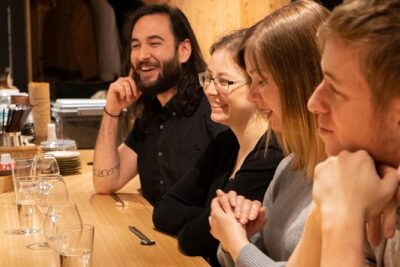
Sake Tasting Masterclass in Shinjuku (8+ Varieties with a Pro)
Read our review →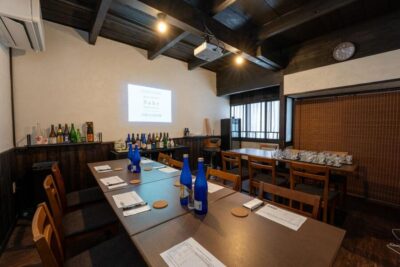
Insider Sake Experience with 7 Tastings and Snacks
Read our review →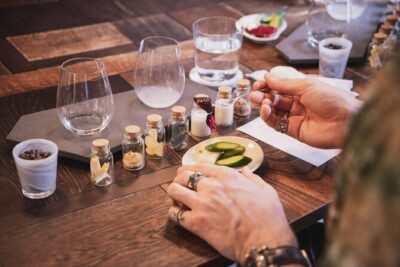
Sake Omakase in Tokyo: Guided Tasting by Certified Sommeliers
Read our review →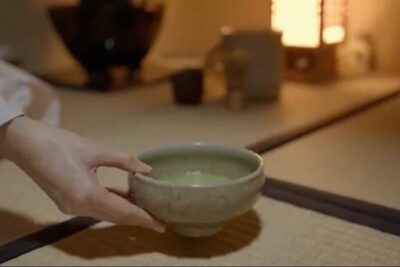
Private Tea Ceremony and Sake Tasting in Kyoto Samurai House
Read our review →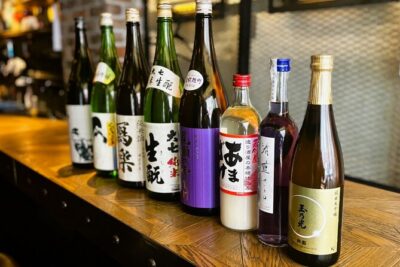
Casual Japanese SAKE tasting and snack experience in Kabukicho
Read our review →
Browse the lists this tour appears in