
Reviewed · SAKE TASTING
Casual Japanese SAKE tasting and snack experience in Kabukicho
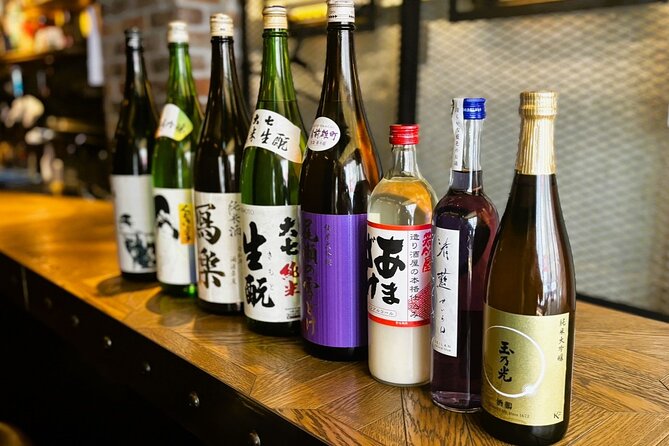
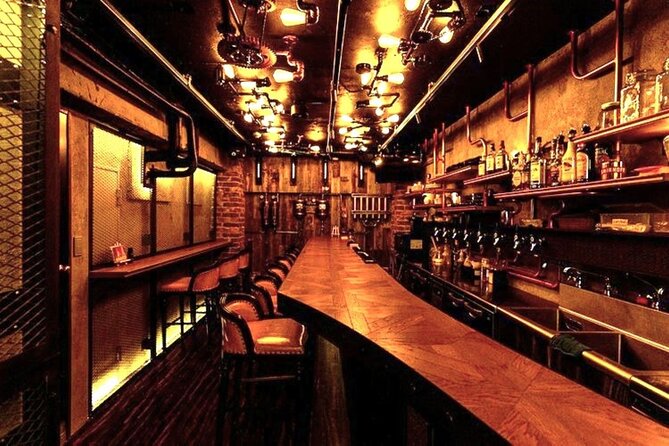
Kabukicho is an unlikely but fitting place to learn about sake: behind the neon and late-night energy, you settle into a small bar for eight Japanese sakes and a plate of traditional snacks. The tasting moves from simple, lower-alcohol bottles to more aromatic styles, so you can notice the changes instead of facing a confusing wall of labels all at once.
I like two things here. First, the one-hour format is easy to fit into a Tokyo day, especially on a rainy afternoon. Second, the snacks and different serving temperatures show you that sake is not just one drink poured cold. The possible catch is that the teaching may feel light if you want a serious lesson on brewing, and the bar setting and snacks may not suit every taste.
Key points to know before booking
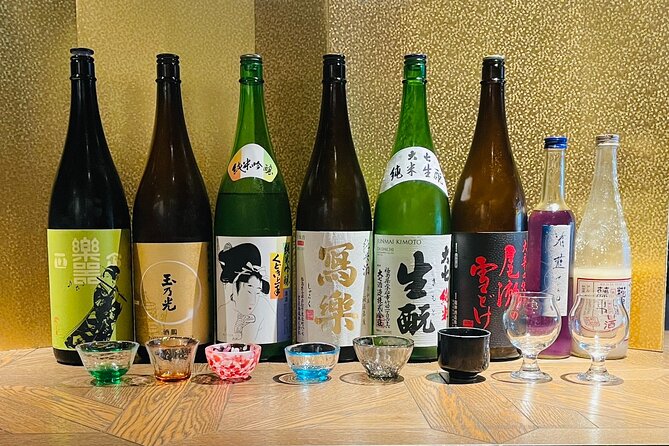
- Eight Japan-only sakes: Sample a broad range rather than committing to one bottle or style.
- A gentle tasting order: The session starts with sakes around 15 to 16 percent alcohol before moving toward bolder aromas and flavors.
- Food pairings included: Traditional Japanese snacks help show how sake changes alongside food.
- Amazake closes the tasting: Finish with a sweet, fermented rice drink that is far softer than standard sake.
- Small Kabukicho setting: The experience takes place at Shinjuku Ale, with karaoke available at the bar.
- Limited group size: A maximum of eight people allows for a more personal session, though the teaching depth can vary.
Eight sakes in one easy Kabukicho session
The appeal of this experience is its simple idea: give you enough variety to discover what you like without turning the tasting into a full-day seminar. You try eight sakes, all sourced from different parts of Japan and available for tasting in Japan.
That number matters. One or two pours can tell you whether you like sake in general, but eight gives you a better chance to find a favorite style. You may notice that one bottle feels crisp and clean, another smells more floral, and another works better with food than it does on its own.
The order is designed for beginners. You start with simpler sake, generally in the 15 to 16 percent alcohol range. From there, the flavors and aromas become more distinctive. This gradual approach is helpful if you have never tasted sake before, since you can build a point of comparison with every glass.
You also get the chance to try sake at different temperatures and in different preparations. Temperature is not a small detail in Japanese drinking culture. A sake that seems sharp when chilled may feel rounder when served warmer, while another may show its best aromas cold.
The activity does not promise a formal certification course or a technical brewing lecture. It is better understood as a friendly introduction with plenty of tasting. If you want a relaxed way to sort out dry, sweet, light, and aromatic styles, the structure makes sense.
More Sake Tastings in Tokyo:
- Sake Tasting Masterclass in Shinjuku (8+ Varieties with a Pro)
★ 5.0 · 271 reviews - Sake Omakase in Tokyo: Guided Tasting by Certified Sommeliers
★ 5.0 · 239 reviews - Tasting All Types of Sake with Sommelier
★ 5.0 · 151 reviews
Starting with lighter sake at Shinjuku Ale
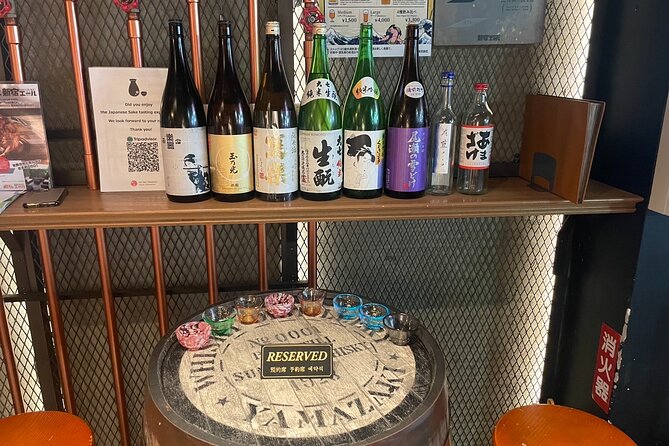
The meeting point is Shinjuku Ale, at 1-chōme-14-5 Kabukichō, with the activity taking place on the first or second floor. You return to this same location at the end, so there is no complicated transfer between venues.
A small bar gives the session a real Tokyo feel. You are not sitting in a formal museum room or a large tasting hall. The atmosphere may include karaoke, and one account of the experience described the bar owner as especially friendly. That setting can make the tasting feel social and local.
It can also be the main limitation. A casual bar is not built for quiet concentration, and the surroundings may not appeal if you prefer polished interiors or a structured classroom. The experience works best when you are happy to accept a little bar noise and informality.
The hosts named in the experience feedback include Sakiko and Saki. Sakiko is described as friendly and well informed about the drinks, while Saki has led sessions with an accompanying trainee. The tone is meant to be personal rather than scripted, which gives you room to ask questions and talk through what you are tasting.
Still, keep your expectations in proportion. One account found the sake information too limited, despite receiving all eight pours. That is useful to know: the quality of your learning may depend on how much explanation your particular host provides and how actively you ask questions.
How the sake progression works

The first pours are meant to be accessible. Starting around 15 to 16 percent alcohol gives you a familiar reference point before the tasting becomes more varied. You do not need prior sake knowledge, and the sequence should help you notice differences without relying on specialist vocabulary.
As the tasting continues, the aromas and flavors become more marked. This is where you can begin to think about your own preferences. Do you prefer a clean, crisp sake? Do you like a softer, sweeter style? Do you enjoy stronger aromas, or do they distract from the food?
The point is not to memorize every label. It is to leave knowing what to look for the next time you see a sake menu. A guided tasting can save you from ordering at random, especially when labels provide little immediate help in English.
You may also sample different preparations, including variations in temperature and mixed drinks. That makes the session more useful than a row of identical chilled pours. It gives you a sense of how flexible sake can be, both as a meal drink and as a casual bar order.
Because the session lasts about one hour, the pace is fairly brisk. Eight sakes plus snacks leaves limited time for long discussion of rice polishing, yeast, water, regional production, or brewing methods. If those subjects matter most to you, ask direct questions early in the session.
Why the snacks matter
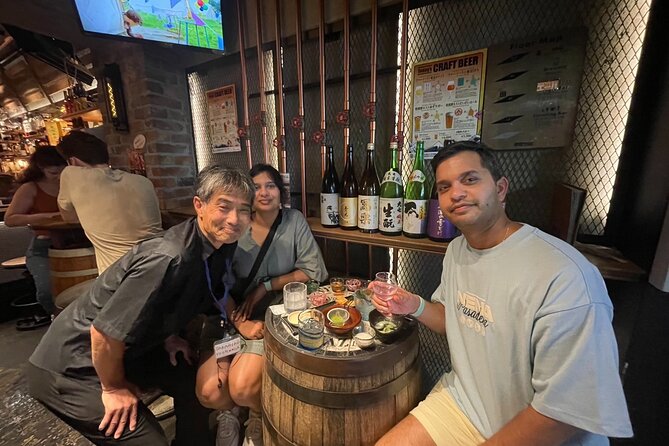
The included Japanese snacks are not just something to nibble between drinks. They give you a practical way to understand pairing. A sake that tastes plain by itself can change when you eat something salty, savory, or sweet alongside it.
This is one of the strongest parts of the plan. Food creates an immediate comparison, and you do not need specialist training to notice the effect. You can ask which snack works best with each pour, then use that clue when ordering sake with dinner later in Japan.
The snacks are traditional, but the exact items are not specified. You should not book this expecting a full meal. Additional meals and drinks are not included, so eat beforehand if you tend to need more than small portions during a tasting.
Dietary needs deserve attention. One session included an apology because a vegetarian option had not been reserved. If you are vegetarian or have another food restriction, contact the provider before booking and do not assume the standard snacks will meet your needs.
There is also a matter of taste. One participant disliked both the snacks and the venue, while other accounts praised the pairings. That split suggests the food is part of the experience, not a guaranteed highlight for every palate. Come for the sake discovery first, with the snacks as a useful extra.
More Late Nights in Tokyo:
- Casual Japanese sake tasting and snack experience, Kabukicho
★ 4.7 · 31 reviews - 3.5h Osaka Night guided Local Bar Hopping, Sake & Karaoke
★ 5.0 · 27 reviews - Kyoto: Foodie Night Tour in Gion with 9 dishes + 6 Sake
★ 4.4 · 26 reviews
The sweet finish with amazake
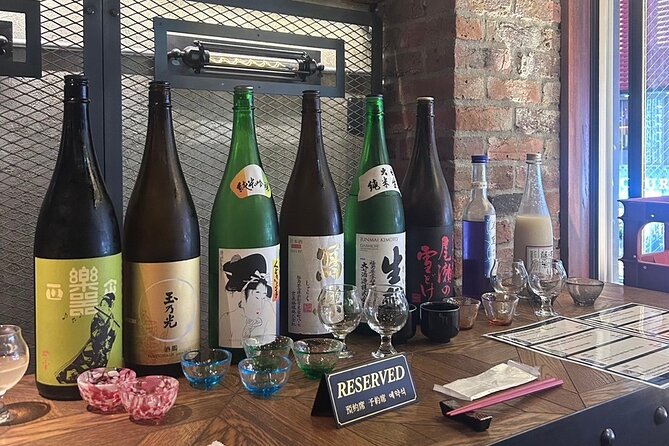
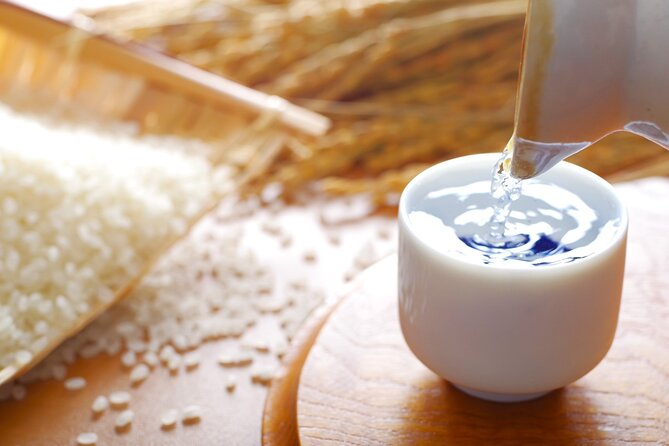
The final drink is amazake, a sweet fermented beverage made from rice koji. It is often served as a dessert drink in Japan and is sometimes called a drinkable IV because of its perceived nutritional value.
Amazake is different from the sake that comes before it. Its gentle sweetness provides a clear change of pace after several alcoholic pours. It also introduces you to another part of Japanese fermentation culture, rather than ending with one more similar glass.
The description does not state the alcohol level of the amazake, so you should not assume that every version is alcohol-free. If that detail matters to you, ask the host before drinking it.
For many first-time visitors, this is a memorable closing note. You finish with something soft and sweet rather than a final strong pour, and you get a drink that you might not otherwise think to order.
The value of $39.64 for one hour
At $39.64 per person, the price is reasonable if you would otherwise buy several separate sake pours in Tokyo and still have to figure out what you are drinking. The fee includes the eight tastings, snacks, and all taxes and fees.
The value depends on what you want from the hour. If your goal is variety, guidance, and a chance to discover styles you cannot easily compare at a regular bar, the price is attractive. You are paying for a planned sequence and a host, not just for liquid in eight small glasses.
It is less compelling if you want a large meal, extensive brewing instruction, or unlimited drinks. Extra meals and drinks cost more, and transportation to Kabukicho is not included. You also finish where you started, so you need to make your own way there and back.
The maximum group size is eight. That is small enough for a personal feel and easier questions than you would get in a large group. It does not guarantee a private tasting, but it keeps the session from becoming a crowded mass activity.
The experience has a five out of five rating and a 99 percent recommendation rate across 159 ratings. That points to strong overall satisfaction, while the lower-scoring account is worth keeping in mind because it identifies the main risk: you may want more sake education than the hour provides.
Who will enjoy this most
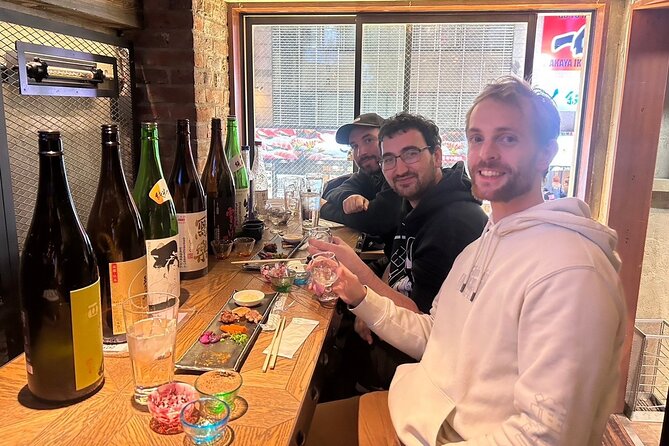
I would recommend this for a first sake tasting, couples, friends, and anyone who wants an easy indoor activity in Shinjuku. It also suits people who enjoy trying many small pours rather than ordering one full drink and hoping they chose well.
It is a good match for a rainy afternoon. The short duration leaves room for shopping, dinner, or nightlife in Kabukicho, and the bar setting can continue your evening rather than interrupt it.
You may also like it if you are already familiar with sake but want to compare Japanese bottles side by side. The range of temperatures and preparations adds interest beyond a basic introduction.
I would be more cautious if you dislike bar settings, karaoke, small snacks, or sweet fermented drinks. You should also choose another activity if your main goal is a detailed technical lesson. The session can be educational, but it is built around tasting and conversation, not an advanced sake course.
All participants must be at least 20 years old under Japan’s Minors’ Alcoholic Beverage Law. Most people can take part, and the location is near public transportation, but hotel pickup and drop-off are not provided.
Booking and cancellation details
You receive confirmation when you book, and the experience uses a mobile ticket. Free cancellation is available if you cancel at least 24 hours before the local start time.
Cancellations within 24 hours are not refunded, and changes made during that period are not accepted. That policy is worth noting for a short activity, since a last-minute change can cost the full amount.
Should you book this Kabukicho sake tasting?
Book it if you want variety, snacks, and a friendly bar atmosphere in a compact one-hour format. The eight-pour progression, different serving temperatures, and amazake finish give you a useful first look at how broad sake can be.
Go in expecting a casual introduction, not a master class. Ask questions, tell the host which flavors you like, and mention dietary needs before arriving. If you value a personal tasting more than a formal lecture, this is a good way to spend an hour in Shinjuku.
FAQ
How long does the sake tasting last?
The experience lasts approximately one hour.
Where does the activity meet?
You meet at Shinjuku Ale, on the first or second floor, at 1-chōme-14-5 Kabukichō, Shinjuku City, Tokyo 160-0021, Japan.
Where does the activity end?
It ends back at the meeting point.
How many sakes are included?
The tasting includes eight carefully selected sakes sourced from across Japan.
Are snacks included?
Yes. Traditional Japanese snacks are included as pairings. Additional meals and drinks are not included.
Is amazake part of the tasting?
Yes. The tasting finishes with amazake, a sweet fermented drink made from rice koji.
Can anyone under 20 participate?
No. Because Japanese sake is served, participants must be at least 20 years old under Japan’s Minors’ Alcoholic Beverage Law.
What is the cancellation policy?
You receive a full refund if you cancel at least 24 hours before the experience start time. Cancellations or changes made less than 24 hours before the start time are not accepted and are not refunded.
Newly added around Tokyo
- Japanese Sake Tasting & Wagyu Sukiyaki Cooking Class in Tokyo★ 5.0 · 10 reviews
- Tokyo Sake Tour with a Local Guide, Private & Tailored to Your Taste★ 4.0 · 12 reviews
- 7 Kinds of Sake Tasting with Complementary Foods★ 5.0 · 11 reviews
- Wagyu Beef & Sake Pairing Foodie Tour in Tokyo★ 5.0 · 16 reviews
- Private Tour: Tokyo’s Oldest Sake Brewery and Riverside Walk★ 5.0 · 25 reviews
- Wagyu & Sake 8 Course Tasting Dinner in Shinjuku★ 4.9 · 20 reviews
- Luxury Tokyo Sake, Cocktail, Whisky and Pairing Tour★ 5.0 · 18 reviews
- 10 kinds Sake Tasting Experience in Tsukiji with local!!★ 5.0 · 19 reviews
Sake Tasting, compared.

3-Hour Kyoto Insider Sake Brewery Tour with Tastings & Pairings
Read our review →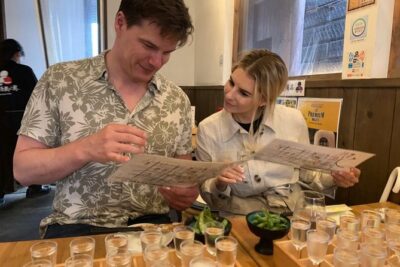
Sake Tasting Masterclass in Shinjuku (8+ Varieties with a Pro)
Read our review →
Insider Sake Experience with 7 Tastings and Snacks
Read our review →
Sake Omakase in Tokyo: Guided Tasting by Certified Sommeliers
Read our review →
Private Tea Ceremony and Sake Tasting in Kyoto Samurai House
Read our review →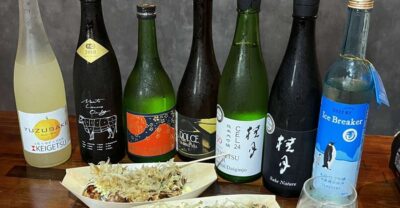
KOBE Sake Tasting Tour at Breweries (tasting fee included)
Read our review →Browse the lists this tour appears in