
Reviewed · SAKE TASTING
10 kinds Sake Tasting Experience in Tsukiji with local!!
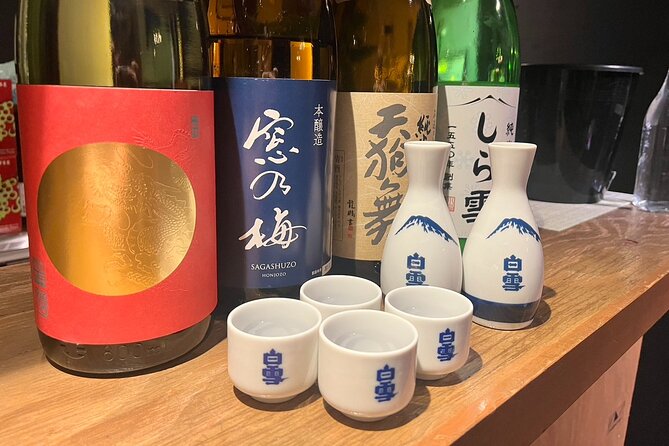
The most useful part of this Tsukiji experience is the chance to taste around 10 different sakes while someone explains what you are drinking. You will compare styles from low to high quality, learn why Junmai and Daiginjo taste different, and get a simple introduction to Japanese drinking manners.
I like the private format, since it leaves room for questions and conversation. I also like the handouts and small snacks, including nuts and soybeans, which give your palate a break between samples. The main drawback is practical: the meeting place can be hard to spot, and ten or eleven samples in 90 minutes calls for a sensible pace.
Key points to know
- About 10 sake samples: Taste several styles and compare their aroma, sweetness, texture, and finish.
- A local guide at Nomuno: Matsu, a chef at the venue, has led sessions with clear English and useful handouts.
- Private setting: Only your group takes part, making it easier to ask questions or request help with language.
- More than drinking: The session covers brewing, sake grades, regional differences, serving customs, and basic etiquette.
- Small snacks included: Nuts and soybeans help balance the tasting.
- Tsukiji meeting point: The experience starts and ends at Niku-no-Himalaya to nomuno, near public transportation.
Ten glasses, one short lesson in Japanese sake
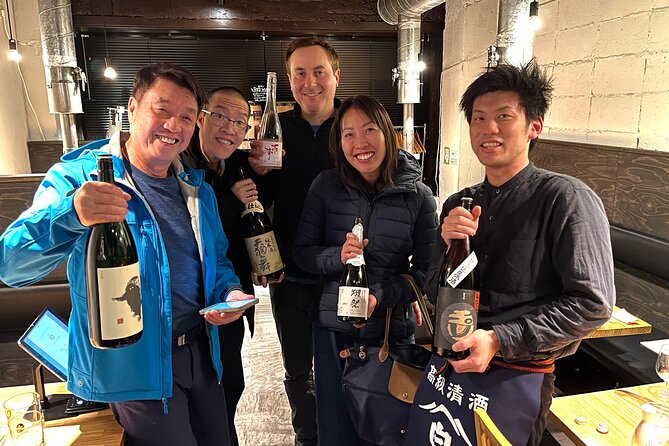
This is a compact tasting class held at Niku-no-Himalaya to nomuno, a restaurant and drinking spot in Tsukiji. The session lasts about 90 minutes, and the focus is sake rather than a long neighborhood walk or a full meal.
You will taste roughly ten varieties. One person reported tasting eleven, so the exact number can vary, but you should plan for a generous flight. The samples are arranged to help you notice differences rather than simply drink ten unrelated pours.
That matters because sake labels can feel like a wall of unfamiliar terms. Junmai, Daiginjo, and other classifications point to different brewing choices and levels of polishing. You will not become a sake brewer in an hour and a half, but you should leave with a better idea of why two clear glasses can smell and taste so different.
The format is informal. You sit with your guide, taste, ask questions, and talk about Japan as well as sake. That personal exchange is a major part of the appeal. It feels closer to a conversation at a local bar than a formal lecture.
More Sushi and Sake Tours in Tokyo:
- Ramen and Sushi Cooking Class with Sake Pairing Set in Tokyo
★ 5.0 · 291 reviews - Sake Omakase in Tokyo: Guided Tasting by Certified Sommeliers
★ 5.0 · 239 reviews - Tsukiji: Outer Market Walking Tour & Sake Tasting Experience
★ 4.9 · 81 reviews
Meeting at Niku-no-Himalaya to nomuno
The listed meeting point is Wagyu Yakiniku and Sake all-you-can-drink Niku-no-Himalaya to nomuno at 2-chome-13-2 Shintomi, Chuo City, Tokyo 104-0041. The activity returns to this same spot, so you do not need to manage a second meeting point at the end.
The location is near public transportation, but do not treat that as a guarantee of an easy find. One person found the venue tricky to identify and suggested paying close attention to location images. Build in a little extra time, especially if you are arriving in Tsukiji for the first time.
This is not a tour that begins with a guide walking you through the market. The value comes from what happens inside the venue. If you want to combine it with Tsukiji sightseeing, plan that separately and arrive ready to start on time.
The restaurant setting also gives the experience a useful local feel. The venue serves wagyu and sake, and the guide may be connected to the kitchen. Matsu, named in connection with the experience, works as a chef at Nomuno and has led tastings with handouts and clear explanations.
How the 90-minute tasting works
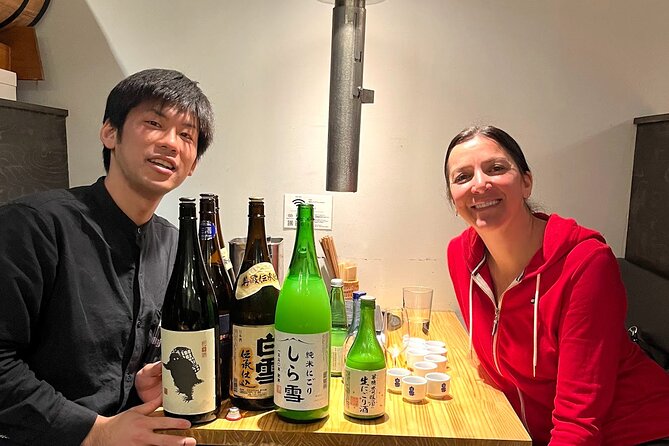
The session begins with basic sake information and guidance on how to drink it. That can include serving customs and etiquette, useful subjects if you have only ordered sake as part of a meal and never thought about the details.
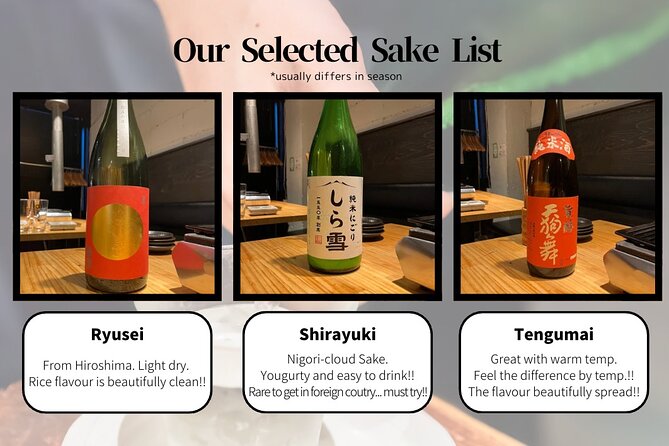
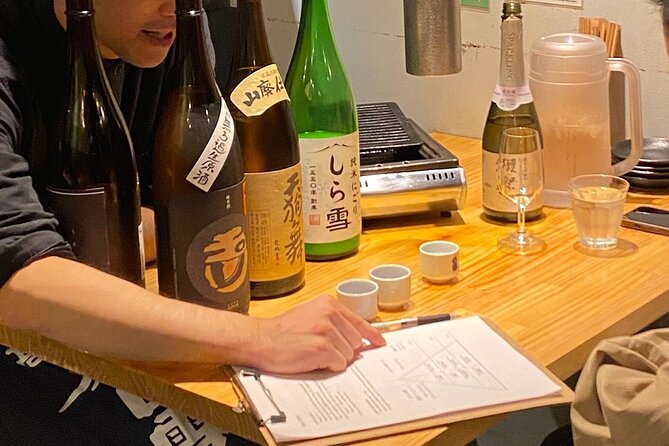
You then move through a series of samples. The point is comparison. You may notice that one sake feels light and clean, while another has a fuller body, more fragrance, or a different finish. The exact bottles are not specified, so you should not book this expecting a fixed menu of famous labels.
The tasting also covers the main quality classifications. Junmai and Daiginjo are specifically included in the lesson, along with other categories. The guide explains how production methods affect the drink, giving you a framework for reading a menu later in your trip.
Regional differences are another part of the session. Sake made in different parts of Japan can show distinct character, and comparing regional bottles gives the lesson a wider scope than a single local pour. The experience does not list specific prefectures, so the selection may change with availability.
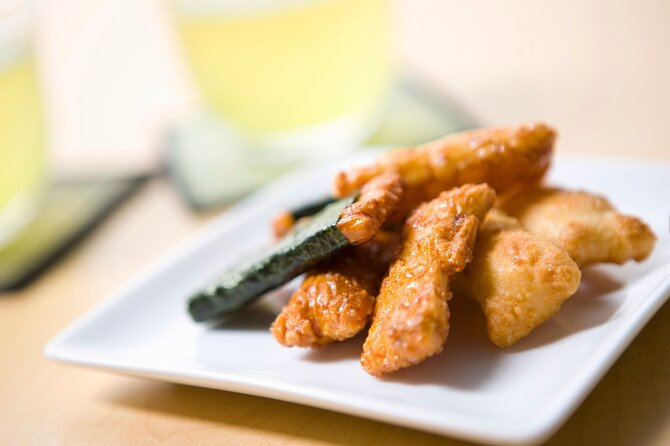
Small snacks are included. Nuts and soybeans have been served between samples, giving you something salty to eat while you taste. They do not turn this into a full dinner, so plan another meal if you expect substantial food.
What makes the private format useful
The activity is private, so only your group takes part. That is a real advantage for a subject that can feel intimidating at first. You can ask a basic question about sweetness or serving temperature without worrying that you are holding up a large group.
A private session also works well for different levels of interest. One person may want to understand sake labels, while another simply wants to discover a drink they enjoy. The guide can keep the conversation practical instead of rushing through a standard speech.
The experience can also help with language barriers. The description specifically presents the guide as someone who helps you live more like a local, and one session was conducted with a guide who spoke English very well. Do not expect every technical term to translate perfectly, but the setting is designed for communication.
The tradeoff is that private experiences usually offer less of the spontaneous energy of a large group. If you enjoy meeting many strangers, this may feel quiet. For most people choosing a tasting, though, the ability to talk directly with the guide is the stronger benefit.
More Sake Tastings in Tokyo:
- Sake Tasting Masterclass in Shinjuku (8+ Varieties with a Pro)
★ 5.0 · 271 reviews - Casual Japanese SAKE tasting and snack experience in Kabukicho
★ 5.0 · 159 reviews - Tasting All Types of Sake with Sommelier
★ 5.0 · 151 reviews - Tokyo Wagyu & Sake Pairing Tasting Experience with Local Flavors
★ 5.0 · 108 reviews
Learning Junmai, Daiginjo, and regional styles
Sake is often called Japanese rice wine, but that shortcut does not tell you much about how it is made or classified. This experience gives you a starting point through direct tasting rather than a long theory lesson.
Junmai and Daiginjo are useful terms to learn because they appear often on menus. The session explains the difference between classifications, so you can begin to connect a label with what is in your glass. The guide also discusses how brewing choices shape quality and character.
The progression from lower to higher quality, noted in one account of the tasting, can make the lesson easier to follow. You get a chance to notice what changes as the samples become more refined. That does not mean the most expensive or highest-grade sake will be your favorite. Taste is personal, and a simpler bottle may suit you better with food.
This is where the experience offers value beyond ten drinks. By the end, you have a vocabulary for asking better questions at an izakaya, restaurant, or sake shop. You may also discover that you prefer a certain style, which can save money on later purchases.
Sake etiquette without the stiff classroom feeling
The session includes basic information on how to drink sake and the customs around it. That is useful in Japan, where small details of pouring and receiving drinks can be part of a shared meal.
The tone is relaxed rather than ceremonial. You are not signing up for a formal tea-style ritual or a strict course with a test at the end. Instead, the guide explains the basics as you taste, making the etiquette easier to remember.
The informal setting also leaves room for questions about Japanese food and daily life. One person who attended alone spent time discussing sake and Japan with the guide, showing how the private setup can become a broader cultural conversation when the group is small.
I would still keep your expectations measured. The supplied details do not promise a full lesson in sake history, a brewery visit, or a behind-the-scenes production tour. This is a tasting and introduction, not a technical brewing course.
Is $62.40 a fair price?
At $62.40 per person, the experience costs more than simply ordering one glass of sake at a restaurant. The price makes more sense if you value the guided comparison, the private setting, the handouts, and the chance to sample around ten varieties in one sitting.
Buying ten separate drinks on your own could become expensive, and you would not necessarily receive an explanation of the grades or regional differences. The guide helps turn the tasting into a lesson, which is where much of the value lies.
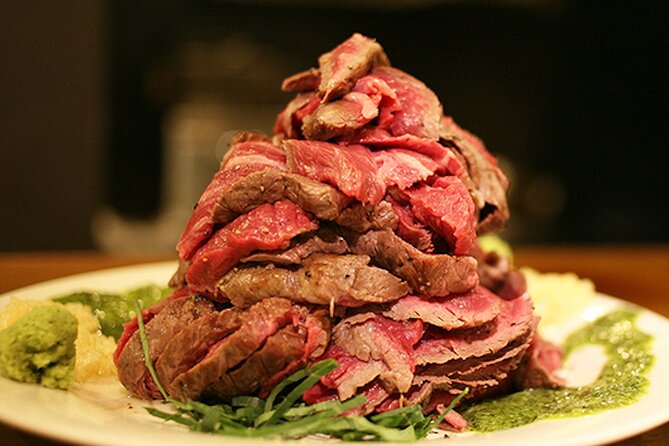
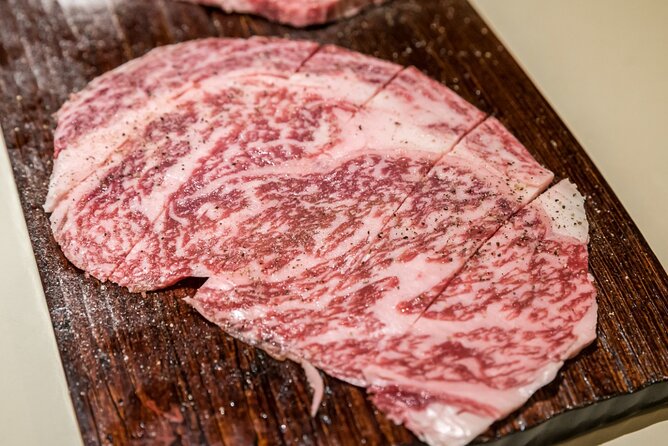
The price does not appear to include a full meal. Snacks such as nuts and soybeans have been provided, but you should not count on the tasting to replace dinner. The venue is associated with wagyu yakiniku, so you may be able to make separate food plans there, but the supplied details do not promise a meal as part of this activity.
For a sake beginner, I think the price is reasonable if you want structure and personal attention. For a serious sake collector who already knows the classifications and regions, the session may offer less new information. The pleasure would then depend on the bottle selection and conversation.
Pacing matters more than you expect
Ten samples in 90 minutes is a lot for a short activity. One person tasted eleven and specifically advised pacing yourself. That is sensible advice, even if the pours are small.
Take time to smell each sample and note what you like. You do not need to finish every glass quickly, and you can ask the guide to explain a difference before moving on. Drinking water, eating the included snacks, and keeping track of your pace will help you enjoy the lesson.
The setting may encourage easy conversation, which can make the hour and a half pass quickly. That is good for the social side, but it also means you should not arrive already tired or rushed. The tasting works best when you treat it as a focused evening activity rather than a quick stop between several major sights.
If you book at an unusual time, such as midday on a weekday, you might be the only participant besides your own group. That can make the session even more personal, though it also means the atmosphere may be quiet.
Who should book this Tsukiji tasting?
I would recommend it most strongly to first-time sake drinkers, food-focused visitors, and people who want a cultural activity that does not take half a day. It also suits couples or small private groups who prefer direct conversation to a large guided tour.
You will get the most from it if you are willing to taste several styles with an open mind. Do not assume you will like the highest-grade sample best. Use the session to identify what works for your own palate.
It is also a good choice if you feel unsure about sake etiquette or Japanese terminology. The guide can explain the basics, and the handouts give you something to refer to after the tasting.
I would be less likely to choose it for someone looking for a brewery visit, a market tour, a substantial food experience, or a long lesson on production. None of those is the core offer here. The focus is a friendly tasting at one Tsukiji venue.
Booking details and small practical cautions
Confirmation is sent within 48 hours of booking, subject to availability. The experience is offered with a mobile ticket, and it is near public transportation.
Most people can participate, though the information does not provide detailed accessibility notes. If access needs matter to you, confirm them before booking rather than assuming the venue will meet them.
You can cancel for a full refund up to 24 hours before the local start time. Changes or cancellations made inside that window are not accepted for a refund. Since the booking can fill in advance, it is sensible to settle your plans before reserving.
The activity has a perfect five-star rating from 19 submitted ratings and is marked as recommended by 100 percent. That is encouraging, especially alongside the repeated praise for the guide’s explanations, the range of samples, and the friendly conversation, but the experience remains a short tasting rather than a full evening meal.
Should you book it?
Book this if you want to taste many sake styles in one sitting and learn how to make sense of them. The combination of ten samples, a private guide, useful handouts, and small snacks gives you more than a random bar flight.
The strongest reason to choose it is the personal format. Matsu and the other Nomuno guides can turn unfamiliar labels into practical information, and the conversation can extend into Japanese food and daily life. Just allow time to find the venue, pace yourself, and plan a separate meal.
For a compact, friendly introduction to sake in Tokyo, I think it is a good pick. Skip it only if you want a brewery tour, a full dinner, or an advanced tasting aimed at people who already know the subject well.
FAQ
How long does the sake tasting last?
The experience lasts approximately 1 hour and 30 minutes.
How many types of sake will I taste?
You will taste around 10 varieties. One session included 11 samples, so the exact number may vary.
Where does the activity begin?
It begins at Wagyu Yakiniku and Sake all-you-can-drink Niku-no-Himalaya to nomuno, at 2-chome-13-2 Shintomi, Chuo City, Tokyo 104-0041, Japan.
Where does the activity end?
The activity ends back at the meeting point.
Is this a private experience?
Yes. Only your group participates in the activity.
What will I learn during the tasting?
The session covers basic sake information, how to drink sake, etiquette, quality classifications such as Junmai and Daiginjo, brewing differences, and regional differences across Japan.
Are snacks included?
Small snacks have been included, such as nuts and soybeans. A full meal is not specified as part of the tasting.
Is the meeting point near public transportation?
Yes. The meeting point is described as being near public transportation.
When will I receive booking confirmation?
Confirmation is sent within 48 hours of booking, subject to availability.
Can I cancel for a refund?
You can cancel for a full refund up to 24 hours before the experience start time. Cancellations or changes made less than 24 hours before the local start time are not accepted for a refund.
Newly added around Tokyo
- 7 Kinds of Sake Tasting with Complementary Foods★ 5.0 · 11 reviews
- Japanese Sake Tasting & Wagyu Sukiyaki Cooking Class in Tokyo★ 5.0 · 10 reviews
- Tokyo Sake Tour with a Local Guide, Private & Tailored to Your Taste★ 4.0 · 12 reviews
- Wagyu Beef & Sake Pairing Foodie Tour in Tokyo★ 5.0 · 16 reviews
- Wagyu & Sake 8 Course Tasting Dinner in Shinjuku★ 4.9 · 20 reviews
- Luxury Tokyo Sake, Cocktail, Whisky and Pairing Tour★ 5.0 · 18 reviews
- Sake & Food Pairing with Sake Professional★ 5.0 · 28 reviews
- Private Tour: Tokyo’s Oldest Sake Brewery and Riverside Walk★ 5.0 · 25 reviews
Sake Tasting, compared.

3-Hour Kyoto Insider Sake Brewery Tour with Tastings & Pairings
Read our review →

Sake Tasting Masterclass in Shinjuku (8+ Varieties with a Pro)
Read our review →
Insider Sake Experience with 7 Tastings and Snacks
Read our review →
Sake Omakase in Tokyo: Guided Tasting by Certified Sommeliers
Read our review →
Private Tea Ceremony and Sake Tasting in Kyoto Samurai House
Read our review →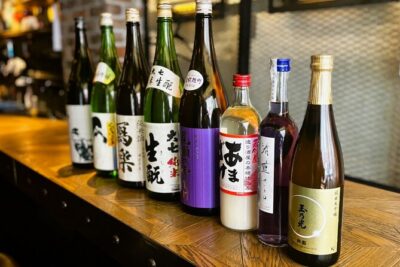
Casual Japanese SAKE tasting and snack experience in Kabukicho
Read our review →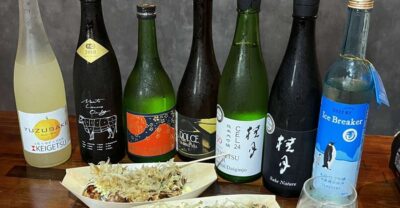
Browse the lists this tour appears in