
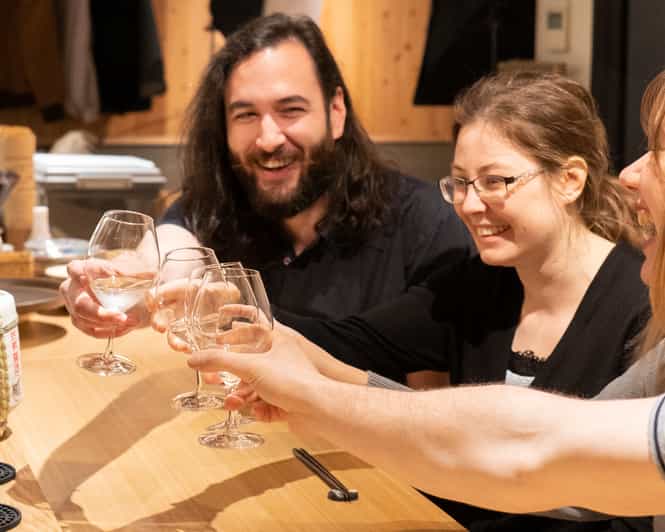
Reviewed · SAKE & FOOD PAIRING TOURS
Sake & Food Pairing with Sake Professional
The best part of this 150-minute class is that it treats sake as a varied drink, not one hot, strong pour. You taste five styles from across Japan, pair them with Japanese snacks, and learn why one sake may taste light and clean while another feels fuller or sweeter. I like the personal tasting chart, and I like the small group limit of 10, which gives you room to ask questions. The one catch is simple: the snacks are not a full meal.
I also like that this is aimed at people with little sake experience. Hosts such as Tadashi, Joe, Max, and Andrea have led sessions praised for clear English, energy, and practical advice. Eat before you arrive, especially since five pours can add up. The meeting spot at Ushinobi Sake Bar in Shinjuku can be hard to spot, so check the entrance directions before you go.
Key Points
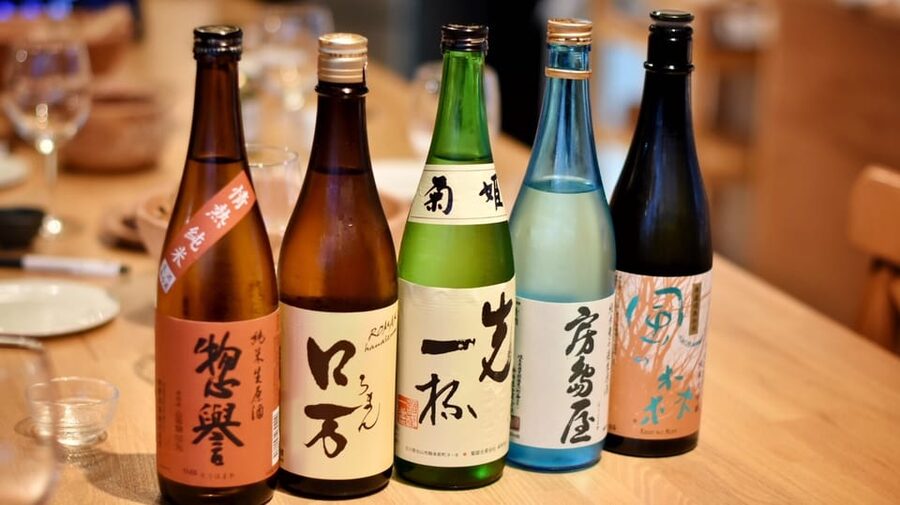
- Five sakes from across Japan: Compare different styles instead of forming an opinion from one bottle.
- A personal tasting chart: Record what you smell, taste, and prefer as the class unfolds.
- Japanese snacks with each tasting: The pairings help show how sake works with food, but they do not replace dinner.
- Small groups of up to 10: You get a more direct lesson and a better chance to ask questions.
- English-speaking sake professionals: Hosts have included Tadashi, Joe, Max, and Andrea.
- Shinjuku location: Meet at Ushinobi Sake Bar near Okubo Station, then enter directly on the second floor.
Five Sakes, Five Ways to Rethink the Drink

Many visitors arrive with a narrow idea of sake. They expect a strong alcoholic drink with a hot finish, perhaps something served warm beside a meal. This class gives you a broader view by placing five different sakes side by side.
That comparison matters. One sample alone tells you very little about sake as a whole. With five pours, you can notice changes in aroma, sweetness, texture, strength, and finish. You may find that you prefer a style you would never have picked from a menu.
The aim is not to turn you into a sake expert in one afternoon. It is to give you enough working knowledge to make better choices later. After the class, a sake list should look less like a wall of unfamiliar terms and more like a set of clues.
The tasting covers brands from different parts of Japan. You will also hear about the breweries behind them, including the way some long-running family businesses are being carried forward by younger owners. That context helps connect the drink in your glass to the people and places that produce it.
More Sake and Food Pairings in Tokyo:
- Ramen and Sushi Cooking Class with Sake Pairing Set in Tokyo
★ 5.0 · 291 reviews - Wagyu & Sake Pairing in Shinjuku – Steak, Shabu-Shabu & More
★ 5.0 · 112 reviews - Tokyo Wagyu & Sake Pairing Tasting Experience with Local Flavors
★ 5.0 · 108 reviews
How the 150-Minute Session Works
The class lasts two and a half hours, which is long enough for a real lesson without taking over your day in Tokyo. The pace leaves time to taste, discuss, write notes, and ask questions rather than rushing from one sample to the next.
You will begin with an introduction to sake and the tasting approach. The guide explains what to notice, then leads you through five pours. Since the class is conducted in English, you can ask about unfamiliar terms as they come up.
You create your own tasting chart during the session. This is one of the most useful parts for beginners because it turns a vague impression into a record of your preferences. You can note which sake seems dry, fruity, smooth, full, or more suited to food. The exact layout of the chart is not specified, but the purpose is clear: compare each pour while the differences are fresh.
The class also introduces the breweries. That makes the activity more than a sequence of drinks. You get a sense of how sake is made and why bottles from different producers can taste so different, even when they are all part of the same broad category.
Pairing Sake With Japanese Snacks
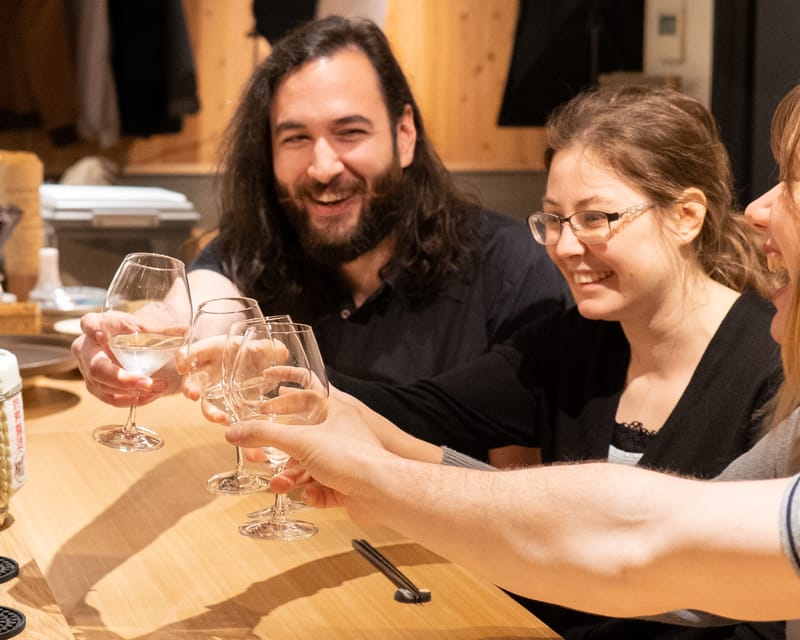
Japanese snacks are included and are served alongside the sake. The food gives you a chance to see how a drink changes when you taste it with something salty, savory, or textured.
This is useful because sake is often enjoyed with food rather than treated as a stand-alone drink. A flavor that seems sharp on its own may feel softer with a bite of food. Another may bring out a new sweetness or finish. You do not need a trained palate to notice these changes. The guide helps you pay attention to them.
Keep your expectations in check. The snacks are not a full meal, and at least one session left participants wishing for more substantial food. I would eat before arriving, then treat the snacks as part of the lesson rather than dinner.
If you have dietary restrictions, tell the supplier in advance. The information provided does not list specific alternative snacks, so early notice is the sensible move.
What Makes the Guide Important
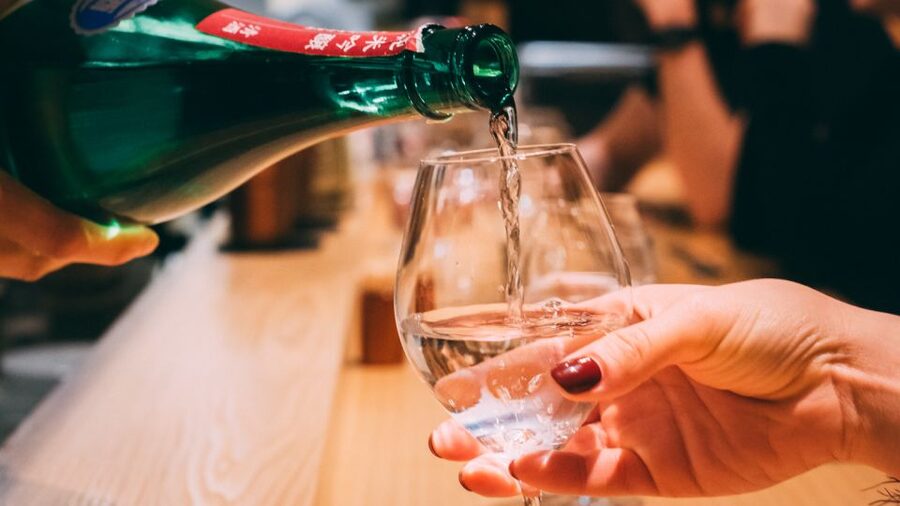
A sake class rises or falls on the person leading it. The drink can seem technical, and a poor explanation can make the session feel like a lecture. Here, the guide’s role is to keep the subject open and practical.
Tadashi has been praised for strong English and sake expertise. Joe has helped participants with local recommendations as well as sake information. Max has been described as a warm and informed host, with a useful warning to eat before the class. Andrea has led sessions praised for energy, clear teaching, and enthusiasm for Tokyo.
Those names do not mean you can request a particular host or that one person will lead every date. They show the kind of guidance the experience is designed to provide: explanations in English, room for questions, and advice that can continue after the tasting.
The small group size helps. With no more than 10 participants, you are not lost in a crowd. One session had only two people, which allowed for a highly personal class. You should not count on having a private lesson, but a small booking can create that possibility.
More Sake Tours in Tokyo:
- Sake Tasting Masterclass in Shinjuku (8+ Varieties with a Pro)
★ 5.0 · 271 reviews - Sake Omakase in Tokyo: Guided Tasting by Certified Sommeliers
★ 5.0 · 239 reviews - Casual Japanese SAKE tasting and snack experience in Kabukicho
★ 5.0 · 159 reviews - Tasting All Types of Sake with Sommelier
★ 5.0 · 151 reviews
Why the Tasting Chart Is Worth Your Time
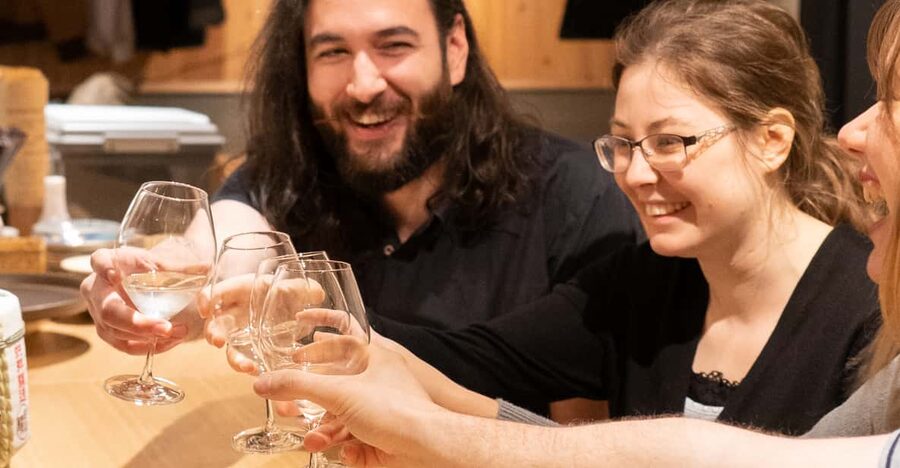
I like the chart because it gives you a simple way to make a decision at the end. Instead of saying only that you liked or disliked sake, you can look back and ask why.
You might find that you favor a lighter style with a clean finish. You might prefer something with more body, or a sake that works best with snacks. The chart gives you a record of those reactions, which is handy when you later face a restaurant menu or a bottle shop.
It also removes some pressure. You do not have to use technical language or guess the correct answer. Your preference is the point. A professional can explain the production and flavor notes, but you are still deciding what tastes good to you.
For a first lesson, this is more useful than memorizing a long list of sake terms. You leave with a method you can use again.
Getting to Ushinobi Sake Bar in Shinjuku
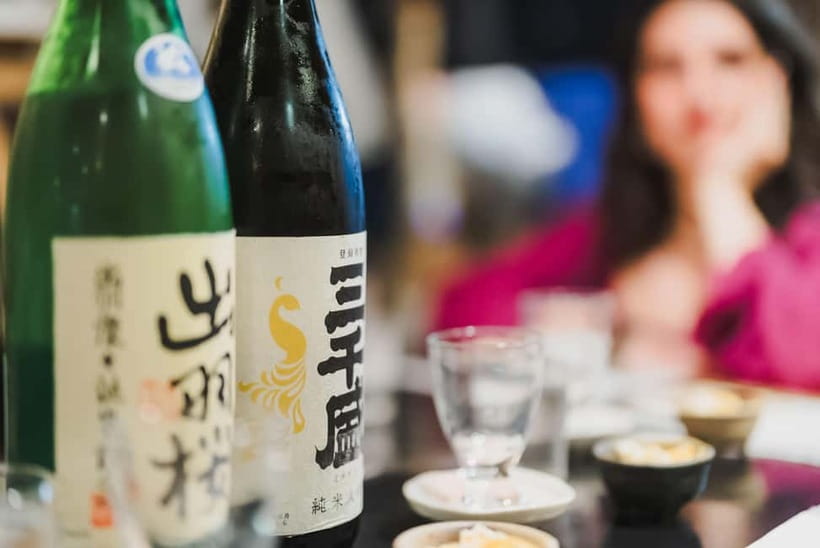
The meeting point is Ushinobi Sake Bar in Shinjuku, near Okubo Station, station code JB09. Use the South Exit and enter the venue directly on the second floor.
The entrance is somewhat hidden. That detail matters in Shinjuku, where a first-time visitor can lose several minutes looking at the wrong storefront or walking past the building. Check the supplied entrance image before you set out, and allow a little extra time.
Transport is not included, so you make your own way to the bar. The activity information gives Okubo as the closest station, not a hotel pickup or a transfer service. This makes the class easy to add to a day in Shinjuku, but you need to handle the final walk yourself.
Because this is a fixed meeting-point experience, do not assume the guide will be able to collect you from another part of Tokyo. Go straight to the second floor and arrive ready for the class.
Is $69 a Fair Price?
The cost is $69 per person. That covers the guided sake tasting, five samples, Japanese snacks, the tasting chart activity, and two and a half hours with an English-speaking sake professional.
I consider that fair for someone who wants more than a quick drink at a bar. You are paying for comparison, explanation, and the chance to ask questions. The class can also save you from ordering blindly later, especially if sake is new to you.
The value is weaker if you want a full meal or already know a great deal about sake. The snacks are light, and transport is extra. A confident sake drinker may prefer to spend the same money on bottles or a restaurant meal.
For most first-time tasters, the price makes sense because the session gives structure to something that can otherwise feel confusing. You are not just consuming five drinks. You are learning how to judge them.
Who Should Book This Sake Class?
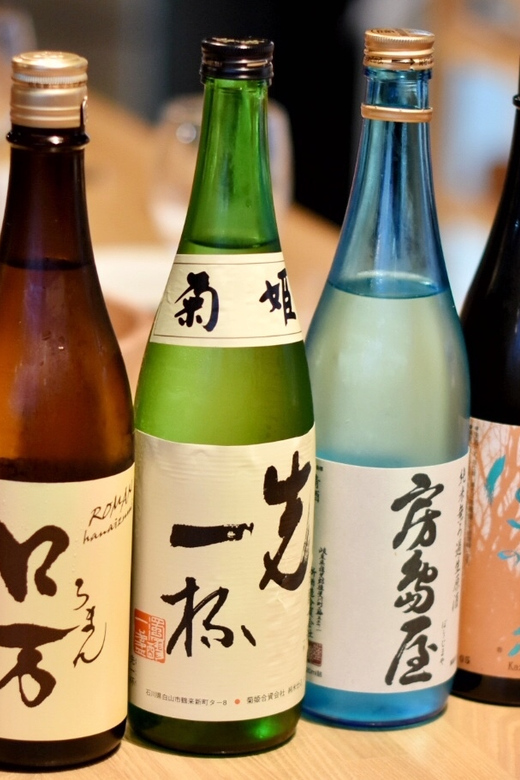
This experience suits you if you have tried sake only once or twice, or if you usually assume all sake tastes alike. It also works well for a couple or small group where one person loves sake and the other is still unsure. The range of styles may surprise both of you.
It is a good choice for people who enjoy food and drink lessons but do not want a full cooking class. The session is social, focused, and short enough to fit around other Tokyo plans.
You should also book it if you want local suggestions. The focus is sake, but guides have shared Tokyo recommendations during the class. Joe, in particular, has been noted for giving useful local tips.
This is not suitable for pregnant women. It is also a poor fit if you need a substantial meal included or if you want transportation arranged.
A Few Practical Ways to Enjoy It More
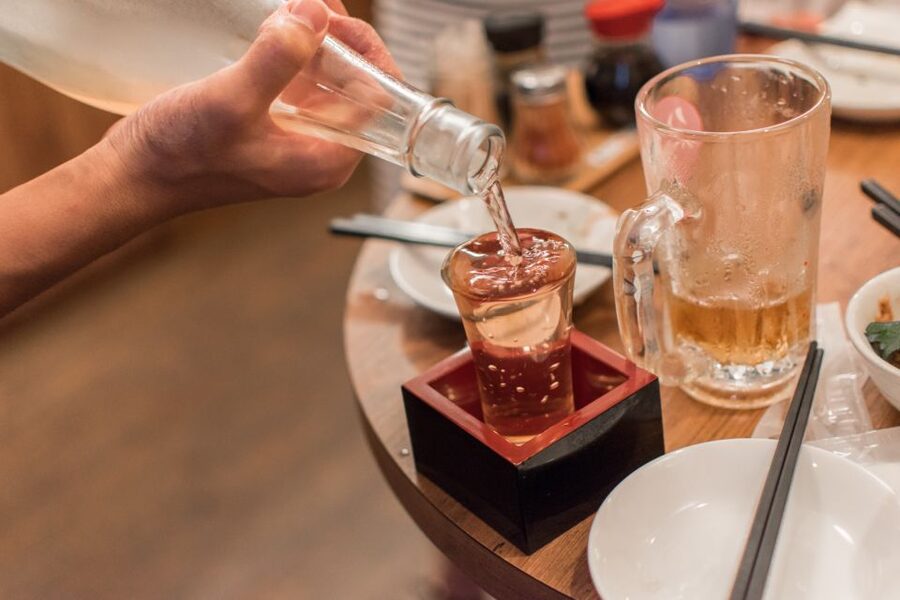
Eat before you go. This is the most useful advice for the experience. The snacks add to the tasting, but they are not designed to fill you up.
Take the meeting point seriously. Find Okubo Station, use the South Exit, and review the entrance image before you leave. The bar is on the second floor, and the doorway is not obvious.
Bring an open mind rather than a fixed idea of what sake should taste like. The point of the five-pour format is comparison. If you decide in advance that sake is too strong or too sweet, you may miss the style that changes your mind.
Use the chart honestly. You do not need to impress the guide. Mark what you like, what you do not, and which food pairing works best for your taste.
If you have dietary restrictions, tell the supplier ahead of time. That gives the team a chance to respond before the snacks are served.
The activity offers free cancellation up to 24 hours before the start time, with a full refund. You can also reserve and pay later, which helps if your Tokyo schedule is still shifting.
Should You Book It?
Book this class if you want a friendly, guided introduction to sake in Tokyo, especially if your past experience has been limited. The five-sake comparison, personal chart, brewery background, and small group format give you useful skills rather than a simple round of drinks.
Skip it if you are looking for dinner, a private tasting guaranteed with a named host, or a class with transportation included. For everyone else, $69 is a reasonable price for a clear introduction, a chance to meet local sake fans, and a better sense of what to order next.
FAQ
Where does the sake tasting take place?
It takes place at Ushinobi Sake Bar in Shinjuku. The closest station is Okubo Station, JB09, South Exit. Enter the venue directly on the second floor.
How long does the experience last?
The session lasts 150 minutes, or two and a half hours.
How many people can join the group?
The group is limited to 10 participants.
Is the experience conducted in English?
Yes. The live guide and activity language are English.
How many types of sake will I taste?
You will taste five different kinds of sake from across Japan.
Is food included?
Japanese snacks are included. They are not a full meal.
Should I tell the supplier about dietary restrictions?
Yes. You should provide that information in advance.
Is transportation included?
No. You are responsible for getting to Ushinobi Sake Bar.
Can I cancel for a full refund?
Yes. You can cancel up to 24 hours in advance for a full refund.
Newly added around Tokyo
- Japanese Sake Tasting & Wagyu Sukiyaki Cooking Class in Tokyo★ 5.0 · 10 reviews
- Tokyo Sake Tour with a Local Guide, Private & Tailored to Your Taste★ 4.0 · 12 reviews
- 7 Kinds of Sake Tasting with Complementary Foods★ 5.0 · 11 reviews
- Wagyu Beef & Sake Pairing Foodie Tour in Tokyo★ 5.0 · 16 reviews
- Luxury Tokyo Sake, Cocktail, Whisky and Pairing Tour★ 5.0 · 18 reviews
- 10 kinds Sake Tasting Experience in Tsukiji with local!!★ 5.0 · 19 reviews
- Private Tour: Tokyo’s Oldest Sake Brewery and Riverside Walk★ 5.0 · 25 reviews
- Wagyu & Sake 8 Course Tasting Dinner in Shinjuku★ 4.9 · 20 reviews
Sake & Food Pairing Tours, compared.

3-Hour Kyoto Insider Sake Brewery Tour with Tastings & Pairings
Read our review →
Insider Sake Brewery Tour with Sake and Food Pairing
Read our review →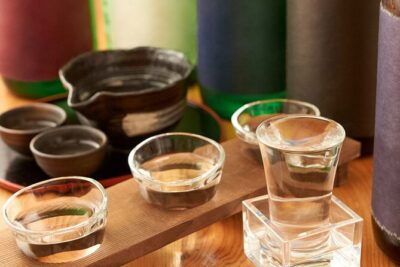
Ramen and Sushi Cooking Class with Sake Pairing Set in Tokyo
Read our review →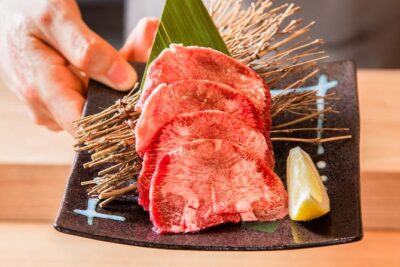
Wagyu & Sake Pairing in Shinjuku – Steak, Shabu-Shabu & More
Read our review →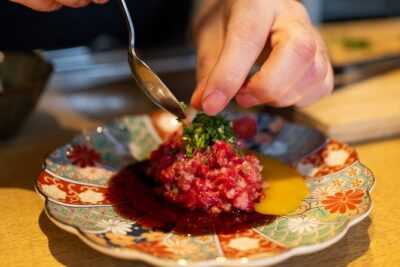
Tokyo Wagyu & Sake Pairing Tasting Experience with Local Flavors
Read our review →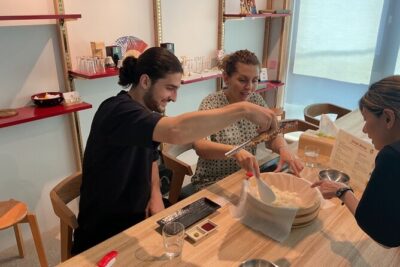
Cozy Tokyo Class: Ramen, Sushi, Sake Pairing & Cultural Exchange
Read our review →
Wagyu Beef and Sake Pairing Foodie Tour in Tokyo
Read our review →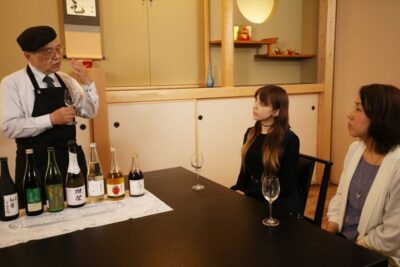
7 Kinds of Sake Tasting with Japanese Food Pairings
Read our review →Browse the lists this tour appears in