
Reviewed · SAKE TASTING
Sake Tasting Omakase Experience by Certified Sommeliers
The most interesting part of this tasting is its tight focus: seven different sakes served across four themed courses, with each pour paired to a small bite. You are not simply handed a glass and left to guess. Certified sommeliers explain how brewing methods, glassware, and serving choices can change what you taste.
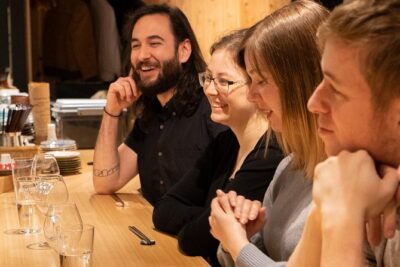
I like the six-person limit, which gives the room a calm, personal feel, and I like the setting: a private tasting room built around a handsome reclaimed wood table. The English, Chinese, and Japanese language options also make this a good pick if you want clear explanations rather than a quick bar tasting.
The main consideration is price. At $77 per person, this is not a casual stop for one drink. You are paying for seven pours, food pairings, expert hosting, and the private setting, so it makes the most sense if you want to learn as well as drink.
Key points
- Seven sakes in four courses: The tasting has a clear structure, with each course built around different sake styles and food pairings.
- Mostly Japan-only bottles: Many of the selections are difficult to find outside Japan.
- Small group of six: The limited size supports questions and a quieter tasting pace.
- Certified hosts: WSET and JSS certified sommeliers lead the session in English, Chinese, or Japanese.
- Premium bites included: Expect 7 to 9 small foods, including cured meats, aged cheeses, olives, and sweets.
- Easy-to-find meeting point: Enter the tall wooden door marked At the Corner on the first floor of Linden Haus Kanda.
Seven sakes, four courses, one focused lesson
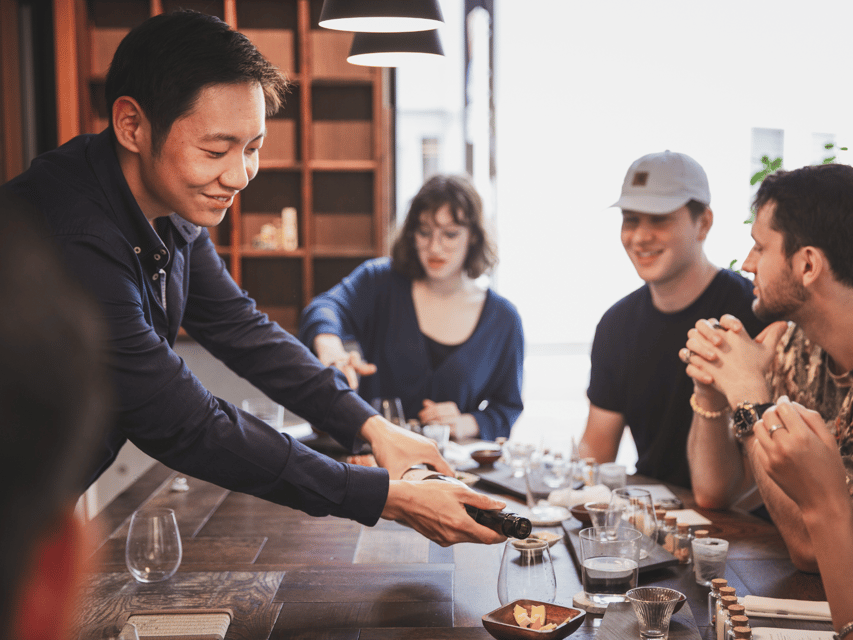
This experience is designed as a tasting course, not a standard restaurant meal and not a stop at a crowded izakaya. Over 105 minutes, you work through seven sake selections served in four themed courses.
That structure matters. Seven drinks can blur together if they arrive without a plan. Here, the four-course format gives you natural pauses and comparisons. You can think about how one sake differs from the next, how food changes the taste, and how serving vessels affect the drink.
Most of the bottles cannot be found outside Japan. That gives the tasting a clear purpose for visitors who have already tried familiar international brands and want a closer look at what is available in Japan itself.
The word omakase suggests that the selection is placed in the hands of the expert. You do not choose seven individual pours from a long menu. Instead, the sommeliers select the sequence and guide you through it. That is useful if sake labels still feel like a puzzle, or if you want to taste something you would not have picked on your own.
More Sushi and Sake Tours in Tokyo:
- Ramen and Sushi Cooking Class with Sake Pairing Set in Tokyo
★ 5.0 · 291 reviews - Sake Omakase in Tokyo: Guided Tasting by Certified Sommeliers
★ 5.0 · 239 reviews - Tokyo: Sushi and Ramen Cooking Class with Sake Pairing Set
★ 5.0 · 81 reviews
How the four themed courses work
The exact sake labels and bite-by-bite menu are not specified, so you should not arrive expecting a fixed list of brands. The experience is built around four themed stages, with seven total sakes and 7 to 9 small bites.
You can expect each stage to connect the drink with the food and the lesson being discussed. The teaching may cover flavor differences, brewing methods, or the way a vessel changes the drinking experience. Those details are more valuable than a simple list of tasting notes because they help you understand why the sake tastes the way it does.
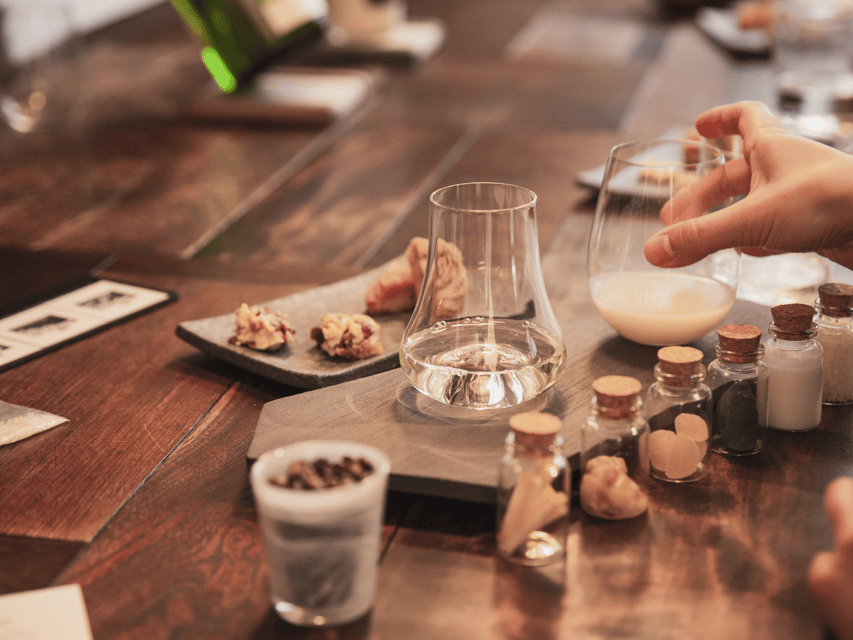
The small bites are not presented as a full dinner. Think of them as carefully chosen palate partners. Cured meats, aged cheeses, olives, and sweets are listed among the possible foods. This mix gives the tasting a broad range of textures and flavors without turning the session into a long meal.
I like this balance. Food helps you notice changes in the sake, while the modest portions keep the main subject in the glass. If you are looking for a filling dinner, you should plan another meal before or after the tasting.
What the sommeliers add
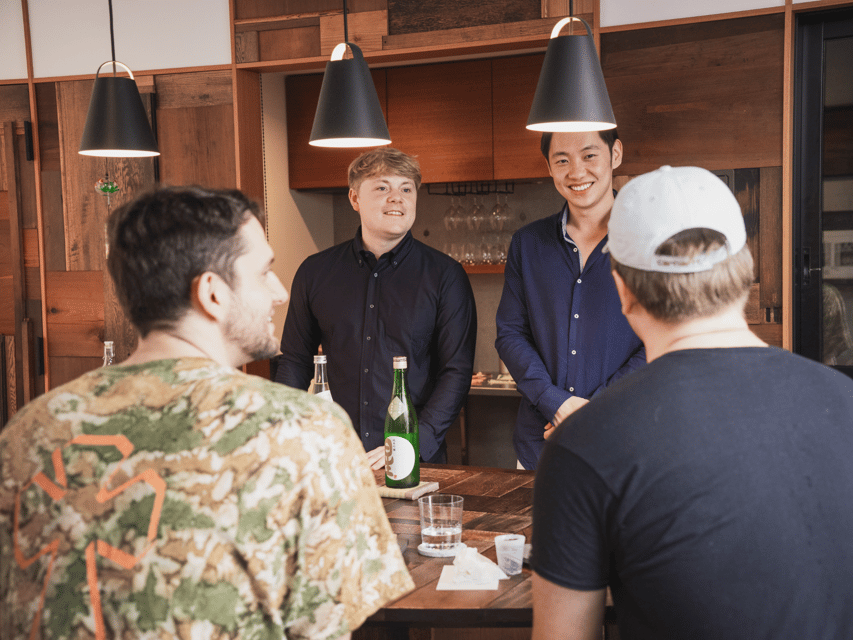
The hosts are certified by WSET and JSS, two qualifications that signal formal sake and beverage training. The real benefit for you is not the initials themselves. It is having someone explain the drink in plain terms and answer questions as you taste.
The session is offered in English, Chinese, and Japanese. For English-speaking visitors, the native English guidance is especially useful because sake vocabulary can become technical fast. You can ask about brewing, serving temperature, pairings, or the difference between two pours without relying on a translation app.
The strongest praise connected with this experience focuses on three things: a strong command of sake, a relaxed mood, and excellent drinks. That combination is important. A host can know a great deal but still make a tasting feel stiff. The design here aims for both useful instruction and an easy social atmosphere.
No individual guide names are provided, so you should book based on the certified host team rather than expecting one particular sommelier.
Inside the private Kanda tasting room
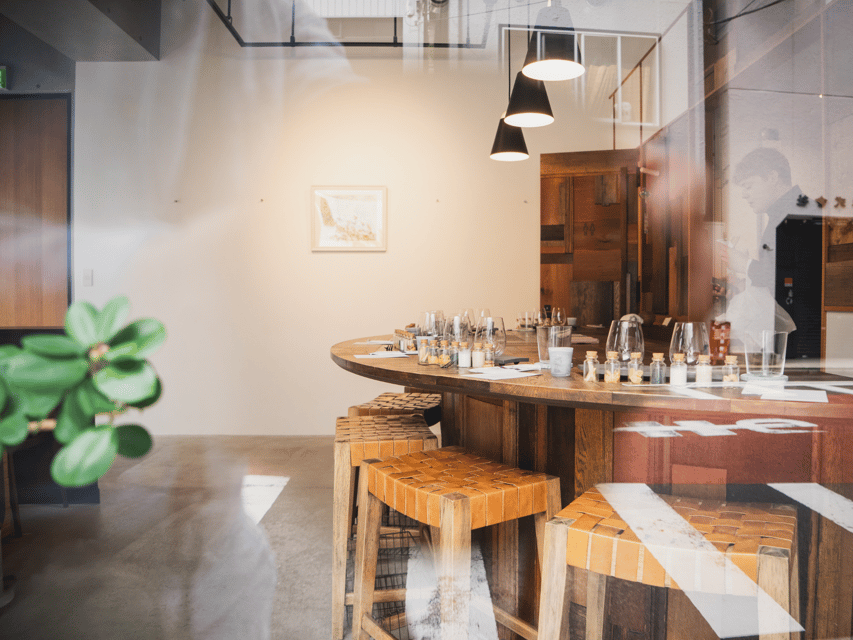
The room is on the first floor of Linden Haus Kanda. Look for the tall wooden door on the right with the sign At the Corner. That detail is worth noting because a private tasting room can be easy to miss if you are looking for a large restaurant entrance.
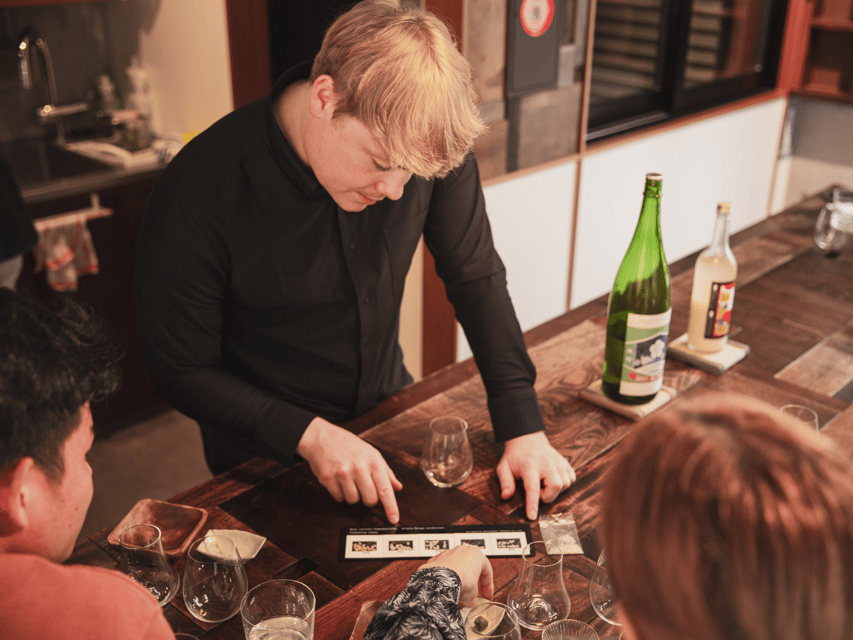
Inside, the focal point is a beautiful table made from reclaimed wood. It gives the room a refined but warm feel, rather than the bright, busy look of a typical drinking venue. The setting supports conversation and keeps your attention on the pours.
The private room also changes the pace. With no large crowd around you, you can listen, ask questions, and compare impressions without shouting. The group is limited to six participants, so you will have a better chance to take part in the discussion than at a large public tasting.
That small size may not suit everyone. If you prefer a lively bar with lots of noise and movement, this could feel too quiet. If you want a calm introduction to sake, the room is a strong match.
More Sake Tastings in Tokyo:
- Sake Tasting Masterclass in Shinjuku (8+ Varieties with a Pro)
★ 5.0 · 271 reviews - Casual Japanese SAKE tasting and snack experience in Kabukicho
★ 5.0 · 159 reviews - Tasting All Types of Sake with Sommelier
★ 5.0 · 151 reviews - Tokyo Wagyu & Sake Pairing Tasting Experience with Local Flavors
★ 5.0 · 108 reviews
Why the glassware and brewing lessons matter
Sake is often described as if it were one drink, but the experience is built around showing its range. Brewing choices affect aroma, texture, sweetness, acidity, and finish. The vessel can also change how those traits reach your nose and palate.
You do not need prior sake knowledge to benefit from this. The lesson is meant to help you notice differences for yourself. A glass may make aroma easier to detect, while another vessel may direct the drink differently across your mouth. The point is not to memorize technical terms. It is to understand why two sakes can feel so different.
This is one reason I would choose this tasting over a basic flight at a bar. A flight gives you variety. This format gives you variety plus a way to interpret it.
The session also offers a useful correction to a common assumption: sake is not just a strong, sweet drink served warm. The seven-pour format gives the sommeliers room to show different sides of contemporary sake without asking you to study a long lecture.
The food pairings: 7 to 9 small bites
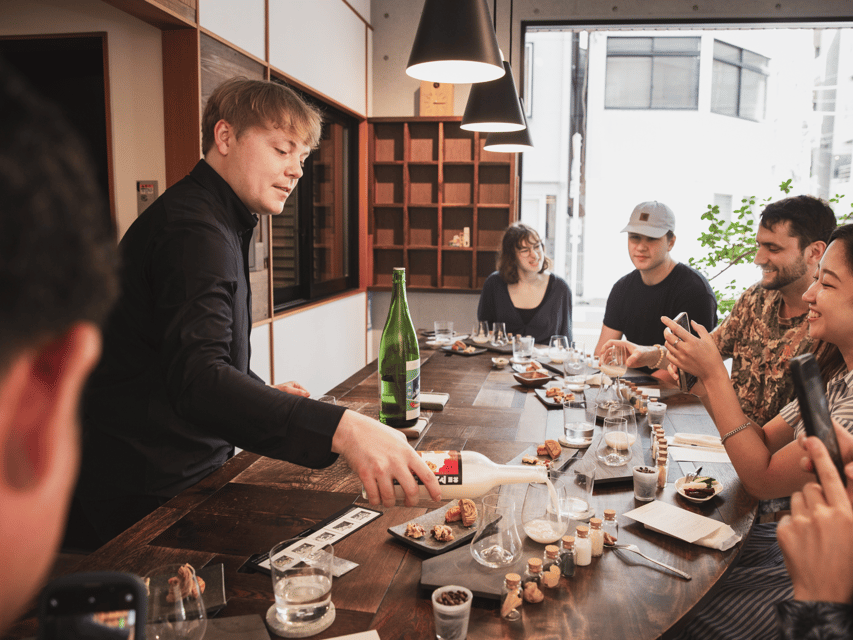
The included food is a practical part of the experience, not a decorative extra. You receive 7 to 9 premium small bites spread through the four courses.
Possible pairings include cured meats, aged cheeses, olives, and sweets. These foods cover salty, savory, fatty, tangy, and sweet notes. Each can make a sake seem softer, sharper, fuller, or more aromatic.
Because the bites are small, you should treat them as tasting companions rather than a complete meal. I would have a normal meal earlier if you tend to get hungry, especially since the session lasts 105 minutes and includes seven alcoholic drinks.
The food also makes this a better choice for people who are new to sake. A bite gives you an easy comparison point. Instead of asking if you like a pour in isolation, you can ask whether it works better with cheese, meat, olives, or something sweet.
Dietary details are not provided, so you should check before booking if you have allergies or strict food restrictions. The listed examples include dairy, meat, and olives, but the full menu is not specified.
Is $77 a fair price?
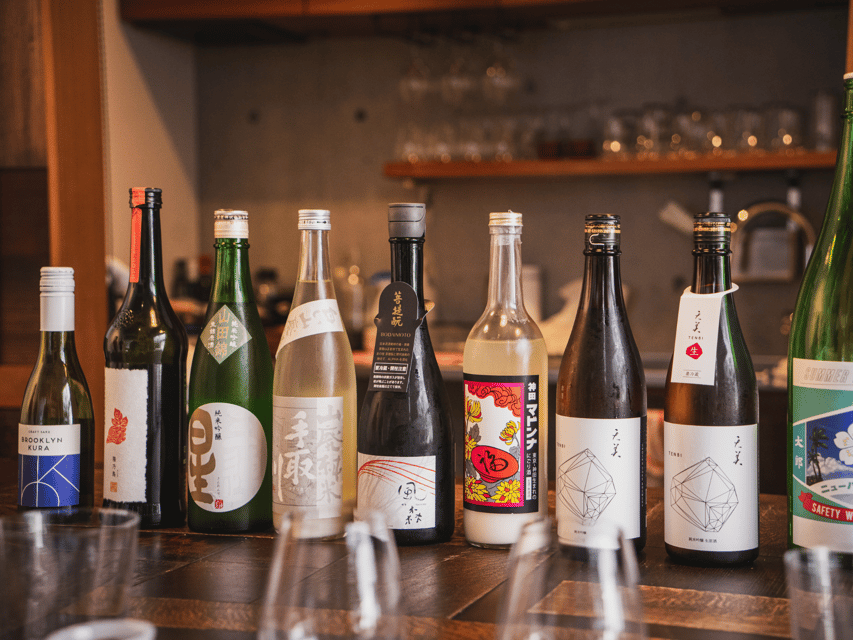
At $77 per person, the value depends on what you want from a tasting. If you only want to sample sake, you may find cheaper options elsewhere. If you want seven pours, premium food pairings, trained hosts, a private room, and a small group, the price is easier to justify.
You are paying for more than liquid. The session lasts 105 minutes, which gives the tasting room to breathe. You also receive a planned four-course progression instead of unrelated samples. For someone curious about brewing methods and serving vessels, that added explanation is the main value.
The Japan-only selections strengthen the case. Many of the sakes are not available outside Japan, so this is a chance to taste bottles that may be hard to replace once you return home.
Still, the price is not a bargain in the everyday sense. You should book it for the learning and access, not simply for the volume of alcohol. Seven pours may sound generous, but the experience is about comparison and discussion, not drinking as much as possible.
Who will enjoy this tasting most
I would recommend this to you if you are interested in Japanese food and drink but do not yet feel confident ordering sake. The sommeliers give you a framework, and the small group makes it easier to ask basic questions without feeling out of place.
It also suits experienced sake drinkers who want bottles they may not find at home. The focus on brewing, vessels, and contemporary styles gives repeat visitors something beyond an introductory tasting.
Couples, solo visitors, and small groups can all fit the setting because the maximum group size is six. The language choices make it practical for English, Chinese, and Japanese speakers.
You may want to choose another activity if you need a full dinner, dislike alcohol, or prefer to select every drink yourself. The menu is selected by the sommeliers, and the food is served in small portions.
The room is wheelchair accessible, which makes the experience more practical for many visitors. You should still confirm any personal access needs when booking, since only general accessibility information is provided.
Timing, cancellation, and the meeting point
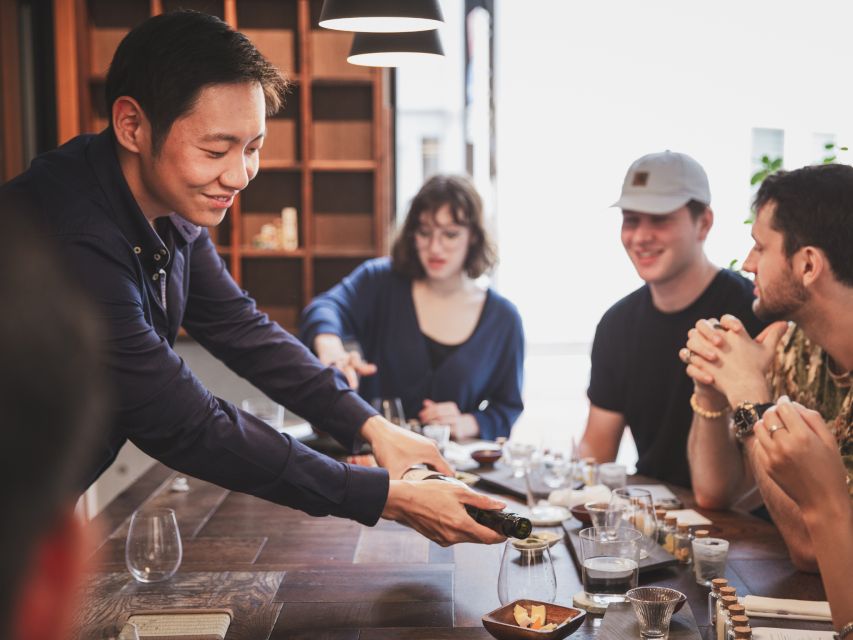
The tasting lasts 105 minutes, and starting times vary. Check the available time before you book, especially if you are fitting this between dinner, a show, or an evening train.
The meeting point is specific: first floor of Linden Haus Kanda, through the tall wooden door on the right marked At the Corner. Arriving with that instruction in mind should save you from wandering around the building.
You can cancel up to 24 hours in advance for a full refund. A reserve-now, pay-later option is also available, which helps if your Japan schedule is still changing.
Should you book the Sake Tasting Omakase Experience?
Book it if you want a polished, quiet introduction to contemporary sake, especially if you value expert guidance and unusual Japanese bottles. The combination of seven pours, four themed courses, small bites, and a six-person room gives the session a clear purpose.
I would skip it if your main goal is a cheap drink, a large meal, or a loud night out. At $77, this is a specialist tasting. For the right audience, though, the private setting and strong teaching make it a useful way to understand sake rather than simply sample it.
FAQ
Where does the sake tasting take place?
It takes place on the first floor of Linden Haus Kanda in Japan’s Honshu region. Enter through the tall wooden door on the right marked At the Corner.
How long does the experience last?
The tasting lasts 105 minutes.
How many sakes are included?
Seven sake selections are included.
How is the tasting organized?
The seven sakes are served through four themed experiential courses.
Is food included?
Yes. The experience includes 7 to 9 premium small bites, such as cured meats, aged cheeses, olives, and sweets.
Who leads the tasting?
The session is hosted by sommeliers certified by WSET and JSS.
What languages are available?
The tasting is available in English, Chinese, and Japanese.
How many people can join?
The tasting is limited to six participants.
Is the tasting room wheelchair accessible?
Yes, the activity is listed as wheelchair accessible.
Can I cancel for a refund?
Yes. You can cancel up to 24 hours in advance for a full refund.
Newly added around Tokyo
- Wagyu BBQ & Sukiyaki with Sake Pairing Experience near Ginza★ 5.0 · 2 reviews
- Tokyo Sake Tasting Tour with a Sake Expert★ 5.0 · 7 reviews
- Sake Tasting and Cherry Blossom Fun in Tokyo!★ 5.0 · 4 reviews
- Private Sake Tasting at 300 Years Old Sake Brewery in Tokyo★ 5.0 · 3 reviews
- Tokyo: Serene Sakura & Sake: An Exclusive Brewery Pairing Lunch★ 5.0 · 2 reviews
- Sake Pairing Workshop with Japanese Food in Shinjuku★ 5.0 · 5 reviews
- Nagano: Snow Monkey and Zenkoji Temple Free Sake Taste Day Tour★ 4.5 · 8 reviews
- Japanese Sake Tasting and Masu Crafting Experience in Tokyo★ 5.0 · 9 reviews
Sake Tasting, compared.

3-Hour Kyoto Insider Sake Brewery Tour with Tastings & Pairings
Read our review →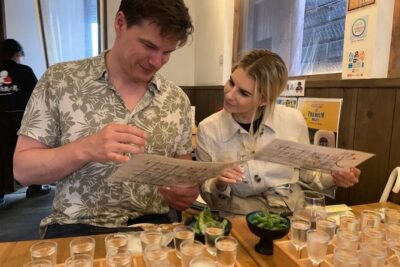
Sake Tasting Masterclass in Shinjuku (8+ Varieties with a Pro)
Read our review →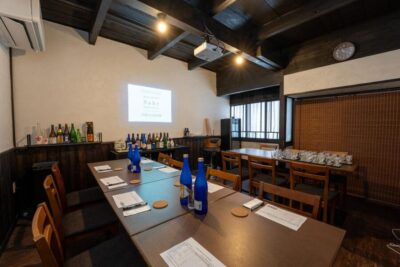
Insider Sake Experience with 7 Tastings and Snacks
Read our review →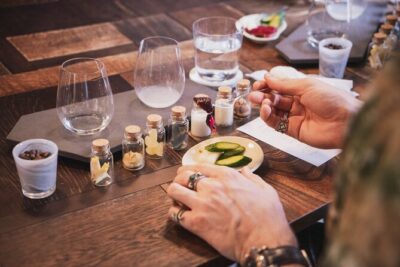
Sake Omakase in Tokyo: Guided Tasting by Certified Sommeliers
Read our review →
Private Tea Ceremony and Sake Tasting in Kyoto Samurai House
Read our review →
Casual Japanese SAKE tasting and snack experience in Kabukicho
Read our review →
Browse the lists this tour appears in