
Reviewed · SAKE TASTING
Sake Tasting in Tokyo
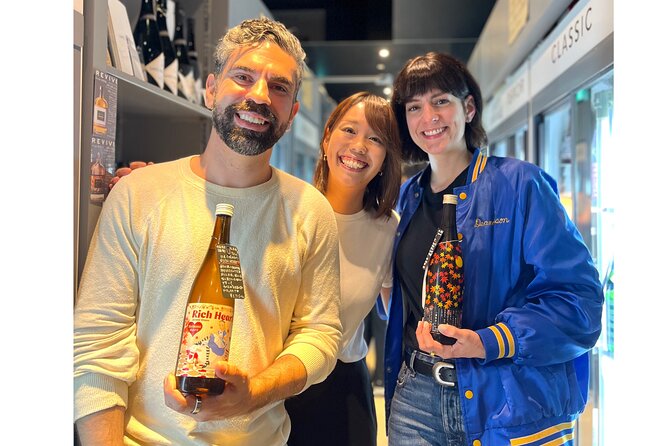
Sake tasting here is more than a row of little glasses. Eriko turns the drink into a lesson about Japanese brewing, culture, and the small breweries that rarely get much attention. You begin with a 20-minute talk, then taste several sakes with snacks while learning why each one tastes the way it does.
I like two things right away. First, the session welcomes beginners instead of assuming you already know your ginjo from your junmai. Second, the tasting includes harder-to-find pours such as unpasteurized namazake, aged sake, and brews sold only at the venue. The main consideration is the price: at $87.80 per person for about 90 minutes, this makes the most sense if you want instruction and unusual bottles, not just a quick drink.
Key points at a glance
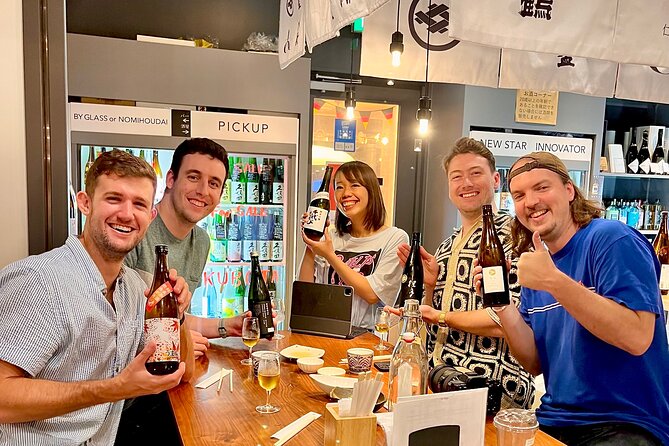
- A 20-minute sake lesson comes first: Videos and teaching materials give you a useful base before the tasting begins.
- Eriko leads a private group session: Only your group takes part, making it easier to ask questions and discuss your tastes.
- Rare styles are part of the lineup: You may try namazake, aged sake, and exclusive brews not commonly found elsewhere.
- Snacks are paired with the sake: Food helps you notice how the drinks change alongside something to eat.
- The tasting ends where it starts: Meet at MIRAI SAKE STORE & SAKE BAR in Shibuya and return there after the session.
- A small gift is included: Alcoholic drinks, snacks, and the gift are part of the listed price.
Why this Shibuya tasting is different
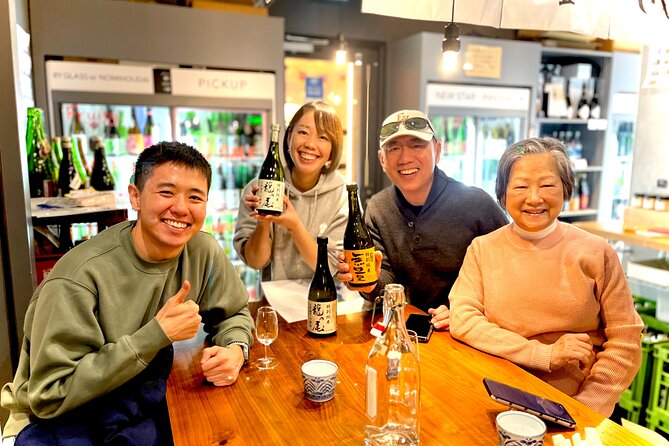
Many sake tastings stop at pouring several samples and naming the brewery. This experience tries to answer the more useful question: Why does this sake taste like this, and what kind do you actually enjoy?
That distinction matters if you are new to sake. Japanese menus can offer a long list of unfamiliar names, and the language used to describe sake can feel technical. Here, Eriko explains the drinks as you taste them, helping you connect the brewing process with flavor rather than memorizing terms in isolation.
The focus also reaches beyond the bottle. Sake is tied to Japanese food, seasonal customs, local producers, and long-standing brewing methods. The session offers a compact way to see those connections without committing half a day to a brewery visit outside Tokyo.
The setting is MIRAI SAKE STORE & SAKE BAR in Shibuya, at Y’MEZ Building, 2nd floor, 297 Udagawacho, Tokyo 150-0042. That central location is useful if you are already spending time in Shibuya. The activity is near public transportation, and it finishes back at the same meeting point, so you do not need to arrange a separate ride between tasting stops.
More Sake Tastings in Tokyo:
- Sake Tasting Masterclass in Shinjuku (8+ Varieties with a Pro)
★ 5.0 · 271 reviews - Sake Omakase in Tokyo: Guided Tasting by Certified Sommeliers
★ 5.0 · 239 reviews - Casual Japanese SAKE tasting and snack experience in Kabukicho
★ 5.0 · 159 reviews
Starting with a 20-minute sake lesson
The first part is a 20-minute lecture supported by materials and videos. I like this order. Tasting before any explanation can leave you with a blur of labels and flavors, while a short introduction gives you something to listen for in the glass.
You can expect Eriko to explain how sake is made and to place different styles in context. A review of the brewing process is especially useful for first-time visitors to Japan, since it helps explain why one sake may feel light and clean while another seems fuller, sweeter, drier, or more layered.
The lesson is not presented as a formal class lasting several hours. It is a short foundation for the tasting that follows. That keeps the pace moving, but it also means you should ask questions when something is unclear. The private format gives you a better chance to do that than a large public session would.
A useful way to approach this opening is to forget about finding the correct answer. Sake tasting is not an exam. You are learning enough to notice your own preferences, which is much more useful when you later face a sake list in a restaurant or shop.
Tasting namazake, aged sake, and exclusive bottles
After the lesson, you sample a range of sake with appetizers. The selection is one of the strongest reasons to consider this experience. It is not limited to the most familiar bottles available in every department store.
Namazake, or unpasteurized sake, is a particularly interesting inclusion. Because it is not pasteurized, it represents a less ordinary style for visitors who have only tried standard sake. Aged sake gives you another point of comparison, showing how time can change a drink. The activity also includes exclusive brews that can be purchased only at the venue, giving the tasting a local angle.
The exact bottles can vary, so I would not book this expecting a fixed menu of named labels. That uncertainty is part of the appeal if you like discovery, but it may disappoint you if you want to plan around one particular brewery or style.
The point is not to race through as many samples as possible. Eriko explains each sake as it arrives, then helps you think about its character beyond a simple like or dislike. You may notice aroma, sweetness, dryness, weight, or how the finish changes after a bite of food.
That guidance is valuable for beginners. A first taste can be hard to describe, especially when you do not yet have a vocabulary for it. Instead of leaving you to guess, the host helps connect your reaction to the qualities of the drink.
How the snack pairings help
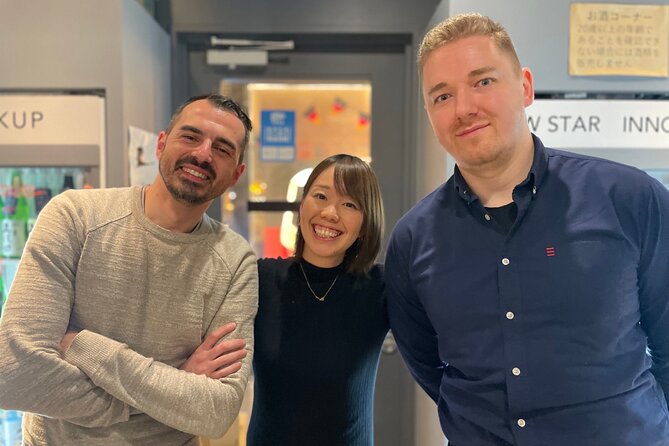
Snacks are included, and they serve a practical purpose. Food can soften alcohol, but it can also show you how a sake behaves with something to eat.
A sake that seems sharp on its own may feel rounder with a snack. Another may become sweeter, drier, or more aromatic. You do not need to be an expert to notice these changes. The small pairings give you a simple way to compare each pour in a more realistic setting.
This is also useful preparation for eating in Japan. Sake is rarely treated as a drink completely apart from food, and the pairing portion helps you understand why certain styles appear alongside particular dishes. The supplied details do not specify the exact appetizers, so you should think of them as tasting accompaniments rather than a full meal.
If you arrive hungry, plan to eat beforehand. The snacks are included, but the experience is built around tasting and learning, not lunch or dinner.
More Sake Tours in Tokyo:
- Ramen and Sushi Cooking Class with Sake Pairing Set in Tokyo
★ 5.0 · 291 reviews - Tasting All Types of Sake with Sommelier
★ 5.0 · 151 reviews - Wagyu & Sake Pairing in Shinjuku – Steak, Shabu-Shabu & More
★ 5.0 · 112 reviews - Tokyo Wagyu & Sake Pairing Tasting Experience with Local Flavors
★ 5.0 · 108 reviews
Eriko’s teaching style and the private format
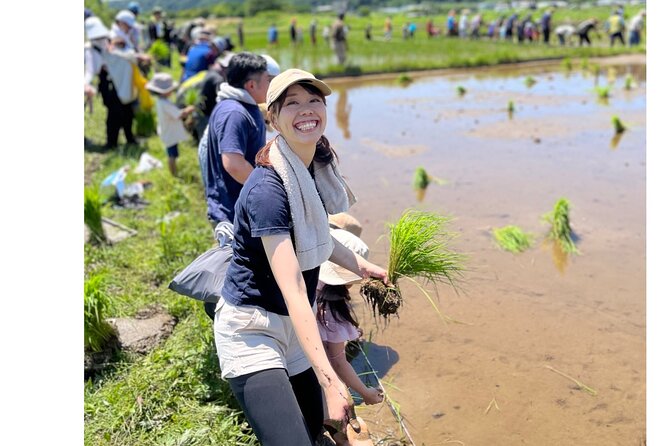
The guide, Eriko, is described as deeply passionate about sake, and the session is designed around her explanations. Two reviews give the strongest praise to her ability to explain the making of sake and the differences between styles. One first-time visitor to Japan found her expertise exactly suited to a beginner, while another came away with a more detailed understanding of fermentation.
That tells you what this tour does best: it turns a specialist subject into a conversation you can follow. You do not need prior sake experience, and you should feel free to say when a sample is not to your taste. A good host can use that reaction to point you toward something more suitable.
Only your group participates, which changes the feel of the session. You can ask questions without speaking over a large crowd, and Eriko can spend more time on the styles that interest you. This is particularly helpful if people in your group have different levels of experience.
The private format does not necessarily mean a fully personalized menu. The available sake and structure are still set by the experience. Think of it as a private guided tasting, not a custom brewing workshop.
What the $87.80 price gets you
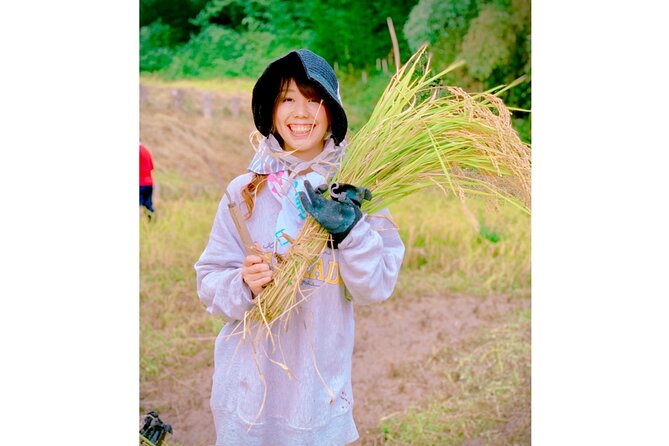
At $87.80 per person, this is not the cheapest way to sample sake in Tokyo. You can certainly order a glass at a bar for less. The price needs to be judged against what is included: about 90 minutes, a 20-minute educational session, several alcoholic samples, snacks, a small gift, and a private guide.
I think the value is strongest for three types of people. First are beginners who want a clear starting point. Second are curious drinkers who have already tried ordinary sake and want unusual styles. Third are people who place a high value on a private, question-friendly format.
The value is weaker if your goal is simply to have one drink in Shibuya. It is also less appealing if you do not drink alcohol or if you want a large meal included. Private experiences usually cost more than casual drop-in tastings, and this one follows that pattern.
The possibility of buying a favorite bottle at the venue adds a useful final step. You can taste before spending more money, then purchase a sake you already know you enjoy. Since some bottles are exclusive to the venue, this may also give you a more distinctive souvenir than a standard shop purchase.
Planning your visit to MIRAI SAKE STORE & SAKE BAR
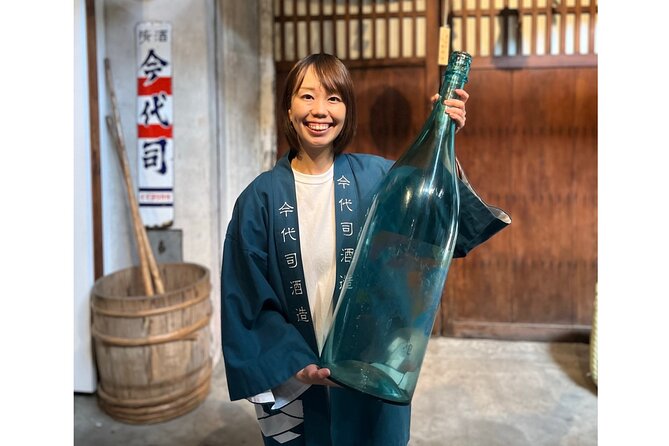
The meeting point is MIRAI SAKE STORE & SAKE BAR, on the second floor of the Y’MEZ Building at 297 Udagawacho in Shibuya. Put the full address into your map before leaving, since building entrances in central Tokyo can take a moment to identify.
You receive a mobile ticket, and confirmation is provided at booking. The activity is near public transportation, but private transportation is not included. Since the tour starts and ends in the same place, you can combine it with other plans in Shibuya without arranging a transfer to a second neighborhood.
Allow a little time to find the building and arrive ready to begin. The tasting lasts about an hour and a half, and the opening lecture is part of the scheduled experience. Arriving late could reduce the time you have for the explanation or the samples.
The activity is listed as suitable for most people, and only your group participates. The supplied information does not give a minimum age, a detailed accessibility statement, or the maximum group size, so ask the provider if any of those points matter for your booking.
Who will enjoy this experience most
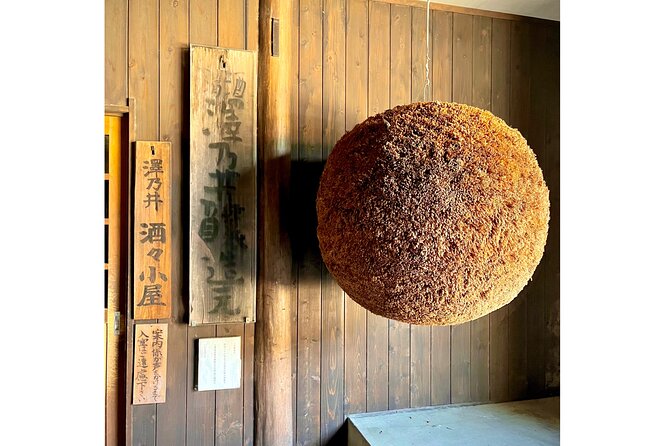
I would choose this tasting for someone who has just arrived in Japan and wants a cultural activity that fits into an afternoon or evening. The lesson gives you useful background without taking over your day, and the tasting offers a direct way to connect Japanese food culture with local brewing.
It also suits an experienced sake drinker who wants access to unusual pours. Namazake, aged sake, and venue-only brews give you more to explore than a basic introduction.
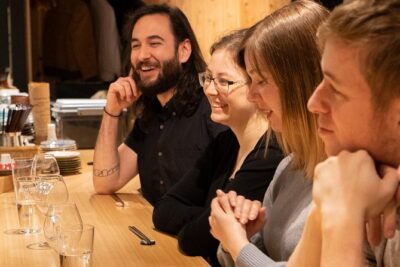
Couples and small private groups should appreciate the format. You can compare reactions, ask Eriko to clarify a term, and talk through what you are tasting without being part of a large class.
I would be more cautious about booking it for children, non-drinkers, or anyone expecting a brewery tour. The activity takes place at the sake store and bar, and the listed inclusions center on alcohol, snacks, teaching materials, and a gift. No transport to a production facility is included.
Cancellation and booking timing
This experience is often booked about 28 days in advance, so reserving ahead is sensible if your Tokyo dates are fixed. Confirmation arrives at the time of booking, and you can cancel for a full refund if you do so at least 24 hours before the local start time.
Changes made less than 24 hours before the start are not accepted, and cancellations inside that window are not refunded. Keep the local cut-off time in mind if you are booking from another time zone.
Should you book the sake tasting?
Book it if you want more than a drink. The combination of Eriko’s 20-minute lesson, guided samples, snack pairings, rare styles, and private format gives you a useful introduction to sake without requiring prior experience.
The best reason to choose it is the teaching. You are not left to guess why one pour differs from another. You learn how sake is made, taste the differences, and get help identifying the styles that suit you.
Skip it if $87.80 feels high for a 90-minute activity, if you want a full meal, or if your main goal is visiting a working brewery. For everyone else, this is a focused Shibuya experience with a clear payoff: you leave with a better sense of what you like and a chance to buy a bottle you have already tasted.
FAQ
Where does the sake tasting take place?
The meeting point is MIRAI SAKE STORE & SAKE BAR, Japan, 150-0042 Tokyo, Shibuya, Udagawacho, 297, Y’MEZ Building, 2nd floor.
How long does the experience last?
The tasting lasts approximately 1 hour and 30 minutes, including a 20-minute sake lecture.
Who leads the tasting?
The host and guide is Eriko, whose explanations cover sake production, styles, and the qualities of each sample.
Is the experience private?
Yes. Only your group participates in this private activity.
What is included in the price?
Alcoholic beverages, snacks, and a small gift are included. Private transportation is not included.
Can I cancel for a full refund?
Yes. You must cancel at least 24 hours before the experience start time for a full refund. Cancellations or changes made less than 24 hours before the start are not accepted for a refund.
Newly added around Tokyo
- Wagyu BBQ & Sukiyaki with Sake Pairing Experience near Ginza★ 5.0 · 2 reviews
- Tokyo Sake Tasting Tour with a Sake Expert★ 5.0 · 7 reviews
- Sake Tasting and Cherry Blossom Fun in Tokyo!★ 5.0 · 4 reviews
- Private Sake Tasting at 300 Years Old Sake Brewery in Tokyo★ 5.0 · 3 reviews
- Tokyo: Serene Sakura & Sake: An Exclusive Brewery Pairing Lunch★ 5.0 · 2 reviews
- Sake Pairing Workshop with Japanese Food in Shinjuku★ 5.0 · 5 reviews
- Nagano: Snow Monkey and Zenkoji Temple Free Sake Taste Day Tour★ 4.5 · 8 reviews
- Cherry blossom & Japanese Sake Tasting in Shinjuku★ 5.0 · 4 reviews
Sake Tasting, compared.

3-Hour Kyoto Insider Sake Brewery Tour with Tastings & Pairings
Read our review →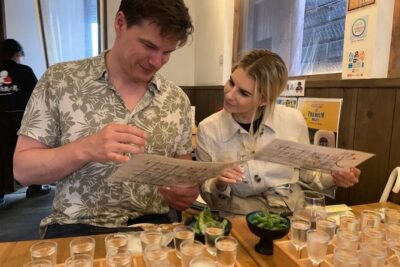
Sake Tasting Masterclass in Shinjuku (8+ Varieties with a Pro)
Read our review →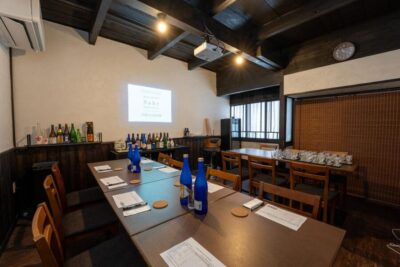
Insider Sake Experience with 7 Tastings and Snacks
Read our review →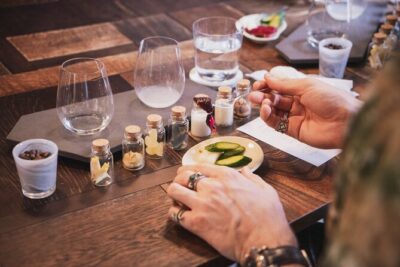
Sake Omakase in Tokyo: Guided Tasting by Certified Sommeliers
Read our review →
Private Tea Ceremony and Sake Tasting in Kyoto Samurai House
Read our review →
Casual Japanese SAKE tasting and snack experience in Kabukicho
Read our review →
Browse the lists this tour appears in